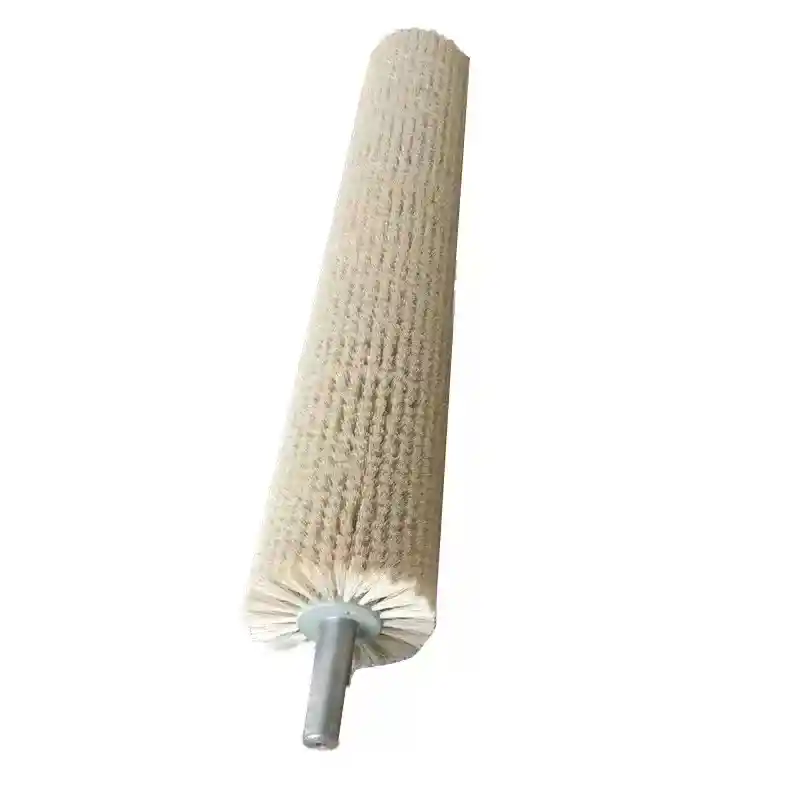

Working with soft nylon brushes across different cleaning applications teaches you something quickly: the gentlest tool often delivers the most reliable results. These brushes handle tasks that would destroy harder materials or leave surfaces scratched beyond use. After years of specifying and testing brush solutions for industrial clients, the pattern holds—nylon’s flexibility and chemical tolerance make it the default choice for anything delicate or precision-critical.
Why Soft Nylon Brushes Dominate Delicate Cleaning Applications
Soft nylon bristles earn their place in industrial cleaning through a combination of properties that harder materials simply cannot match. The filaments bend rather than gouge, which matters enormously when you’re cleaning polished metal or sensitive electronic assemblies. Nylon’s molecular structure gives it natural resistance to most industrial solvents and cleaning agents—the bristles won’t degrade or shed particles into your process.
Temperature tolerance adds another layer of practicality. Many cleaning operations involve heated solutions or sterilization cycles, and nylon maintains its integrity through conditions that would warp or melt lesser materials. The durability factor compounds over time: a well-specified soft nylon brush outlasts natural fiber alternatives by significant margins while causing far less cumulative surface damage than wire brushes.
| Material Type | Abrasiveness | Chemical Resistance | Flexibility | Durability | Typical Use Cases |
|---|---|---|---|---|---|
| Soft Nylon | Low | High | High | High | Delicate cleaning, polishing, light deburring |
| Wire (e.g., Steel) | High | Moderate | Low | Very High | Heavy-duty cleaning, rust removal, aggressive deburring |
| Natural Fiber | Low-Moderate | Low | Moderate | Moderate | General sweeping, dry cleaning, polishing |
| Abrasive Nylon | Moderate-High | High | Moderate | High | Surface finishing, deburring, heavy cleaning |
How These Brushes Actually Improve Cleaning Efficiency
The efficiency gains from soft nylon brushes come from an unexpected direction: what they don’t do. They don’t scratch surfaces that then require rework. They don’t shed bristles that contaminate products. They don’t degrade when exposed to cleaning chemicals, forcing premature replacement.
This translates directly to operational metrics. Equipment cleaned with appropriate soft nylon brushes maintains its surface finish longer, extending service intervals. Products pass quality inspection more consistently because the cleaning process itself doesn’t introduce defects. The brushes themselves last through more cycles before replacement becomes necessary.
Protecting Surfaces That Cannot Tolerate Damage
Circuit boards represent the classic case for soft nylon brush applications. The components are fragile, the traces are thin, and any scratching creates immediate failure points. Soft nylon bristles reach between components to dislodge dust and flux residue without the mechanical stress that would crack solder joints or damage sensitive chips.
Medical device cleaning presents similar challenges with higher stakes. Surgical instruments have precise edges and polished surfaces that must remain pristine through repeated sterilization cycles. Soft nylon brushes clean the complex geometries of these instruments—the channels, hinges, and textured grips—without altering the surfaces that contact tissue.
Aerospace components add another dimension: the materials themselves are often exotic alloys or composites where surface integrity directly affects structural performance. A scratch on a turbine blade isn’t a cosmetic issue; it’s a stress concentration point that could initiate a crack under operating loads.
Meeting Hygiene Standards Without Compromise
Food processing facilities operate under regulatory frameworks that specify exactly how equipment must be cleaned and what materials can contact food-contact surfaces. Soft nylon brushes meet these requirements while providing the mechanical action needed to remove biofilms and residue from processing equipment.
Pharmaceutical manufacturing applies even stricter standards. The brushes used in these environments must be traceable, cleanable, and incapable of introducing particulate contamination. Soft nylon’s smooth filament surface resists bacterial adhesion and cleans thoroughly between uses, supporting the validation requirements these facilities must maintain.
Where Soft Nylon Cleaning Brushes Solve Real Problems
The applications span nearly every industry that cleans anything, but certain sectors depend on these brushes more heavily than others. Food processing, electronics manufacturing, medical device production, automotive finishing, aerospace maintenance—each has specific cleaning challenges that soft nylon addresses effectively.
Textile manufacturing uses these brushes to clean delicate fabrics without snagging or pilling. Printing operations rely on them to remove ink residue from rollers without damaging the precision surfaces that determine print quality. Conveyor systems throughout manufacturing use soft nylon brushes to keep belts clean and products moving without contamination.
Production Line Applications That Depend on Gentle Cleaning
Manufacturing environments present a constant tension between cleaning effectiveness and surface preservation. Deburring operations illustrate this perfectly—you need to remove the sharp edges left by machining, but you can’t afford to alter the dimensional accuracy of the part. Soft nylon brushes provide enough mechanical action to break off burrs while conforming to surface contours without removing base material.
Surface finishing operations use these brushes to achieve consistent textures across production runs. The bristles create uniform contact pressure, avoiding the hot spots and uneven wear patterns that harder brushes produce. Conveyor belt cleaning applications benefit from the same properties—the brushes remove accumulated material without abrading the belt surface or leaving residue that could transfer to products.
Precision Cleaning for High-Value Components
Electronics manufacturing pushes soft nylon brush performance to its limits. The components are small, the tolerances are tight, and contamination at the particle level can cause failures. Brushes designed for these applications use fine-diameter filaments at controlled densities to reach confined spaces without generating the static charges that attract particles back to cleaned surfaces.
Medical device sterilization requires brushes that can navigate the complex internal geometries of instruments—lumens, hinges, ratchets, and textured grips. The brushes must clean thoroughly enough to support sterilization validation while remaining gentle enough to preserve the precision surfaces that make these instruments functional.
Aerospace component cleaning combines both challenges: the parts are often complex in geometry and manufactured from materials that cannot tolerate surface damage. Soft nylon brushes clean these components effectively while maintaining the surface integrity that structural analysis assumes.
Selecting the Right Soft Nylon Brush for Your Application
Brush selection determines cleaning performance more than most people realize. The wrong bristle diameter, density, or brush configuration turns an effective cleaning tool into either an ineffective one or a surface-damaging one. Getting this right requires understanding both the cleaning task and the brush parameters that affect it.
Customization matters because industrial cleaning applications rarely match standard brush configurations perfectly. A brush designed specifically for your equipment, your materials, and your cleaning requirements will outperform a general-purpose alternative. The investment in proper specification pays returns through better cleaning results and longer brush life.
Parameters That Actually Affect Performance
Bristle diameter controls the balance between flexibility and cleaning force. Finer filaments conform more closely to surface contours and generate less contact pressure, making them appropriate for the most delicate applications. Coarser filaments provide more aggressive cleaning action for tougher deposits or less sensitive surfaces.
Bristle density—the number of filaments per unit area—affects coverage and contact pressure distribution. Higher density provides more uniform cleaning but increases the total force applied to the surface. Lower density allows individual filaments more freedom to flex and conform.
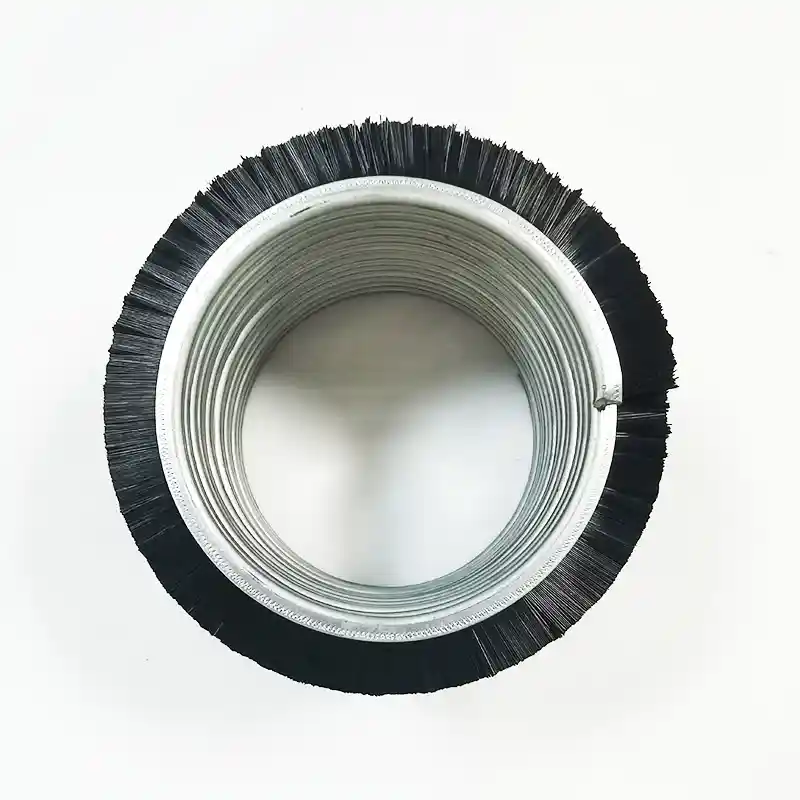
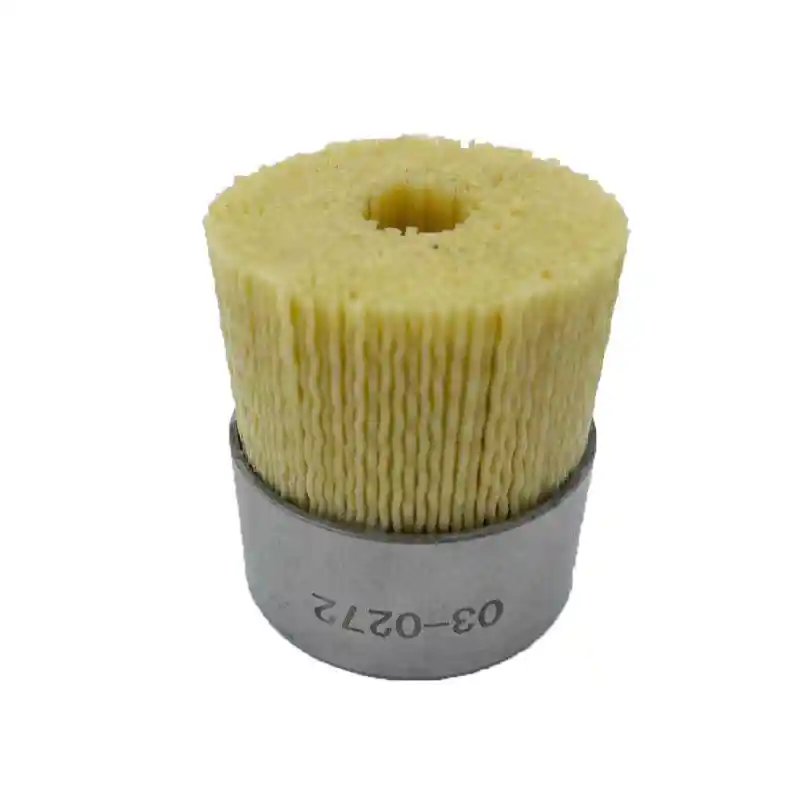
Brush type determines how the bristles contact the work surface. Cylindrical brushes provide continuous contact across their length, making them ideal for conveyor cleaning and surface preparation. Spiral brushes conform to internal pipe contours for thorough cleaning of tubes and channels. Strip brushes offer flexible mounting options for sealing, guiding, and light cleaning applications. Wheel brushes mount on rotating equipment for surface preparation and finishing. Tube brushes reach into confined spaces like heat exchanger tubes and medical device lumens. Disc brushes provide broad, even contact for floor scrubbing and parts cleaning. Drill brushes attach to powered tools for spot cleaning and detailed work.
| Brush Type | Primary Function | Common Applications | Key Feature |
|---|---|---|---|
| Cylindrical Brushes | General cleaning, scrubbing, conveying | Conveyor systems, surface cleaning, material transport | Full surface contact, continuous cleaning |
| Spiral Brushes | Internal pipe cleaning, surface finishing | Pipes, tubes, deburring, polishing | Conforms to internal contours |
| Strip Brushes | Sealing, guiding, wiping, light cleaning | Door seals, conveyor skirts, splash guards | Flexible, customizable length |
| Wheel Brushes | Surface preparation, deburring, polishing | Metal finishing, weld cleaning, rust removal | High-speed rotation, aggressive action |
| Tube Brushes | Internal cleaning of small diameter tubes | Heat exchangers, medical devices, small pipes | Reaches confined spaces, flexible |
| Disc Brushes | Surface cleaning, scrubbing, deburring | Floor scrubbers, parts cleaning, surface finishing | Broad contact area, even pressure |
| Drill Brushes | Powered cleaning, spot cleaning | Automotive detailing, grout cleaning, tight spaces | Attaches to drills for powered action |
What Custom Brush Solutions Actually Deliver
Shanghai Huixi Trading Co., Ltd. builds soft nylon brushes to specific requirements rather than forcing applications into standard configurations. The ODM/OEM service means brushes match your exact specifications—bristle material, diameter, density, trim length, core construction, and overall dimensions all specified to your application.
Sixteen years of brush manufacturing experience informs the technical support that accompanies these services. The guidance covers not just brush selection but application optimization—how to mount the brush, what speeds and pressures to use, how to maintain it for maximum service life. Low MOQ options and free samples allow testing before committing to production quantities, particularly valuable for specialized applications like industrial seals where fit and function must be verified in actual use.
Common Questions About Soft Nylon Industrial Brushes
What makes soft nylon brushes ideal for delicate industrial cleaning tasks?
The non-abrasive nature of soft nylon filaments allows effective contaminant removal without surface damage. The bristles flex on contact rather than gouging, which preserves polished finishes on metals, protects fragile electronic components, and maintains the precision surfaces of medical instruments. Chemical resistance means the bristles work safely with most cleaning agents without degrading or shedding particles into the cleaned area.
How do customized soft nylon brushes benefit specific industrial applications?
Standard brushes represent compromises—they work adequately for many applications but optimally for few. Custom brushes from Shanghai Huixi Trading Co., Ltd. match your specific requirements: the exact bristle density for your cleaning task, the precise trim length for your equipment geometry, the filament diameter that balances cleaning effectiveness against surface sensitivity. This precision translates to better cleaning results, longer brush life, and more consistent performance across production runs.
Can soft nylon brushes withstand harsh industrial environments and chemicals?
Quality soft nylon brushes handle most industrial cleaning environments effectively. The material resists degradation from common cleaning chemicals including solvents, detergents, and mild acids. Temperature tolerance covers the range encountered in most cleaning and sterilization processes. The filaments maintain their flexibility and cleaning effectiveness through extended use, providing reliable performance across demanding industrial applications.
Work With Huixi on Your Brush Requirements
Shanghai Huixi Trading Co., Ltd. brings 16 years of brush manufacturing expertise to your industrial cleaning challenges. The technical support covers application analysis, brush specification, and optimization guidance. ODM/OEM services deliver brushes built to your exact requirements. Contact the team at [email protected] or +86 1580 0932 713 to discuss your specific needs or request samples for evaluation.
If you’re interested, check out these related articles:
descaling spiral brush an innovative tool and generalist in the field of industrial cleaning
rope cleaning brush for industrial use a key tool for maintaining safe production
how do you know about deburring brushes