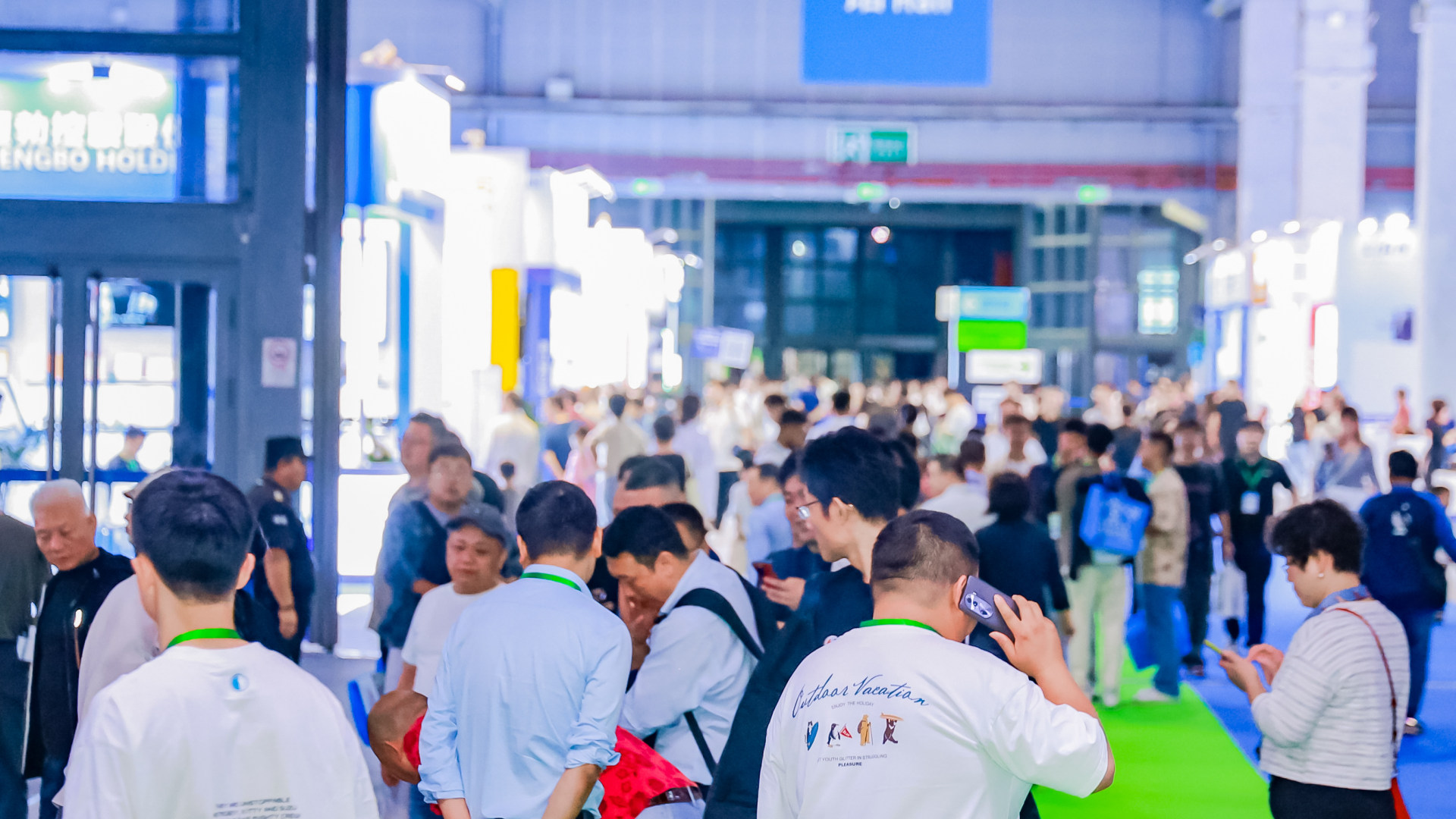

Shanghai Automotive Aftermarket Exhibition turns into a sourcing conversation once the aisles fill with buyers carrying part numbers, target price points, and compliance questions. In my work with international exhibitors, I have seen the same pattern repeat: the booths that convert are not the largest or the most expensive. They are the booths where the team has already made a clear decision about which buyer type they are serving and which product categories they can actually supply. International distributors from Southeast Asia, the Middle East, and Latin America arrive with sourcing problems, not with interest in brand history. A prepared exhibitor answers those problems at the booth, not after the show.
Shanghai Automotive Aftermarket Exhibition Buyer Attendance
The buyer mix changes by hall and product zone, but the dominant visitor profile is a sourcing decision maker rather than a casual industry observer. Aftermarket distributors, importers, fleet maintenance buyers, and OE purchasing teams come to compare manufacturing capability before committing freight budgets. What they ask at the booth reveals whether the conversation is a first filter or a final qualification.
| Buyer segment | Sourcing trigger | Booth priority |
|---|---|---|
| Southeast Asian distributor | Replacement part lines, mixed container quantities | Shelf ready product data, MOQ clarity |
| Middle East importer | Chassis, braking, filtration, strong packaging | Documentation for regional compliance paths |
| Latin American parts importer | Engine, steering, suspension, price bands | Quotation structure with freight tiers |
| African fleet and spare parts buyer | Commercial vehicle components | Durable packaging and model coverage |
| European aftermarket sourcing office | IATF 16949, REACH, material compliance | Audit ready documents |
| Domestic NEV startup or Tier 1 | High voltage connectors, thermal management | Engineering data, small batch terms |
The common thread is specificity. A buyer who asks about a water pump for a 2018 to 2023 light truck platform is not asking for a catalog. They want to know whether the factory has already made that part for an equivalent market, what the failure testing covers, and whether the MOQ can fit a first container. In my observation, exhibitors who bring engineering staff to the booth answer these questions faster than those who staff only sales roles. Engineering presence signals that the company can discuss tolerance, material grade, and process control without sending every question back to the factory.
Booth Cost Planning for the Shanghai Automotive Aftermarket Exhibition
Exhibitors often ask about booth cost before they ask about buyer mix. The answer depends on three variables: hall position, space type, and display requirements. A standard shell scheme package usually includes perimeter walls, carpet, fascia, basic lighting, and a limited electrical socket. Raw space gives full layout control but shifts cost to independent fit-out, floor treatment, rigging, and utilities.
For a first exhibition, I usually recommend shell scheme if the booth is under 36 square meters and the display consists of cataloged parts, sample boards, and meeting space. Raw space becomes easier to justify when the exhibit needs a vehicle platform, heavy axle stands, or a private negotiation room. The cost difference is not only design. It is also labor: raw space means managing contractors, material passes, and overnight security yourself.
If your product line spans oversized chassis assemblies, electric vehicle thermal components, or live demonstration equipment, confirm hall floor loading, compressed air access, and power capacity before finalizing a raw space decision. A note to the APES Auto Parts Expo Shanghai team at [email protected] with your booth dimensions and display plan can clarify which hall zones fit the demonstration you are planning. This step is easier to do before the floor plan is locked than after the contractor deposit is paid.
Exhibitor Preparation Steps Before the Shanghai Automotive Aftermarket Exhibition
Booth day pressure comes from questions the team did not expect. In the weeks before the event, I ask every exhibiting company to run through three preparation categories: product documentation, sample logic, and response roles.
What Documents Should an Automobile Aftermarket Exhibitor Prepare?
Bring IATF 16949 or ISO 9001 certificates, PPAP Level 3 examples for relevant product categories, and any REACH or RoHS declarations that apply to exported parts. If a buyer asks about a cylinder head, control arm, or brake caliper, the person in the booth should be able to pull the engineering drawing, material traceability record, and packing specification without leaving the counter. I have watched buyers lose interest while staff search for a file in a suitcase. A document binder sorted by product family and market standard is often more useful than a product brochure.
How Should a New Product Launch Be Staged for Sourcing Buyers?
New product launches at a trade show work best when they answer a specific fitment or failure problem. Instead of displaying a row of unexplored products, place one or two new parts next to the predecessor design and the market problem it solves. A control arm with a revised bushing compound, for example, is more interesting when the display shows the old failure mode and the new service life target. Buyers ask practical questions about validation cycles and sample lead times. If the launch readiness includes an export price band and a clear minimum order, the conversation can move to business the same day.
Which Sample Specifications Prevent the Wrong Sales Follow-Up?
Loose sample handling creates wrong follow-up. I advise exhibitors to attach a small specification tag to every sample, listing material grade, part number, intended vehicle application, and the factory location that produced it. Without that tag, a buyer may photograph a part and later quote the wrong version. The booth team should also mark which samples are off the shelf, which are new tooling, and which have been tested to a particular standard. This practice reduces the number of follow-up emails that begin with the buyer trying to identify what they saw.
Country Mix and Sourcing Behavior at the Shanghai Automotive Aftermarket Exhibition
Buyers do not attend with identical purchasing logic. Southeast Asian distributors often value mixed line supply and fast restock. Middle East importers ask about certification equivalence and container level pricing. Latin American buyers focus on landed cost and payment structure. Exhibitors who prepare one generic pitch waste the first half of each meeting.
A sourcing manager from one country may need a product family list first, while another buyer may need a single part number quote for an existing platform. In many meetings I have attended, the first two questions reveal which route the buyer is on. The wrong opening response is a full company introduction. The right response is a short question about the target application or the part history. When the buyer names a platform or a failure issue, the booth team can shift immediately to the relevant drawings and the relevant sample.
Before the Shanghai Automotive Aftermarket Exhibition opens, the highest-return decision is to match your booth structure and documentation to one buyer group. If your team is weighing shell scheme against raw space, or if your product line spans chassis, braking, lighting, electronics, or NEV thermal components, send your booth size and target product category to [email protected] or call +021-60280788. A clear inquiry is a single step: tell us the buyer segment you want to meet and the product categories you can supply. From there, booth planning turns into a sourcing conversation, not a stand building project.
Common Questions About Exhibiting at the Shanghai Automotive Aftermarket Exhibition
Do I Need a China Visa to Exhibit at the Shanghai Automotive Aftermarket Exhibition?
Yes, most international exhibitors need a visa or an existing entry document before travelling. The application route depends on your nationality and whether you qualify for a visa-free transit policy that covers your entire stay. The fastest approach is to ask the exhibition organizer for an invitation letter only after your booth application is confirmed. Submit it with your hotel booking, return ticket, and company registration details. Some consulates also want proof of previous exhibition participation. Start the process at least six weeks before the event to avoid delaying your booth build schedule.
Is a Shell Scheme Booth Enough for Demonstrating Auto Parts?
Many exhibitors assume a shell scheme is too basic for serious buyers. That is not usually true. For cataloged parts, sample boards, and meeting space, a well organized shell scheme can convert inquiries just as effectively as a raw space build. The difference appears when the display requires vehicle platforms, heavy suspension assemblies, live torque testing, or a private room for long negotiations. If a sample can sit on a shelf and a buyer can hold it, shell scheme is enough. If the product needs to move or carry a load during the discussion, raw space becomes the better choice.
How Do I Compare Auto Parts Suppliers at the Same Show Before Booking Production?
It depends on whether you are comparing process capability or price. For process capability, ask each supplier for IATF 16949 scope, in-house process coverage, and answers about critical dimension control. For price, ask for a quoting format that separates tooling, unit price, packaging, and freight terms. A supplier that cannot explain how a tolerance is held is likely outsourcing that process. A supplier that quotes a low unit price but vague packaging terms may shift cost later. Spend the first meeting on capability and the second on quotation structure. That sequence makes supplier differences easier to rank.
When Should a First-Time Exhibitor Apply for Space?
In my experience, the first time exhibitor application should be submitted as soon as the product categories and target buyer list are clear. Waiting for the perfect booth location often means losing the halls nearest to the aftermarket sourcing areas. Hall maps fill in segments, and heavy traffic positions are reserved early. If you have not exhibited before, pick a size that your team can staff without leaving the booth empty during peak hours. A 9 or 18 square meter shell scheme with two trained staff can outperform a larger space that is unmanned at the wrong moment. Share your booth size and product categories and we will confirm which zones still have open space for the current edition.
If you’re interested, check out these related articles:
APES 2026 to Redefine Global Sourcing Landscape as Automotive Industry Eyes Resilient Future
Tomorrow World: Innovation Achievement Exhibition and Industry Future Forum
