Scent marketing benefits span far deeper than a pleasant smell. When a customer walks into a hotel lobby or boutique, the right fragrance can instantly shift their emotional state, stir forgotten memories, and forge an invisible bond with your brand. In over ten years of designing scent solutions for businesses across 68 countries, I have seen firsthand how a carefully crafted aroma transforms casual visitors into passionate advocates. This is not merely about air care. It is about creating a sensory signature that tells a story, evokes a lifestyle, and stays with people long after they leave.
How Scent Marketing Creates Emotional Connections
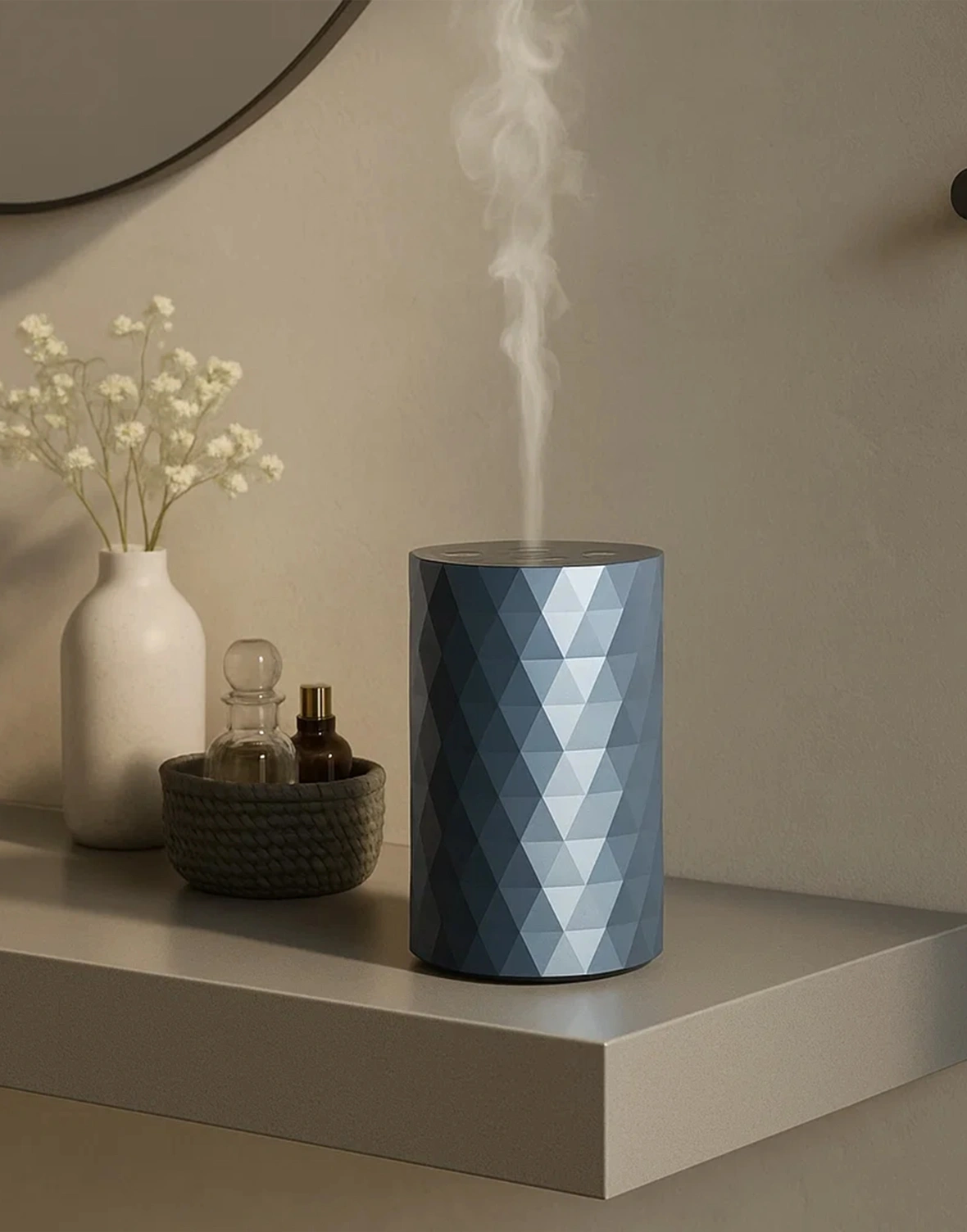
Smell is the only sense wired directly to the limbic system, the brain’s emotional and memory center. This biological shortcut means a single inhalation can trigger a cascade of feeling and association before we even consciously detect the scent. What fascinates me most is how fragrance creates a private, almost secret dialogue between brand and customer. Nobody sees it, but everyone feels it.
In practice, that gives fragrance an unmatched power to set a mood. A light citrus note can energize a fitness center, while a soft floral with a hint of vanilla can make a spa feel instantly comforting. I have observed this in countless retail environments: shops that choose scents aligned with their visual identity, like a leather and cedar blend in a high-end menswear store, see customers relax and browse longer. The scent does not shout; it whispers a message of quality and identity that reaches deeper than any sign or advertisement.
How Fragrance Builds Brand Loyalty and Recall
Brand loyalty is built on consistency and positive emotional experiences. When a customer encounters the same distinctive scent every time they visit a location, that aroma becomes part of the brand’s memory file. Eventually, catching a whiff of that fragrance outside the store triggers recall of the brand itself. This is why luxury hotels invest so heavily in signature scents: the lobby fragrance is as much a part of the brand identity as the logo.
I remember working with a boutique hotel chain that was struggling to stand out in a competitive market. We developed a custom blend of white tea and sandalwood that captured their understated elegance while still feeling welcoming. Within months of installation, their guest feedback started mentioning the inviting and sophisticated atmosphere unprompted. Repeat bookings rose quietly but meaningfully. The scent did not hard-sell. It simply made the brand memorable in a sensory way that no brochure could, and that is the real loyalty engine.
How to Develop an Effective Scent Marketing Strategy
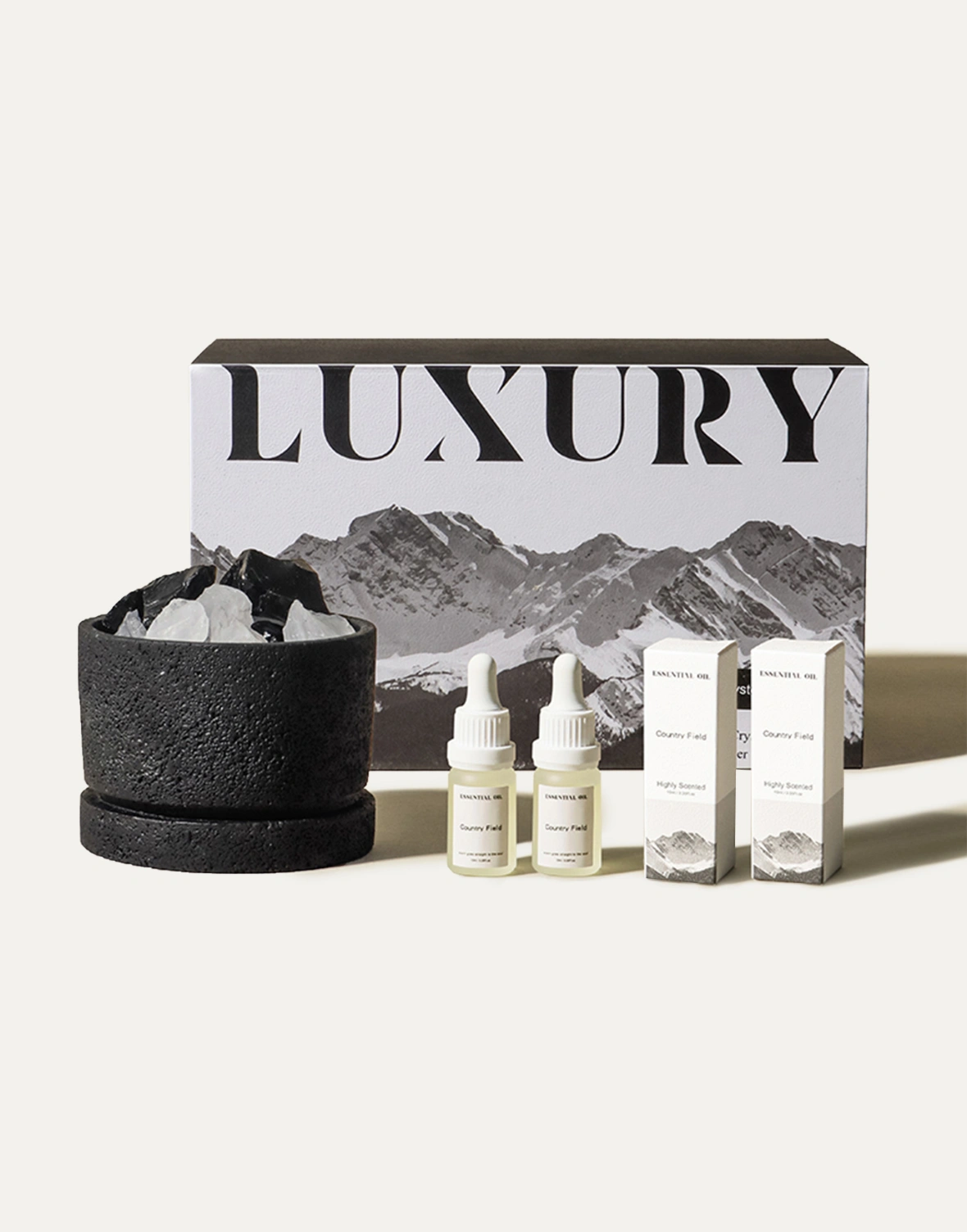
A successful scent program starts not with the fragrance itself but with a clear understanding of your brand story and the customer journey. I always advise clients to answer three questions: what emotion do you want customers to feel when they enter? How does your space look and feel visually? And what practical realities, like HVAC airflow, foot traffic patterns, and existing background odors, will affect scent distribution?
Once those are clear, you can explore fragrance families that match. A marine note might suit a beachwear retailer, while a warm, spicy oud aligns with an exclusive lounge. Many businesses start small: test a single diffuser in a high-traffic zone, measure the response, then scale. Because every space behaves differently, working with a scent partner who offers a wide range of fragrance oils and adjustable diffusers is often the difference between a scent that disappears and one that leaves a lasting impression.
For businesses with multiple locations or mixed layouts, keeping scent intensity and character identical across spaces demands precise control. Our team routinely assesses airflow and HVAC integration to maintain brand signature consistency. If your expansion plans involve several venues, it is worth confirming compatibility early—reach out at [email protected] and we will map out a deployment plan tailored to your specific footprint.
How to Select the Right Scent Diffusion Technology
The best fragrance blend means little if the diffuser cannot deliver it evenly. Commercial scent machines vary widely in technology and coverage, and matching the device to the space is as important as choosing the scent itself.
| Diffuser Model | Coverage | Power | Best For |
|---|---|---|---|
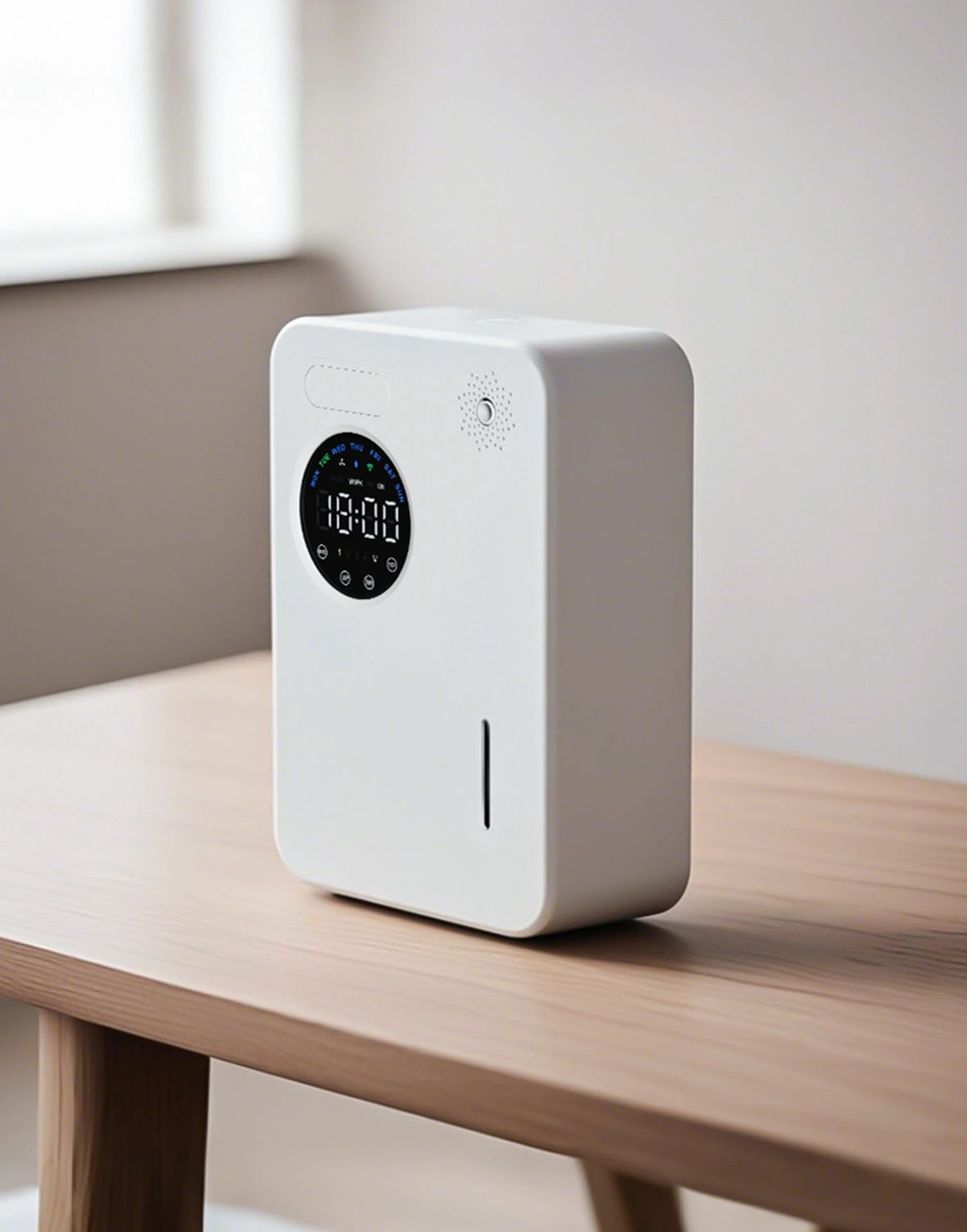
| Battery Aroma Oil Dispenser Wall Mount Diffuser | 200m³ | Battery/DC5V | Small offices, boutique shops |
| Commercial Scent Oil Diffuser (Bluetooth APP) | 300m³ | DC12V | Mid-size retail, showrooms |
| Hotel Scent Oil Diffuser Tower | 3,000m³ | DC12V-2A | Hotel lobbies, open-plan spaces |
| HVAC Scent Diffuser System | up to 8,000m³ | DC12V-3A | Multi-floor buildings, large venues |
For smaller areas, a standalone wall-mount or desktop diffuser often suffices. Larger environments benefit from HVAC-integrated systems that pump scent through existing ductwork, blanketing the entire floor evenly. Bluetooth and app-controlled models let you adjust scent intensity and schedules remotely, a practical advantage for facility managers overseeing multiple sites.
How to Measure the Impact of Scent Marketing
Putting numbers to an emotional experience requires a shift in mindset, but it is entirely possible. The most straightforward metrics are dwell time, conversion rate, and repeat visit frequency. A clothing retailer can compare sales per hour on days the scent is active versus off. Many of our clients also run simple exit surveys asking customers to rate their overall experience and describe the atmosphere; changes in those scores correlate tightly with scent deployment.
Longer-term brand loyalty is harder to isolate, but far from impossible. Tracking the volume of direct feedback mentioning atmosphere or comfort, alongside repurchase data, provides a picture over time. The key is to establish a baseline, then hold other variables constant while introducing the scent program. In my experience, the businesses that treat scent as an integral marketing investment, rather than an afterthought, see the strongest and most sustained lifts.
Getting the right fragrance and diffusion system can feel like a puzzle, but you do not have to solve it alone. Our team has guided businesses across 68 countries through the entire process, from scent selection and technical installation to ongoing performance monitoring. Call us at +86 185 6557 5758 or email [email protected] with your floor plan and a brief description of your brand personality, and we will build a scent marketing plan that connects emotionally and grows your brand.
Common Questions About Scent Marketing for Businesses
Can scent marketing work for businesses that are not luxury brands?
Absolutely. While luxury retailers were early adopters, businesses of all types use scent to shape customer experience. A neighborhood café can diffuse a fresh bakery note to enhance the aroma of its own pastries, and a medical clinic may choose a mild lavender to help reduce perceived wait times. The scale and scent character matter far more than the business size or price point.
How often do fragrance oils need to be refilled?
It depends on your diffuser type, bottle capacity, and daily run schedule. A compact desk diffuser with a 10ml bottle might need refilling every few weeks, while a commercial system with a 1L tank can run for a month or more with smart scheduling. Many modern diffusers let you program on/off times to stretch oil life without losing impact during operating hours.
Will customers find the scent overpowering or intrusive?
Only if the intensity is set too high or the scent is poorly matched to the space. Professional scent design aims for a subtle, ambient presence that customers notice as a pleasant atmosphere rather than a distinct smell. The right setting sits just above the detection threshold, and adjustable diffuser controls let you fine-tune it. Asking a few regulars for honest feedback after installation helps gauge comfort.
How quickly can a business expect to see results?
Some immediate effects, like improved first impressions and positive staff feedback, appear within days. Measurable changes in dwell time and sales usually become clear within a few weeks as the scent becomes part of the expected environment. For loyalty metrics and repeat visit analysis, a three-to-six-month window provides a clearer picture. The most important factor is consistency: stop the program and the benefits erode quickly.
What if we have no idea where to start?
That is exactly the kind of situation where a consultation makes sense. In programs we have supported, the most successful launches began with a simple conversation about brand identity and spatial goals. Share your floor plan, brand story, and any particular customer targets with our team, and we will propose a scent concept and diffuser setup tailored to your space and budget. Send your requirements to [email protected], and we will get you a practical starting point within a few working days.
If you’re interested, check out these related articles: