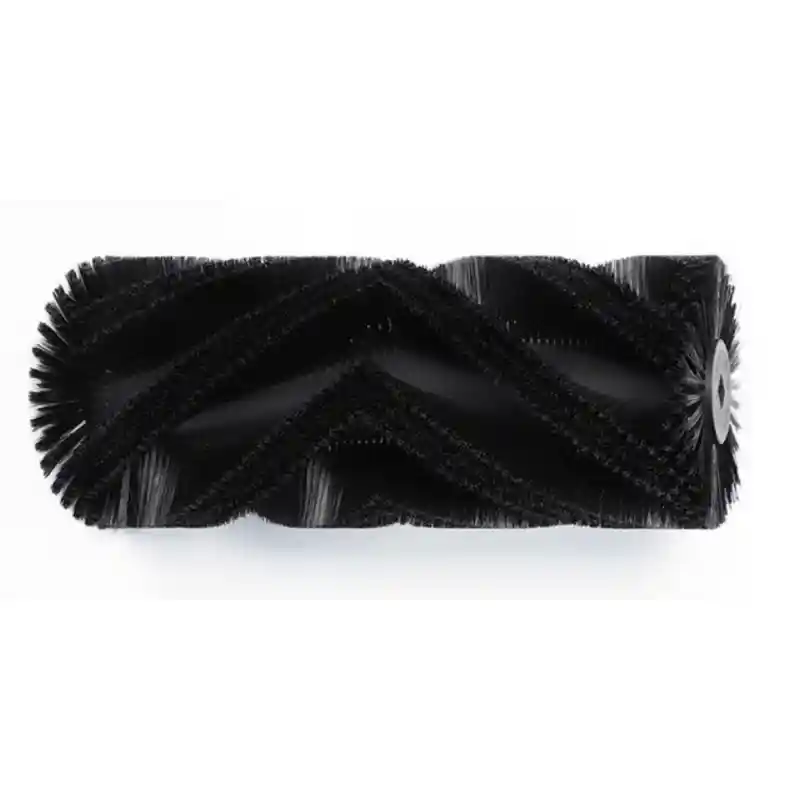

Road sweeping might seem straightforward until you’re standing in front of a worn-out brush that’s been dragging across pavement for months, wondering why debris keeps slipping past. The brush matters more than most people realize. It’s the difference between a clean surface and one that just looks swept. Three main types dominate the market: Polypropylene (PP), Steel, and Mixed filament brushes. Each handles different conditions, and picking the wrong one costs time and money. Huixi Brush manufactures industrial cleaning brushes designed for these exact challenges.
What Makes a Road Sweeping Brush Actually Work
Road sweeper brushes do more than push dirt around. They collect debris, suppress dust, and adapt to whatever surface they’re working on. The filament material determines most of the performance characteristics. Polypropylene bends and recovers. Steel wire cuts through compacted grime. Mixed configurations split the difference.
Brush density affects how much debris gets captured per pass. Bristle stiffness controls whether the brush glides over obstacles or digs into them. These aren’t abstract specifications. They translate directly into how many passes a sweeper needs to make and how often the brush needs replacement. Manufacturing consistency matters here because uneven bristle distribution creates streaking and missed spots.
PP Brushes Handle Light and Medium Debris Without Breaking the Budget
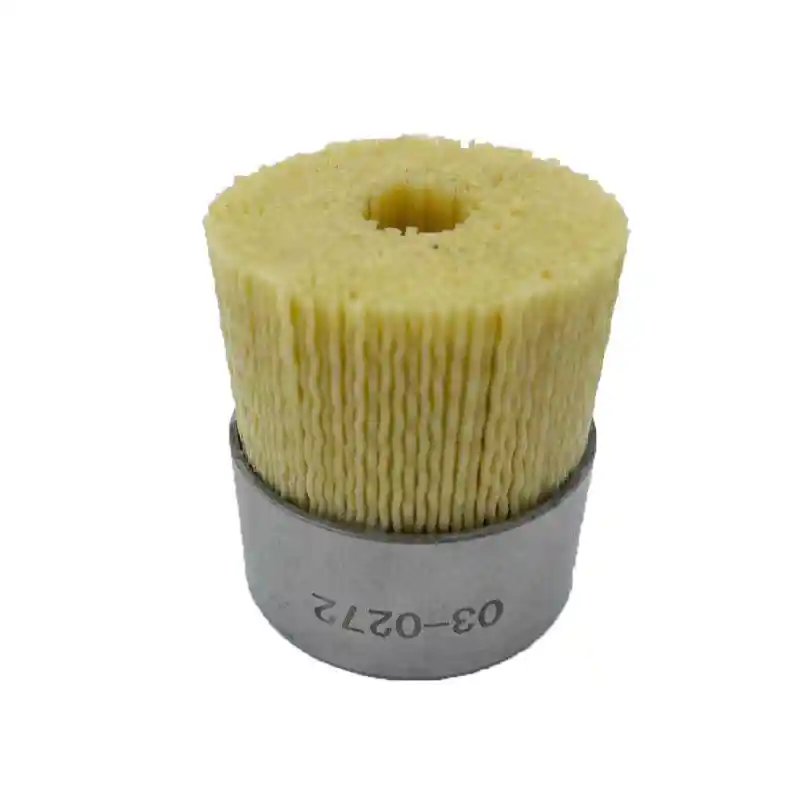
Polypropylene road sweeping brush options work well for routine municipal cleaning. The plastic bristles resist chemicals, which matters in urban environments where oil, salt, and cleaning agents end up on the pavement. PP filaments flex around surface irregularities without gouging.
| Characteristic | PP Brushes | Steel Wire Brushes | Mixed Filament Brushes |
|---|---|---|---|
| Stiffness | Medium | High | Medium-High |
| Abrasion Resist. | Good | Excellent | Very Good |
| Cost | Low | High | Medium |
| Debris Type | Light, fine dust | Heavy, compacted | Varied, general |
| Surface Impact | Low | High | Medium |
Where PP Filaments Perform Best
General street cleaning, sidewalk maintenance, and park pathways are natural fits for PP brushes. The non-abrasive action protects decorative pavers and sealed surfaces. Fresh snow clears efficiently without scratching the underlying material.
Chemical resistance extends the useful life in areas prone to fuel spills or de-icing treatments. The bristles don’t degrade from exposure the way some materials do. This translates to fewer replacements over a season.
Steel Wire Brushes Cut Through What PP Can’t Touch
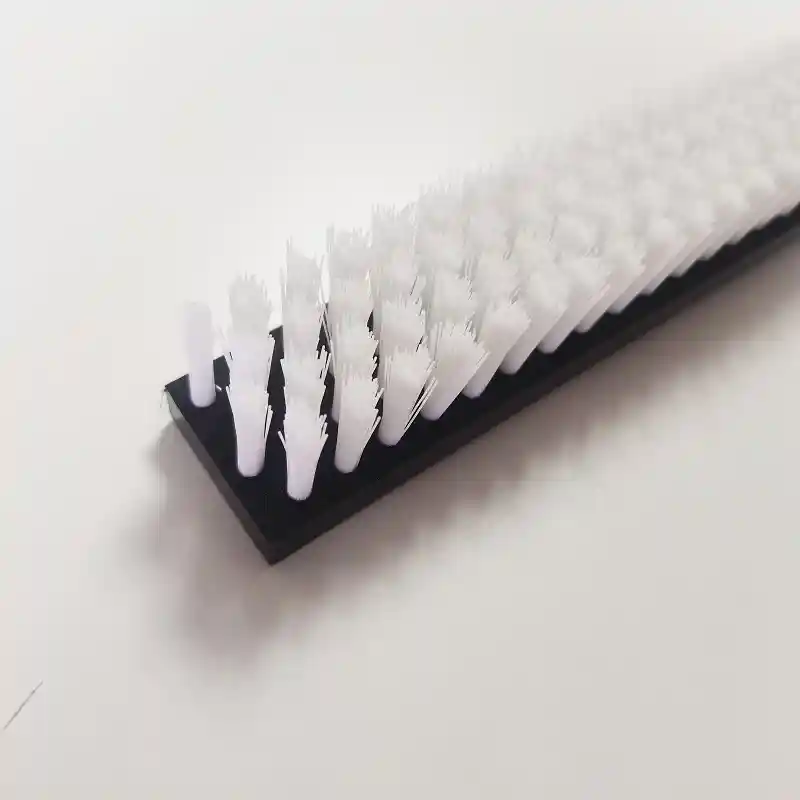
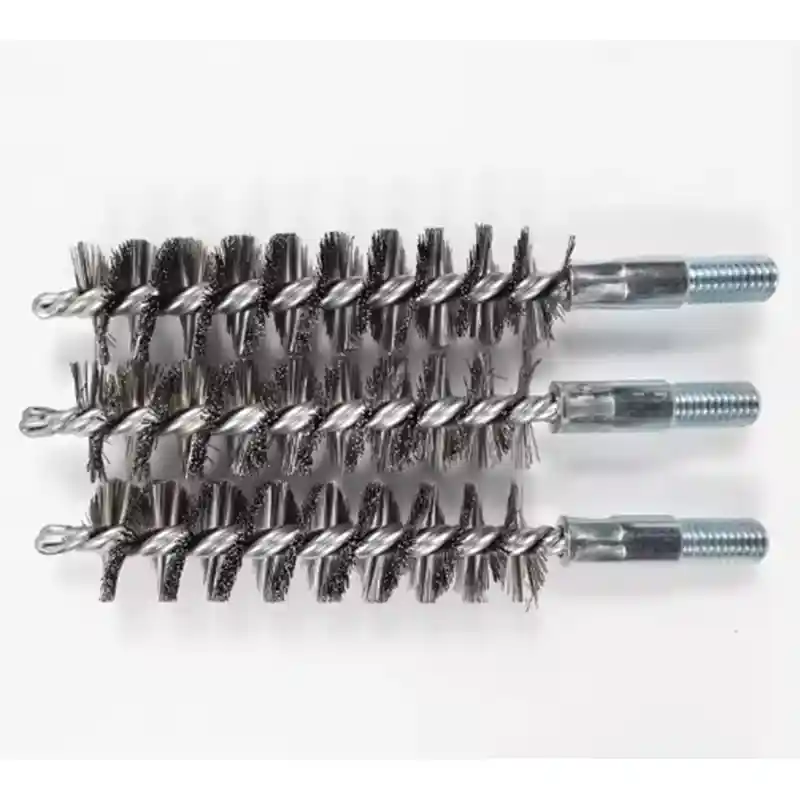
Steel wire road sweeping brush configurations exist for a reason. Some debris doesn’t respond to gentle persuasion. Compacted mud, construction residue, and caked-on industrial grime require aggressive mechanical action.
Metal bristles maintain their shape under pressure. They don’t flatten out after repeated contact with heavy loads. The tradeoff is surface impact. Steel wire will mark softer materials and should be reserved for applications where that’s acceptable.
Situations That Demand Steel Wire
Asphalt repair zones, concrete preparation, and industrial facility perimeters benefit from steel wire brushes. Construction site cleaning often involves materials that would simply push around under PP bristles.
Rust removal and surface preparation for coating applications require the cutting action that only metal provides. These aren’t everyday municipal tasks, but when they come up, having the right industrial brushes makes the job possible rather than frustrating.
Mixed Filament Brushes Split the Difference
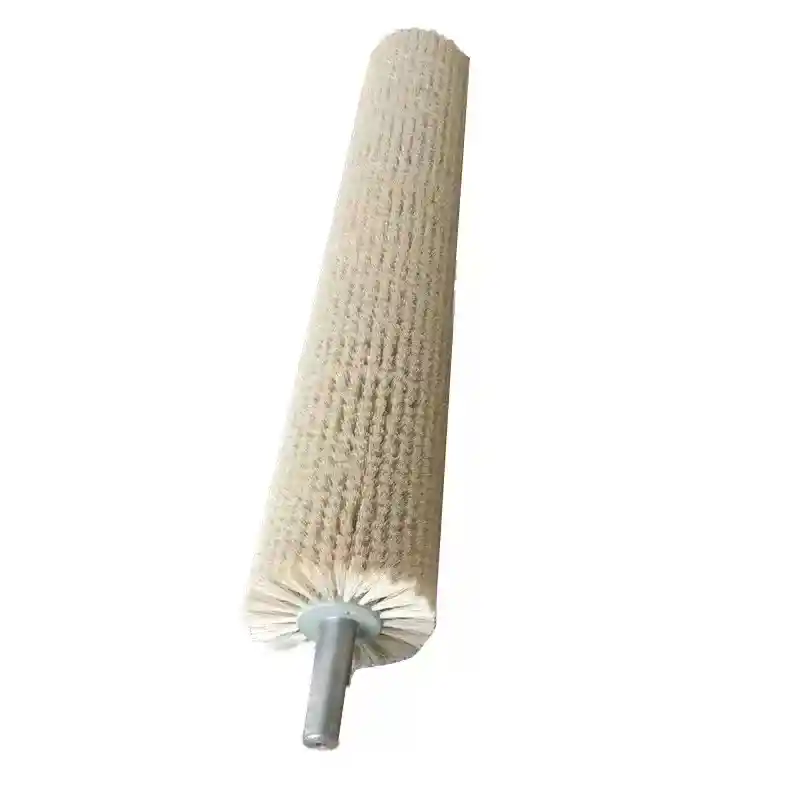
Mixed filament road sweeping brush designs combine materials to handle varied conditions without swapping equipment. A typical configuration pairs polypropylene with steel wire in specific ratios and patterns.
The hybrid approach captures fine dust while still lifting heavier debris. This matters in transitional areas where conditions change within a single route. A parking lot might have light litter near the entrance and compacted dirt near loading docks.
Getting the Ratio Right
The balance between filament types determines the brush’s personality. More steel increases cutting power but also surface impact. More PP improves dust capture but reduces heavy debris performance.
Custom configurations allow operators to match the brush to their specific route conditions. A 70/30 PP-to-steel mix behaves differently than 50/50. The composite brush materials can be arranged in alternating rows, clusters, or gradient patterns depending on the cleaning challenge.
Matching the Brush to the Road Condition
Strategic selection prevents the common mistake of using one brush type for everything. Debris characteristics, surface material, and environmental factors all influence the optimal choice.
PP brushes on heavy industrial sites wear out fast and clean poorly. Steel wire on decorative pavement creates damage that costs more to repair than the sweeping saved. Mixed brushes work in many situations but may not excel at either extreme.
Maintenance practices extend useful life regardless of material. Proper storage, regular inspection, and timely replacement prevent the gradual performance decline that operators sometimes accept as normal.
Selecting the Right Road Sweeping Brush for Specific Conditions
Start with the debris. Light dust and litter point toward PP. Heavy, compacted material points toward steel. Mixed conditions suggest hybrid configurations.
Surface compatibility narrows the options further. Sealed decorative surfaces can’t tolerate aggressive bristles. Raw concrete handles anything. Budget constraints and sweeper model compatibility factor into the final decision.
Performance Differences Between PP, Steel, and Mixed Configurations
PP road sweeping brush options provide chemical resistance and gentle cleaning action. Steel wire delivers maximum cutting power and abrasion resistance. Mixed filament designs offer flexibility across debris types.
Bristle stiffness varies significantly between materials. PP flexes under load. Steel maintains rigidity. Mixed brushes fall somewhere in between, with the exact characteristics depending on the material ratio.
Why Material Selection Affects Everything Downstream
The wrong material creates a cascade of problems. Poor cleaning requires additional passes. Excessive wear increases replacement frequency. Surface damage generates repair costs that dwarf the brush expense.
Correct selection optimizes the entire operation. Fewer passes mean lower fuel and labor costs. Appropriate wear rates make replacement predictable. Protected surfaces avoid expensive repairs.
Extending Brush Life Through Proper Maintenance
Proactive maintenance catches wear before it affects cleaning quality. Regular inspection reveals uneven bristle loss, broken filaments, and mounting issues. These problems worsen over time if ignored.
Usage intensity and surface abrasiveness determine how quickly brushes wear. A road sweeping brush running eight hours daily on rough concrete degrades faster than one used occasionally on smooth asphalt. Tracking these factors allows accurate replacement scheduling.
Storage conditions matter more than many operators realize. UV exposure degrades PP filaments. Moisture promotes corrosion in steel wire. Proper protection between uses extends functional life.
Working With a Brush Supplier That Understands the Application
Shanghai Huixi Trading Co., Ltd. brings 16 years of manufacturing experience to road sweeping brush production. Custom ODM/OEM services accommodate non-standard equipment and unusual requirements. Technical support helps operators match brush specifications to their specific conditions.
Contact us for consultation or sample requests tailored to your operational needs. Email: [email protected] | Phone: +86 1580 0932 713
Common Questions About Road Sweeping Brushes
How Often Should Road Sweeper Brushes Be Replaced?
Replacement timing depends on usage patterns and operating conditions. Brushes running on abrasive surfaces or handling heavy debris wear faster than those in light-duty applications. Visual inspection remains the most reliable indicator. When bristle length decreases noticeably or cleaning quality drops, replacement becomes necessary. Huixi Brush provides guidance based on specific operational data and brush type.
What Environmental Factors Should Influence Brush Selection?
Material recyclability and dust suppression effectiveness both carry environmental weight. Efficient road sweeping brush performance prevents fine particles from becoming airborne and keeps pollutants out of storm drains. Some PP formulations offer better end-of-life options than others. Huixi manufactures with these considerations in mind, offering solutions that balance performance with environmental responsibility.
Can Custom Road Sweeping Brush Solutions Address Unusual Requirements?
Huixi Brush designs and manufactures specialized configurations for non-standard sweepers, unusual debris types, and extreme operating conditions. The ODM/OEM capabilities accommodate specific dimensional requirements, material combinations, and mounting configurations. Custom solutions ensure compatibility and optimal performance where standard options fall short.
If you’re interested, check out these related articles:
what you know about brass wire brush strip
advantage of hx cylindrical nylon brushes
honing brush a magic tool for flexible burr removal
advantage of hx cylindrical sanding brushes