Restaurant odor control is rarely solved by a stronger fragrance. Most restaurants already have kitchen exhaust, air handlers, and cleaning schedules, but the dining room still smells like the last service. The issue is almost always placement and zoning: odor moves from the kitchen toward guest areas, and fragrance systems get installed too late or too light to compete. I’ve walked through enough restaurants to know that the first question should not be which scent to use, but where air actually travels before it reaches a table. This article lays out how to design restaurant odor control around airflow, diffuser placement, and programmable scent intensity so guests notice freshness instead of fryer oil.
Restaurant Odor Control Starts With Airflow Mapping
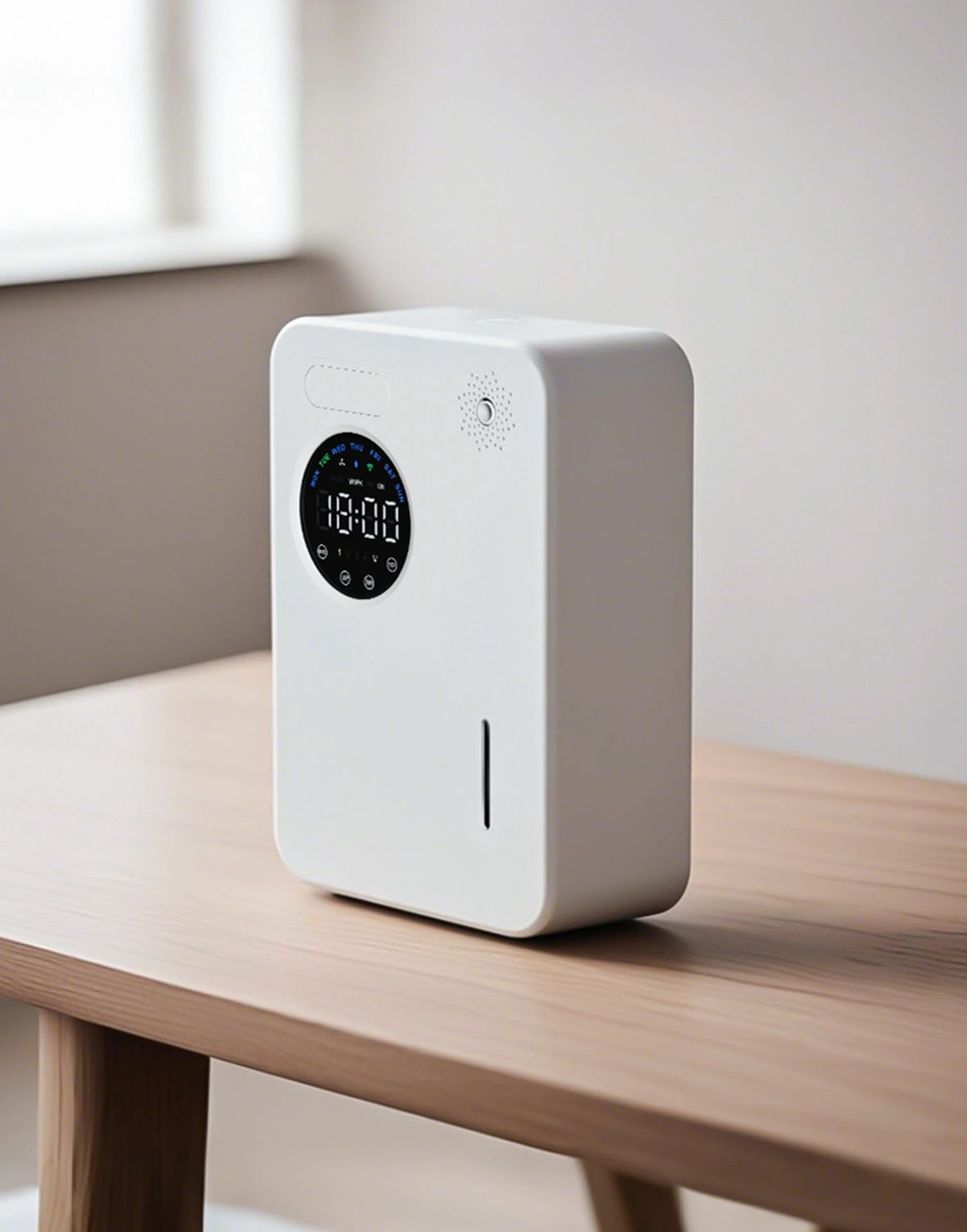
Most restaurant odor problems get misdiagnosed as fragrance problems. They are usually distribution problems. When I walk into a venue, the first thing I look at is how air moves from the kitchen to the dining room. If the pass-through window opens every ninety seconds and the makeup air pulls kitchen fumes toward the host stand, no amount of scent at the bar will correct that. We start by identifying where positive pressure from the kitchen overlaps with the dining room return path. This tells us whether a diffuser should be placed at the point where air enters the guest zone or split across smaller units near the entrance and back wall.
| Restaurant zone | Typical coverage | Recommended diffuser |
|---|---|---|
| Small cafe or private dining room | 300 m³ (1,000 sq ft) | Commercial Scent Oil Diffuser (Bluetooth APP) |
| Full-service dining room | 3,000 m³ (11,000 sq ft) | Hotel Scent Oil Diffuser Tower (Commercial) |
| Large multi-zone restaurant | 8,000 m³ (30,000 sq ft) | Commercial HVAC Scent Diffuser Aroma Dispenser System |
| Wall-mounted HVAC integration | 3,000 m³ (10,000 sq ft) | Wall Mount Aroma Diffuser HVAC System |
Kitchen Odor Control Requires Different Handling Than Dining Room Air
In a commercial kitchen, the priority is source control. Grease, moisture, char, and high heat all carry odor compounds that cling to surfaces and return through HVAC filters. A dining room diffuser cannot fix a poorly maintained exhaust hood. What a scent system can do is keep the guest-facing space from smelling like whatever left the kitchen last. For that, we use a two-layer approach: fryer and griddle odors are best handled by extraction and cleaning, while low-level fragrance diffusion near the dining room entry creates continuity. I’ve learned not to place scent sources too close to kitchen return air, because the oil aerosol competes with the fragrance and shortens how long the scent oil stays legible.
A Commercial Restaurant Odor Control System Should Offer Programmable Coverage
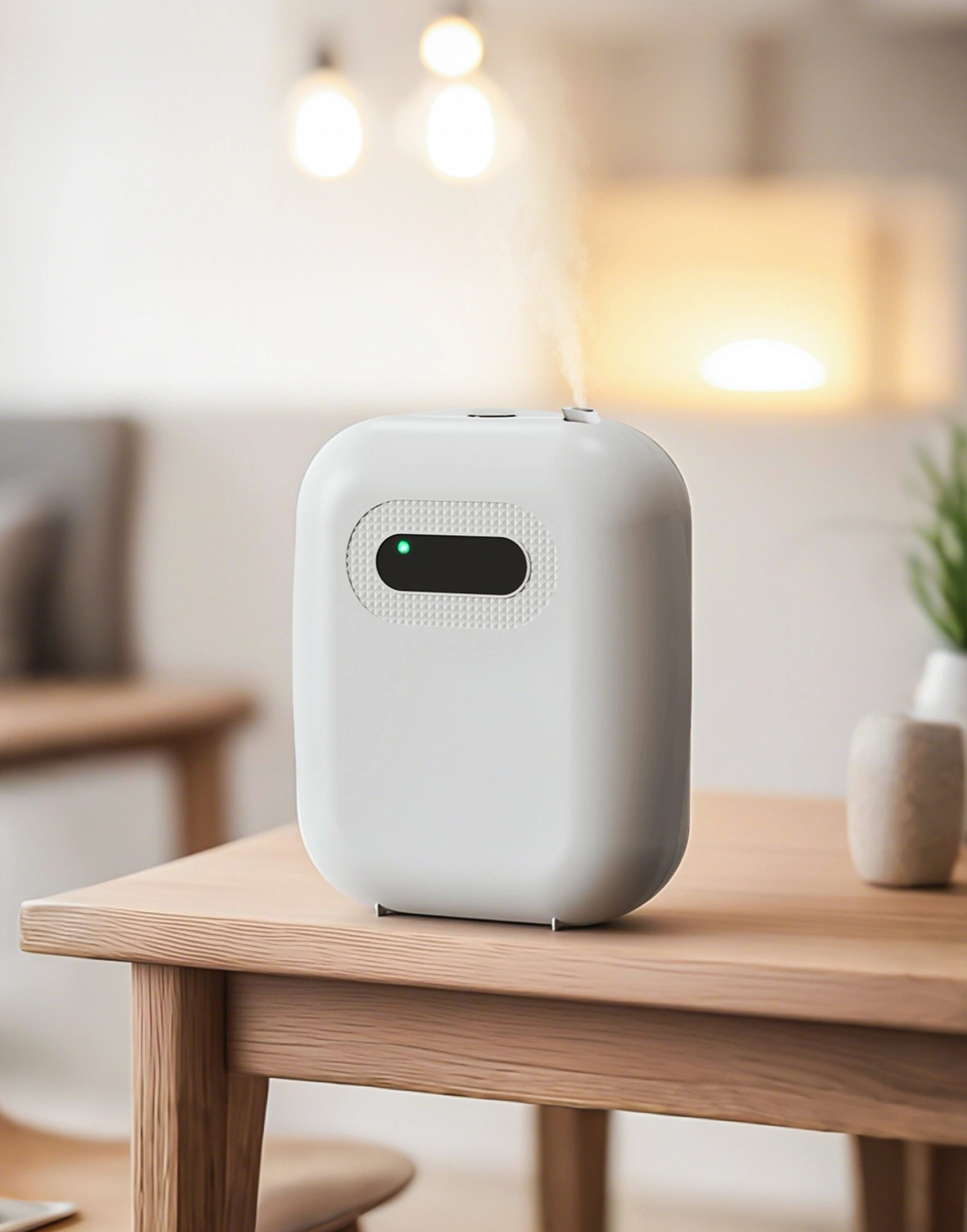
Most restaurants do not need constant scent output. They need a schedule. Before opening, a short burst can set the room. During service, lower intensity works because body heat and kitchen activity already carry more volatility. After the rush, a stronger cycle can reset the space while floors are cleaned. That is why programmable control matters: Bluetooth scheduling lets a restaurant set different output for pre-service, peak, and closing. The Scent-Share Commercial Scent Oil Diffuser with Bluetooth APP covers up to 300 m³ and runs 24/7 with a long-life pump and built-in fan. For larger areas, the HVAC systems with 3,000 to 8,000 m³ coverage can carry scent through existing ductwork, but only if the fragrance oil is matched to the airflow rate. If the pump runs faster than the air can distribute, you get a concentrated burst in one corner and nothing near the windows.
If your restaurant has an attached bar or a long service corridor, it is worth confirming whether the HVAC return path recirculates kitchen air before you finalize diffuser placement. Send your floor plan and ceiling height to [email protected] and we will check which zones need independent scent output.
Diffuser Placement Should Follow Restaurant Zones and Guest Flow
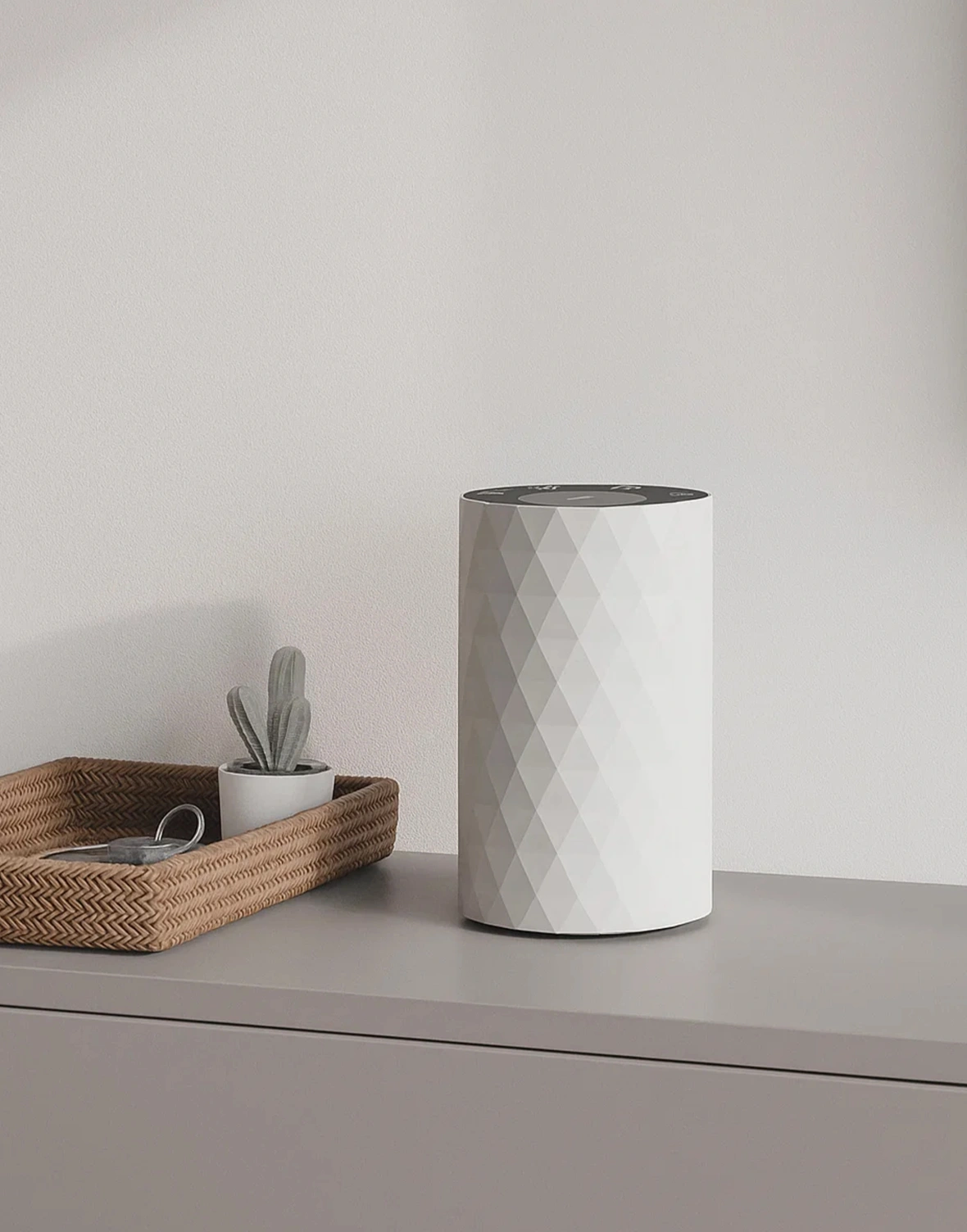
The same scent note behaves differently at the host stand, the bar, and the back booth. Near the entrance, guests experience the first impression in five to ten seconds, so we recommend placing a diffuser where conditioned air enters the room rather than deep in a corner. In long dining rooms, two smaller units can do more than one larger unit, because they compensate for dead spots created by columns, partitions, or low ceilings. For restaurants with an open dessert or coffee station, a separate fruity or warm note can support that zone without disrupting the core scent. I have seen operators choose a strong fragrance for the whole room and then wonder why staff start complaining by the second week. Placement and repetition matter more than raw concentration.
A Practical Next Step for Restaurant Odor Control
If the dining room still smells like the last service after exhaust and cleaning, the problem is usually distribution, not effort. Start with the numbers that decide coverage. If your dining room is under 1,000 square feet, a single commercial scent oil diffuser with Bluetooth control may be enough. If you’re running a full-service restaurant with bar, dining room, and waiting area, you likely need a multi-zone HVAC system and a fragrance oil formulated to stay stable at high output. Describe your space, ceiling height, and the odor you’re trying to control. Send those details to [email protected] or call +86 185 6557 5758 and our team will confirm which diffuser and scent program matches your layout.
Common Questions About Restaurant Odor Control
Will a scent diffuser remove fryer odor?
No. A scent diffuser does not remove grease or moisture from the air; it introduces a controlled fragrance layer that shifts what guests notice. The fryer odor is still present unless the kitchen exhaust is working properly. In a busy kitchen, we start with exhaust and return airflow before adding scent, because fragrance output set too high will smell like perfume over oil rather than a clean dining room. For most full-service restaurants, the better sequence is source control, ventilation check, then scent diffusion near the dining area.
Should I choose a stronger fragrance for a bigger restaurant?
No. Many operators assume stronger fragrance solves a bigger odor. The opposite is usually true. When the air already holds kitchen exhaust, a heavy floral or citrus note can blend into a sharp, artificial smell. We recommend selecting mid-weight, dry scent notes such as white tea, cedar, or mineral citrus, and running them at a level where guests notice the room feels fresh but cannot name the fragrance. This is the difference between ambiance and air freshener.
How is a quick-service restaurant different from fine dining?
It depends on service style. A quick-service restaurant with an open fryer station needs more frequent diffusion cycles and a scent that can compete with oil without becoming sweet. A fine-dining room with table service can use lower output and a more subdued scent because the kitchen is enclosed. In both cases, placement matters more than output: near entrances and guest seating, not directly above the grill.
How long should a restaurant scent system run each day?
In restaurant projects we’ve supported, the most reliable improvement came from pairing a commercial HVAC scent diffuser with a defined duty cycle rather than leaving the system on constant. Running scent during pre-service and after peak periods keeps the dining room consistent while avoiding nose fatigue among staff. If your program runs more than twelve hours a day, ask whether your diffuser includes Bluetooth scheduling and multiple zones. Share your operating hours and layout and we’ll confirm the right cycle.
If you’re interested, check out these related articles: