Working with Wnt-3a in the lab teaches you something about signaling pathways that textbooks don’t quite capture—how much the quality of your reagent determines whether you’re studying biology or just chasing artifacts. Recombinant Human Wnt-3a with an Fc tag has become a go-to tool for researchers investigating cell proliferation, stem cell differentiation, and tissue regeneration precisely because it addresses the practical challenges that make Wnt proteins notoriously difficult to work with.
What Wnt-3a Actually Does in Cells
The Wnt signaling pathway controls some of the most fundamental decisions cells make during development and throughout adult life. Wnt-3a is a secreted glycoprotein that activates the canonical Wnt/β-catenin pathway. When Wnt-3a binds its receptor, β-catenin accumulates in the cytoplasm instead of being degraded. It then moves into the nucleus and switches on genes that drive cell proliferation, stem cell differentiation, and tissue regeneration.
This pathway matters because it’s active in so many contexts. Embryonic patterning depends on it. Adult stem cell populations rely on it. And when Wnt signaling goes wrong, the consequences range from developmental defects to cancer. Researchers need reliable tools to manipulate this pathway in controlled settings, which is where recombinant forms of Wnt-3a come in. The ability to add or withhold Wnt-3a from cell cultures lets you ask precise questions about how this signaling network shapes cell behavior.
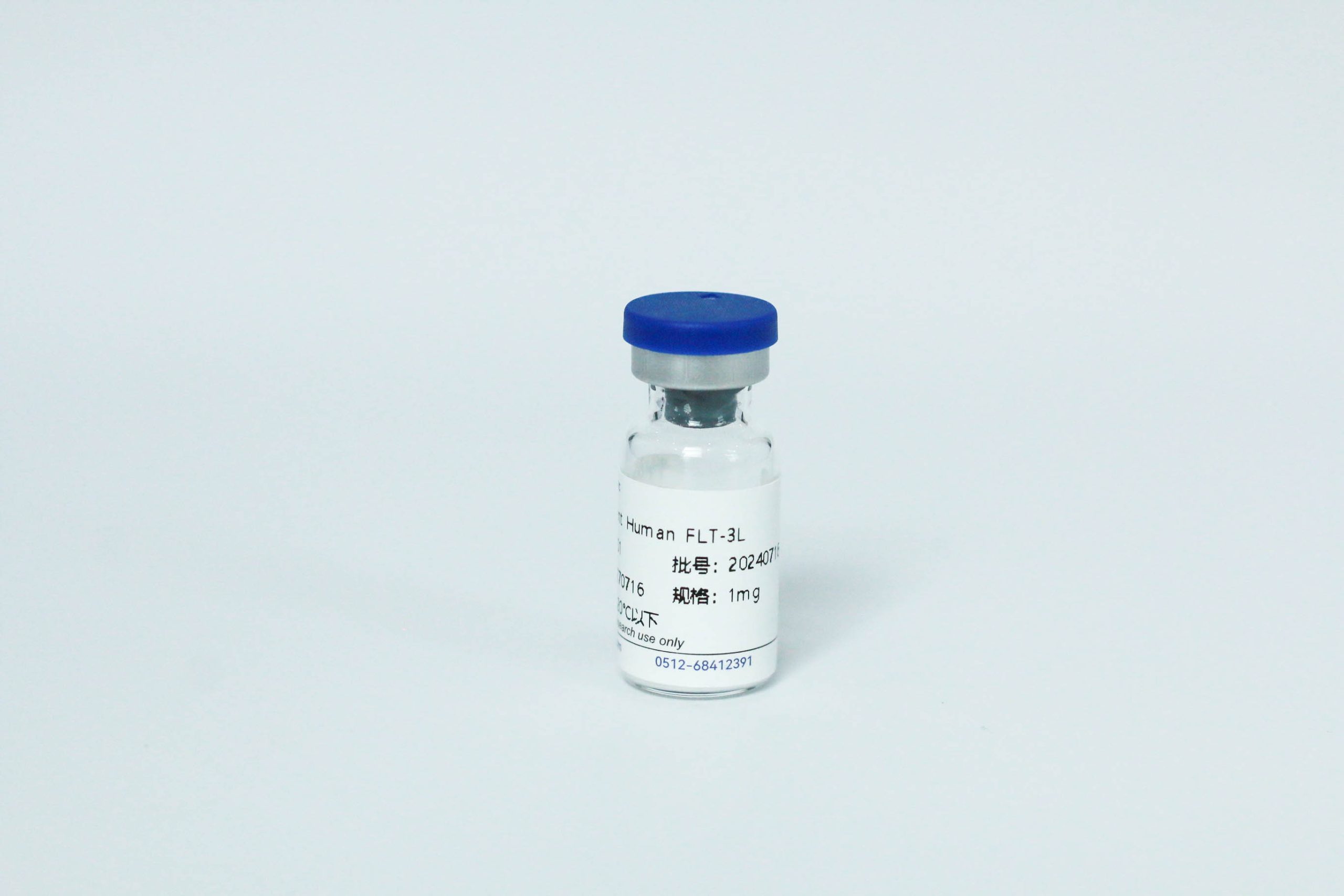
Why the Fc Tag Makes a Practical Difference
Adding an Fc region from human immunoglobulin G to Wnt-3a solves several problems that researchers encounter with native Wnt proteins. The Fc domain provides a stable, globular structure that shields the Wnt-3a portion from proteolytic degradation and reduces the aggregation that plagues many secreted proteins.
Purification becomes straightforward with an Fc tag. Protein A/G affinity chromatography captures Fc-tagged proteins efficiently in a single step, yielding high-purity material with minimal batch-to-batch variation. This consistency matters when you’re running experiments over months or years and need your reagent to behave the same way each time.
The Fc tag also extends the protein’s functional half-life in biological systems. For long-term cell culture experiments or in vivo studies, this extended stability means you can maintain consistent pathway activation without constantly replenishing your protein.
How the Fc Tag Improves Stability and Purification
The Fc region acts as a protective domain that reduces both aggregation and enzymatic degradation of the attached Wnt-3a. Because the Fc tag binds protein A/G resins with high affinity, purification requires only a single chromatography step rather than the multi-step protocols needed for untagged proteins. The tag also improves solubility, which is critical for keeping Wnt-3a bioactive in solution rather than precipitating out.
| Feature | Wnt-3a (Untagged) | Wnt-3a (Fc Tagged) |
|---|---|---|
| Stability | Moderate | High |
| Solubility | Variable | Enhanced |
| Purification | Complex, multi-step | Simplified, affinity-based |
| Bioactivity | High | High (maintained) |
| Half-life | Short | Extended |
Where Researchers Use Recombinant Human Wnt-3a
Stem cell biologists rely heavily on Recombinant Human Wnt-3a (Fc Tag) to control cell fate decisions. The protein maintains pluripotency in induced pluripotent stem cells and embryonic stem cells, preventing them from differentiating spontaneously. When researchers want differentiation, they can use Wnt-3a to push cells toward specific lineages—osteoblasts, neural cells, and other specialized cell types.
Organoid culture has expanded the demand for reliable Wnt-3a. These three-dimensional tissue structures require Wnt signaling to self-organize and grow properly. Without consistent Wnt-3a in the culture medium, organoids fail to develop the complex architecture that makes them useful for disease modeling and drug screening.
Regenerative medicine applications are also emerging. Studies are exploring whether Wnt-3a can stimulate tissue repair and wound healing by activating resident stem cell populations. The protein’s ability to modulate both cell proliferation and differentiation makes it a candidate for developing in vitro models of human physiology and pathology.
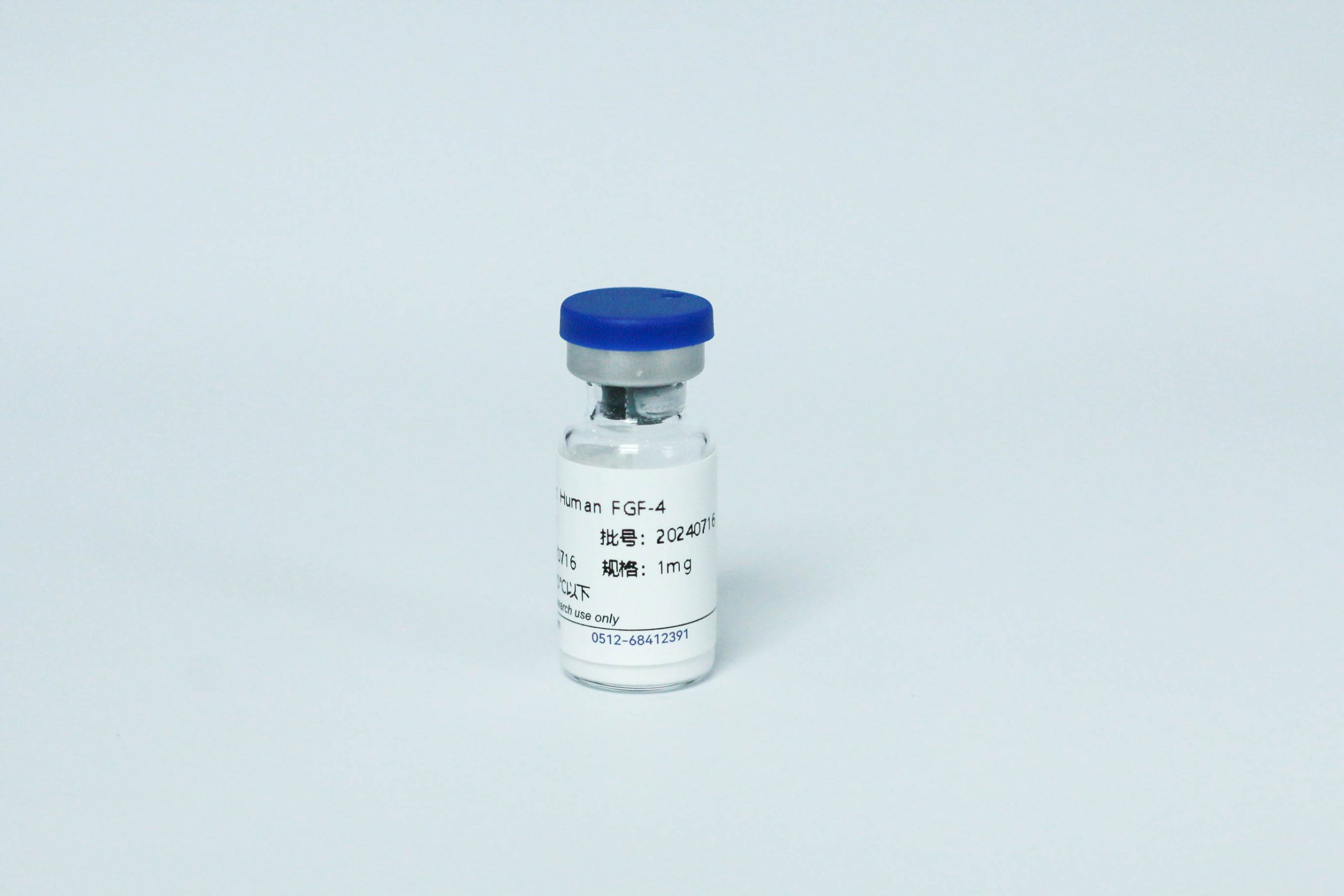
Wnt-3a’s Role in Stem Cell Research
Recombinant Human Wnt-3a (Fc Tag) serves two main functions in stem cell work. First, it maintains pluripotency by keeping stem cells in an undifferentiated state. Second, it guides differentiation when researchers want to generate specific cell types. This dual capability makes it valuable for expanding mesenchymal stem cells and other progenitor populations while retaining control over their eventual fate.
How Quality Control Shapes Research Outcomes
The difference between a successful experiment and a frustrating one often comes down to reagent quality. For Recombinant Human Wnt-3a (Fc Tag), several parameters determine whether the protein will perform reliably.
Purity testing through SDS-PAGE and HPLC confirms that contaminants are minimal. Endotoxin levels must stay below acceptable limits for cell culture applications—even small amounts of bacterial endotoxin can confound results by activating inflammatory pathways. Functional assays using TCF/LEF reporters verify that the protein actually activates the Wnt pathway at expected potencies.
Batch-to-batch consistency matters as much as any single measurement. Researchers running long-term projects need their Wnt-3a to behave the same way whether they’re using a vial from this month or one they’ll order next year.
Quality Parameters for Research-Grade Wnt-3a
High-grade Recombinant Human Wnt-3a requires verification across multiple dimensions. Purity assessments confirm minimal contaminants. Bioactivity assays demonstrate pathway activation. Endotoxin testing ensures safety for sensitive applications. Mass spectrometry confirms protein identity. Stability testing establishes shelf life under recommended storage conditions.
| Parameter | Method | Specification |
|---|---|---|
| Purity | SDS-PAGE, HPLC | ≥95% |
| Bioactivity | TCF/LEF Reporter Assay | Consistent with reference |
| Endotoxin Level | LAL Assay | <1 EU/µg |
| Identity | Mass Spectrometry | Confirmed |
| Stability | Accelerated/Real-time | >12 months at -20°C |
Getting the Most from Your Wnt-3a in the Lab
Handling matters. Lyophilized Recombinant Human Wnt-3a (Fc Tag) should be reconstituted in sterile, neutral buffer containing a carrier protein. Repeated freeze-thaw cycles degrade activity, so aliquoting into single-use portions saves headaches later.
Optimal concentrations vary by cell type and application. Running dose-response experiments early in a project establishes the working range for your specific system. What works for one cell line may not work for another.
Combining Wnt-3a with other growth factors often improves outcomes. FGFs and other GFs can synergize with Wnt signaling to support cell expansion or direct differentiation more effectively than any single factor alone.
What to Look for in a Supplier
Consistency over time separates reliable suppliers from problematic ones. A provider’s quality control standards, transparency about purity and bioactivity data, and technical support responsiveness all affect whether your research progresses smoothly.
For drug discovery and cell therapy development, where reproducibility determines whether findings translate to clinical applications, the choice of supplier has real consequences. Partnering with companies that invest in advanced manufacturing and characterization technologies reduces the risk of reagent-related variability derailing your work.
Partner with East-Mab for Your Research Needs
Partner with Jiangsu East-Mab Biomedical Technology Co., Ltd. for your Recombinant Human Wnt-3a (Fc Tag) needs. As a leading provider of high-quality recombinant protein raw materials, we ensure unparalleled bioactivity, purity, and consistency for your most critical research and development projects. Contact our expert team today to discuss your specific requirements or explore our comprehensive product catalog.
Email: [email protected] | Phone: +86-400-998-0106
Frequently Asked Questions About Recombinant Human Wnt-3a (Fc Tag)
What biological processes does Recombinant Human Wnt-3a regulate?
Recombinant Human Wnt-3a activates the canonical Wnt/β-catenin pathway, which controls embryonic development, cell proliferation, stem cell maintenance, and tissue regeneration. Researchers use the recombinant form to study these processes in controlled experimental settings where they can manipulate pathway activity directly.
What advantages does the Fc tag provide over untagged Wnt-3a?
The Fc tag improves stability, solubility, and functional half-life of Recombinant Human Wnt-3a. It also enables single-step purification using protein A/G affinity chromatography, which produces higher purity material with better batch-to-batch consistency. These practical advantages translate to more reproducible experimental results.
How does East-Mab verify the quality of its Recombinant Human Wnt-3a (Fc Tag)?
Jiangsu East-Mab uses multiple quality control methods including advanced purification techniques, TCF/LEF reporter bioactivity assays, SDS-PAGE, HPLC, and endotoxin testing. Each batch is characterized to confirm purity, activity, and safety specifications before release, ensuring the protein performs reliably in sensitive research applications.