
Recombinant Human Neurotrophin-3 sits at an interesting intersection in neuroscience research. The protein does real work in neuronal survival and differentiation, and the quality of what you put into your experiments matters more than most researchers initially expect. We produce rhNT-3 using advanced biotechnological platforms, and the goal is straightforward: deliver a product that actually performs when the science gets demanding.
What Makes Recombinant Human NT-3 Matter Biologically
Neurotrophin-3 belongs to the nerve growth factor family of neurotrophic factors. It keeps specific neuronal populations alive and growing, particularly proprioceptive and mechanoreceptive neurons. The protein works by binding to and activating the TrkC receptor, a receptor tyrosine kinase. Once that binding happens, you get a cascade of intracellular neurotrophin signaling through pathways like MAPK/ERK, PI3K/Akt, and PLCγ. These pathways control gene expression, protein synthesis, and cytoskeletal rearrangements. The end result shapes neuronal fate and function.
NT-3 does not stop being relevant after development. In adult nervous systems, it contributes to synaptic plasticity and maintains neuronal circuits. When NT-3 levels or signaling go wrong, neurological disorders often follow. Recombinant human NT-3 gives researchers precise control over NT-3-mediated effects in both in vitro and in vivo models. That precision matters when you are trying to understand neuronal development or test potential therapeutic interventions.
Where Recombinant Human NT-3 Research Stands Now
Recombinant human NT-3 shows up in research on conditions where neurons die or fail to regenerate. Studies are examining its potential in neurodegenerative diseases like Alzheimer’s and Parkinson’s. The question is whether rhNT-3 can protect existing neurons and encourage new growth.
Spinal cord injury repair represents another active research area. Animal models have shown rhNT-3 promoting axonal regeneration across lesion sites and improving functional recovery. Researchers are studying how it guides regenerating axons and creates a more permissive environment for repair. Peripheral neuropathy treatment is also under investigation. Data suggest rhNT-3 can enhance nerve regeneration and reduce neuropathic pain. The breadth of these applications reflects how many problems involve neurons that need help surviving or regrowing.
| Research Area | Primary Focus | Expected Outcome |
|---|---|---|
| Neurodegenerative Diseases | Neuronal protection and regeneration | Slowed progression, functional improvement |
| Spinal Cord Injury | Axonal regrowth, functional recovery | Enhanced motor/sensory function |
| Peripheral Neuropathy | Nerve regeneration, pain alleviation | Reduced symptoms, improved nerve conduction |
| Auditory/Vestibular Damage | Hair cell survival, functional restoration | Improved hearing/balance |
| Depression | Neurogenesis, synaptic plasticity | Mood stabilization, cognitive enhancement |
What Determines Recombinant Human NT-3 Quality
The difference between rhNT-3 that works and rhNT-3 that creates problems comes down to a few measurable attributes. Purity matters because host cell proteins, endotoxins, and other contaminants confound experimental results or cause adverse reactions in vivo. Rigorous purification gets purity levels above 95%, verified by SDS-PAGE and HPLC.
Bioactivity is the other half of the equation. The protein needs to demonstrate potent and specific activity in relevant biological assays. That means promoting survival and differentiation of TrkC-expressing neuronal cells. Testing confirms the ability to induce neurite outgrowth or support cell proliferation in sensitive cell lines. Stability rounds out the picture. The protein must maintain structural integrity and biological activity under defined storage conditions. Researchers need a product that performs consistently over time, not one that degrades before the experiment finishes. These attributes together determine whether studies using rhNT-3 produce reproducible and valid results.
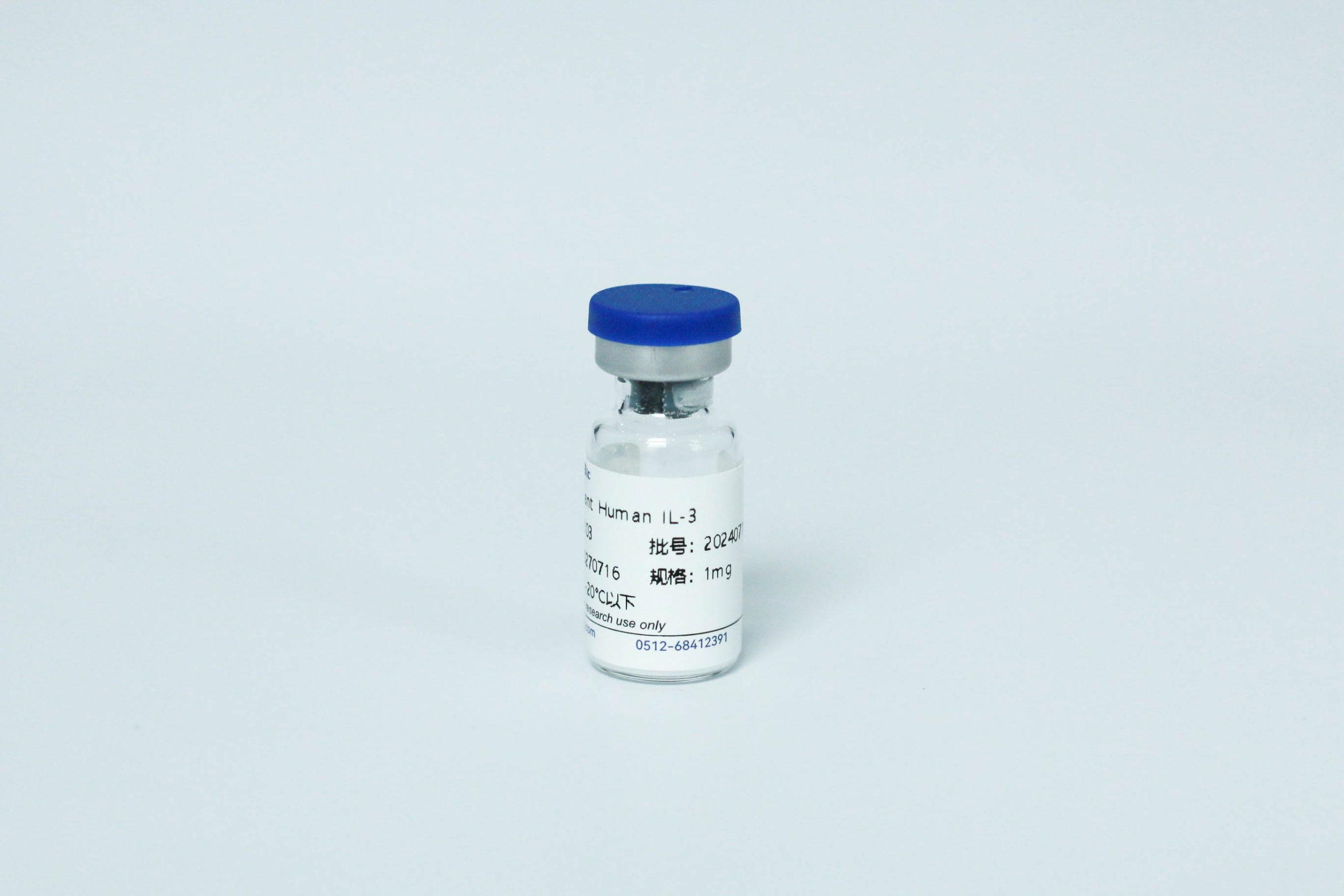
How to Produce Recombinant Human NT-3 Effectively
High-yield rhNT-3 production requires attention at multiple stages. The choice of protein expression systems sets the foundation. E. coli systems produce high yields, but mammalian systems like CHO cells handle complex proteins requiring specific post-translational modifications. Advanced mammalian cell culture ensures proper folding and glycosylation, both of which affect rhNT-3 biological activity.
Production workflows incorporate protein purification techniques including affinity chromatography, ion-exchange chromatography, and size-exclusion chromatography. Optimization of these methods achieves the high purity and low endotoxin levels that sensitive biological assays and clinical applications require. Bioreactor optimization maximizes protein yield and consistency through precise control of pH, temperature, dissolved oxygen, and nutrient supply. These parameters determine cell growth and protein expression. Getting them right means a consistent supply of high-quality rhNT-3.
Using Recombinant Human NT-3 in Cell Culture and Regenerative Medicine
Recombinant human NT-3 appears routinely in neuronal cell culture to support survival, growth, and differentiation of primary neurons and neuronal cell lines. It works particularly well for culturing proprioceptive and mechanoreceptive neurons, enabling detailed studies of their development and function. Researchers also use rhNT-3 in developing organoid models like brain organoids and spinal cord organoids. These systems mimic in vivo neural environments more accurately and allow investigation of neurodevelopmental disorders.
Regenerative medicine applications extend beyond in vitro models. The protein’s ability to promote nerve regeneration makes it a candidate for repairing damaged neural tissues. Applications include promoting axonal regrowth after spinal cord injury and enhancing nerve repair in peripheral neuropathies. rhNT-3 also supports survival and integration of transplanted neural stem cells, improving outcomes in cell-based therapies. These applications span fundamental neuroscience and translational medicine.
| Cell Culture System | Primary Application | Typical rhNT-3 Concentration |
|---|---|---|
| Primary Neuronal Cultures | Survival, differentiation, neurite outgrowth | 10-100 ng/mL |
| Neural Stem Cell Culture | Proliferation, directed differentiation | 5-50 ng/mL |
| Organoid Development | Neural tissue patterning, maturation | 20-200 ng/mL |
| Peripheral Nerve Repair | Axonal regeneration, remyelination | 50-500 ng/mL |
Where Recombinant NT-3 Is Heading
Recombinant NT-3 will likely find new applications in precision medicine, particularly personalized therapies for neurological disorders. The biopharmaceutical market for neurotrophic factors is growing as understanding of therapeutic potential improves and delivery systems advance. That growth creates demand for innovation in production methods.
Protein engineering and expression system advances should produce more stable, potent, and cost-effective rhNT-3 variants. Specialized recombinant protein suppliers will become more important in providing research-grade and GMP-compliant rhNT-3 to support these developments. Neurotrophic factor therapeutics including rhNT-3 may become standard treatments for a wider range of neurological conditions. Ongoing R&D investment keeps production capabilities aligned with where the science is going.
Partner with East-Mab Bio for Premium Recombinant Human NT-3 Solutions
Jiangsu East-Mab Biomedical Technology Co., Ltd. is your trusted partner for high-quality recombinant protein raw materials. With over $30 million invested in world-class research and production platforms, we deliver unparalleled purity and activity for your most demanding applications. Elevate your research and development with East-Mab Bio’s expertly produced Recombinant Human NT-3. Contact us today to discuss your specific needs and discover how our commitment to excellence can accelerate your scientific breakthroughs. Call +86-400-998-0106 or email [email protected].
Frequently Asked Questions About Recombinant Human NT-3
What are the key functions of Recombinant Human NT-3 in neurological research?
Recombinant Human NT-3 (Neurotrophin-3) is critical for the development, maintenance, and survival of various neuronal populations. It plays a vital role in neurogenesis, neuronal differentiation, and synaptic plasticity, making it an essential tool in neurological research for studying nerve regeneration and neurodegenerative conditions.
How does the quality of recombinant NT-3 impact experimental outcomes?
The quality of recombinant NT-3, including its purity, bioactivity, and batch-to-batch consistency, directly influences experimental reproducibility and reliability. High-quality recombinant NT-3 ensures accurate results in cell culture applications, in vivo studies, and therapeutic development, preventing confounding variables caused by impurities or low activity.
What are the primary applications of NT-3 in regenerative medicine?
Recombinant Human NT-3 holds significant promise in regenerative medicine, particularly for repairing damaged neural tissues. Its applications include promoting nerve regeneration after injury, supporting the survival and integration of transplanted neural stem cells, and investigating potential treatments for neurodegenerative diseases and spinal cord injuries.
