Recombinant human IL-1β sits at the center of how we understand inflammation. This cytokine drives immune responses that protect us from pathogens, but when dysregulated, it fuels chronic disease. Working with rhIL-1β in the lab reveals just how precisely the immune system calibrates its inflammatory machinery. The protein’s ability to trigger downstream signaling cascades makes it indispensable for studying everything from basic immunology to therapeutic development. What follows covers the biology, production methods, applications, and quality benchmarks that determine whether rhIL-1β performs reliably in demanding research settings.
How Recombinant Human IL-1β Functions in Immune Signaling
Recombinant human IL-1β mediates inflammation through a well-characterized signaling pathway. Activated macrophages, monocytes, and dendritic cells produce this cytokine as part of the innate immune response. The protein binds to IL-1 receptor type 1 (IL-1R1) on target cells, initiating intracellular signal transduction that involves MyD88, IRAK, and TRAF6 proteins. This cascade culminates in nuclear translocation of NF-κB and AP-1 transcription factors, which then drive expression of pro-inflammatory genes including other cytokines, chemokines, and adhesion molecules.
The inflammasome connection adds another layer of complexity. IL-1β activation requires processing by caspase-1 within the inflammasome complex, linking this cytokine to pyroptosis, a highly inflammatory form of programmed cell death. This mechanism explains why IL-1β plays such a central role in innate immunity and why targeting this pathway has become a focus for treating inflammatory diseases.
Manufacturing High-Purity Recombinant Human IL-1β
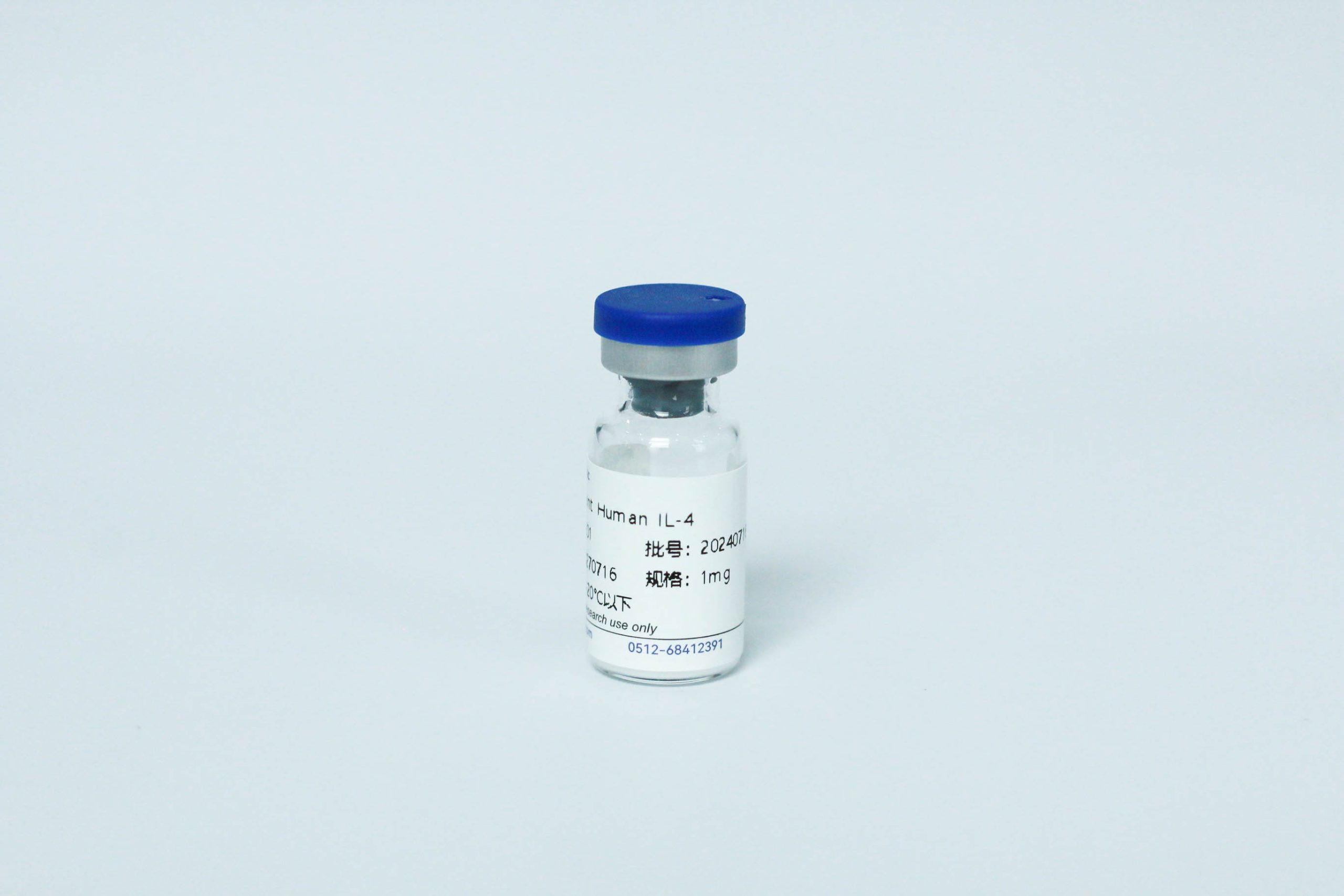
Producing recombinant human IL-1β that performs consistently requires control at every manufacturing step. The human IL-1β gene is typically expressed in E. coli, a system that balances yield with cost-effectiveness. Purification follows through multiple chromatography stages: affinity chromatography captures the target protein, ion-exchange chromatography removes charged contaminants, and size-exclusion chromatography separates by molecular weight.
Endotoxin contamination presents a particular challenge with bacterial expression systems. Even trace amounts can confound results in sensitive biological assays by triggering inflammatory responses independent of the recombinant protein itself. Our rhIL-1β maintains endotoxin levels at ≤100 EU/mg, a threshold suitable for most research applications. Protein characterization through mass spectrometry and other analytical methods confirms identity and purity before release. This level of biopharmaceutical manufacturing rigor ensures batch-to-batch consistency that researchers depend on.
Research and Industrial Uses of Recombinant Human IL-1β
Recombinant human IL-1β serves distinct purposes across research and commercial applications. In cell culture, it stimulates specific responses including proliferation, differentiation, and cytokine production. Cell therapy development relies on this capability to modulate immune cell behavior under controlled conditions.
The protein also functions as a critical component in in vitro diagnostic development. IVD kits designed to measure inflammatory markers require calibrators and controls with known activity levels. Recombinant human IL-1β provides this reference standard. Disease modeling represents another major application area, where researchers use rhIL-1β to replicate inflammatory conditions and screen potential therapeutic compounds. Organoid research has expanded these applications further, enabling scientists to simulate physiological inflammatory environments in three-dimensional tissue models.
| Application Area | Purpose of rhIL-1β | Key Benefits |
|---|---|---|
| Cell Culture | Inducing cell proliferation, differentiation, or activation | Enhanced cell growth, controlled experimental conditions |
| IVD Diagnostics | Calibrator or control in inflammatory marker assays | Accurate and reliable diagnostic results |
| Disease Modeling | Replicating inflammatory conditions in vitro | Understanding disease mechanisms, drug screening |
| Cell Therapy Development | Modulating immune cell function | Optimizing therapeutic cell populations |
| Organoid Research | Simulating physiological inflammatory environments | Advanced tissue engineering, drug testing |
Article Recommendation: If you are interested in exploring other immune modulators, consider reading our article on Recombinant Human 4-1BBL: Unlocking Immune Co-stimulation for Advanced Therapies.
Quality Standards That Determine Recombinant Human IL-1β Performance
Research outcomes depend directly on recombinant protein quality. Testing protocols for recombinant human IL-1β address purity, identity, and functional activity. SDS-PAGE and mass spectrometry verify that the protein is free from contaminants and matches the expected molecular characteristics.
Bioactivity testing provides the most meaningful quality measure. Our recombinant human IL-1β induces NF-κB reporter activity in MCF-7 cells with an ED₅₀ ≤10 pg/mL. This potency confirms that the protein retains its biological function through purification and storage. Stability testing under various temperature and storage conditions ensures the product maintains this activity over time. For long-term research projects, this consistency matters as much as initial quality.
Emerging Directions in IL-1β Research
IL-1β research continues to reveal connections between this cytokine and conditions beyond acute inflammation. Chronic inflammatory diseases, autoimmune disorders, and neuroinflammation all involve IL-1β signaling to varying degrees. Drug discovery efforts increasingly target this pathway, with precision medicine approaches aimed at modulating IL-1β activity in specific patient populations.
Combination therapies that include IL-1β antagonists or agonists represent one promising direction. The complexity of inflammatory networks means single-target approaches often fall short. Understanding how IL-1β interacts with other cytokines and immune mediators opens possibilities for more effective treatment strategies. High-quality recombinant proteins remain foundational to this work, enabling the mechanistic studies that inform therapeutic development.
East-Mab Capabilities in Recombinant Human IL-1β Production
Jiangsu East-Mab Biomedical Technology Co., Ltd. has invested over $30 million in research, validation, and production infrastructure dedicated to recombinant protein manufacturing. This platform supports production of high-purity recombinant human IL-1β for cell culture media and IVD diagnostics applications. Quality assurance protocols and technical support address the requirements of demanding research programs.
Our recombinant proteins serve applications across cell therapy, organoids, cosmetics, and cultivated meat development. This range reflects the expanding uses for well-characterized cytokines and growth factors in both research and commercial settings.
Partner with East-Mab for Your Research Needs
Accelerate your scientific discoveries by partnering with Jiangsu East-Mab Biomedical Technology Co., Ltd. for your recombinant human IL-1β requirements. Our world-class platform and stringent quality control ensure superior raw materials for your critical research and development. Contact us today to discuss your project requirements and discover how our expertise can accelerate your scientific breakthroughs. You can reach us at +86-400-998-0106 or via email at [email protected].
Frequently Asked Questions About Recombinant Human IL-1β
What distinguishes high-quality recombinant human IL-1β from lower-grade products?
The difference shows up in bioactivity assays and endotoxin levels. High-quality recombinant human IL-1β demonstrates consistent potency, typically with ED₅₀ values in the low picogram per milliliter range for NF-κB induction. Endotoxin contamination below 100 EU/mg prevents interference with sensitive cellular assays. Batch-to-batch consistency, verified through protein characterization and stability testing, separates reliable suppliers from those producing variable products.
How does recombinant human IL-1β contribute to cell therapy development?
Recombinant human IL-1β modulates immune cell behavior during ex vivo expansion and conditioning. Researchers use it to activate specific cell populations, induce differentiation programs, or prime cells for particular functions before therapeutic administration. The cytokine’s role in inflammatory signaling makes it relevant for developing therapies that target immune-mediated diseases or require controlled immune activation.
What storage conditions maintain recombinant human IL-1β activity?
Lyophilized recombinant human IL-1β typically remains stable at -20°C to -80°C for extended periods. After reconstitution, the protein should be aliquoted to avoid repeated freeze-thaw cycles, which degrade activity. Working stocks stored at 4°C remain active for shorter periods, usually one to two weeks depending on formulation. Carrier proteins like BSA can improve stability in dilute solutions. Specific storage recommendations vary by manufacturer, so consulting product documentation ensures optimal handling.