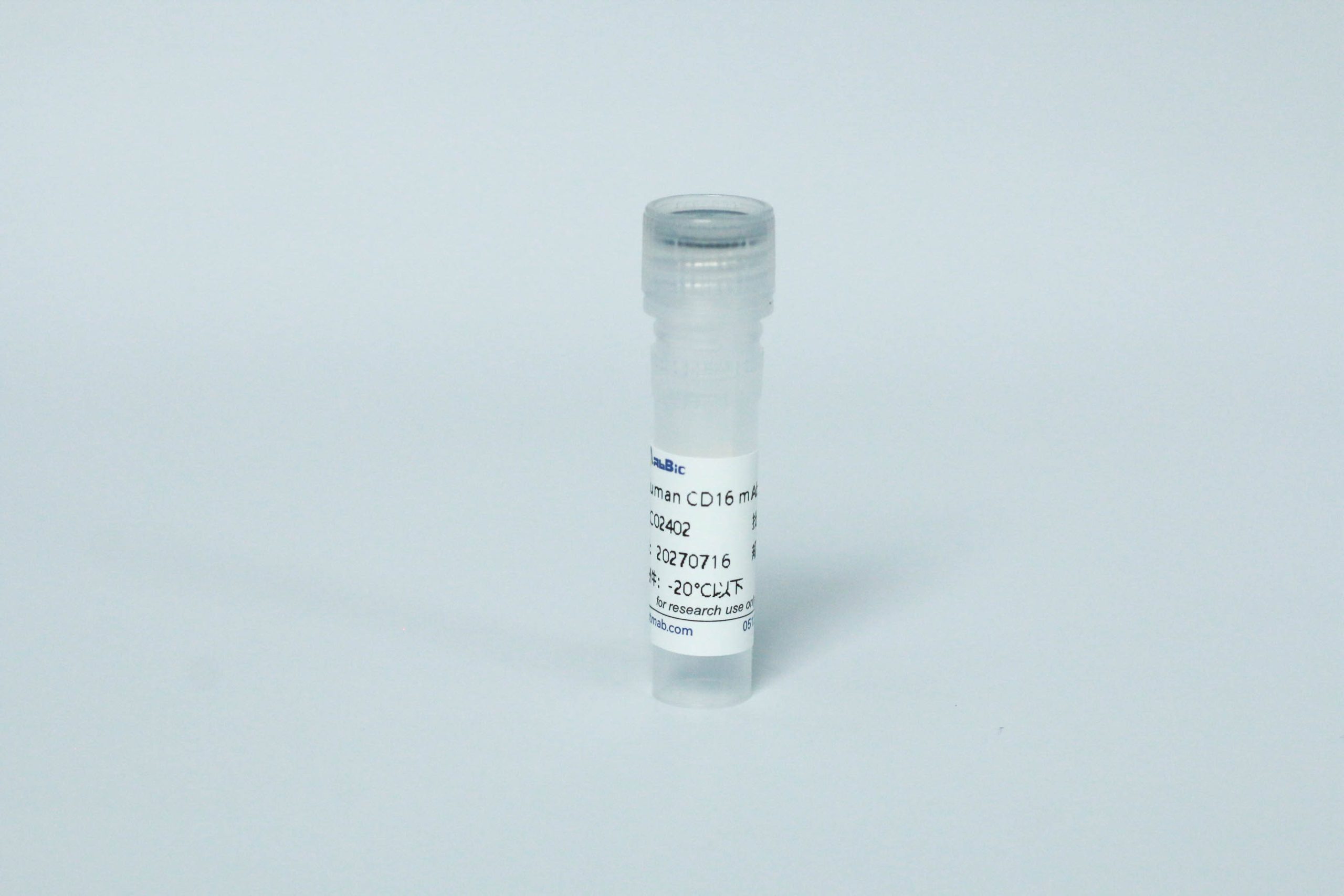
Working with recombinant human anti-human CD16 monoclonal antibodies has taught me that precision at the molecular level translates directly into clarity at the experimental level. These engineered antibodies target Fc gamma receptor III with a specificity that makes them genuinely useful for dissecting NK cell behavior and ADCC pathways. The consistency you get from a well-produced recombinant anti-CD16 mAb removes a variable that used to plague functional assays, and that reliability matters when you’re trying to understand something as complex as immune effector mechanisms.
What Makes Recombinant Anti-CD16 Monoclonal Antibodies Different
Recombinant anti-CD16 monoclonal antibodies represent a meaningful step forward in how we study and manipulate immune responses. These antibodies bind specifically to CD16, the Fc gamma receptor III found on NK cells, macrophages, and neutrophils. The engineering behind their production matters because it determines whether you get consistent results across experiments or spend weeks troubleshooting batch variation.
The production process relies on recombinant protein expression systems that can be scaled and controlled. This approach yields antibodies with defined characteristics rather than the heterogeneous mixtures that older production methods sometimes produced. When you’re working with immune cell surface markers, that consistency becomes the foundation for reproducible science.
CD16 and Its Central Role in Immune Function
CD16 functions as a low-affinity receptor for immunoglobulin G, and its position in the immune system makes it a natural focal point for both research and therapeutic development. The receptor exists in two main forms: FcγRIIIa on NK cells and macrophages, and FcγRIIIb on neutrophils. These isoforms differ in their membrane anchoring and signaling properties, which affects how they respond to antibody-coated targets.
The receptor’s job is essentially to connect the specificity of antibodies with the killing power of innate immune cells. When an antibody binds to a pathogen or tumor cell, its Fc region becomes available for CD16 recognition. This bridge between adaptive and innate immunity is why CD16 has become such an important target for therapeutic antibody development.
How Anti-CD16 Monoclonal Antibodies Drive ADCC
Antibody-Dependent Cellular Cytotoxicity represents one of the primary mechanisms through which therapeutic antibodies eliminate target cells. The process depends on CD16 recognizing the Fc portion of antibodies that have already bound to their targets. Anti-CD16 monoclonal antibodies let researchers probe this mechanism with precision, either by blocking the interaction or by activating NK cells directly.
The Molecular Sequence of ADCC Activation
When a therapeutic antibody coats a tumor cell, NK cells patrol the area with CD16 receptors scanning for accessible Fc regions. Recognition triggers a signaling cascade inside the NK cell that leads to degranulation. The released granules contain perforin, which punches holes in the target cell membrane, and granzymes, which enter through those holes and activate apoptotic pathways.
This cytotoxic activity depends heavily on the affinity between CD16 and the therapeutic antibody’s Fc region. Receptor binding assays using recombinant anti-CD16 mAb help characterize these interactions and predict which antibody variants will perform best in clinical settings. The relationship between Fc engineering and ADCC potency has driven much of the recent progress in cancer immunotherapy.
Research and Diagnostic Applications
The utility of recombinant anti-CD16 antibodies extends across multiple domains. In basic research, they enable immune phenotyping through flow cytometry, allowing precise identification of CD16-positive populations. Functional assays that measure NK cell activation or ADCC capacity rely on these reagents to either detect or manipulate CD16 signaling.
For diagnostic development, the specificity and batch consistency of recombinant anti-CD16 mAb make it suitable as a raw material for in vitro diagnostic assays. These applications require reagents that perform identically across manufacturing lots, which is where the advantages of recombinant production become most apparent.
Specific Research Uses for Recombinant Human Anti-Human CD16 mAb
Researchers use recombinant human anti-human CD16 mAb primarily for identifying and counting CD16-expressing cells in mixed populations. Flow cytometry panels that include CD16 can distinguish NK cell subsets and track their expansion or depletion during disease or treatment. The antibody also serves as a tool for antibody screening, helping identify therapeutic candidates with optimal Fc-receptor engagement.
Cell therapy research has increasingly incorporated CD16 analysis as investigators work to understand how engineered immune cells interact with their targets. The receptor’s role in mediating cytotoxicity makes it relevant for evaluating both CAR-T and CAR-NK cell products.
| Application Area | Key Use Cases | Relevant Techniques |
|---|---|---|
| Immune Phenotyping | NK cell subset identification, macrophage characterization | Flow cytometry, immunohistochemistry |
| Functional Assays | ADCC measurement, NK cell activation studies | Cytotoxicity assays, degranulation assays |
| Therapeutic Development | Fc optimization, bispecific antibody evaluation | Receptor binding assays, cell-based screening |
| Diagnostic Development | IVD raw material, quality control reagent | Immunoassay development, lot release testing |
Manufacturing Standards That Matter
Producing recombinant anti-CD16 monoclonal antibodies for biopharmaceutical applications requires attention to details that might seem excessive until you’ve experienced the consequences of cutting corners. Purity affects background signal. Endotoxin contamination can activate cells in ways that confound your results. Batch variation introduces uncertainty that propagates through every experiment that uses the reagent.
At Jiangsu East-Mab Biomedical Technology Co., Ltd., the production platform addresses these concerns through optimized cell culture conditions and rigorous protein purification protocols. Bioreactor technology allows controlled expression, while downstream processing removes contaminants that would compromise performance in sensitive applications.
Sourcing Considerations for Therapeutic Development
When recombinant anti-CD16 antibodies are destined for therapeutic development work, the quality requirements become even more stringent. High purity antibodies with documented low endotoxin levels form the baseline expectation. Beyond that, batch-to-batch consistency needs verification through functional testing, not just analytical characterization.
Regulatory considerations also come into play. Reagents used in GMP manufacturing or clinical-grade production need documentation that traces back to qualified raw materials. These requirements exist because variability in starting materials creates variability in final products, and that variability can affect patient safety.
Where CD16 Research Is Heading
The therapeutic potential of CD16 continues to attract attention from multiple directions. Cancer immunotherapy remains the most active area, with ongoing efforts to engineer antibodies with enhanced CD16 binding. Bispecific antibodies that simultaneously engage tumor antigens and CD16 represent one promising approach, essentially creating a bridge that brings NK cells into direct contact with cancer cells.
CAR-NK cell development has emerged as another frontier where CD16 biology matters. These engineered cells can be designed to retain or enhance their natural CD16-mediated functions while adding chimeric antigen receptor specificity. The combination potentially offers multiple mechanisms for tumor recognition and killing.
Research into autoimmune diseases has also begun exploring CD16-targeting strategies. The goal there is typically to modulate rather than maximize immune responses, using CD16 engagement to shift the balance between inflammatory and regulatory pathways.
Working with East-Mab Bio
Jiangsu East-Mab Biomedical Technology Co., Ltd. provides recombinant protein raw materials for research and diagnostic applications. The production platform supports IVD development, cell culture supplementation, and cell therapy research with reagents that meet the quality standards these applications demand.
For researchers working with recombinant human anti-human CD16 mAb or related reagents, technical consultation is available to help match product specifications to application requirements. Contact the team at +86-400-998-0106 or [email protected] to discuss your specific needs.
Frequently Asked Questions
What does recombinant human anti-human CD16 mAb actually detect in immunological assays?
The antibody binds to CD16 on the surface of NK cells, macrophages, and neutrophils, allowing detection and quantification of these populations. In ADCC studies, it can serve as either a blocking reagent to inhibit CD16-mediated killing or, depending on the clone characteristics, as an activating stimulus. The high specificity ensures that signals come from genuine CD16 expression rather than cross-reactivity with related receptors.
How does East-Mab Bio maintain consistency across production lots?
The production process includes comprehensive characterization at multiple stages, from cell bank qualification through final product release. Each batch undergoes purity assessment, activity testing, and endotoxin measurement against established specifications. This systematic approach catches variation before it reaches customers and ensures that reagents perform equivalently regardless of when they were manufactured.
Can the same recombinant anti-CD16 mAb work for both research and IVD diagnostic development?
The same product can serve both purposes when it meets the quality standards required for diagnostic applications. Research use typically has more flexibility, while IVD development demands documented consistency and traceability. East-Mab Bio’s recombinant anti-CD16 mAb is produced to standards that support both applications, though specific regulatory requirements may dictate additional documentation for diagnostic use.