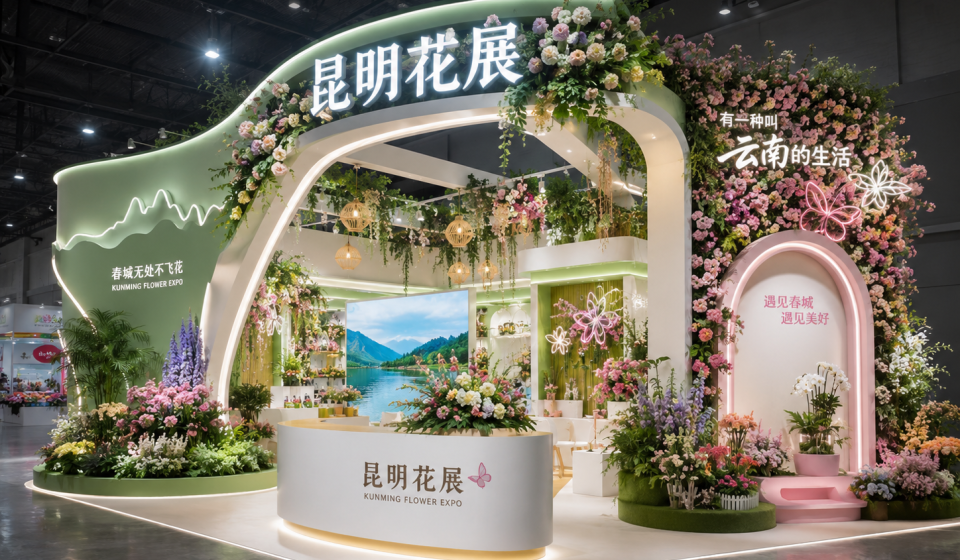

A successful flower sourcing trip to IFEX Kunming starts with structured planning: treat it as a procurement mission, not a casual visit. In my years coordinating international buyer delegations, I have seen firsthand that the most effective attendees set clear daily targets—matching their budgets to supplier categories, allocating time across the 50,000-square-meter venue, and systematically evaluating samples. Without a concrete plan, many buyers miss high-potential suppliers or leave with unverified contacts. This article shows how to plan your flower sourcing trip with a practical framework for budgeting, scheduling, and supplier targeting.
Set Clear Supplier Targets Before You Travel
Before booking flights, define exactly what you need: fresh-cut varieties (roses, carnations, lilies, chrysanthemums), potted plants (orchids, succulents), propagation material (seeds, bulbs, seedlings), or horticulture equipment. I always recommend downloading IFEX’s online exhibitor list at least three weeks ahead and pre-selecting 15–20 priority stands. Buyers who arrive with a marked floor plan and appointment requests already sent secure meetings with popular growers before the hall fills up.
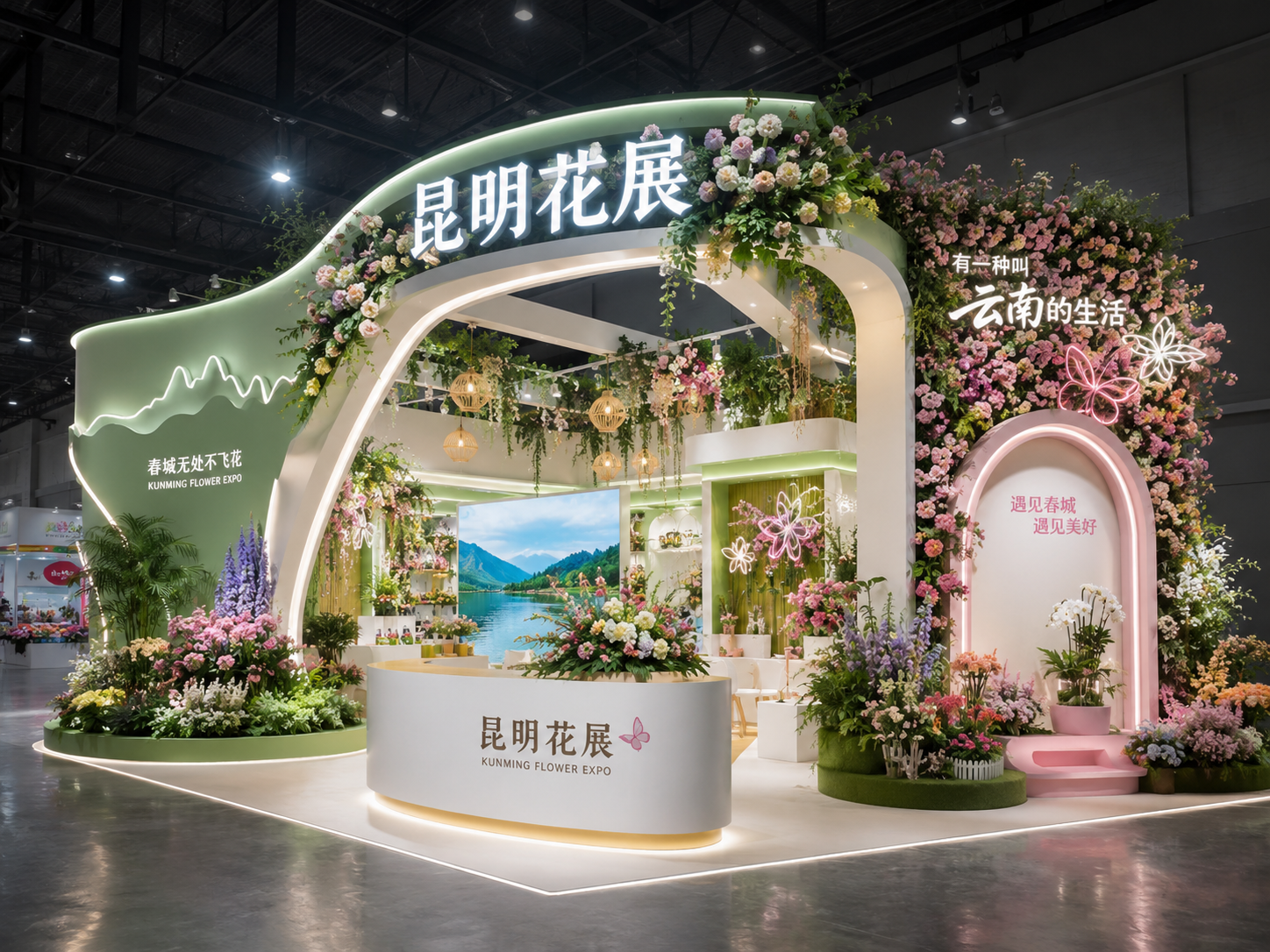
Rank each supplier by three criteria: product category match, minimum order quantity (MOQ) flexibility, and confirmed export experience. A Yunnan rose grower with existing shipments to Europe is a safer bet than a first-time exhibitor with no overseas references. This shortlisting saves hours of aimless walking and lets you focus on stands that genuinely fit your import portfolio.
Break Down Your Trip Budget by Category
A realistic budget prevents mid-trip surprises. I use a simple six-line breakdown whenever planning for a buyer delegation. Adjust the numbers based on your departure city and sourcing volume, but the categories hold across most IFEX trips.
| Category | Typical Cost Range | Notes |
|---|---|---|
| International airfare | $800–$2,000 | Economy, round-trip from most regions |
| Accommodation (4 nights) | $300–$800 | Kunming hotels near the Dianchi exhibition area |
| IFEX registration | Free (pre-registration) | On-site registration may carry a small fee |
| Interpreter/guide per day | $80–$150 | Recommended for first-time China-sourcing trips |
| Sample shipping (per box) | $100–$300 | Depends on courier, volume, and destination customs |
| Meals and local transport | $200–$400 | Kunming offers affordable dining and metro access |
IFEX provides free buyer passes for trade visitors who pre-register, so lock that in early. I also suggest a 10–15% contingency buffer; unexpected sample shipping or last-minute meetings can push your total higher. If you need clarification on registration requirements, contact the team at [email protected].
Manage Your Time on the Show Floor
Kunming’s exhibition center covers 50,000 square meters, so without a timetable, you will lose hours backtracking between halls. I teach buyers to block their days by product zone: morning for the fresh-cut hall, early afternoon for potted plants and propagation materials, and late afternoon for equipment and packaging suppliers. Each meeting slot should run 45 minutes with at least 15 minutes between appointments—enough to walk to the next booth and jot down notes.
Business lounges at IFEX offer desks, Wi-Fi, and quiet space to compare supplier quotes mid-day. I have watched buyers use a 20-minute lounge break to re-prioritize their afternoon list after discovering a competitor’s price advantage, a move that saved thousands on a container of lilies. Plan one such review pause each day.
If you aren’t sure which product zones match your sourcing list, email us at [email protected] with your purchase categories, and we can share a suggested floor route.
Evaluate Suppliers Face-to-Face Effectively
A handshake is only the start. On-site verification separates reliable partners from tradeshow-only vendors. I bring a consistent checklist to every meeting: inspect actual flower samples for stem length, bloom stage, and packaging quality; ask for the grower’s export history with named destination countries; and request a copy of their phytosanitary certification process. A supplier who cannot show you their cold-chain handling procedure or a recent phyto certificate is not ready for international shipments.
One area where I see many buyers stumble is MOQ negotiation. Chinese growers often quote high minimums for a first order, but many will reduce the trial quantity if you can commit to a follow-up schedule. Nail down the lead time from order to air-freight dispatch and get it in writing. If the grower offers a sample box on the spot, take it and note the variety name, harvest date, and vase-life test conditions right on the box.
Turn Leads into Orders After the Event
Post-show follow-up decides whether your IFEX trip was a sourcing success or just an expensive visit. Within 48 hours of leaving Kunming, send each prioritized supplier a concise email summarizing your product interest, projected volume, and a request for formal quotation. Reply speed often predicts future reliability. I also recommend connecting on WeChat; most Chinese growers prefer it for ongoing communication.
Start with a small trial order to test quality consistency before committing to larger volumes. Use the first shipment to verify packaging, cold-chain performance, and vase life upon arrival. This approach de-risks the relationship and gives both sides room to adjust. IFEX’s post-show buyer services can help bridge language gaps during this phase.
After the show, the hardest part is turning handshake agreements into signed contracts. We support IFEX buyers with post-event supplier communication and trade facilitation. Send your meeting notes to [email protected] or call +86 10 5933 9349, and our team can help you advance negotiations with the suppliers you met.
Frequently Asked Questions About the IFEX Sourcing Trip
Do I need a visa to attend IFEX in Kunming?
Most foreign nationals require a Chinese visa. IFEX provides official invitation letters for pre-registered trade buyers, which simplifies the application. Start the visa process eight weeks in advance if possible, and ensure your passport has at least six months of validity remaining. If you need an invitation letter, contact us at [email protected] with your passport details.
How many days should I spend at the exhibition?
Two full days is the minimum to cover all halls and hold productive meetings. I recommend adding a third day to revisit top suppliers or explore the Dounan Flower Market, Asia’s largest fresh-cut flower hub, which is easily reachable from Kunming. We can recommend a custom schedule based on your product interests; just email your sourcing categories.
Is English widely spoken among exhibitors?
Major exporters with established international trade usually have English-speaking staff, but many smaller growers operate only in Mandarin. If your supplier list includes companies without a track record of exports, hiring a daily interpreter is a practical investment. IFEX can assist with arranging translation services on request, so you don’t waste time with language friction during critical price discussions.
Can I take plant samples home?
Yes, but you must check your destination country’s import regulations first. The supplier should provide a phytosanitary certificate issued by Chinese authorities. Most experienced exporters handle this routinely; if a grower seems unsure about the phyto process, that is a warning sign. If you’re uncertain about import rules for specific flower varieties, share your product list with us at [email protected], and we can connect you with logistics specialists familiar with your country’s entry requirements.