Scent has a way of bypassing logic entirely. A particular note can pull you back to a specific moment, a place, a feeling you thought you’d forgotten. For brands trying to build something more than transactional loyalty, that kind of emotional shortcut matters. Private label fragrances let you claim that territory—developing a scent that becomes inseparable from how people experience your brand. What follows covers the practical path from initial concept through finished product, drawing on what we’ve learned working with Scent-Share Technology across hundreds of custom scent projects.
Why Custom Fragrance Development Changes How Customers Remember You
A distinctive scent does something visual branding cannot replicate. It operates below conscious awareness, creating associations that feel intuitive rather than marketed. When someone encounters your brand identity scent in a retail space, a product, or packaging, that olfactory signature reinforces recognition in ways that compound over time.
Working with fragrance private label manufacturers means developing something genuinely yours—not selecting from a catalog of stock options that competitors might also use. The custom perfume development process starts with understanding what your brand actually represents, then translating that into aromatic language. Current fragrance market trends lean toward authenticity and emotional resonance over generic pleasantness, which makes private label scent solutions more strategically valuable than ever.
The brands that execute this well aren’t just selling products with nice smells attached. They’re building sensory vocabulary that customers learn to associate with specific experiences and values.
How OEM Fragrance Production Actually Works
Scent-Share operates as a complete OEM fragrance production partner, handling everything from initial research through final delivery. After a decade in this space and experience with over 300 distinct scent profiles, the workflow has been refined to eliminate the coordination headaches that plague fragmented supply chains.
The process moves through fragrance formulation services, perfume bottle customization, packaging design for perfumes, and comprehensive fragrance testing and quality control. Each stage connects to the next without requiring clients to manage separate vendors or reconcile conflicting timelines. Contract manufacturing fragrance projects benefit from this integration—fewer handoffs mean fewer opportunities for miscommunication or quality drift.
Building Your Signature Scent Through Formulation and R&D
The R&D team’s job is translating brand vision into molecular reality. This starts with extensive conversations about positioning, target audience, and the emotional territory you want to occupy. From there, perfumers work through iterations, selecting from carefully vetted fragrance oil suppliers to build compositions that achieve the intended effect.
Fragrance ingredient sourcing decisions matter more than most clients initially realize. The quality and origin of raw materials directly affect how a scent develops over time, how it performs in different product formats, and how consistently it can be reproduced at scale. Getting this foundation right prevents problems that become expensive to fix later.
Meeting Global Standards Through Quality Assurance
Regulatory compliance fragrance requirements vary significantly across markets. What passes inspection in one country may require reformulation for another. Scent-Share’s experience serving 68 countries means the quality control perfume protocols are built around the strictest applicable standards from the start.
This approach prevents the scenario where a successful domestic launch hits unexpected barriers during international expansion. Every private label product undergoes testing that anticipates the full range of markets where it might eventually sell.
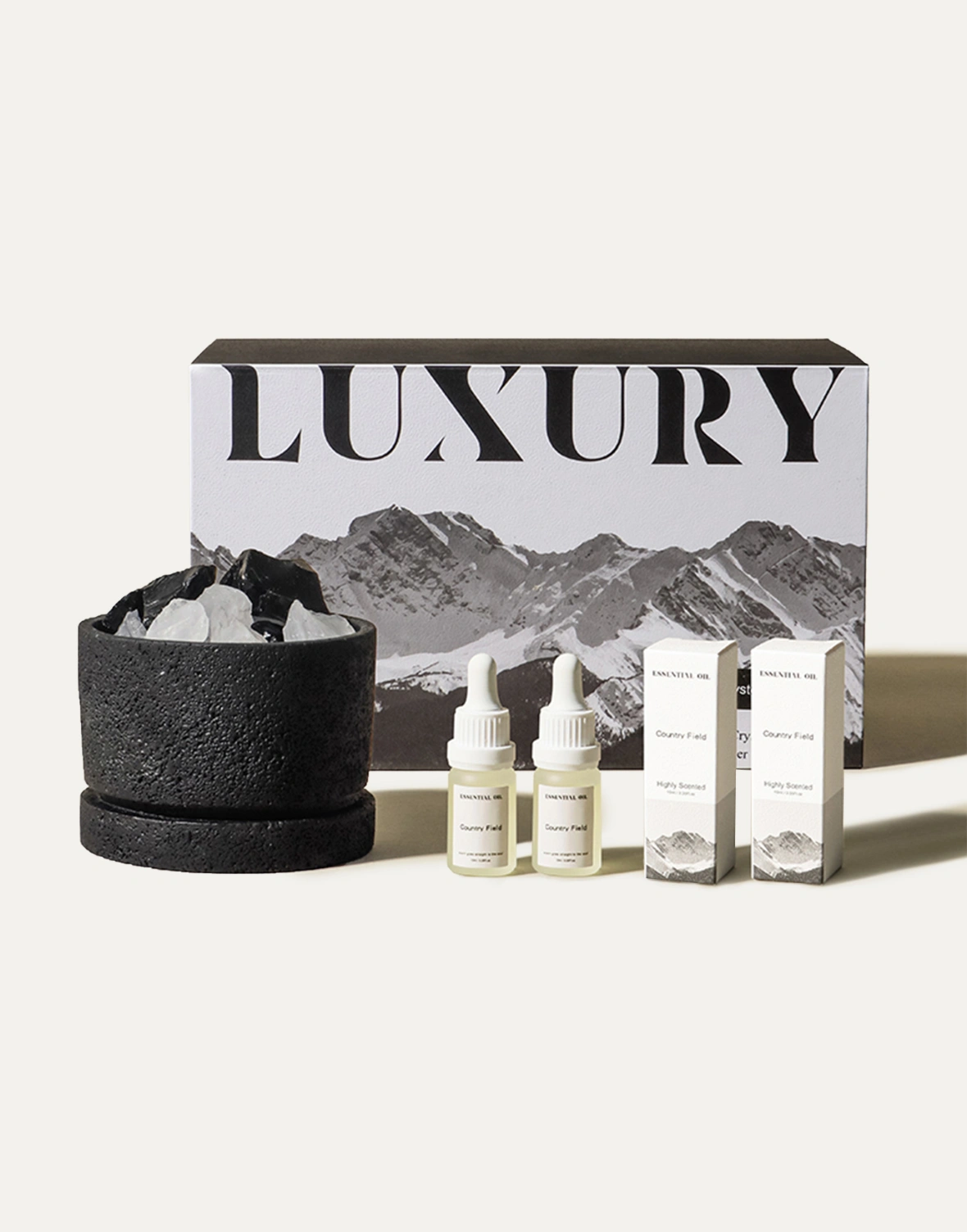
Building a Private Label Scent Portfolio That Makes Strategic Sense
Launching a single signature scent is one approach. Building a coherent portfolio across multiple product categories is another—and often the more commercially interesting path. The strategic question isn’t just “what should our fragrance smell like?” but “where and how will customers encounter it?”
Diffuser oil private label products work well for home and office environments where sustained, adjustable intensity matters. Room spray private label options serve different use cases—immediate impact, portability, quick refresh between customer visits. Car air freshener private label products extend brand presence into personal spaces where people spend significant time.
| Product Type | Ideal Application | Key Features |
|---|---|---|
| Diffuser Oil | Home, Office, Retail | Long-lasting, customizable aroma intensity |
| Room Spray | Instant ambiance, quick refresh | Portable, immediate scent delivery |
| Car Air Freshener | Automotive, personal spaces | Compact, consistent scent release |
| Scented Candles | Ambiance, relaxation | Warm glow, prolonged fragrance |
| Aroma Stones | Small spaces, decorative | Heat-free diffusion, natural aesthetic |
Effective scent branding strategies consider how these different formats reinforce each other. A customer who discovers your brand through a retail diffuser might later purchase room sprays for their home, then car fresheners—each touchpoint deepening the association between your scent and their daily experience.
Understanding the Real Costs and Minimums
The cost of private label fragrance varies based on complexity, volume, and customization level. Being realistic about minimum order quantity private label requirements early prevents wasted effort on concepts that don’t pencil out economically.
Transparent fragrance manufacturing budget conversations should cover development costs, production runs, perfume bottle customization, packaging, and any required testing or certification. The ROI private label perfume calculation needs to account for all these elements, not just per-unit manufacturing costs.
Fragrance project planning works best when both parties understand the financial parameters from the start. This allows creative development to happen within realistic constraints rather than producing beautiful concepts that prove unaffordable to execute.
What is the typical lead time for private label fragrance production?
Most private label fragrance projects require 6 to 12 weeks from final approval to delivery. The variables that push toward the longer end include complex formulations requiring specialized raw material sourcing, custom perfume bottle customization, and elaborate packaging design for perfumes. Simpler projects with standard components can move faster. The fragrance production timeline also depends on order volume—larger runs naturally require more production time.
What Makes Scent-Share Different as an OEM Partner
Scent-Share Technology operates as a complete scenting solution provider, integrating R&D, production, marketing support, and ongoing service into a single relationship. This matters because fragrance projects involve numerous interdependent decisions—having one partner who understands how each choice affects the others prevents the coordination failures that derail complex product development.
Ten years of fragrance industry expertise across 68 countries provides pattern recognition that newer operations simply cannot match. We’ve seen what works in different markets, what regulatory surprises to anticipate, and what production approaches scale efficiently. The commitment to innovative scent solutions means continuously developing new products and technologies rather than recycling the same approaches indefinitely.
Global distribution fragrance capabilities mean your products can reach international markets without requiring you to build separate supply chain relationships in each region.
Where Private Label Fragrance Is Heading
Several shifts are reshaping what consumers expect from scented products. Sustainable fragrance sourcing has moved from nice-to-have to baseline expectation for many market segments. Eco-friendly perfume packaging follows the same trajectory—brands that ignore environmental considerations increasingly face pushback from conscious consumers.
Personalized scent technology is gaining traction as customers seek aromas tailored to individual preferences rather than mass-market formulations. Smart scenting solutions integrated with IoT systems are transforming commercial and residential spaces, enabling programmatic control over when and how fragrances are released.
Staying current with fragrance innovation 2024 and beyond requires ongoing R&D investment. The partners who will matter in five years are the ones actively researching these trends now, not waiting to react after competitors have already moved.
Frequently Asked Questions About OEM Fragrance Private Labeling
How can I ensure the quality and safety of my custom fragrance products?
Quality and safety depend on rigorous protocols applied consistently throughout OEM fragrance production. This means sourcing premium raw materials from verified suppliers, testing at multiple production stages, and maintaining documentation that proves compliance with international standards. Experience matters here—having served 68 countries, Scent-Share has encountered and resolved the full range of quality challenges that can arise with private label scent solutions. The testing protocols are designed around the strictest applicable requirements, which means products are prepared for global markets from the start.
What are the key considerations for fragrance packaging and branding?
Packaging serves multiple functions simultaneously. It must protect fragrance integrity from light, heat, and air exposure. It must communicate brand positioning through materials, colors, and design language. It must meet practical requirements for shipping, retail display, and consumer use. Perfume bottle customization and packaging design decisions should reflect your target audience’s preferences and your brand’s visual identity. The most effective packaging creates a cohesive sensory experience—the visual and tactile elements should feel consistent with what the fragrance itself communicates.
What types of fragrance products can Scent-Share develop under private label?
The range extends well beyond traditional perfumes. Scent-Share develops diffuser oil private label, room spray private label, and car air freshener private label products alongside candles, aroma stones, and other scented goods. With over 300 scent types in the development portfolio and active R&D capabilities, the team can create custom formulations for product categories that don’t fit standard templates. The goal is matching your brand vision and market strategy with the right product formats and fragrance profiles.
Transform Your Brand with a Signature Scent
Ready to transform your brand with a signature scent? Partner with Scent-Share Technology (Guangzhou) Co., LTD. Our 10 years of expertise in OEM fragrance solutions, innovative R&D, and global reach ensure your custom scent project achieves unparalleled success. Contact us today for a personalized consultation and discover the power of emotional connection through fragrance. Reach us at +86 185 6557 5758 / +86 134 2048 5758 or email [email protected].