The moment a scent hits you in an unfamiliar space, something shifts. Maybe it’s a hotel lobby that suddenly feels like a place you want to linger, or a retail store where browsing becomes less transactional and more exploratory. That invisible layer of aroma does work that logos and color palettes simply cannot replicate. Custom fragrance development through OEM partnerships has become one of the more interesting frontiers in brand building, and the mechanics behind it reveal just how much thought goes into something most consumers never consciously notice.
Why Custom Scenting Has Become a Strategic Priority
Establishing a unique brand identity demands more than visual consistency. Scent branding taps into something deeper, working through pathways that bypass rational evaluation entirely. A custom fragrance can trigger specific emotions, surface buried memories, and create associations that stick long after a customer leaves. This makes aroma marketing a genuinely different kind of tool, one that operates on perception rather than persuasion.
Market research keeps pointing in the same direction. Consumers increasingly expect immersive brand experiences, not just transactions. A bespoke scent functions as an invisible signature, creating differentiation that competitors cannot easily replicate. A luxury retail environment might deploy a sophisticated, warm aroma to signal exclusivity and encourage longer browsing sessions. The perceived value of merchandise tends to rise when the surrounding atmosphere feels intentional. A fitness center, meanwhile, might choose something invigorating and fresh to energize clients and reinforce the feeling that this is a place where things happen.
Developing a signature scent requires genuine understanding of consumer scent preferences and the psychological effects of different fragrance notes. Target demographics matter. Brand values matter. The desired emotional response matters. All of this research ensures the custom fragrance aligns with broader messaging rather than working against it. The goal is forging emotional connections that transform passing interactions into lasting relationships. Scent-Share brings 10 years of global experience and over 300 scent types to this work. Custom fragrance development, done well, transmits a way of life and an emotional connection, not just a pleasant smell.
 ## How the OEM Fragrance Development Process Actually Works
OEM fragrance development follows a systematic path from initial concept to finished product. Each phase builds on the previous one, ensuring precision and quality throughout. Understanding this sequence helps brands anticipate what the partnership will require.
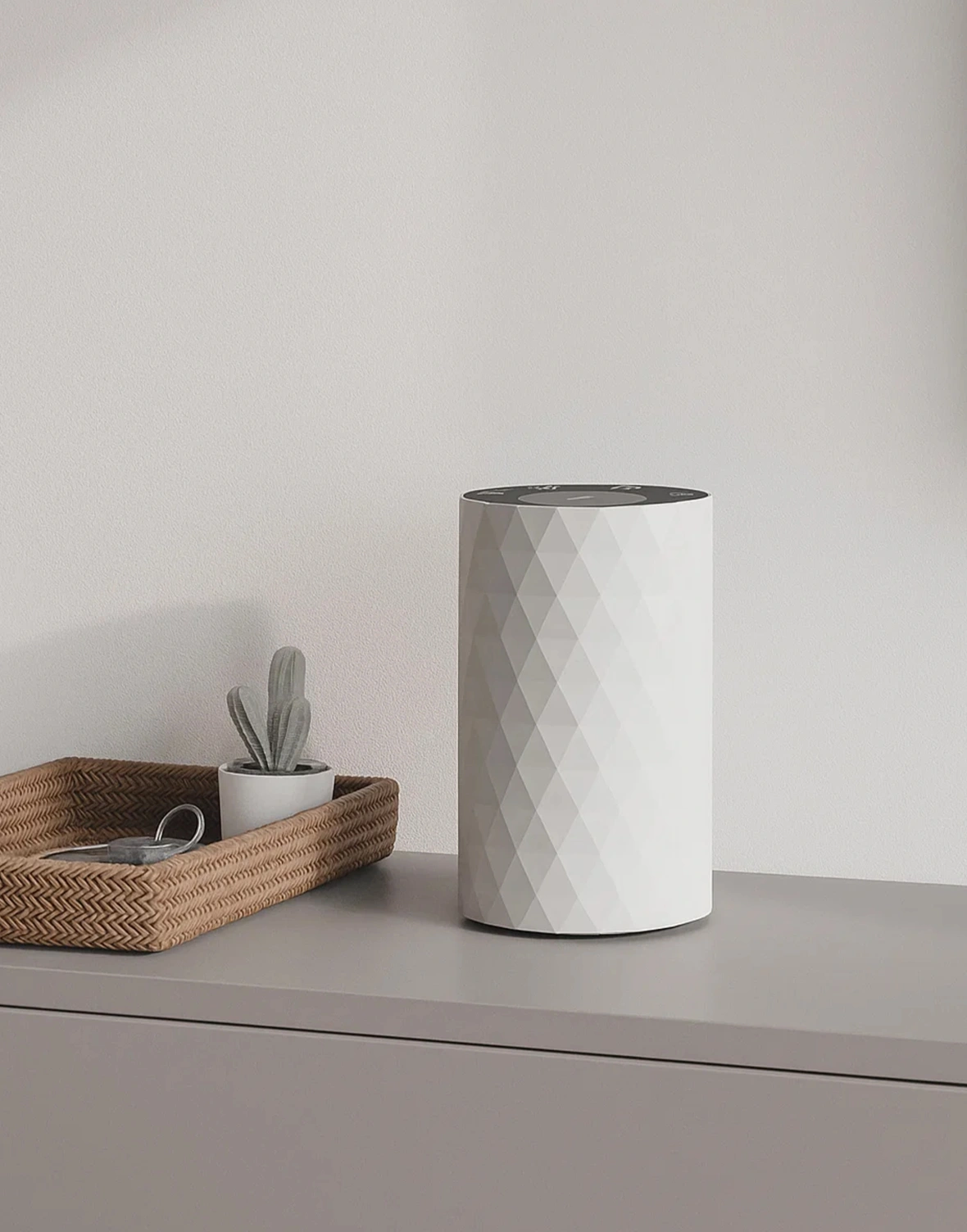
Everything begins with a detailed brief. Brand objectives, target audience characteristics, and desired scent profile all get documented before any formulation work starts. Expert perfumers then begin the actual fragrance formulation, selecting and blending raw materials to achieve the intended aroma. This stage rarely proceeds in a straight line. Multiple iterations and feedback sessions are typical before the core fragrance solidifies. Once that foundation exists, stability and compatibility testing determines how the scent performs across different applications and environments. This includes evaluating interactions with various diffuser technologies, such as the Home Aroma Oil Diffuser Desktop Sensor Waterless Dispenser or the Wall Plug-in Essential Oil Diffuser Machine for Home Scenting.
Production follows, involving precise manufacturing processes and stringent quality control to ensure batch-to-batch consistency. Intellectual property considerations get addressed during this phase as well, including trademarking and proprietary blend protection. Packaging design and delivery logistics round out the fragrance development timeline. Scent-Share’s integrated R&D and production capabilities support this entire sequence, delivering custom scent solutions without the fragmentation that comes from working with multiple vendors.
What Should Brands Look for When Selecting an OEM Fragrance Partner?
The right OEM fragrance partner makes a significant difference in project outcomes. R&D capabilities deserve close scrutiny. The partner needs genuine expertise in creating complex and distinctive fragrance formulations, not just the ability to replicate existing scents. Production capacity matters too. Volume requirements need to be met without quality compromises.
Regulatory expertise is often underestimated. International compliance standards for fragrance ingredients and manufacturing vary considerably, and a partner without deep experience in this area can create serious problems. Scent-Share serves 68 countries, which reflects extensive navigation of global regulatory frameworks. Comprehensive OEM scent solutions should span from initial concept through final delivery, including access to diverse fragrance oil suppliers and rigorous fragrance quality control protocols.
What Successful OEM Fragrance Projects Look Like in Practice
The range of industries using custom scenting continues to expand, and the case studies reveal how tailored aromas achieve specific business objectives. A luxury hotel chain implementing a signature scent across lobbies and common areas creates consistency that guests recognize and associate with the brand. Returning visitors experience familiarity before they even reach the front desk. The Scent-Share Hotel Scent Oil Diffuser Commercial Scenting systems often support these implementations.
Retail applications demonstrate how custom fragrance influences purchasing behavior. A fashion brand using a unique scent in its boutiques reflects its aesthetic while creating emotional connections with shoppers. The scent marketing ROI shows up in increased dwell time and higher conversion rates. Automotive brands have begun exploring custom scents for vehicle interiors, treating the driving experience as another touchpoint for brand identity reinforcement. These applications illustrate how OEM fragrance development contributes to holistic brand experiences. The global fragrance market growth reflects this expanding range of use cases.
How Do These Case Studies Demonstrate Successful Brand Integration?
The integration succeeds when custom scents become seamless parts of the customer journey rather than noticeable additions. A spa using a calming, bespoke aroma enhances relaxation while reinforcing its wellness positioning. The sensory experience aligns with the brand promise, creating coherence that customers feel even if they cannot articulate it.
Custom fragrances reinforce brand narratives by evoking specific emotions and memories. A coffee shop’s unique aroma, distinct from the coffee itself, can create an inviting atmosphere that encourages repeat visits. This approach to scent brand differentiation transforms ordinary spaces into distinctive environments. Customer engagement through scent operates differently than other marketing channels because it works below conscious awareness.
Innovation and Sustainability in Modern Fragrance Manufacturing
The OEM fragrance industry continues evolving through both technological advancement and sustainability commitments. Scent technology innovation has enabled more complex, longer-lasting, and environmentally responsible fragrances. Novel encapsulation techniques prolong scent release while reducing the amount of fragrance required for effective coverage. Sustainable fragrance sourcing has become a genuine priority, with emphasis on ethically harvested natural ingredients and responsible supply chains.
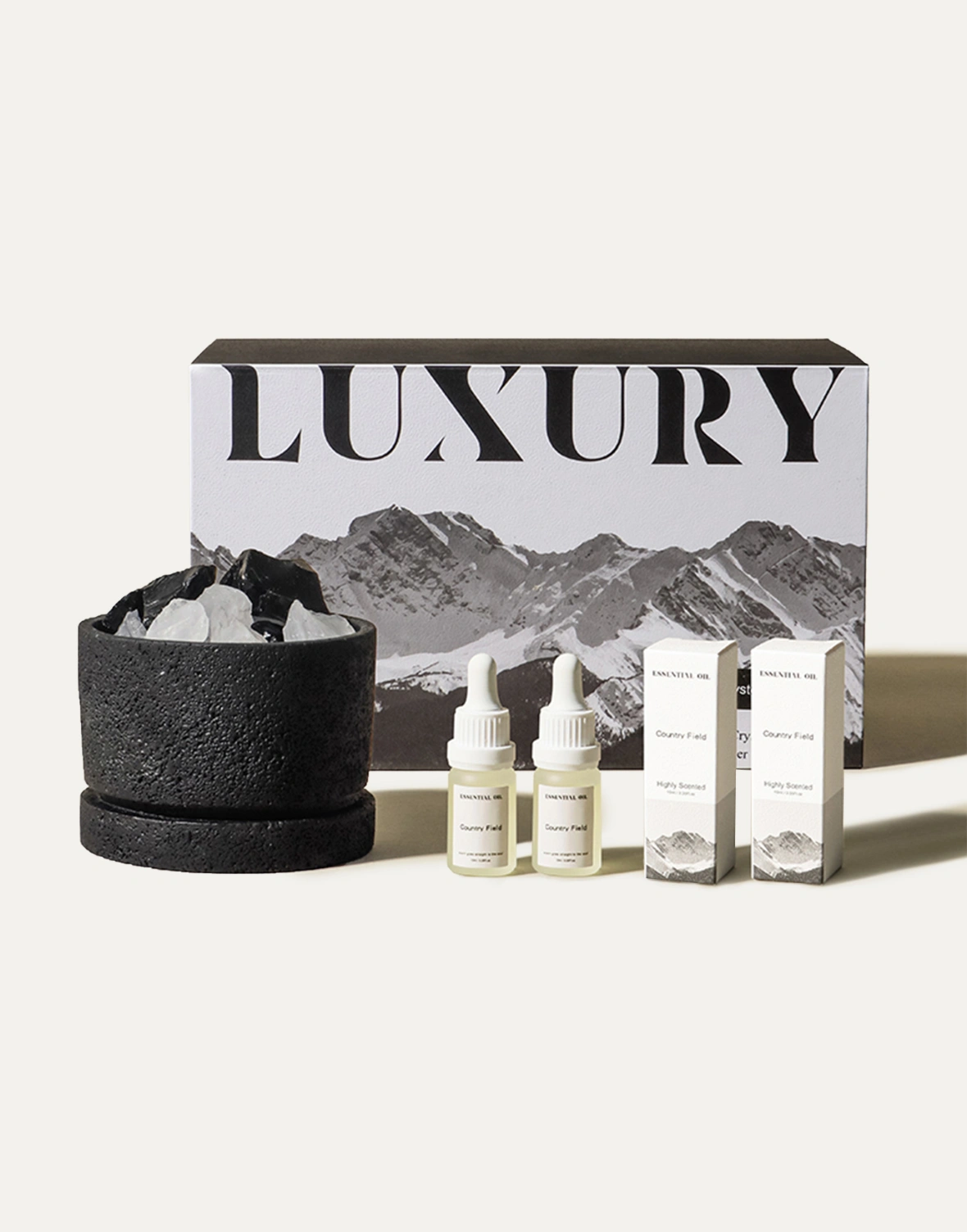
Eco-friendly fragrance production methods are increasingly standard rather than exceptional. Waste reduction, energy efficiency, and biodegradable materials in both fragrance and packaging reflect this shift. Scent-Share offers products like the Natural Home Fragrance Aromatherapy Stone Green No-heat Gift which uses natural crystals for heat-free diffusion. Regulatory compliance fragrance standards continue tightening, pushing manufacturers toward safer and more transparent practices. Brands partnering with OEMs committed to these principles gain competitive advantages as fragrance industry trends move in this direction.
Measuring What Your Custom Scent Investment Actually Delivers
Demonstrating ROI for custom scent projects requires identifying the right metrics. Enhanced brand perception often shows up in customer surveys and brand sentiment analysis. A positive shift in how customers perceive atmosphere or product quality can correlate directly with well-executed scent strategy.
Customer loyalty through scent is another measurable outcome. Repeat purchases, retention rates, and engagement levels in scented environments all provide data points. A retail store might observe increased dwell time or higher average transaction values after implementing a signature aroma. Fragrance market analysis provides benchmarks for evaluating these results against industry norms. A custom scent represents an investment in business growth with custom scents, contributing to stronger brand identity and deeper customer connections.
| Metric Type | Example Metrics | Impact on ROI |
|---|---|---|
| Brand Perception | Customer satisfaction scores, brand recall | Improved brand image, stronger emotional connection |
| Sales Performance | Increased dwell time, average transaction value | Higher conversion rates, revenue growth |
| Customer Loyalty | Repeat visits, retention rates, social media engagement | Enhanced customer lifetime value, advocacy |
What Makes an OEM Partner Worth Committing To
The ideal OEM partner provides more than manufacturing capacity. Comprehensive support throughout the entire process distinguishes excellent partners from adequate ones. Robust R&D capabilities enable innovative fragrance formulation and genuine custom scent development expertise. The ability to translate abstract concepts into unique, brand-aligned aromas separates partners who understand the work from those who simply execute orders.
Production capabilities need to support scalability without sacrificing consistency. A reliable fragrance supplier adheres to international manufacturing standards and maintains stringent quality control. Clear communication and responsive customer service matter more than many brands initially realize. Scent-Share offers a one-stop scenting solution backed by a decade of global experience. Tailored support from initial concept through final product ensures brand scent identities develop as intended.
Partner with Scent-Share for Your Custom Fragrance Project
Bespoke scent solutions can transform how your brand connects with customers. Scent-Share Technology combines 10 years of global experience, innovative R&D, and comprehensive one-stop service to craft unique olfactory identities. Contact Scent-Share for a consultation to explore how custom fragrance can strengthen your business. Email us at [email protected] or call us at +86 185 6557 5758 / +86 134 2048 5758.
FAQs
What is the typical timeline and cost for custom fragrance development with an OEM?
Custom fragrance development with an OEM partner like Scent-Share typically takes 3-6 months from initial brief to finished product. The actual duration depends on fragrance formulation complexity, regulatory approval requirements, and production scale. Costs vary based on formulation choices, raw material quality, testing scope, and order volume. A consultation with our team provides precise estimates tailored to specific project requirements for custom scent solutions.
How does an OEM ensure the quality and consistency of custom fragrance production?
Quality and consistency come from rigorous protocols applied at every stage. This starts with raw material sourcing and continues through final product testing. Adherence to international fragrance manufacturing standards provides the foundation. Scent-Share uses advanced testing and sensory evaluation to verify that each batch of custom scent matches client specifications and maintains brand integrity across production runs.
Can OEM fragrance development help my brand differentiate itself in a competitive market?
A unique and memorable custom scent establishes a distinctive olfactory identity that resonates with consumers in ways visual branding cannot replicate. This enhances brand recall and creates emotional connections that influence behavior. Strategic scent branding sets products and spaces apart from competitors. The results documented in OEM fragrance case studies demonstrate how this differentiation translates into measurable business outcomes.