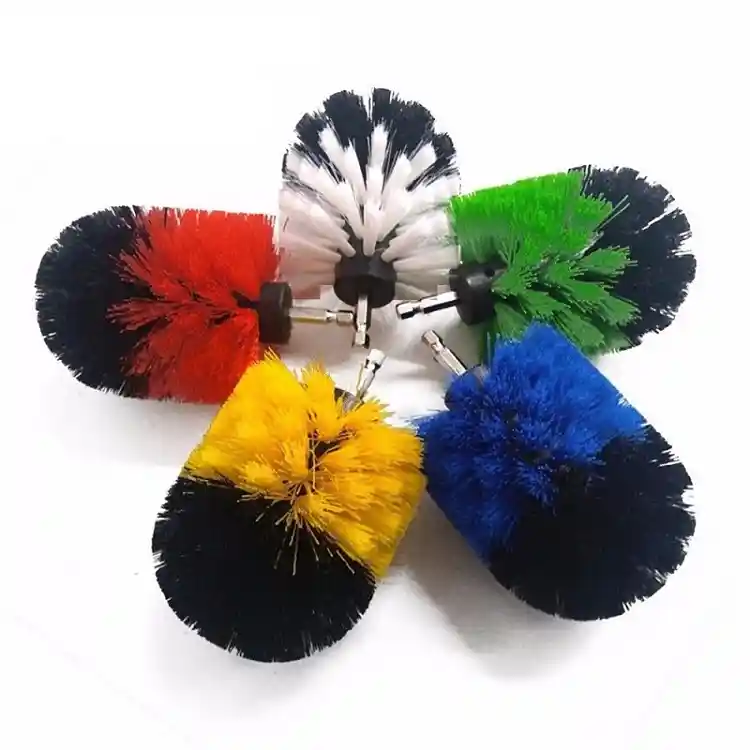

Industrial cleaning demands tools that perform without compromise. Nylon drill brushes have earned their place in workshops and production lines because they handle the tension between aggressive cleaning and surface protection better than most alternatives. The abrasive versions cut through rust and old coatings with surprising efficiency, while non-abrasive options clean delicate materials without leaving marks. After working with these brushes across different applications, the versatility becomes apparent quickly—they adapt to tasks that would normally require multiple specialized tools.
What Makes Nylon Drill Brush Technology Work in Industrial Settings
The performance of nylon drill brushes comes down to material engineering. High-grade nylon bristles, typically polyamide 6.6, provide the foundation. This specific polymer resists chemical exposure and holds up under repeated mechanical stress. The real innovation happens when manufacturers impregnate these nylon filaments with silicon carbide grit. This creates a cutting action that removes material consistently without the unpredictable behavior of wire brushes.
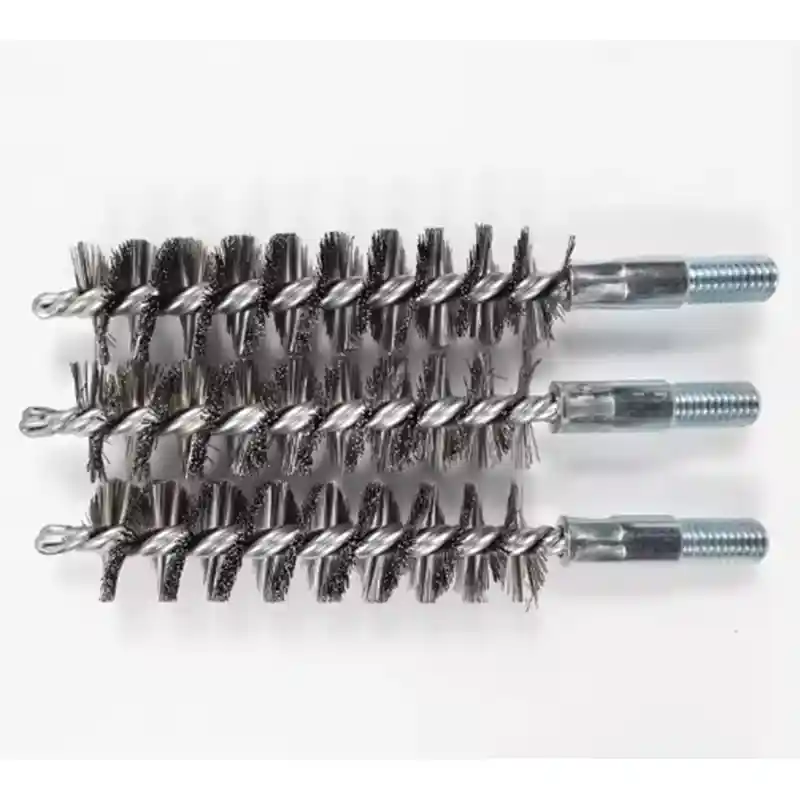
Wire brushes have their place, but they tend to gouge surfaces and leave behind metal fragments. Nylon drill brushes eliminate both problems. The bristles flex under pressure rather than breaking, and they produce no secondary contamination. This mechanical advantage matters in production environments where surface quality affects downstream processes. Power scrubber brush systems built around nylon technology deliver repeatable results across thousands of cycles.
Abrasive Nylon Drill Brushes Handle Heavy-Duty Surface Preparation
When surfaces need aggressive treatment, abrasive nylon drill brushes deliver. The grit embedded in the filaments determines the cutting behavior. Silicon carbide works best for rust removal brush applications and stripping old paint—it cuts fast and handles ferrous metals well. Aluminum oxide provides a finer touch, making it the better choice for deburring applications and preparing surfaces for coating.
RPM selection affects both efficiency and brush life. Running too fast generates heat that softens the nylon and reduces cutting action. Too slow, and the brush chatters instead of cutting cleanly. Most heavy duty drill brush attachments perform optimally between 1,500 and 3,000 RPM, though specific recommendations vary by manufacturer and grit type. These brushes function as effective sanding brush for drill tools when matched correctly to the material.
How do I choose the right stiffness of nylon brush for my project?
Stiffness selection requires matching the brush characteristics to both the material and the desired outcome. Three factors determine how a brush behaves: bristle diameter, filament density, and grit concentration.
Larger diameter bristles resist deflection more than thin ones. Higher filament density means more cutting points contact the surface simultaneously, increasing both aggression and heat generation. Grit concentration directly correlates with abrasive power—more grit means faster material removal but also faster brush wear.
For general cleaning tasks, medium stiffness handles most situations adequately. Heavy duty drill brush work like removing scale or heavy rust requires stiffer bristles with higher grit loading. Softer brushes suit finishing operations where the goal is surface conditioning rather than material removal. Testing on scrap material before committing to a production run prevents expensive mistakes.
Non-Abrasive Nylon Drill Brushes Clean Without Damaging Surfaces
Not every cleaning job needs abrasion. Non-abrasive nylon drill brushes remove contamination through mechanical scrubbing action alone. These soft nylon brush attachments excel on surfaces where scratching would create problems—painted finishes, plastics, fiberglass, and polished metals.
Automotive detailing brush applications represent a common use case. Interior cleaning, wheel scrubbing, and even careful exterior work benefit from the aggressive scrubbing action without surface damage. Marine maintenance presents similar requirements, where gelcoat and brightwork need cleaning without scratches.
Household applications like grout cleaning brush and tile cleaning brush work demonstrate the same principle at smaller scale. The bristles reach into textured surfaces and pull out embedded dirt that wiping misses. Polishing brush attachment configurations smooth and buff without leaving swirl marks on sensitive finishes.
If you are looking for more information on how brushes can effectively remove burrs without affecting accuracy, check out 《honing brush treat burrs in barrel parts without affecting accuracy and scale》.
Best Practices That Extend Nylon Drill Brush Performance
Getting consistent results from nylon drill brushes requires attention to operating parameters. Speed selection matters more than most operators realize. The correct RPM range prevents bristle damage while maintaining cutting efficiency. Running a brush too fast causes the tips to melt and glaze over, reducing effectiveness dramatically.
Pressure application follows similar logic. Moderate, consistent force produces the best results. Pushing harder feels productive but actually splays the bristles outward, reducing contact area and accelerating wear. Let the brush do the work rather than forcing it.
Safety equipment remains non-negotiable. Eye protection catches debris that the brush throws. Gloves protect hands from both the spinning brush and the chemicals often used alongside it. Hearing protection makes sense during extended sessions.
Brush maintenance tips that actually extend service life include thorough cleaning after each use and storage that keeps bristles straight. A drill brush kit stored properly lasts significantly longer than one thrown in a drawer.
What types of surfaces are safe for nylon drill brushes?
Surface compatibility depends entirely on whether the brush carries abrasive grit. Abrasive nylon drill brushes work safely on metals, wood, concrete, and other hard materials. They remove rust, paint, and scale effectively from these substrates.
Non-abrasive versions handle plastics, fiberglass, ceramics, glass, and delicate painted surfaces. The key distinction is whether material removal is acceptable or problematic for the application.
Testing on an inconspicuous area before committing to visible surfaces prevents regret. Even brushes marketed as non-abrasive can mark extremely soft materials under aggressive use. Chemical resistant brushes maintain their properties when used with solvents and cleaning agents that would degrade lesser materials.
Can nylon drill brushes be used for automotive detailing without scratching?
Non-abrasive nylon drill brushes handle automotive detailing safely when selected and used correctly. Soft and medium-stiffness configurations work best for this application.
Interior surfaces respond well to these brushes. Carpets, upholstery, floor mats, and textured plastic trim all clean effectively without damage. The bristles agitate dirt loose while the vacuum removes it.
Wheel cleaning represents another strong application. Brake dust and road grime come off efficiently, and the bristles reach into spoke patterns and lug nut recesses that hand washing misses. Even exterior paint can be addressed with appropriate caution—proper lubrication with soap solution and light pressure prevent marring. These brushes support comprehensive automotive surface care when operators understand their limitations.
Custom Nylon Brush Solutions Address Specialized Industrial Requirements
Standard brush configurations handle most applications, but some industrial processes demand specific solutions. Custom brush manufacturing fills this gap by tailoring bristle material, density, and geometry to exact specifications.
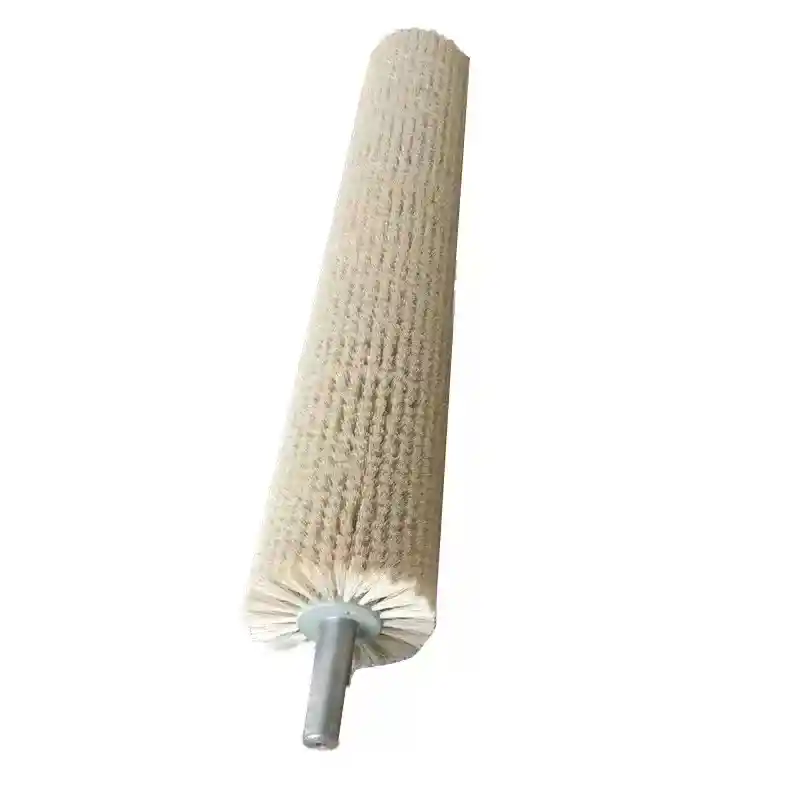
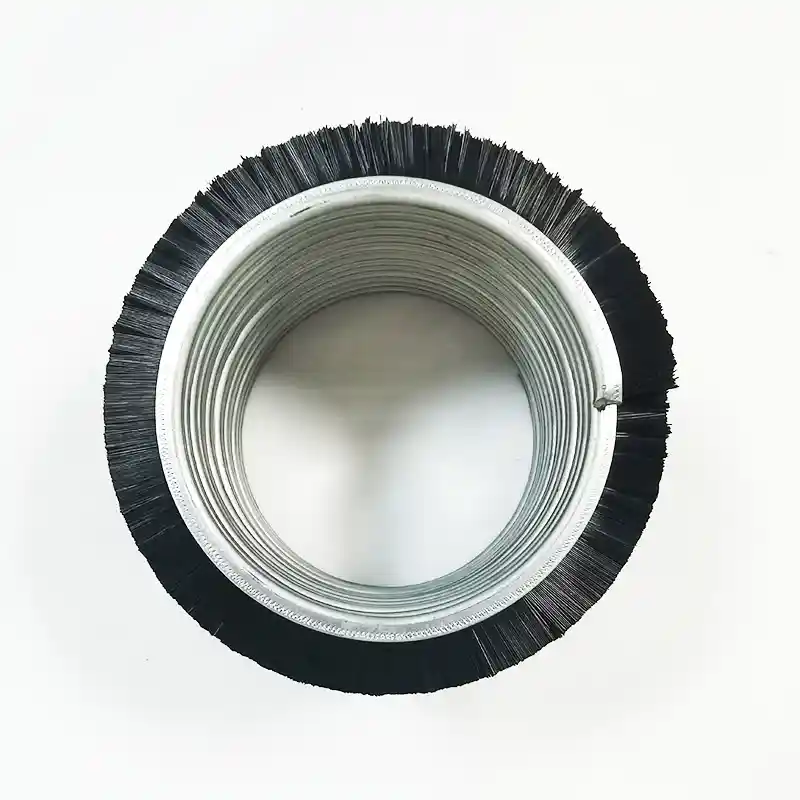
The flexibility extends across multiple parameters. Bristle diameter, trim length, fill density, and abrasive loading can all be adjusted. Brush geometry options include cylindrical, cup, end, and specialized shapes for particular machine interfaces.
As industrial brush suppliers with 16 years of production experience, the capability exists to create application-specific brushes that integrate directly into existing equipment. ODM/OEM service arrangements support both prototype development and volume production. Professional technical support guides the design process toward solutions that actually solve the problem rather than approximating it.
For more insights into industrial cleaning tools, consider reading 《descaling spiral brush an innovative tool and generalist in the field of industrial cleaning》.
Frequently Asked Questions About Nylon Drill Brushes
What is the primary advantage of using a nylon drill brush over a wire brush?
Nylon drill brushes provide controlled cleaning action without the collateral damage wire brushes cause. Wire bristles gouge surfaces, leave embedded fragments, and create sparks near flammable materials. Nylon eliminates all three problems.
Non-abrasive nylon brushes clean without scratching at all. Abrasive versions remove material predictably rather than randomly. This control makes nylon drill brushes suitable for applications where wire would cause rejection or rework. The versatility across surface types and the reduced risk of secondary contamination justify the selection for most surface preparation tasks.
How do I ensure the longevity and performance of my nylon drill brush attachments?
Matching the brush to the task prevents premature failure. Using an aggressive abrasive brush for light cleaning wastes the brush; using a soft brush for heavy removal destroys it quickly.
Pressure control extends life significantly. Excessive force splays bristles permanently and accelerates wear. Moderate pressure with correct speed produces better results and longer service.
Post-use cleaning removes debris that would otherwise harden in the bristles and reduce effectiveness. Air drying prevents moisture damage to the backing materials. Proper storage—hanging or standing rather than crushed under other tools—maintains bristle geometry. Following these practices keeps a drill cleaning brush effective through its full service life.
Are there specific safety precautions when operating a power scrubber brush with a drill?
Eye protection is mandatory. Spinning brushes throw debris unpredictably, and bristle fragments occasionally break free. Safety glasses or a face shield prevent injuries that happen faster than reflexes can respond.
Gloves protect hands from both the brush and cleaning chemicals. Securing the workpiece prevents movement that could cause the brush to grab and kick. Starting at low RPM establishes control before increasing speed.
Excessive pressure creates kickback risk and damages both the brush and the surface. Following the drill manufacturer’s guidelines and the brush supplier’s recommendations keeps operations safe. When in doubt, reduce speed and pressure rather than pushing limits.
Partner with Shanghai Huixi Trading Co., Ltd. for Your Brush Needs
For advanced surface preparation and industrial cleaning challenges, trust Shanghai Huixi Trading Co., Ltd. With 16 years of manufacturing expertise and a commitment to quality, we provide professional technical support, ODM/OEM services, and competitive pricing. We offer a comprehensive range of customized brushes, including cylindrical, spiral, and drill brushes. Contact us today for a consultation or a free sample to optimize your operations. Reach us at +86 1580 0932 713 or [email protected].
