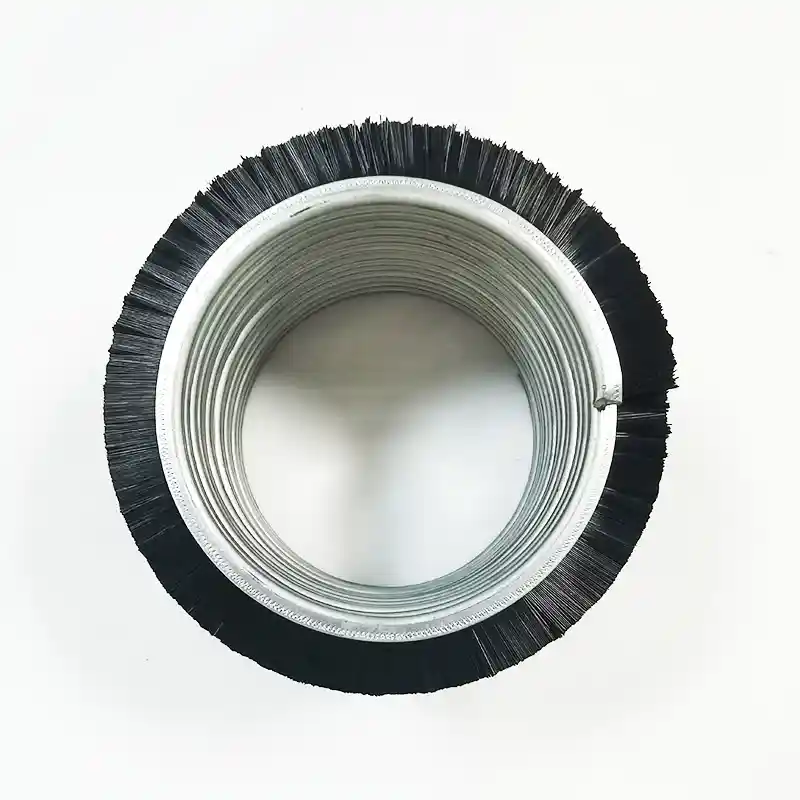

Finding a chimney cleaning brush that actually fits your flue is more frustrating than it should be. Most standard brushes are manufactured in a single fixed diameter, so if you have a non-standard or tapered liner, you are either stocking multiple sizes or forcing a brush that does not make full contact with the walls. A multi-diameter chimney cleaning brush changes that calculation. The brush adjusts to different flue cross-sections through a resilient, flexible bristle design rather than relying on a rigid brush body. I have spent over fifteen years engineering industrial brushes for surface treatment and cleaning applications, and the difference between a generic tube brush and a properly configured multi-diameter chimney brush comes down to bristle selection, core construction, and how the brush responds under rotation. This article covers what makes that design work, which materials hold up, and what you should confirm before buying.
Why a Fixed-Size Brush Creates Unnecessary Guesswork
Most residential and commercial chimney flues are not perfectly uniform. Liners made of stainless steel, clay tile, or pumice can shift over time, and many installations taper slightly at the damper or appliance connector. A brush with a single fixed outer diameter will scrub tightly in one section and under-contact in another. That leads to repeated passes, uneven creosote removal, and in some cases liner surface abrasion from excessive pressure against the high spots.
The problem gets worse for facility managers or chimney service companies who deal with a range of flue sizes across multiple properties. Keeping a complete inventory of brushes for 6-inch, 7-inch, 8-inch, and larger flues adds cost and storage headaches. A brush that handles a spread of diameters with one tool simplifies both the truck stock and the cleaning workflow. From our manufacturing experience, the jump in demand for multi-diameter designs has come equally from professional sweeps who want to reduce tool switching and from homeowners who only clean one or two flues a year and do not want to buy a dedicated brush for every liner size.
How the Multi-Diameter Design Actually Works
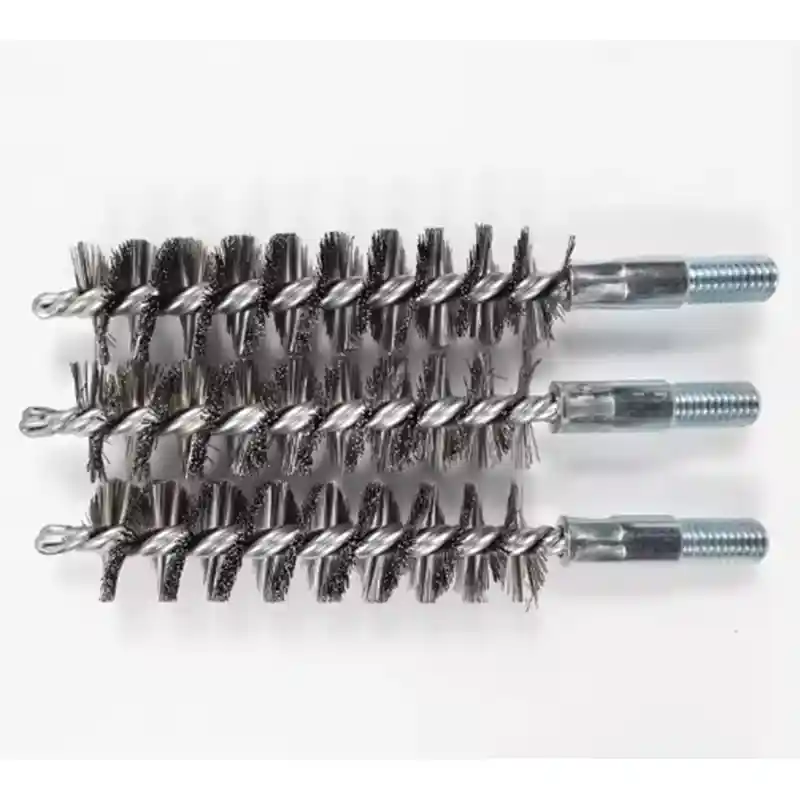
The brush head is built around a central stem that carries radially arranged bristle tufts, but the bristle length, filament stiffness, and tuft density are engineered so the brush can sweep through a defined diameter range. When the brush enters a narrower section, the longer filaments deflect outward and upward, maintaining wall pressure without jamming. When the diameter opens up, the bristles spring back to their natural set and still reach the walls. The effective working range is determined by the bristle free length and the material’s flexural modulus, not by a mechanical adjustment mechanism.
This section is where many off-the-shelf brushes fall short. If the bristle stiffness is too low, the brush collapses in a wide flue and loses cleaning contact. If it is too high, the brush binds in a tight flue and risks snapping the drive rod. A well-designed multi-diameter chimney brush uses a controlled compromise: a filament diameter and material hardness that provides adequate cleaning pressure across roughly a 1.5-inch to 2-inch diameter range without requiring the operator to change heads. For example, a brush rated for 6 to 8 inches should clean both endpoints effectively if the core and bristle set have been tested together.
| Diameter Range | Typical Application | Recommended Bristle Material |
|---|---|---|
| 4 to 5 inches | Pellet stove vent, small flue | Polypropylene or soft nylon |
| 6 to 8 inches | Standard residential chimney | Nylon or stainless steel crimped wire |
| 8 to 10 inches | Large fireplace or commercial | Stainless steel wire, heavy-duty nylon core |
Bristle Material Matters More Than the Handle
Chimney brush marketing often focuses on the handle or rod connection, but the bristle material is what does the work and what determines the brush’s lifespan. For multi-diameter designs, the material must retain its shape memory after thousands of flex cycles inside hot, acidic flue environments.
Polypropylene is the entry-level workhorse. It resists most chimney cleaning chemicals, handles flue temperatures up to roughly 200°F without permanent deformation, and provides enough stiffness for light-to-moderate soot and stage-1 creosote. For second and third-degree creosote deposits, nylon filaments with an abrasive grit loading step up the cleaning aggression without resorting to steel wire that can scratch stainless steel liners. Stainless steel wire brushes are the heavy-duty option for masonry chimneys and unlined flues, but they should be matched to a liner material rating. A steel wire brush used aggressively on a thin-wall flexible stainless liner can cause groove wear over time. If your flue is stainless, start with a nylon or poly brush and only move to wire if the deposits are not lifting.
Getting the Most Out of Your Multi-Diameter Brush
A brush that fits multiple flue sizes still needs a proper drive system. Use a flexible chimney rod set rated for manual or drill rotation, and always rotate the brush clockwise so the rod couplings do not unscrew inside the flue. The recommended rotation speed for a drill-driven setup is 400 to 600 RPM. Going faster does not improve cleaning and can over-flex the bristles, reducing the brush’s diameter range over repeated use.
Before the first use, measure the narrowest and widest points of your flue with a simple tape or a flue sizing tool. If your brush is rated for 6 to 8 inches and your narrowest point measures 5.5 inches, you may still get the brush through, but check the pull force by hand first. Do not force it. For liners with offset or corrugated sections, a multi-diameter brush with a rounded rather than square tuft pattern will transition more smoothly without catching on the corrugations. After each use, rinse the brush head with warm water and let it dry fully before storing. Bristles that stay wet and packed in a tool bag will take a set, permanently reducing the brush’s effective diameter.
What to Look for When Sourcing a Chimney Cleaning Brush
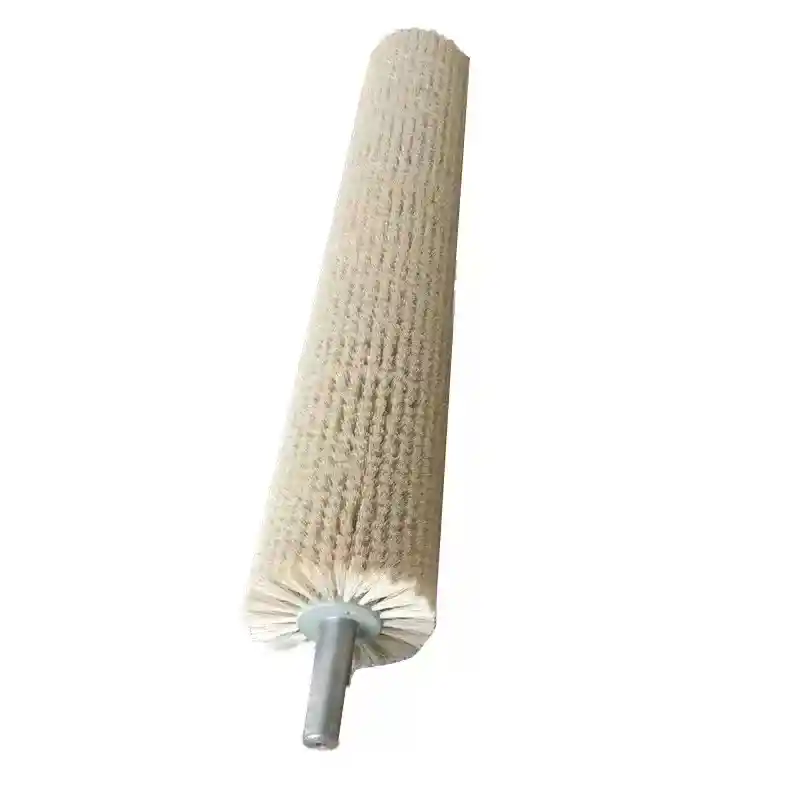
Not all multi-diameter chimney brushes are built to the same standard. Look for a continuous wire core that runs stem-to-end with the bristles captured between twisted wire segments, rather than a plastic hub with crimped-in tufts that can pull out under torque. A 1/4-inch NPT or quick-connect rod attachment with a threaded lock is more reliable than a friction-fit plastic coupler that can spin free after a season of use.
The bristle trim length should be consistent when the brush is new: uneven trim causes vibration that feels like an unbalanced load and makes the brush harder to control. Ask the supplier whether the brush was tested across the full stated diameter range at the rated rotation speed. If they cannot answer, it probably was not. In our production facility we run each brush design through a gauge block cycle before approving the diameter rating because a check at static rest does not account for how the bristles behave under centrifugal loading. That is the difference between a brush that looks right on the bench and one that holds contact at 500 RPM.
If your program involves multiple flue sizes, unusual liner materials, or high-volume commercial cleaning runs, confirming bristle fatigue life and core construction with the manufacturer before finalizing your tool kit saves reorder churn and field downtime. For technical questions or a sample evaluation, send your flue dimensions and deposit type to [email protected] or call +86 1580 0932 713.
Common Questions About Multi-Diameter Chimney Brushes
Will a multi-diameter brush clean as thoroughly as a fixed-diameter brush?
A properly engineered multi-diameter brush will match the wall contact pressure of a fixed-diameter brush across the full rated range. The difference is in the bristle design, not in a fundamental trade-off. Fixed-diameter brushes can be precisely matched to one flue size and may show slightly higher pressure at a single measurement point, but on real-world tapered and irregular flues, the adaptable brush often produces a better overall clean because it maintains contact where a fixed brush would lose it. For routine maintenance cleaning, the result is comparable.
The bristles on my brush flattened out after a few uses. Is that normal?
Bristle set is the most common failure mode in multi-diameter brushes, and it is almost always avoidable. It happens when the brush is stored wet, left compressed in a tight flue opening, or run at excessive RPM with no load. A quality brush stored correctly should retain its shape for a full season of use. We recommend rinsing after each job, drying the head thoroughly, and hanging the brush by the rod connection rather than resting it on the bristles. If the bristles flatten permanently, the brush has lost its diameter range and needs replacement.
Can I use a multi-diameter brush on a stainless steel liner without scratching it?
It depends on the bristle material and how it is used. Polypropylene and unfilled nylon are safe for stainless liners when used at moderate RPM and with gentle feed pressure. Abrasive-impregnated nylon and stainless steel wire bristles will remove harder deposits but can leave surface marks on thin-wall flexible liners, especially if the brush is forced through an undersized section. If the liner is smooth-wall rigid stainless, a nylon brush is the safest starting point. Share your liner type and the deposit condition you are dealing with for a specific recommendation.
If you’re interested, check out these related articles:
honing brush a magic tool for flexible burr removal
abrasive disc brush an excellent industrial surface treatment tool
introduction of our concrete block machine brushes