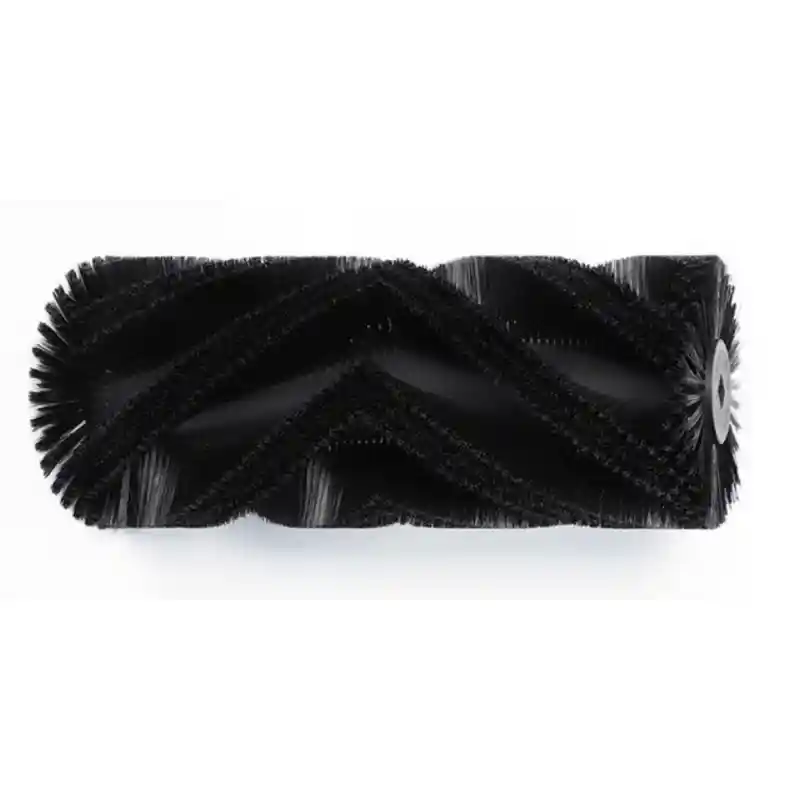

Roads, factory floors, and public spaces accumulate debris that standard brushes simply cannot handle. After years of working with sweeping equipment across different industries, one pattern becomes clear: single-material brushes force operators into a compromise. Steel bristles tear through heavy buildup but scratch surfaces. Polypropylene handles fine particles gently but stalls against compacted mud. Mixed steel and polypropylene road brushes eliminate that trade-off. The combination delivers aggressive cleaning where needed and flexibility where it matters, extending brush life while cutting replacement cycles.
How Steel and Polypropylene Work Together in Road Brushes
The performance of mixed steel and polypropylene road brushes comes from how the two materials complement each other during operation. Steel filaments attack compacted mud, asphalt millings, and heavy soil with enough force to break the bond between debris and surface. Polypropylene filaments follow behind, flexing into surface irregularities to capture finer particles without gouging or scratching. Neither material could achieve this alone.
This hybrid brush technology handles the full spectrum of industrial cleaning tasks. The steel provides abrasion resistance that keeps the brush effective on rough surfaces, while the polypropylene resists moisture and chemical exposure that would degrade other materials. The filament blend balances aggression with surface protection, which translates to fewer passes per cleaning cycle and longer intervals between brush replacement.
Filament Ratios and Pattern Engineering
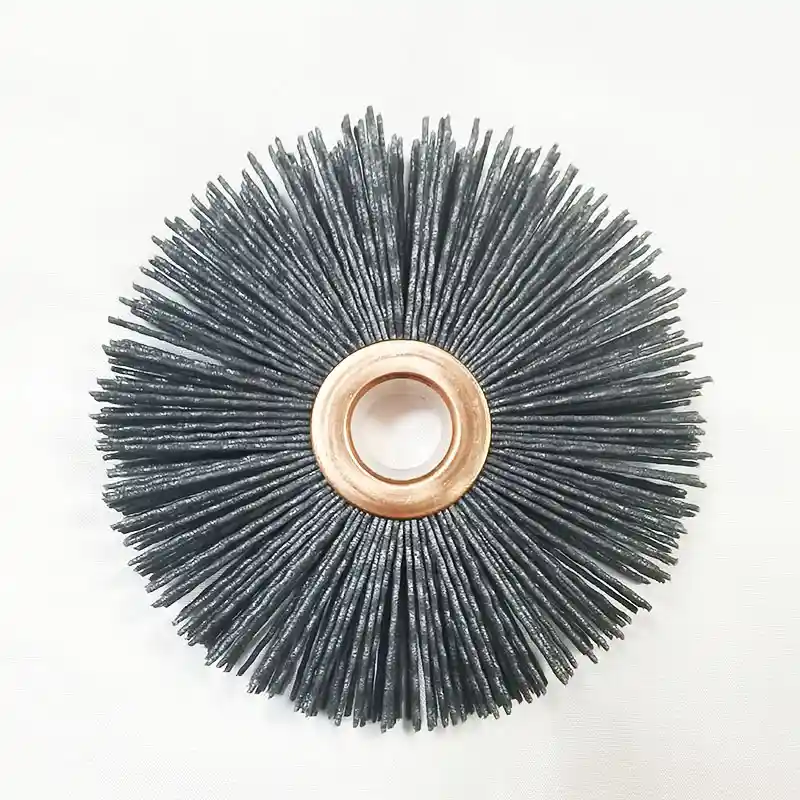
Brush engineers adjust the ratio of steel to polypropylene based on the target application. A construction site dealing with concrete chunks and metal scraps benefits from higher steel content. Municipal road maintenance, where surfaces need protection, calls for a more balanced mix. The bristle pattern also matters. Clustered steel filaments concentrate force on stubborn spots, while distributed polypropylene ensures consistent contact across the full brush width.
This brush configuration approach means each unit arrives optimized for its intended debris type and surface condition. Custom filament arrangements address specific operational requirements rather than forcing a one-size-fits-all solution onto varied sweeping challenges.
Heavy-Duty Sweeping Performance Across Demanding Environments
Mixed steel and polypropylene road brushes handle environments that destroy conventional equipment. Airport runways accumulate rubber deposits, metal fragments, and fine sand simultaneously. Construction zones produce everything from loose gravel to sticky asphalt residue. Municipal roads collect organic matter, broken glass, and compacted dirt in unpredictable combinations.
These brushes reduce the number of passes required to clear a surface. Operators report measurable time savings on road construction cleanup projects where debris variety would normally require multiple brush types or repeated sweeping. The material combination proves particularly effective for asphalt cleaning, where the steel dislodges embedded particles and the polypropylene sweeps them away without leaving scratch marks.
| Feature | Mixed Steel & PP Brushes | Single Material Brushes (Steel) | Single Material Brushes (PP) |
|---|---|---|---|
| Debris Removal | Excellent (stubborn & fine) | Aggressive (heavy debris, risk of surface damage) | Good (light debris, less effective on stubborn) |
| Surface Impact | Low to Moderate (balanced aggression) | High (can scratch or damage surfaces) | Very Low (gentle, may not clean thoroughly) |
| Wear Resistance | High (steel protects PP, PP adds flexibility) | Moderate (can wear quickly on abrasive surfaces) | Moderate (less resistant to heavy abrasion) |
| Versatility | High (effective on diverse debris and surfaces) | Low (specialized for heavy-duty, limited surfaces) | High (general purpose, limited heavy-duty) |
| Brush Life | Extended | Shorter (due to wear or damage) | Moderate |
Handling Variable Debris and Weather Conditions
The mixed filament design maintains performance regardless of what the brush encounters. Rocks, mud, sand, metal scraps, and industrial waste all respond to the steel-polypropylene combination. Wet conditions that cause some brush materials to swell or lose rigidity have minimal effect on this configuration. Dry, dusty environments that accelerate wear on single-material brushes show slower degradation rates with the hybrid approach.
Abrasive surfaces present a particular challenge for road brushes. Concrete and rough asphalt grind down bristles quickly. The steel filaments in mixed brushes absorb much of this abrasion, protecting the polypropylene and maintaining the brush profile longer than either material would alone.
Cost and Longevity Benefits of Mixed Material Road Brushes
The financial case for mixed steel and polypropylene road brushes rests on replacement frequency. Brushes that last longer cost less per operating hour, and the reduction in changeover time keeps equipment productive. Maintenance crews spend less time swapping worn brushes and more time on actual cleaning operations.
The durability comes from how the materials share the workload. Steel handles the high-stress contact with stubborn debris, preventing the polypropylene from taking damage it cannot withstand. The polypropylene provides cushioning that reduces shock loading on the steel, preventing the brittleness and breakage that pure steel brushes experience over time.
| Cost Factor | Traditional Brushes (Annual) | Mixed Steel & PP Brushes (Annual) | Savings (Annual) |
|---|---|---|---|
| Brush Replacement | $2,000 | $1,000 | $1,000 |
| Labor (Replacement) | $500 | $250 | $250 |
| Downtime Costs | $1,000 | $500 | $500 |
| Total Estimated Cost | $3,500 | $1,750 | $1,750 |
Note: Figures are illustrative and may vary based on usage and conditions.
Customization Options for Specific Sweeping Applications
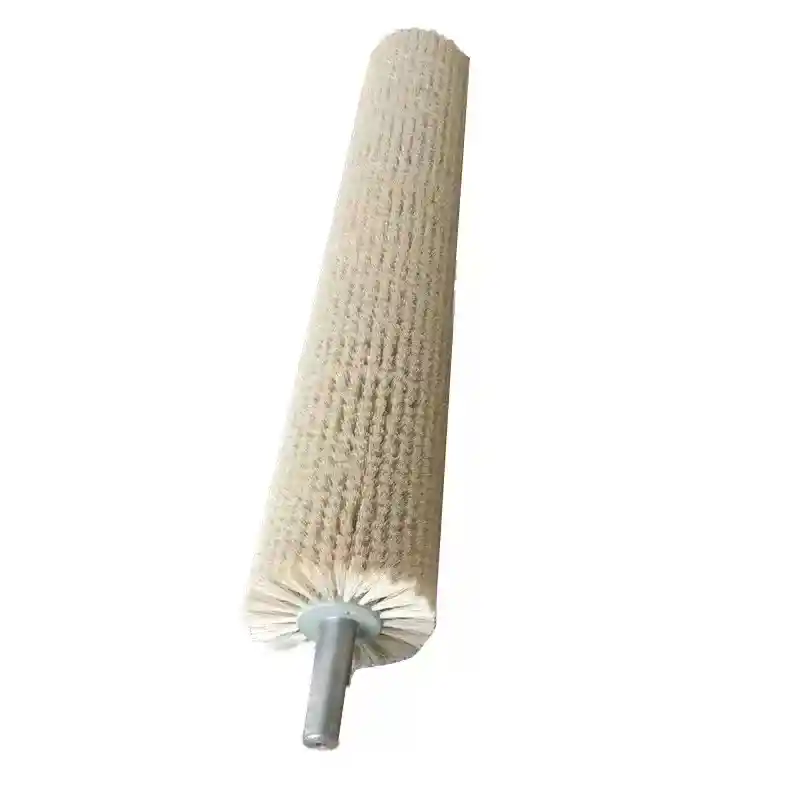
Standard brush dimensions rarely match every piece of sweeping equipment perfectly. Huixi Brush provides ODM and OEM services that produce mixed steel and polypropylene road brushes built to exact specifications. Brush core diameter, overall length, filament density, and attachment interface all adjust to fit the target machine and application.
This customization extends to the filament ratio and pattern. Operations dealing primarily with heavy debris receive brushes weighted toward steel content. Applications requiring surface protection get configurations with more polypropylene. The technical support team works through these specifications before production begins, ensuring the delivered brush matches operational requirements.
Equipment Compatibility and Installation
Mixed steel and polypropylene road brushes integrate with existing sweeper models without modification. Mounting systems match standard attachment points, and quick-change mechanisms allow fast swaps when brush wear eventually requires replacement. This compatibility means adopting the hybrid technology does not require new equipment purchases or extensive retrofitting.
The installation process follows the same procedures as current brush types. Operators familiar with their equipment can complete changeovers without additional training or specialized tools.
Huixi Brush Manufacturing Standards and Service
Sixteen years of industrial brush production have established the processes that ensure consistent quality in every mixed steel and polypropylene road brush. Raw material selection, filament bonding, core construction, and final inspection all follow documented procedures that prevent defects from reaching customers.
Huixi Brush exports to Europe, North America, Australia, New Zealand, the Middle East, and Southeast Asia. The feedback from these markets confirms that the manufacturing standards translate to real-world performance. Customers report that brush durability matches specifications and that replacement intervals align with projections.
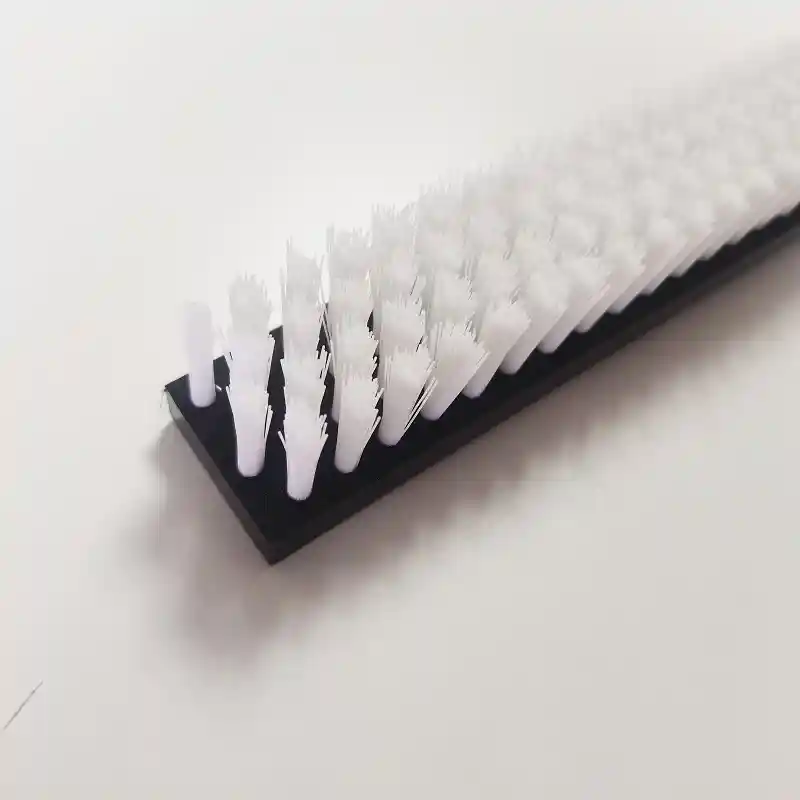
The service model includes competitive pricing, low minimum order quantities, free samples for evaluation, and fast delivery schedules. Technical support continues after purchase, addressing any questions about brush performance or maintenance.
Start Improving Your Sweeping Operations
Shanghai Huixi Trading Co., Ltd. combines manufacturing expertise with application knowledge to deliver mixed steel and polypropylene road brushes that solve real sweeping problems. Contact the team for a consultation on your specific requirements. Reach out at +86 1580 0932 713 or [email protected] to discuss how these durable, high-performance brushes can reduce your operational costs and improve cleaning results.
Frequently Asked Questions About Mixed Steel and PP Road Brushes
What makes mixed steel and polypropylene road brushes more effective than single-material options?
The two materials handle different parts of the cleaning task. Steel filaments provide the force needed to break up compacted debris, while polypropylene captures finer particles and protects surfaces from scratching. This division of labor means one brush handles jobs that would otherwise require multiple brush types or repeated passes. The combination also extends brush life because each material protects the other from the types of wear it handles poorly alone.
Which industrial applications benefit most from mixed filament road brushes?
Construction sites, airport runways, municipal road maintenance, and manufacturing facilities all see significant performance improvements. Any application involving varied debris types or surfaces that need protection from aggressive cleaning benefits from the hybrid design. The brushes prove especially valuable where operators currently switch between brush types or accept compromised results from single-material options.
What specifications matter when ordering mixed steel and polypropylene road brushes for industrial sweepers?
Start with the debris profile and surface type. Heavy, compacted materials call for higher steel content, while sensitive surfaces need more polypropylene in the mix. Equipment compatibility determines core diameter, length, and mounting interface. Sweeping frequency affects the optimal filament density. Huixi Brush technical support can help translate these operational factors into specific brush specifications that match your requirements.
If you’re interested, check out these related articles:
descaling spiral brush an innovative tool and generalist in the field of industrial cleaning
advantage of hx cylindrical sanding brushes