Immune cell culture sits at the heart of advances in immunology, vaccine development, and cell-based therapies. When cultures behave as they do in their native context, data tighten up and projects move faster. That fidelity comes from carefully chosen recombinant proteins that build a defined environment and steer growth, differentiation, and function. The sections below clarify what these proteins are, how they shape immune cells across categories, what to look for when selecting them, how our platform supports quality from research through GMP-grade production, and where the field is heading.
Understanding the Critical Foundation: What are Immune Cell Culture-Related Proteins and Why Do They Matter?
Recombinant proteins are engineered biomolecules designed to replicate their natural counterparts. In immune cell culture, they act as specific signaling molecules that control proliferation, differentiation, and activation with precision. We use them to construct defined, reproducible culture conditions that support consistent research and therapeutic development. Without these targeted tools, directing complex immune behaviors becomes far more difficult.
1. Defining Recombinant Proteins in Immunological Research and Therapeutic Development
Recombinant proteins are produced via genetic engineering for large-scale, high-purity manufacturing. In immunology, they enable studies of immune cell function, inform diagnostics, and support cell and gene therapy development. For example, specific cytokines direct T cell differentiation, while growth factors drive the expansion of diverse immune cell populations. Their defined nature supports experimental consistency and predictable therapeutic performance.
2. The Indispensable Role of Specific Proteins in Immune Cell Growth, Differentiation, and Function
Specific recombinant proteins underpin immune cell development and function. For example, FGFs participate in multiple cellular processes, including proliferation and differentiation. Interleukins, a cytokine family, are central here. Recombinant Human IL-2 promotes T-cell proliferation, important for immunotherapy research. Recombinant Human IL-4 acts as a B-cell stimulatory factor, shaping immune responses. Recombinant Human IL-6 is a cytokine that supports the proliferation of M-NFS-60 cells, informing inflammatory studies. Recombinant Human IL-7 is vital for NALM-6 human pre-B cell proliferation, supporting lymphocyte development. Recombinant Human IL-12 induces IFN-γ secretion in NK-92 cells, a key component of innate immunity. Recombinant Human IL-15 also drives CTLL-2 cell proliferation, similar to IL-2. These examples show how precisely recombinant proteins modulate immune system activity.
Navigating the Landscape of Immune Cell Culture: Key Protein Categories and Their Biological Impact
Understanding the diverse categories of proteins used in immune cell culture is essential for optimizing experimental design and therapeutic applications. Each category plays a distinct role in shaping immune cell behavior. We leverage these proteins to achieve specific cellular outcomes.
1. Growth Factors and Cytokines: Orchestrating Proliferation and Survival of Immune Cells
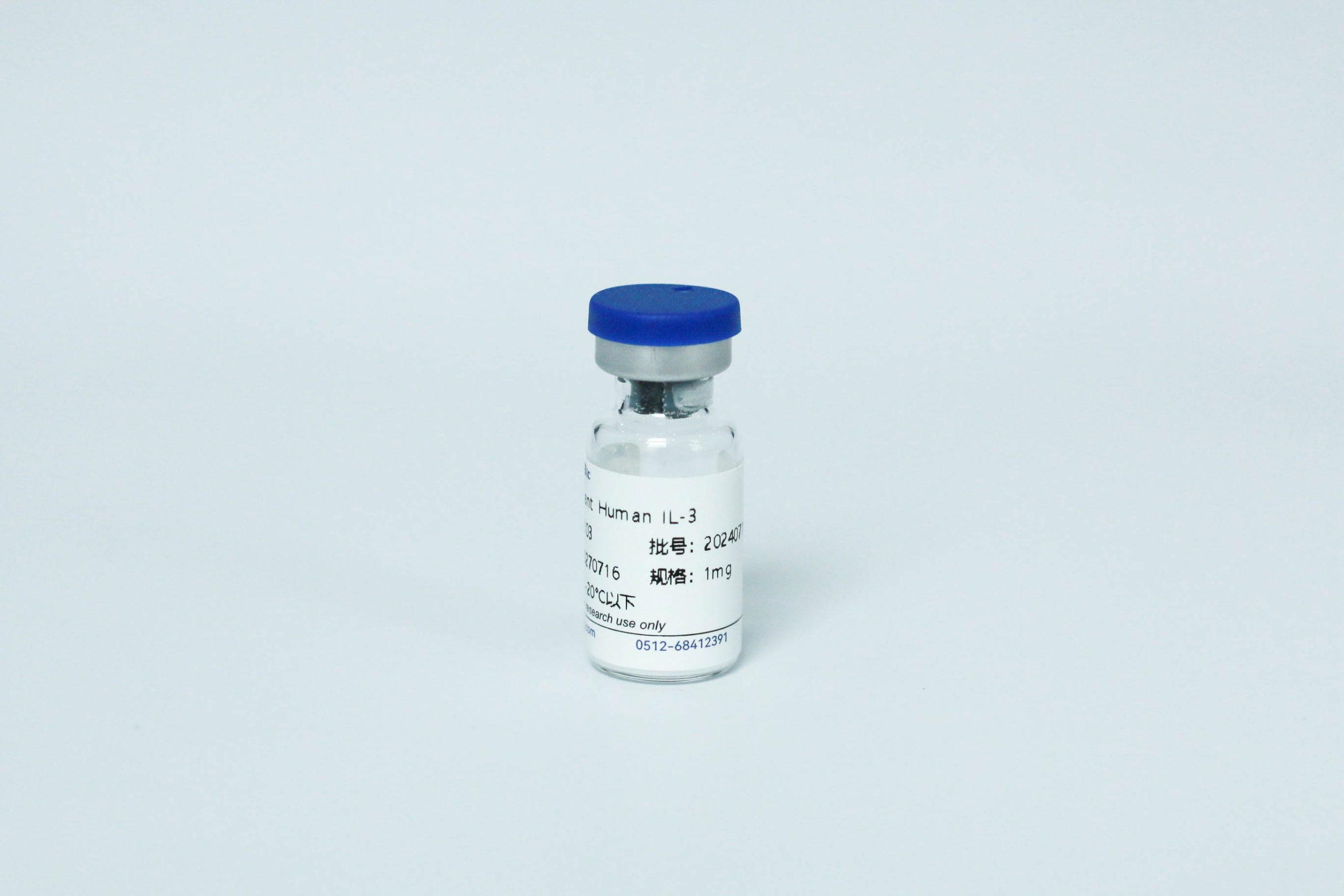
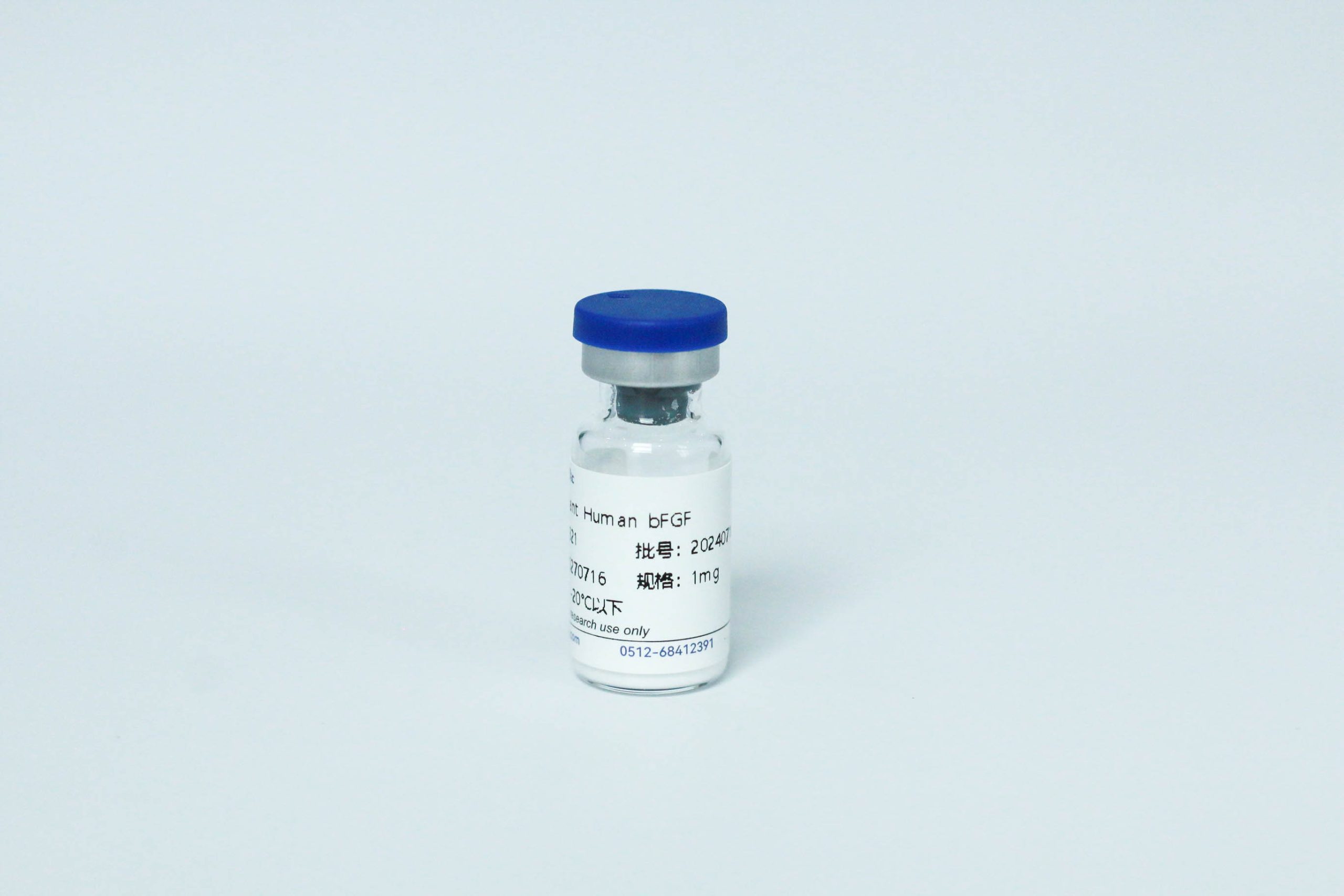
Growth factors and GFs are central to immune cell proliferation, differentiation, and survival. For example, Recombinant Human IL-2 supports T-cell expansion in culture. Recombinant Human IL-4 stimulates B-cell growth and antibody production. Recombinant Human IL-6 supports various immune cell types and mediates inflammatory responses. Recombinant Human IL-7 is vital for lymphocyte development and survival. Recombinant Human IL-15 promotes the growth of T and NK cells. Recombinant Human FGF-2/bFGF supports fibroblast proliferation, influencing tissue repair and immune microenvironments. These proteins help maintain healthy, functional immune cell cultures.
| Product Name | Primary Function | Cell Line Application | Purity | Endotoxin Level |
|---|---|---|---|---|
| Recombinant Human IL-2 | T-Cell Growth Factor | CTLL-2 cell proliferation | ≥95% | ≤1 EU/mg |
| Recombinant Human IL-4 | B-Cell Stimulatory Factor | TF-1 cell proliferation | ≥95% | ≤10 EU/mg |
| Recombinant Human IL-6 | Cytokine | M-NFS-60 cell proliferation | ≥95% | ≤10 EU/mg |
| Recombinant Human IL-7 | Cytokine | NALM-6 human pre-B cell proliferation | ≥95% | ≤10 EU/mg |
| Recombinant Human IL-15 | Cytokine | CTLL-2 cell proliferation | ≥95% | ≤10 EU/mg |
2. Chemokines and Adhesion Molecules: Guiding Immune Cell Migration and Interaction
Chemokines are small cytokines that direct immune cell migration to sites of inflammation or infection. Adhesion molecules enable cell-to-cell and cell-to-matrix interactions that support immune surveillance and effector functions. Together, they position and connect immune cells within tissues and in culture with high specificity. Tuning these pathways opens opportunities for therapeutic intervention.
3. Co-stimulatory and Inhibitory Receptors: Modulating Immune Responses for Therapeutic Applications
Co-stimulatory and inhibitory receptors on immune cells calibrate immune responses. Co-stimulatory molecules, such as CD28, enhance T cell activation. Inhibitory receptors, like PD-1, limit immune activity to avoid autoimmunity. Modulating these pathways with recombinant proteins, such as Recombinant Human 4-1BBL: Unlocking Immune Co-stimulation for Advanced Therapies:https://www.eastmabbio.com/Blog/4-1BBL.html, provides strong therapeutic potential in cancer immunotherapy and autoimmune disease.
Optimizing Immune Cell Culture: Best Practices for Selecting and Utilizing High-Quality Recombinant Proteins
Achieving reliable and reproducible results in immune cell culture depends heavily on the quality of recombinant proteins used. We focus on stringent selection criteria and best practices to ensure optimal performance. This approach minimizes variability and maximizes experimental success.
1. Ensuring Purity, Activity, and Batch-to-Batch Consistency for Reliable Experimental Outcomes
Purity, activity, and batch-to-batch consistency are paramount for recombinant proteins in immune cell culture. High purity limits off-target effects and supports specific cellular responses. Verified biological activity confirms the protein performs its intended function. Consistent batches reduce experimental variability and support reproducibility across studies. We rigorously test each product to meet these standards.
2. The Advantages of Serum-Free and Animal Component-Free Formulations in Advanced Cell Therapies
Serum-free and animal component-free (ACF) formulations offer clear advantages in advanced cell therapies. They remove variability introduced by serum, reduce the risk of adventitious agents, and streamline regulatory review. Defined media components, including recombinant proteins, provide a safer and more consistent environment for cell growth. This is critical for clinical applications where product safety and reproducibility cannot be compromised.
Jiangsu East-Mab Bio’s Commitment: Advancing Immune Cell Culture with World-Class Recombinant Protein Solutions
Jiangsu East-Mab Biomedical Technology Co., Ltd. is dedicated to providing superior recombinant protein solutions for immune cell culture. Our commitment stems from a deep understanding of the scientific and clinical demands in this rapidly evolving field. We continuously invest in our capabilities to support global advancements.
1. Leveraging a State-of-the-Art Platform for Research, Validation, and GMP-Grade Production
We operate a state-of-the-art platform for recombinant protein research, validation, and GMP-grade production. This advanced infrastructure upholds the highest standards of quality and reliability. Our robust processes support work from early discovery through large-scale manufacturing for clinical applications. This end-to-end approach reflects a sustained focus on scientific rigor.
2. Tailored Solutions: Supporting Diverse Applications from IVD to Cell Therapy and Organoid Development
We offer tailored recombinant protein solutions for applications spanning IVD diagnostics, cell therapy, and organoid development. Our portfolio aligns with the specific needs of these areas. For instance, our Recombinant Influenza A NP Protein is a control antigen for LFT/CLIA assays. We also provide Recombinant Influenza A Protein (FluA-mAb) for both detection and capture in LFT/CLIA, ensuring high specificity and sensitivity. Similarly, our Recombinant Influenza B NP Protein and corresponding monoclonal antibodies (FluB-mAb) support influenza B detection. For RSV, we offer Recombinant Raw Stochastic Value Protein (RSV F0) as a control/detection antigen, along with specific RSV-mAbs for detection and capture. These specialized products reflect our commitment to enabling cutting-edge research and development across fields.
Future Directions in Immune Cell Culture: Emerging Protein Needs and Innovations
The field of immune cell culture continues to evolve with new discoveries and technologies. Expect movement toward more complex, physiologically relevant culture systems. That shift will require novel recombinant proteins that better mimic the intricate signaling networks found in vivo. Demand will grow for highly specialized proteins that expand and differentiate rare immune subsets, and for reagents that enable advanced organoid and 3D culture models. There will also be greater emphasis on proteins that support gene-edited immune cells, maintaining their stability and function in therapeutic settings. Our research and development efforts align with these needs to deliver the next generation of key reagents.
Explore East Mab Bio’s comprehensive range of high-quality recombinant proteins for immune cell culture and elevate your research and therapeutic development. Contact us today for customized solutions and expert support.
Email: [email protected]
Phone: +86-400-998-0106
FAQs
What types of immune cells benefit most from recombinant protein supplementation?
All immune cell types, including T cells, B cells, NK cells, dendritic cells, and macrophages, benefit from specific recombinant protein supplementation. These proteins provide signals for growth, differentiation, activation, and survival, mirroring the in vivo microenvironment. East Mab Bio offers a diverse portfolio to support various immune cell applications.
How does East Mab Bio ensure the quality and consistency of its immune cell culture-related proteins?
Jiangsu East-Mab Biomedical Technology Co., Ltd. invests heavily in a world-class platform for recombinant protein research, validation, and production. We adhere to strict quality control standards, including rigorous purity, activity, and endotoxin testing, to ensure batch-to-batch consistency and reliable performance. Our commitment to quality supports applications in IVD, cell therapy, and more.
Can East Mab Bio provide custom recombinant protein solutions for specific immune cell culture requirements?
Yes, East Mab Bio provides tailored solutions to meet unique research and development needs. With our advanced platform and expert team, we offer custom recombinant protein development and production services, delivering proteins optimized for specific immune cell culture applications. Please contact our technical support team to discuss your project requirements.