
Securing the right terms with a diffuser factory takes more than showing up with a price target. It means knowing exactly what you need, understanding what the factory can deliver, and building the kind of relationship where both sides actually want the partnership to work. After more than a decade supplying scenting solutions across 68 countries, we’ve learned that the best deals come from preparation, not pressure.
Getting Ready Before You Ever Pick Up the Phone
The negotiation starts well before your first call or factory visit. We’ve seen it repeatedly: the buyers who walk in with clear specifications and realistic expectations walk out with better terms. Those who wing it end up chasing revisions for months.
Start by mapping out exactly what you need. What’s the product? What materials? What performance standards? The more precise you are upfront, the fewer surprises you’ll face later. Factories appreciate clarity because it lets them quote accurately and commit to timelines they can actually meet.
Nailing Down Your Product Specs and Quality Standards
Vague specifications create problems. A factory can’t hit a target it can’t see, and disputes over “quality” usually trace back to undefined expectations. When we develop something like our Home Aroma Air Diffuser Scent Machine, every detail gets documented before production discussions begin.
| Component | Specification Detail | Quality Benchmark |
|---|---|---|
| Bottle Material | 150ml plastic (for Commercial Scent Oil Diffuser) | Food-grade, BPA-free, leak-proof |
| Power Supply | DC5V-1.5A (Type-C) for mini diffusers | CE, RoHS certified components |
| Noise Level | <35 dBa (Home Aroma Air Diffuser Scent Machine) | Measured at 1-meter distance, consistent output |
| Housing Material | Aluminum alloy (for Desktop Scent Diffuser) | Corrosion-resistant, scratch-resistant finish |
| Pump Type | Long-life pump (for Commercial Scent Oil Diffuser) | 5,000+ hours operational lifespan |
We specify the exact aluminum alloy for casings, the pump type for optimal diffusion, acceptable noise levels measured at specific distances. Aesthetic details matter too, whether that’s the diamond-cut finish on a mini diffuser or the soft curves of a Scent-Share Home Desktop Mini Car Aroma Diffuser. Define your testing protocols early. How long should continuous operation tests run? What’s acceptable variance in scent dispersal? Answering these questions before production prevents finger-pointing afterward.
Working Out Pricing and Payment Terms That Make Sense
Price negotiations go smoother when you understand the factory’s cost structure. Tooling, materials, labor, overhead. These aren’t arbitrary numbers. Knowing what drives costs helps you identify where flexibility exists and where it doesn’t.
Getting Better Unit Costs and Workable MOQs
Volume matters, but it’s not the only lever. When we’re producing something like the Scent-Share Commercial Scent Oil Diffuser Bluetooth APP in quantity, per-unit costs drop significantly. But there’s more to the conversation than just ordering more.
| Order Quantity (Units) | Est. Unit Price Impact | Tooling Cost Allocation | Packaging Options Discussed |
|---|---|---|---|
| 500 | High | Significant | Standard |
| 1,000 | Medium | Moderate | Standard/Custom |
| 5,000 | Low | Minimal | Custom |
| 10,000+ | Very Low | Negligible | Advanced Custom |
Tooling costs for custom designs can be substantial. We often negotiate to amortize these across larger orders rather than paying everything upfront. For new product launches or market tests, we’ll accept slightly higher unit prices on initial batches with clear agreements for price reductions once volume thresholds are reached. Packaging choices affect cost too. Standard packaging saves money; custom solutions cost more but might be worth it for brand presentation. The key is understanding the tradeoffs and making intentional choices.
Building Supply Chain Agreements That Actually Work
A great price means nothing if products arrive late or damaged. We’ve learned to spend as much time on logistics terms as on pricing. Clear agreements on lead times, shipping responsibilities, and inventory management prevent the kinds of disruptions that eat into margins and damage customer relationships.
Locking Down Shipping Terms and Delivery Schedules
Incoterms matter more than most buyers realize. Choosing FOB over CIF, for example, gives us control over freight forwarder selection and often reduces shipping costs. But it also means we’re responsible for more of the logistics chain.
 We build contingency provisions into every agreement. What happens if materials are delayed? What if customs holds a shipment? Having pre-agreed alternatives, whether expedited shipping options or backup routes, prevents scrambling when problems arise. And problems will arise. The goal isn’t to prevent every issue but to have clear procedures for handling them when they occur.
Thinking Beyond the Single Order
One-off transactions rarely produce the best terms. Factories reserve their best pricing, priority production slots, and most flexible terms for partners they trust to come back. We approach every negotiation with the long game in mind.
 Regular performance reviews keep both sides honest. We assess quality consistency, on-time delivery rates, and responsiveness to issues. Factories appreciate knowing where they stand, and these conversations often surface improvement opportunities that benefit everyone.
Protecting Yourself Without Poisoning the Relationship
Risk mitigation matters, but heavy-handed approaches can undermine the trust that makes partnerships work. We’ve found that clear, reasonable protections actually strengthen relationships by setting expectations upfront.

Intellectual property protection starts with comprehensive NDAs and manufacturing agreements that clearly define ownership. For products like our Home Aroma Oil Diffuser Desktop Sensor Waterless Dispenser, we specify exactly what designs and technologies remain ours and what the factory can and cannot do with that information. Quality assurance protocols run throughout production, not just at the end. Inspecting raw materials, checking in-line production, and conducting pre-shipment reviews catches problems before they become expensive. Compliance with standards like CE and RoHS isn’t optional for electronic diffusers. We verify certifications and build compliance requirements into contracts. Dispute resolution clauses outline how disagreements get handled. Having these procedures documented prevents small issues from escalating into relationship-ending conflicts.
After the Handshake
Signing a contract is the beginning, not the end. The best manufacturing relationships require ongoing attention. We maintain regular communication with factory partners, not just when problems arise but as standard practice.
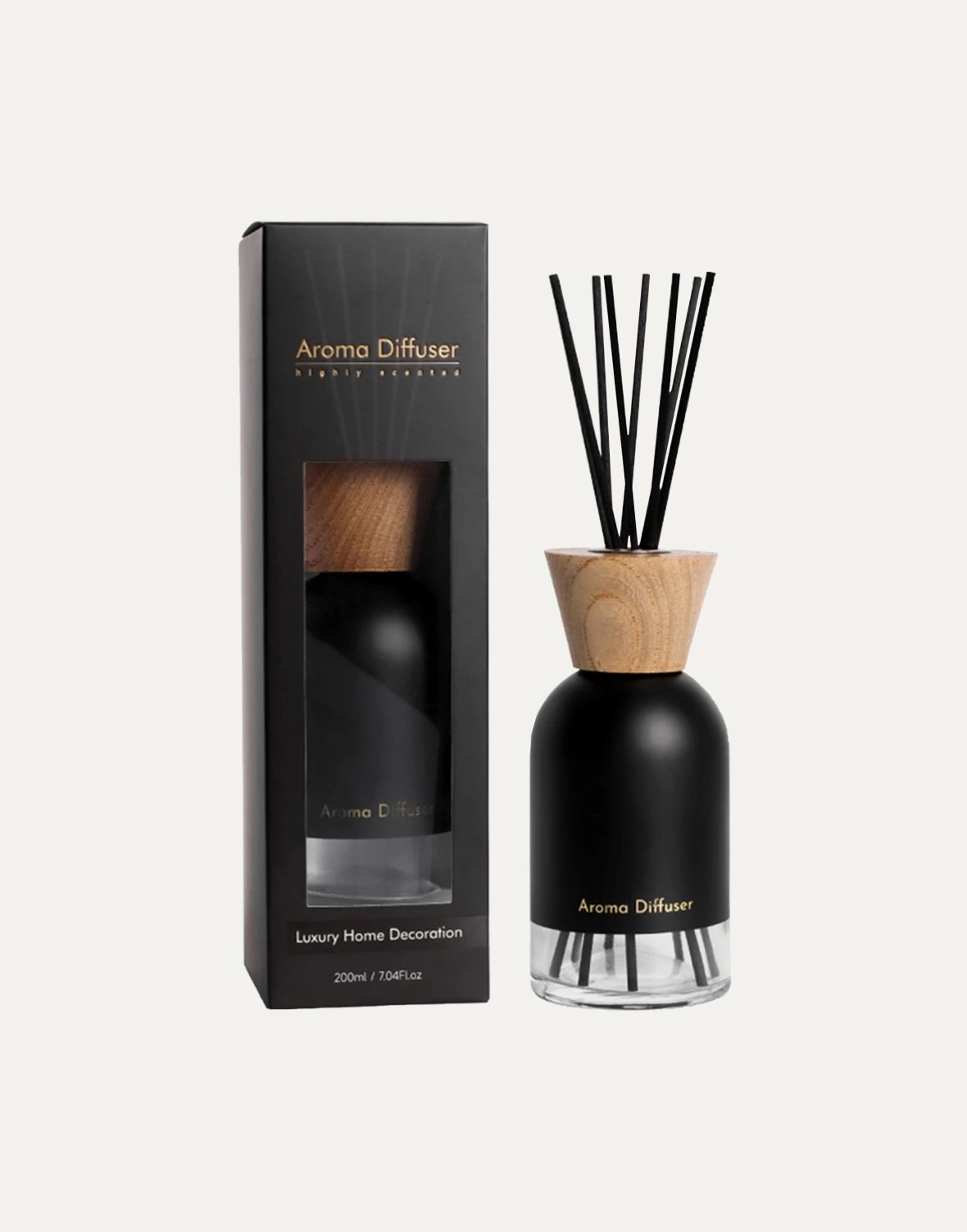
Feedback flows both directions. When we notice that a product like the Scent-Share Battery Aroma Oil Dispenser Wall Mount Diffuser performs differently in humid climates, that information goes back to the factory. These insights improve future production runs and often spark ideas for product improvements. Treating manufacturers as partners rather than vendors changes the dynamic. They’re more likely to flag potential issues early, suggest cost-saving alternatives, and prioritize your orders when capacity gets tight.
Partner With Experience
Scent-Share Technology (Guangzhou) Co., LTD. brings 10 years of scent experience to every partnership, serving 68 countries with over 300 scent varieties. Our R&D capabilities, reliable production, and comprehensive support make us a manufacturing partner worth talking to. Reach out to discuss your next project: +86 185 6557 5758 / [email protected]
Frequently Asked Questions
What are the most critical negotiation points when working with a diffuser factory?
Unit pricing and MOQs get the most attention, but payment terms, lead times, IP protection, and quality standards matter just as much. The buyers who prepare thoroughly across all these areas consistently secure better overall terms than those who focus only on price.
How can I ensure consistent quality control in my diffuser manufacturing partnerships?
Define specifications precisely before production starts, then implement inspections at multiple stages: incoming materials, in-line production, and pre-shipment. Regular factory audits and honest performance reviews help maintain standards over time. Clear communication channels for addressing issues quickly prevent small problems from becoming patterns.
What are standard payment terms to negotiate with a diffuser manufacturer?
Most factories expect 30-50% upfront with the balance due before shipment. Established buyers with consistent order history can often negotiate smaller deposits, payment upon receipt, or net 30/60/90 terms. Building trust through reliable ordering and prompt payment opens doors to more favorable arrangements.
How do I protect my intellectual property when collaborating with a diffuser factory?
Start with comprehensive NDAs and manufacturing agreements that specify exactly what you own and what the factory cannot do with your designs. Register trademarks and designs in relevant jurisdictions for additional legal protection. Choose manufacturing partners with established reputations who have as much to lose from IP violations as you do.
