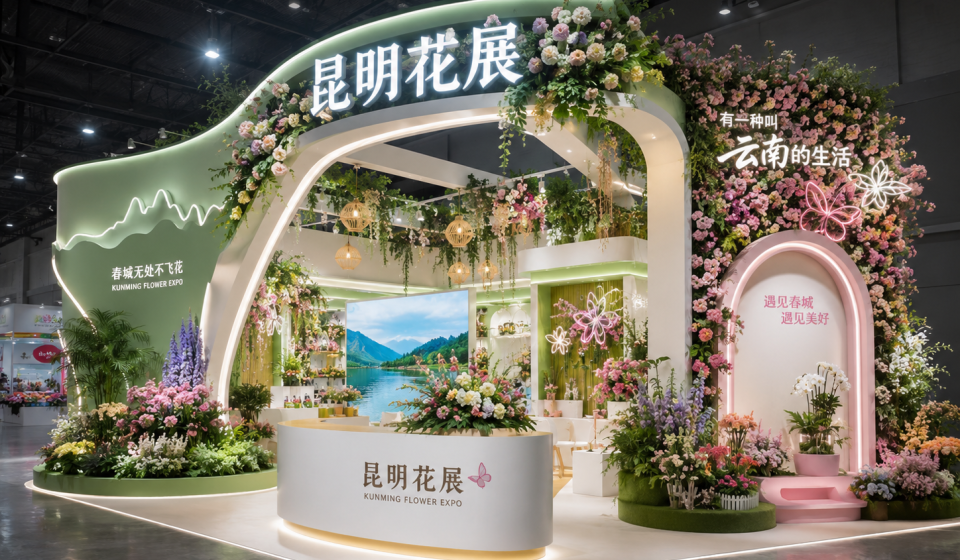

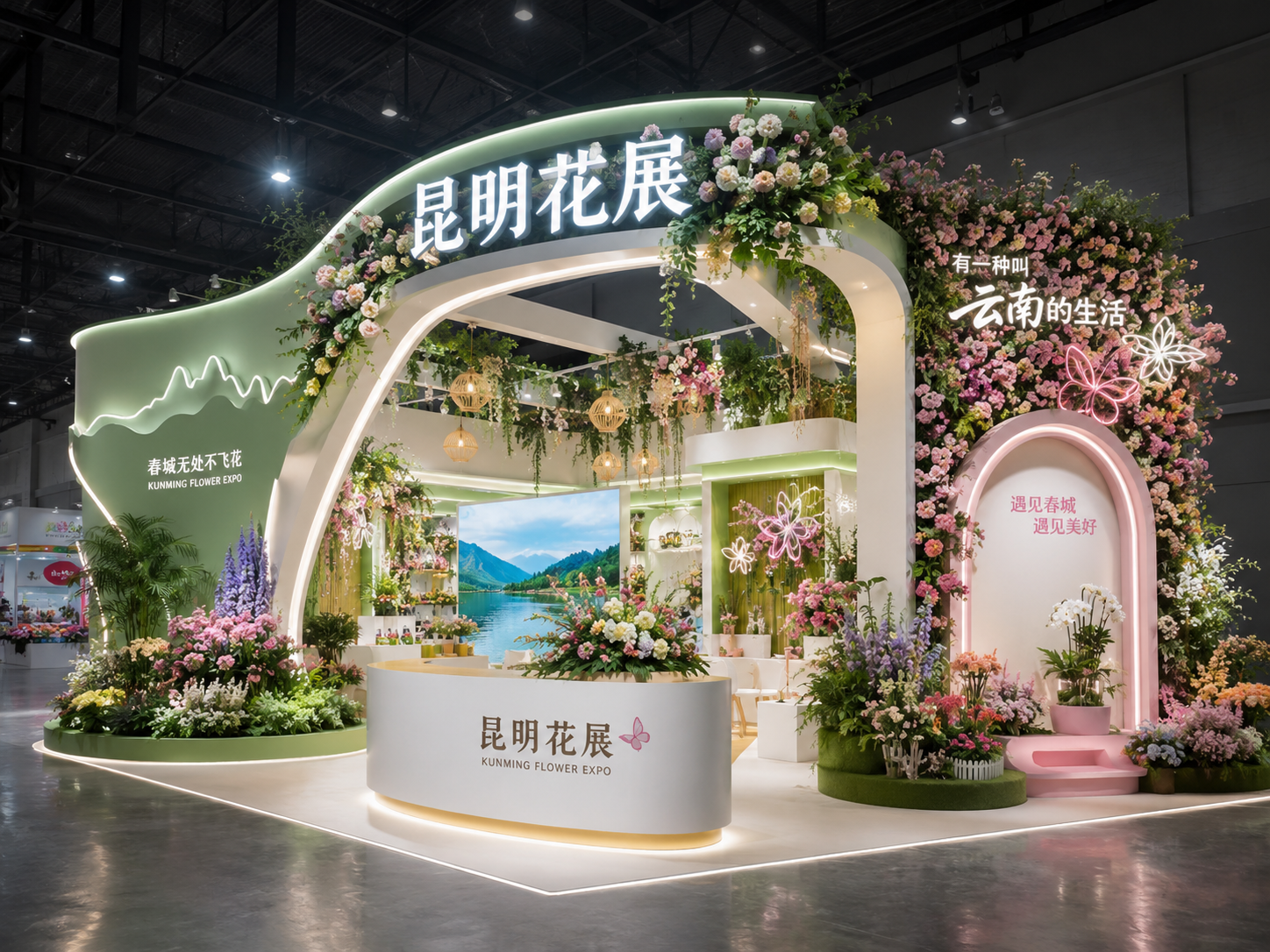
The real payoff from attending IFEX Kunming comes after the exhibition doors close, not while you are walking the aisles collecting business cards. Post-IFEX supplier relationship management is the deliberate process of identifying which contacts can become reliable, long-term sources of cut flowers and potted plants, then putting in place the verification steps and agreements that turn a handshake into a dependable supply chain. Most buyers receive the same generic advice about sending thank-you emails and logging contacts in a CRM, but the floriculture trade demands far more specific follow-through if you want a shipment of consistent-quality roses or carnations to reach your market month after month.
Structuring Your Post-IFEX Supplier Follow-Up
Time matters more in the flower trade than in most industries. A grower who seemed enthusiastic at the booth may forget you within ten days if you have not reconnected. Within 48 hours of the show’s close, send a brief, professional message that references the exact varieties or booth number you discussed. Mention one detail that proves you were paying attention—the vase life claim they made, the color range of their spray roses, their certification—because this separates you from every other buyer who took a catalogue and disappeared.
Prioritize contacts not by how impressive the display looked but by your actual sourcing gaps. If you came to IFEX looking for year-round lilies or budget-friendly gypsophila, move those growers to the top of the follow-up list. Use the IFEX exhibitor directory, which remains available post-show, to retrieve correct company names, export profiles, and contact details for any retailer you might have missed. A quick phone call or WeChat message in the days following the fair often yields faster replies than a formal email, particularly with smaller farms where the owner handles both cultivation and sales.
Verifying a Kunming Grower’s Export Capability
Not every farmer who exhibits at IFEX is ready to export directly. A beautiful stand and fresh samples prove growing skill, not logistics maturity. You need to verify four things before you invest further time: the supplier holds a valid phytosanitary registration, operates cold storage at the farm or packing house, has experience with the specific shipping method your market requires, and can provide recent export records or client references.
Request the following documents early—most serious growers will share them without hesitation:
| Document | What It Confirms |
|---|---|
| Plant quarantine registration certificate | Legal ability to export cut flowers |
| Cold chain facility photos or video walk-through | Post-harvest handling capability |
| Packing list and airway bill from a recent shipment | Real export experience and volumes |
| Contact details of an existing overseas client | Reliability and consistent quality |
If a grower is reluctant or vague about any of these, that is a signal, not necessarily a dealbreaker, but you should weigh it against the risk of a failed first shipment. In my experience working with international buyers at Kunming fairs, the difference between a supplier who ships clean roses every week and one who misses a deadline often becomes visible in this documentation phase before any money changes hands.
Negotiating Terms That Fit Seasonal Flower Supply
Chinese growers, especially in Yunnan, face sharp seasonal swings in production. A price quoted in September may not hold in February when heating costs rise and flower volumes dip. Instead of locking in a fixed annual price, structure your first order around a short-term trial contract that sets quality grades, stem lengths, packing standards, and a price validity window of four to eight weeks.
Standard payment terms for flower exports from China are either T/T wire transfer (typically 30% deposit before shipment, balance against copy documents) or irrevocable Letter of Credit at sight. Smaller farms often prefer T/T because L/Cs bring bank fees and paperwork they are not staffed to handle. If your volume justifies it, an L/C gives you stronger shipment guarantees, but you may lose flexibility on weekly adjustments. Negotiate MOQ carefully—a grower may want 2,000 stems per variety per week, while your market can absorb 1,000. In many cases, the compromise is to combine varieties or accept a slightly higher per-stem price for a smaller initial order.
If your program involves conditioning and long-distance air freight, confirm with the supplier exactly when flowers are cut, how they are hydrated, and the precooling method. A price that looks competitive becomes expensive if the cargo arrives with three days less vase life than you budgeted. Reach out at [email protected] for assistance with logistics benchmarks or to be connected with freight forwarders accustomed to Kunming flower shipments.
Managing the First Shipment Without Surprises
The first order is a test of everything you built on paper. Do not wait until the shipment leaves Kunming to discover a problem. Insist on pre-shipment photos of the actual packed product, not the showcase samples. Specify the cold chain protocol in writing: temperature set points, whether boxes are pre-cooled before loading, and the airline or carrier. Kunming’s altitude and subtropical climate create handling conditions that differ from Dutch or Kenyan logistics, so a forwarder without flower experience can undo the grower’s work.
Customs clearance on your end requires the phytosanitary certificate, commercial invoice, packing list, and sometimes an import permit. Depending on the destination country, additional treatments such as fumigation or methyl bromide may apply. Confirm these requirements before the order is packed—retroactively chasing a phytosanitary correction after departure is the fastest way to spoil a new relationship.
Track the shipment through its cold chain legs and debrief with the supplier immediately upon arrival. If the flowers open slower than expected, that is a production issue; if they arrive dehydrated, it is a cold chain or packing fail. Distinguishing between the two tells the grower you are a professional buyer, not a one-time gambler, and that you will work together to improve. This shared problem-solving builds the foundation for multi-year reliability.
Building a Multi-Year Partnership Through IFEX
Returning to IFEX year after year signals commitment. When a grower sees you at the same booth, reviewing new varieties and comparing their crop against the competition, the relationship shifts from transactional to strategic. Over time you will learn which farms produce consistently, which ones innovate with new colors or varietals, and which are worth a pre-exhibition farm visit to inspect the greenhouses directly.
Your supplier portfolio should diversify across multiple growers, not only to protect against crop failures but also to leverage competitive improvements. A regular dialogue about market feedback—what sold fast, what disappointed your customers—helps growers align their planting schedules with your demand. Chinese farmers are often quick to adjust if they trust the buyer’s market intelligence. Equally, sharing your own volume forecasts allows them to reserve planting beds, reducing last-minute shortages.
The most resilient flower supply chains I have observed are those where the buyer invests time between IFEX editions. A WeChat message about a new trend, a phone call before the harvest peak, a visit to the packaging shed—these small gestures accumulate into preferential treatment when supply tightens.
Common Questions About Post-IFEX Supplier Management
How soon should I follow up after the exhibition?
Within two working days. At the latest, send your first message by Wednesday if the show ends on Sunday. Chinese flower growers return to farm operations quickly after an exhibition, and your inquiry has the best chance of a thoughtful reply while the interaction is still fresh in their mind. Waiting two weeks often means restarting the introduction from scratch.
What if the supplier doesn’t respond to emails?
Try WeChat. Many Chinese horticulture businesses, even larger operations, run daily operations through WeChat rather than email. If you do not have a WeChat account set up with a professional profile, do that before the show. A short voice message or text in English often gets a reply faster than a formal email, especially if you attach a photo of their product from the booth. If there is still no reply after two attempts, move the contact to a lower priority tier—they may be too busy or not serious about export.
Can I rely on the samples shown at the booth?
Only as a first impression. Booth samples are selected to impress, and they represent the grower’s best possible output under ideal handling conditions. The real test is the commercial-grade product that leaves the farm on a Tuesday morning. Always request a small trial shipment, not just a photo, and inspect it for stem straightness, bud opening stage, foliage condition, and packing quality. This single trial saves you from committing to a full container of disappointing flowers later.
Do I need to visit the farm before placing a large order?
Not mandatory for a first trial, but strongly advisable before scaling up to weekly shipments. A farm visit reveals things no document can: the cleanliness of the packing shed, the actual state of the cold room, the discipline of the workers, and the scale of production relative to what the grower claims. If a trip is impossible, independent inspection services operating in Kunming can do a site visit and report, though the cost is often justified only for high-volume or premium programs.
How do I avoid being stuck with a supplier who underperforms after the first order?
Do not convert a trial into a long-term contract until you have at least three consecutive shipments that meet your specifications. Simultaneously test multiple suppliers for the same flower type during the first season and compare performance. This multi-supplier approach keeps pressure on quality and gives you alternatives if one grower’s crop weakens. Maintain a shortlist of backup contacts from IFEX and nurture them with occasional check-ins, even if you are not ordering yet. If your current supplier cannot deliver consistent quality, having a ready alternative prevents last-minute sourcing panic—share your specific volume requirements with our team at [email protected] or call +86 10 5933 9349, and we will connect you with growers who match your reliability standards.