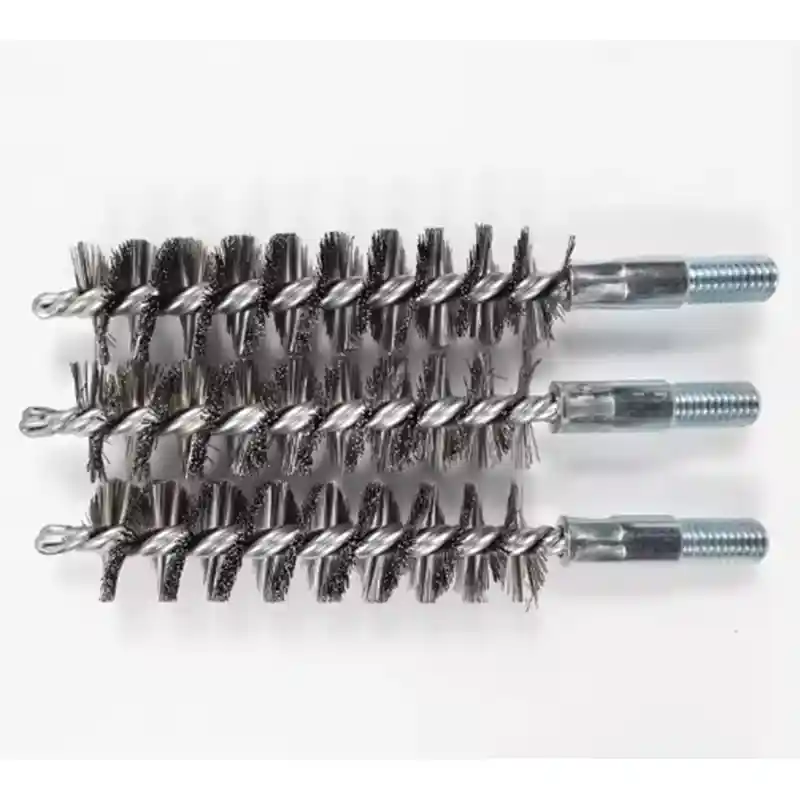

Clean glass laboratory vessels are not a housekeeping detail; they are a measurement-surface and contamination-control decision. A suitably designed lab test tube brush removes residue from narrow glassware without scratching the inner wall, leaving the surface ready for the next procedure or calibration. This guide explains material selection, brush geometry, cleaning sequence, and sourcing requirements for a durable cleaning brush for glass laboratory vessels.
<img src="https://blogs.stormyincrement.com/wp-content/uploads/2026/03/Tube-Brush_20260306_161311.webp" alt="Tube Brush" style="max-width: 600px; height: auto; display: block; margin: 20px auto;" />
Why Glass Laboratory Vessels Need a Dedicated Test Tube Brush
Glass may feel hard, but the inner surface finish is easily damaged by an over-aggressive filament. The brush has to contact the side wall and bottom of tubes, vials, burettes, and volumetric flasks. For volumetric glassware, residue film can change meniscus behavior and capacity readings; for analytical labware, organic or detergent films create carryover. ISO 4787 requires that volumetric instruments be clean before capacity testing [1]. Regulated pharmaceutical operations also require cleaning procedures that prevent contamination of equipment and subsequently drug products [2].
Bristle, Handle, and Tip Materials to Compare
A durable lab test tube brush combines a flexible twisted-wire stem, a secure handle, and a filament grade that is compatible with the solutions used in the lab. For glass, medium-soft nylon and polyester are common because they resist water absorption and common laboratory detergents while flexing enough to follow the wall. Natural hog bristle performs well for absorbent cleaning, but it can retain moisture and may require more aggressive drying. Stainless steel or brass wire is generally not recommended for glass test tubes because stiff wire can scratch or burnish the bore. Borosilicate glass used in laboratory apparatus has specific chemical durability and thermal properties [4], so filament selection should be tested with the exact wash temperature and cleaning chemistry.
<img src="https://blogs.stormyincrement.com/wp-content/uploads/2026/03/Wood-Handle-Brush_20260306_161316.webp" alt="Wood Handle Brush" style="max-width: 600px; height: auto; display: block; margin: 20px auto;" />
Tip design has an outsized effect on whether a narrow-bore brush cleans the wall or only rearranges residue. how do you know about [deburring brush](https://www.huixibrush.com/deburring-brush/)es covers working-end geometry, fill density, and the trade-offs between aggressive material removal and surface-safe contact.
How to Match Brush Geometry to Narrow Laboratory Glassware
Selection starts with three dimensions: tube inner diameter, length from mouth to bottom, and the fillet at the tube bottom. The brush should fill the bore with light interference, not heavy compression. For straight-walled test tubes, a radial tip with a soft end tuft cleans the bottom; for volumetric flasks, a fan or angled tip helps reach the shoulder. A user should also check the twisted-stem wire tip: exposed stem can strike glass if the brush is inserted at an angle.
<img src="https://blogs.stormyincrement.com/wp-content/uploads/2026/03/Cylindrical-Brush_20260306_161257.webp" alt="Cylindrical Brush" style="max-width: 600px; height: auto; display: block; margin: 20px auto;" />
For labs that need repeatable results, choose a brush with a sealed handle connection, clean filament trim, and no loose fill. If you are procuring for mixed glassware sizes, specify the full vessel list and wash media before tooling. Send tube IDs, lengths, and handle preferences to [email protected] for a dimensional recommendation if the line includes uncommon sizes.
Cleaning Sequence That Protects Lab Results and Glassware Life
A good brush only works inside a good cleaning sequence. Pre-rinse with tap or feed water to remove soluble residue, then use a laboratory detergent matched to the residue, then brush the side wall and bottom with light pressure, and finally rinse. The final rinse for trace analysis should use reagent water [3]. Detection methods can give false positives if the last rinse leaves surfactant or fibres behind.
After cleaning, inspect under light and store the brush dry and off the benchtop. This prevents brush-to-brush contamination and keeps the handle hygienic. The American Chemical Society describes cleaning glassware before use as a basic laboratory safety practice [5].
Fit is what separates a brush that wipes the entire wall from one that only passes through the centre. brass brushes work perfectly for pipe cleaning covers how internal-diameter brushes are sized for pipe bores and why filament density controls contact pressure.
Specifying and Sourcing a Durable Lab Test Tube Brush
When standard catalogue brushes do not match a vessel’s geometry, a custom or semi-custom brush is often more reliable than forcing a poor fit. The specification should cover filament material, stem diameter, stem length, handle type, tip shape, and packaging. For glass laboratory vessels, the specification usually prioritizes scratch-free contact, fibre retention, and autoclave or chemical compatibility. Our application engineers start from the vessel drawing and the cleaning solution to narrow the choices.
For production cleaning that moves beyond manual test tubes into cylindrical nylon contact, the brush design often changes. main features and applications of hx nylon cylindrical brush covers nylon cylindrical brush construction and where controlled, scratch-free contact is most valuable.
Contact Huixi Brush for Custom Lab Test Tube Brushes
Send your tube dimensions, handle requirement, cleaning medium, and order quantity to [email protected]. Our engineers will recommend a durable test tube brush or develop an OEM/ODM specification for your glass laboratory vessel range. For larger bores and production cleaning, please also review our tube cleaning brush and deburring brush options.
FAQ
What is the best filament for a test tube brush used on glass?
Medium-soft nylon or polyester is usually the safest starting point for borosilicate and soda-lime laboratory glassware. It resists common detergents, dries quickly, and flexes enough to follow the tube wall without scratching.
How do I choose the right brush diameter?
Measure the tube’s inner diameter and select a brush that makes light wall contact without heavy compression. The brush should move with finger pressure; if the stem bows or the handle flexes strongly, the fill is too dense or too large.
Can a lab test tube brush be autoclaved?
For reusable lab brushes, choose an autoclavable handle and filament if sterility matters. Polypropylene handles and nylon or polyester fills often tolerate standard autoclave cycles, but material-specific limits should be confirmed with the brush supplier.
How do I prevent scratches and fibre shedding?
Use a softer filament for glass, avoid exposed stem contact, inspect for bent or broken wires, and replace worn brushes. Brushes should be rinsed after each use and stored dry to reduce contaminant transfer.
References
[1] ISO 4787:2010, Laboratory glassware — Volumetric instruments — Methods for testing of capacity and for use, International Organization for Standardization.
[2] U.S. Food and Drug Administration, Code of Federal Regulations, Title 21, Part 211.67, Equipment Cleaning and Maintenance.
[3] ASTM D1193-06(2018), Standard Specification for Reagent Water, ASTM International.
[4] ASTM E438-92(2018), Standard Specification for Glasses in Laboratory Apparatus, ASTM International.
[5] American Chemical Society, Safety in Academic Chemistry Laboratories, 8th ed., 2017.
If you’re interested, check out these related articles:
the differences between inward and outward spiral brush
honing brush a magic tool for flexible burr removal
what you know about brass wire brush strip
descaling spiral brush an innovative tool and generalist in the field of industrial cleaning