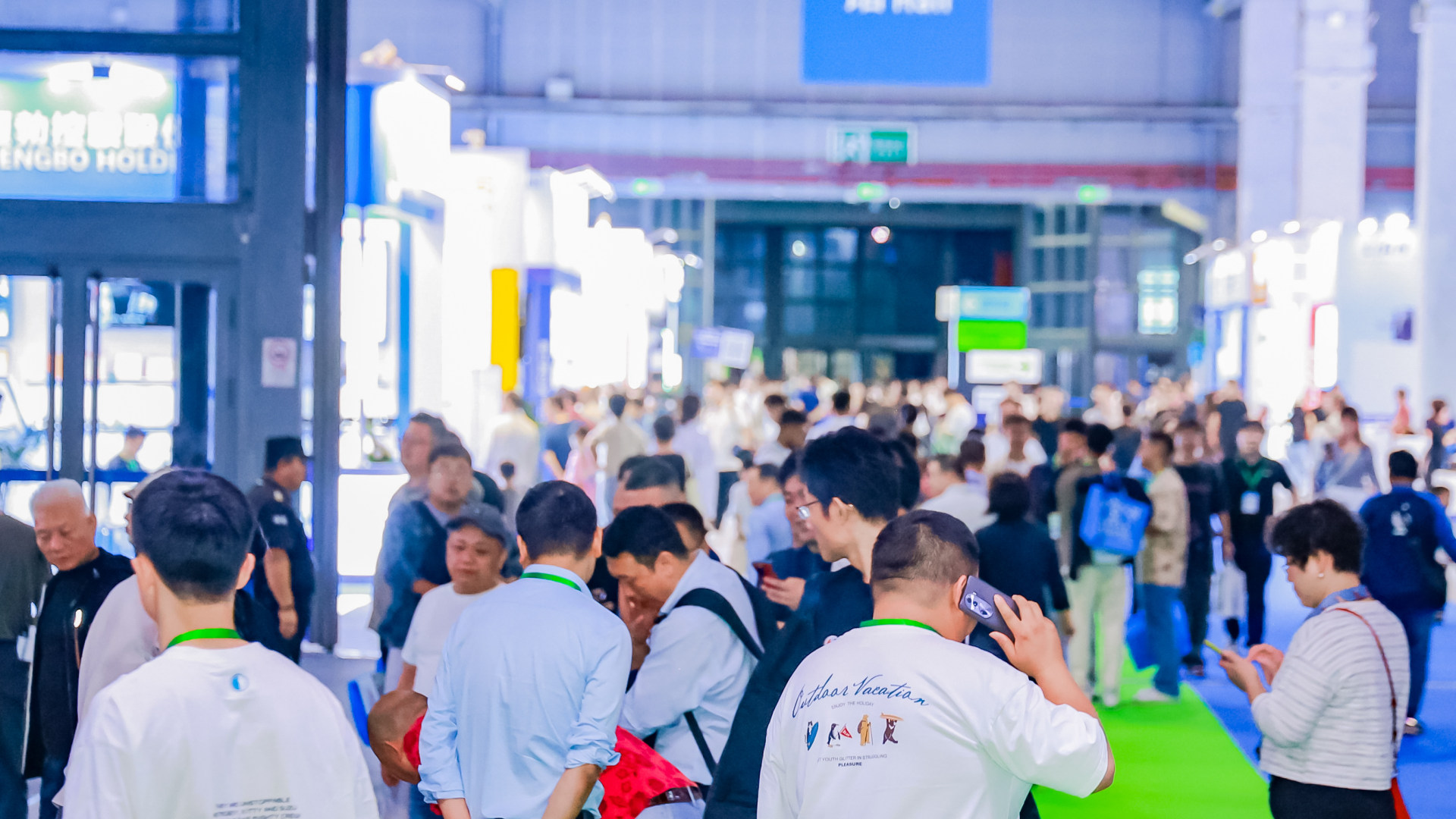

An auto parts trade show in China is not a place to collect catalogs. It is a compressed supplier verification trip. I have seen too many first-time visitors walk the full floor and leave with nothing but a heavy bag and a vague impression of which booths were biggest. The buyers who get factory-direct pricing from Yuhuan chassis makers or Qinghe filter producers arrive with part numbers, cluster maps, and a shortlist. At APES Auto Parts Expo Shanghai, the floor is organized to match that behavior. The sequence is straightforward: choose the right event, prepare the paperwork, compare suppliers on the spot, and turn the visit into a ranked sourcing plan.
Why does an auto parts trade show in China beat a directory search?
A directory gives you a name and a website. A trade show gives you the part in your hand, the engineer behind the booth, and the factory location. That difference matters for buyers who need to verify production capability before committing to an OEM or aftermarket order. At an auto parts trade show in China, you can ask a supplier to open the casting housing, show the machining marks, or run a wiring harness through a continuity check. Most online listings cannot survive that test.
The real value is cluster density. Chinese auto parts production clusters sit near the show, not behind a search result. Yuhuan chassis manufacturers, Ruian brake parts suppliers, Wenzhou auto electronics makers, Changzhou lighting producers, and Qinghe filter companies often exhibit in nearby zones. A buyer can compare five control arm producers in one afternoon, which would take weeks through email or online messages. This is why the floor plan matters more than the booth decoration.
Which auto parts trade show in China should you attend first?
Start with buyer mix and product coverage, not the size of the hall. Some events bring broad auto accessories traffic; others concentrate on combustion and NEV component clusters. APES Auto Parts Expo Shanghai is built for the second type. It groups exhibitors by engine parts, chassis systems, brake components, auto electronics, body parts, filters, sealing products, and NEV components. That grouping shortens the walk from one supplier to the next and makes direct factory comparisons possible.
For 2026, I would put APES Shanghai in July on the shortlist along with a cluster visit. If you are sourcing high-voltage wiring harnesses, battery structural parts, or thermal management components, confirm ahead that the exhibitor list covers the specific subcategory. A show full of engine component booths will not serve a buyer who needs EV charging gun suppliers. The floor plan is your first qualification filter.
How do you prepare before you attend an auto parts trade show in China?
Preparation has two tracks: entry logistics and supplier targeting. Entry logistics starts with the invitation letter. Request it from the organizer as soon as your travel dates are firm. Most international attendees use the letter for a business visa application. You also need a hotel within reasonable transfer time to the venue, a local payment method, and mobile data. The second track matters more. Download the exhibitor list, filter by product category, and mark the booths that match your part numbers before you leave.
Here is the pre-trip checklist I use with first-time buyers:
- Confirm passport validity beyond six months and visa route.
- Send the organizer your company profile to receive the approved invitation letter.
- Book a hotel near the exhibition complex or on the metro line.
- Map ten to fifteen target booths per day, not fifty.
- Prepare part numbers, drawings, sample photos, and previous purchase prices.
- Load WeChat and a local data plan before landing.
Use the table below to separate document tasks from sourcing tasks.
| Task | Why it matters | Do this before |
|---|---|---|
| Invitation letter | Needed for most business visa applications | 4 weeks before travel |
| Exhibitor list | Tells you which clusters actually attend | 2 weeks before |
| Part number sheet | Grounds pricing conversations in real demand | 1 week before |
| Booth map | Keeps you from walking without direction | Night before each day |
| Contact log | Captures quotes and WeChat IDs | Daily at the show |
How do you compare suppliers and get factory-direct pricing at the show?
Never ask for a price before you ask about the process. A booth quote is only useful if you know whether the supplier is a factory, a trading company, or a branded exporter. Ask for the factory address, the production line, the quality certification, and the export markets they already serve. If a filter supplier cannot tell you the filter media grade, move on. If a brake pad supplier cannot discuss friction material formulation, move on. The booth should be an audit point, not a photo stop.
I have seen buyers collect twenty quotes and still make a bad decision because all twenty were list prices. The better sequence is to request three numbers in the same conversation: unit price at your initial quantity, tooling or development cost if relevant, and lead time to FOB port. That structure exposes the supplier’s commercial logic. Compare it across three booths in the same cluster before you buy anyone a coffee.
If your program involves NEV thermal management parts, high-voltage wiring, or electronic control modules, confirm the booth’s IATF 16949 status and any existing export documentation before you leave the aisle. You can email [email protected] with your part number and quantity, and we will confirm which exhibitors match that documentation profile.
What is the one action that makes an auto parts trade show in China pay for itself?
Leaving with brochures is not a sourcing outcome. The buyers who win are the ones who leave with a ranked list of factories, a set of comparable quotes, and follow-up invitations for line audits. You can do that by sending one focused message after the event or even before the floor opens. Send your part number, target quantity, and preferred production cluster to [email protected], or call +021-60280788. We will check the confirmed exhibitor list and match you to the booths that fit your sourcing brief.
What do buyers usually ask after a China auto parts trade show?
Do I need a visa to attend an auto parts trade show in China?
Yes, most foreign buyers need a business visa or a qualifying visa-free transit arrangement before traveling. The organizer’s invitation letter is the document that makes the visa application concrete, so request it before booking flights. Some nationalities also need a hotel confirmation and return ticket. I have seen buyers delay the letter and then lose two weeks waiting for a consular slot. Ask the organizer about your specific passport early, and carry printed copies of the letter to the venue in case badge registration requires it.
Can I get factory-direct prices at a China auto parts trade show?
Many buyers assume the booth price is already factory direct, but the first quote is usually list price. Factory-direct pricing has to be negotiated by showing real demand: part number, target quantity, previous price, and delivery expectations. A trading company may quote fast but remove flexibility on design changes. A manufacturer will ask more questions before committing. The useful signal is not the first number but how quickly the booth staff can tell you the process, tooling status, and export documentation behind that number.
How much time should I plan for an auto parts trade show in China?
It depends on whether you need one component category or several. For a single category like brake discs or control arms, two days can be enough if the floor plan groups suppliers by cluster. For multi-system sourcing across engine parts, chassis components, and NEV parts, plan three days and split each day by zone. The mistake is treating the show as a one-day exhibition walk. Schedule cluster time in the morning, follow-up meetings in the afternoon, and leave the final afternoon open for return visits to your shortlist.
How do I compare quotes after the show closes?
In follow-up rounds I have managed, the buyers who get comparable quotes fastest are those who photographed the booth sample and recorded the contact person’s WeChat on the spot. A quote without a contact photo and booth number is hard to verify later. Compare the three numbers: unit price, tooling or development cost, and FOB lead time. If a supplier refuses to separate them, treat that as a red flag. Share your shortlist with [email protected] and we will confirm which exhibitor profiles are still active in the matchmaking system.
If you’re interested, check out these related articles:
Tomorrow World: Innovation Achievement Exhibition and Industry Future Forum
APES 2026 to Redefine Global Sourcing Landscape as Automotive Industry Eyes Resilient Future