
IFEX vs IPM Essen is not a simple contest between two flower trade shows; it is a sourcing geography decision. For buyers whose margins depend on Asian cut flower supply, direct grower access, and shorter lead times from Yunnan, IFEX Kunming is the stronger trip. IPM Essen still matters for European variety trends, breeder licensing, and high-end genetics. In my fifteen years working across Asian floriculture and exhibition planning, I have seen buyers waste calendar weeks at the wrong show because they never separated these two missions.
What Are IFEX and IPM Essen Built to Do?
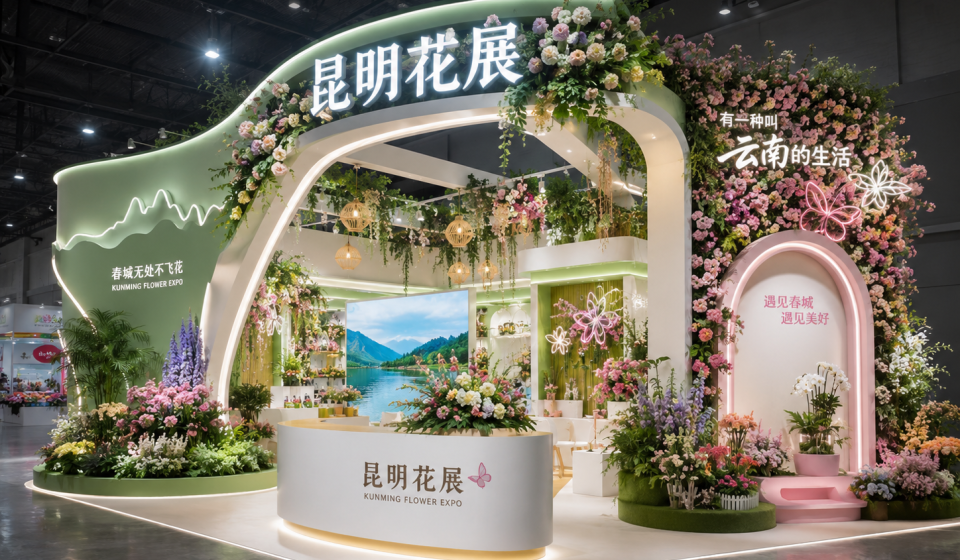
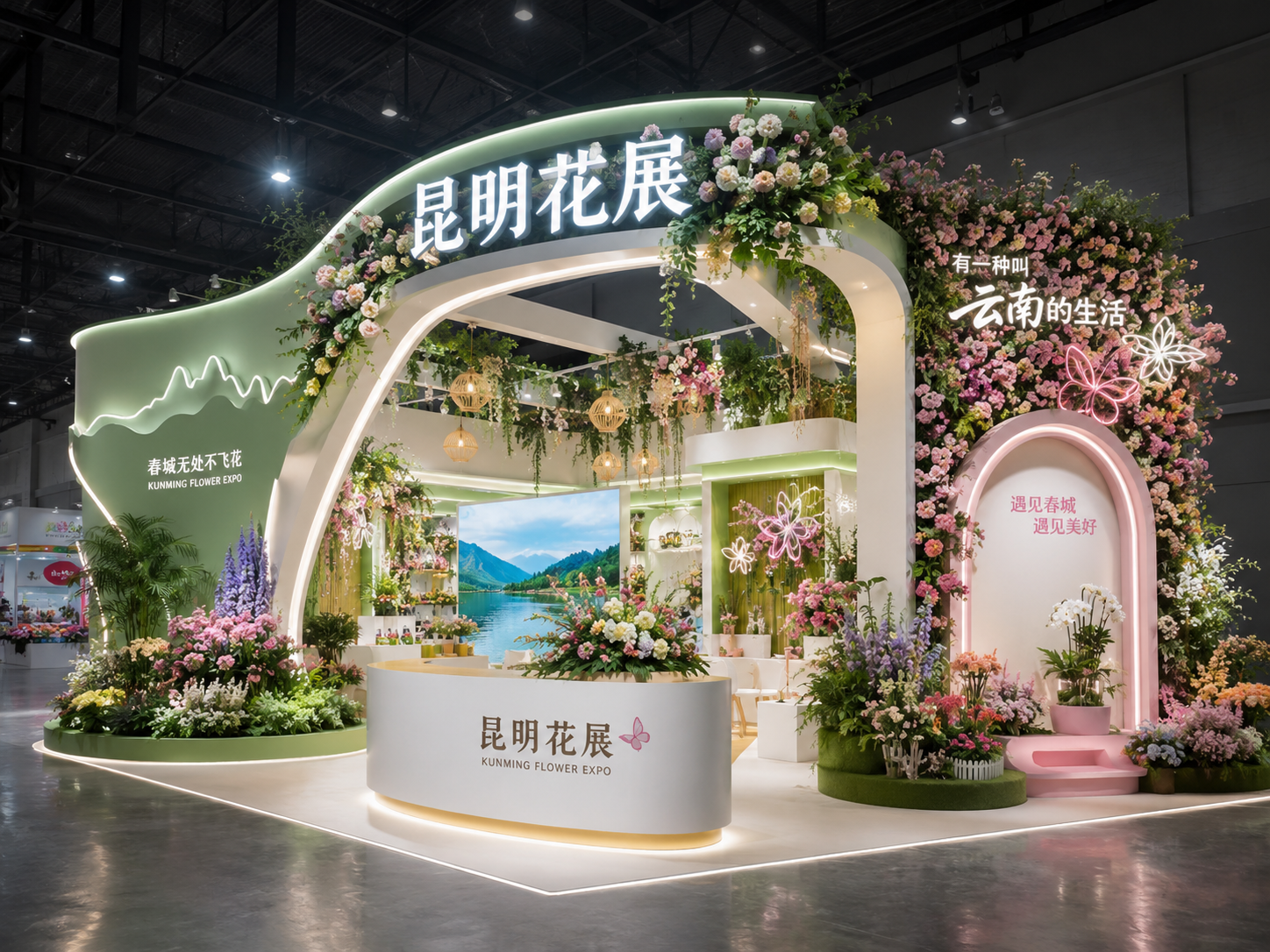
IFEX operates inside Kunming, the largest cut fresh flower production and distribution center in China. The show covers 50,000 square meters and is expected to draw more than 30,000 distributors, wholesalers, traders, floral retailers, and floral e-commerce players. Its floor is built around supply chain matching: growers, exporters, packaging suppliers, cold chain operators, and logistics teams sit in the same halls. IFEX is built around the full chain, not just a product display.
| Factor | IFEX Kunming | IPM Essen |
|---|---|---|
| Primary role | Asian cut flower and full supply chain sourcing | European ornamentals, genetics, and trend direction |
| Location | Kunming, China | Essen, Germany |
| Buyer profile | Distributors, wholesalers, retailers, e-commerce flower players | European growers, breeders, garden retailers, landscapers |
| Supply chain access | Direct to Yunnan growers, exporters, cold chain providers | Breeder and licensing network, fewer direct Asian grower contacts |
The Essen fair runs from Germany and serves a different function. It has a long record as a European ornamentals fair where breeders present new genetics, garden retailers test assortments, and international buyers track what European consumers will buy next. It is strong on variety direction and licensing conversations. It is not built around direct access to Asian flower production.
Where Does Each Show Sit in the Asian Flower Supply Chain?
Location shapes what a buyer can close in one trip. Kunming is the center of Yunnan’s flower growing belt, which includes areas around Kunming, Yuxi, Tonghai, and other production zones. Dounan, the main trading hub in Kunming, gives buyers a live view of daily price movements and available varieties before the exhibition even starts. A buyer at IFEX can combine show floor meetings with grower visits and Dounan market observation in the same week.
IPM Essen sits far from these production sites. A European buyer attending IPM can study market trends, but they cannot walk the supply chain that fills their containers. The show is useful, but the geography limits what it can reveal about Asian cut flower sourcing. This is the first split in the decision: choose the show next to the farms if the job is supplier qualification and cost control; choose the show next to the consumer market if the job is variety forecasting.
Why Does IFEX Work Better for Asian Sourcing Programs?
Buyers building Asian programs usually arrive with three constraints: minimum order quantities, quality consistency across multiple growers, and lead times that survive real cold chain conditions. IFEX compresses that supplier search into a few days because the exhibiting base is concentrated in exactly the companies a buyer would otherwise try to reach through WeChat, phone calls, and long supplier visits. Instead of chasing introductions, a buyer can compare rose, lily, carnation, and potted orchid exporters face to face, often from separate production zones, on the same floor.
I have watched procurement managers walk the halls with a shortlist of suppliers and leave with a second list of backup growers they had not planned to meet. That happens partly because the exhibition floor is organized around the full chain, not just finished flowers. A conversation that starts at a rose stand can lead to a packaging supplier two aisles away and a cold chain operator in the next hall. The value is not a single meeting. It is the ability to verify an entire sourcing route in one location.
If your program involves multiple flower categories, mixed container loads, or a move toward direct grower relationships, confirm the 2026 exhibitor list and hall plan before you set dates. The floor layout determines how many qualified conversations you can complete in a day. Email [email protected] and ask for the current sourcing map and category zones.
Which sourcing decisions can be completed at IFEX in one day?
Price comparisons, minimum order quantity discussions, and sample quality checks can all happen in a single day. The limiting factor is not whether the suppliers are present; it is how tightly the buyer schedules each meeting. I usually recommend buyers block 45 minutes for a first qualifying conversation, leave 15 minutes for notes, and keep two open slots for supplier introductions from neighboring stands.
How does direct grower access change lead times?
Direct access shortens the information chain, not automatically the shipping time. When a buyer talks to the grower directly, they learn what is in stock, what can be cut to order, and where the nearest consolidation point sits. That knowledge lets a buyer decide whether a late-season order is realistic or whether they should shift volume to a backup grower. The logistics still depend on cold chain performance, not the booth meeting itself.
What Still Makes IPM Essen Relevant for European Buyers?
IPM Essen still earns its place when the buyer’s main question is what European consumers will ask for in the next 12 to 18 months. Breeders show colour shifts, new series, improved vase life, and pot plant concepts before they reach volume production. Those signals are harder to read from Asian production data alone. A florist chain or garden center group that needs its assortment to match European retail trends should keep that trip on the calendar.
That said, the Essen fair is not a substitute for IFEX when the order requires container volumes from Yunnan. The two shows answer different parts of the buying cycle. I have seen companies use IPM for variety direction and IFEX for volume sourcing in the same year, and that combined approach works better than forcing one show to do both jobs.
Why Should IFEX Be on Your Next Sourcing Calendar?
Most international flower buyers lose more time to fragmented supplier screening than they lose to shipping. The Asian flower market has deep supply, but it is spread across hundreds of farms and exporters. That fragmentation is the pain point. IFEX collapses the search into one venue in Kunming, with more than 30,000 expected trade visitors and a 50,000 square meter floor that connects growers, exporters, logistics providers, and packaging suppliers. The next step is not to decide every supplier. It is to test the floor plan against your sourcing list. Send your product categories, target volumes, and preferred packaging to [email protected], or call +86 10 5933 9349, and ask for the current exhibitor list and category zones relevant to your program.
What Do Flower Buyers Ask Before Choosing Between IFEX and IPM Essen?
Can IFEX replace IPM Essen for a European flower importer?
If the importer also sources from China or needs a wider Asia based supplier base, IFEX can carry much of that work. If the business is purely European assortment planning, IPM still holds the advantage because no other show carries the same depth of European breeder and retail signals. For merchants that operate both channels, the two shows are complementary rather than substitutes.
Do I need IPM Essen if I already know my Yunnan suppliers?
A common mistake is assuming IPM is required every year once Yunnan suppliers are in place. Once a buyer has established grower relationships and a qualified backup list, the sourcing task becomes supplier management, not discovery. IPM’s main value then shifts to seeing new varieties and checking whether European assortments are moving in a direction that will reach Asia within two or three seasons. If your catalog depends on new genetics, one visit every two years may be enough; if you buy established commercial varieties, IFEX covers more of the decision.
Is it realistic to combine IFEX with a visit to Dounan market?
Yes, and the combination is one of the strongest reasons to choose IFEX. Kunming is the center of China’s cut flower production and distribution system, and Dounan gives buyers a fast read on daily prices, volumes, and quality sorting. I recommend leaving at least one half day for the market after the first day of exhibitions, when the show floor has already produced a shortlist of suppliers to compare against the market’s live trade.
What should I prepare before contacting the IFEX team about buyer registration?
The question is less about registration documents and more about whether the team can match you to the right pavilions. Write down the flower categories, target purchase volumes, preferred packout, and your current market entry point for each Asian source. That information lets the team point you to the pavilions and exhibitor groups that fit your program instead of sending a generic floor map. It also cuts the time spent on suppliers who cannot meet your volume or cold chain requirements. Share your product categories and target volume with [email protected] and we will confirm which zones and forums match your sourcing plan.