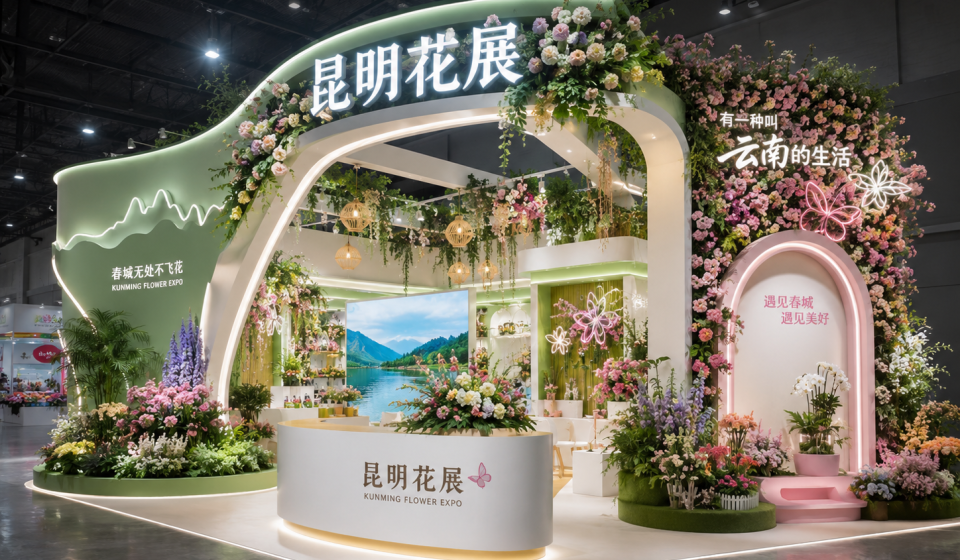

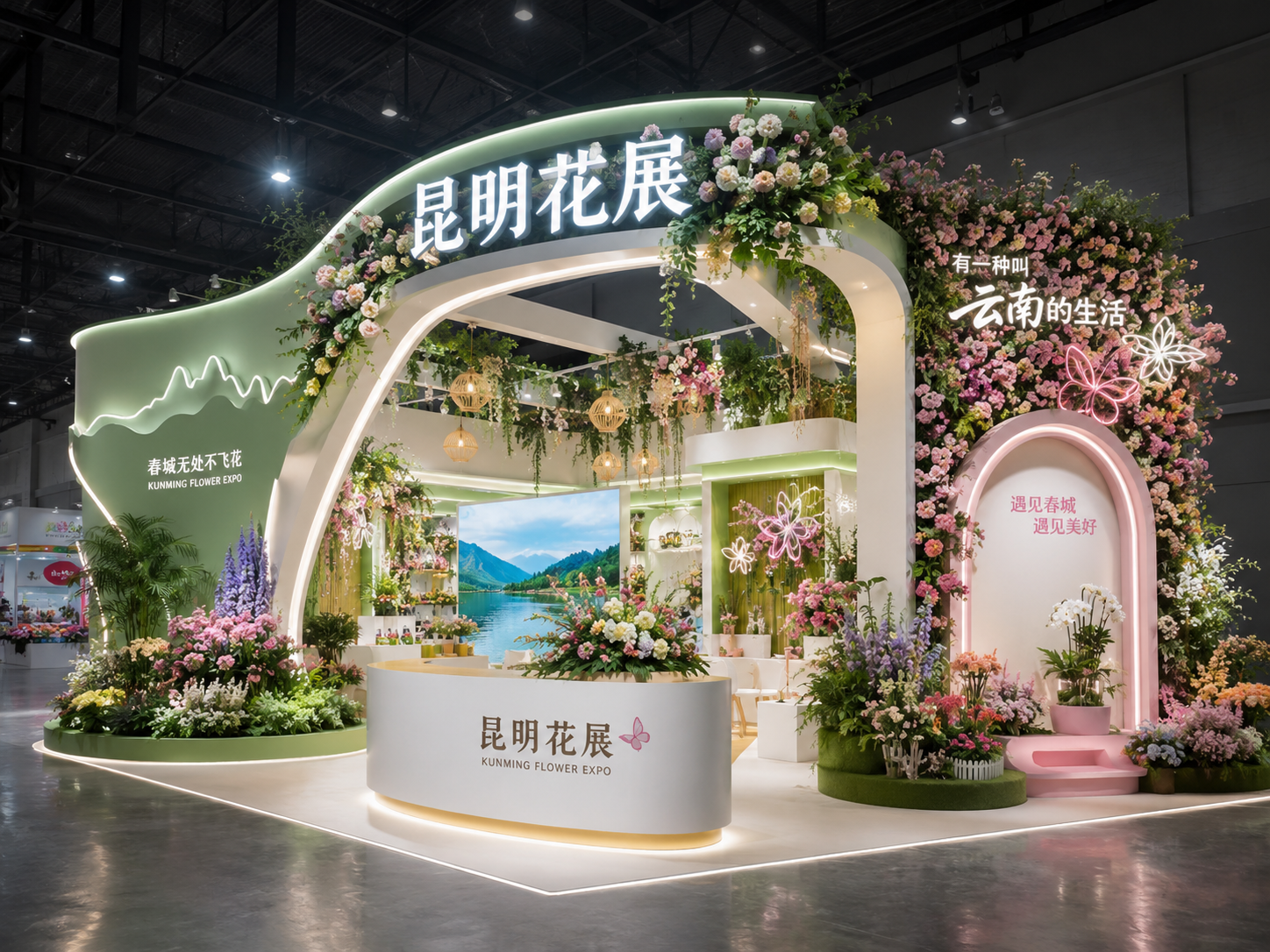
Global flower buyers do not choose a supply chain from a spreadsheet. They choose it after walking rows of roses, handling stems, and testing how a grower responds to pressure on volume and lead time. IFEX for Asian flower sourcing compresses that process into a single Kunming venue where more than 30,000 distributors, wholesalers, traders, and retailers are expected to gather across 50,000 square meters. For importers, florists, and e-commerce sellers building or rebuilding an Asian program, the value is not the booth alone. It is the ability to compare growers, inspect varieties, and reach firm commitments faster than remote sourcing can match.
Kunming Anchors Asian Flower Sourcing for Global Buyers
Most global flower buyers meet Kunming through a rose, not a map. The city sits inside Yunnan, the province that has become China’s dominant cut flower production base because of its altitude, sunlight range, and temperature control across growing areas. The surrounding towns outside Kunming, including Yuxi and Tonghai, have built dense grower networks around roses, carnations, lilies, and specialty stems. That matters for a buyer in one specific way. The supply chain is already moving before a single order is placed.
I have spent fifteen years working exhibition programs in this industry, and one pattern repeats. Programs that hold up are built where the grower, the packhouse, and the logistics partner understand each other. Remote vetting can miss the operational mismatch that shows up in a ten-minute conversation on the floor. Kunming is one of the few places where a buyer can meet all three in the same day, which makes the location as valuable as the event itself.
Stems for export leave Yunnan on established cold chain routes to markets across Asia, the Middle East, and Europe. That existing flow reduces the learning curve for an international buyer. A new program does not have to create a route from zero. It has to find the supplier who already runs the route at a volume and grade that fits the buyer’s shelf. IFEX puts the buyer in the middle of that existing network rather than asking them to build one from outside.
IFEX Brings the Full Asian Flower Supply Chain Indoors
Most trade visits force a buyer to choose between depth and breadth. The structure of this event removes that tradeoff. The 50,000 square meter exhibition area covers the full floral industry chain, from planting materials and greenhouse systems to fresh cut flowers, potted plants, processed products, packaging, and cold chain services. That range changes the sourcing conversation. Instead of spending a week traveling between scattered suppliers, a buyer can move from seed genetics to export packing in an afternoon and see how each link fits the next one.
The floor is built around matchmaking by buyer category. A supermarket chain buyer, a floral e-commerce seller, and an event designer do not need the same supplier set, and the platform reflects that. Forums and activity sessions add another layer. Planters, trade visitors, and industry experts discuss supply development and trends that will shape availability and pricing months later. Those sessions are early signals, not background noise.
A useful way to think about the value is to compare remote sourcing with the event floor.
| Evaluation point | Remote sourcing | Event floor |
|---|---|---|
| Supplier reach | Inbound messages and paid directories | Direct row-to-row access across Yunnan’s export base |
| Sample inspection | Photos and shipped samples | Stems, buds, and foliage handled on site |
| Verification | Documents only | Certificates, facilities, and cold chain questions answered live |
| Speed to commitment | Weeks of back-and-forth | Same-day shortlist with next-day follow-up |
| Relationship depth | Email thread | Face-to-face with owners and export managers |
For a buyer, the table points to one conclusion: the fair turns evaluation into a physical process. That means preparation determines how much value a buyer extracts from the floor.
Face-to-Face Verification Is the Real Supplier Risk Filter
Remote sourcing can show a supplier’s catalog, but it cannot show how a grower reacts when a buyer asks to see the packhouse. The physical floor solves that. A buyer can inspect stems for head size, foliage condition, and vase life under real handling conditions. They can ask an export manager to explain phytosanitary documentation and watch whether the answer comes without hesitation. They can compare the same rose variety from three growers on adjacent booths. Those checks are difficult to fake and almost impossible to replace with email.
If your program includes mixed fresh cut and potted plant shipments, cold chain and phytosanitary requirements differ by category and destination. It is worth confirming the right exhibitor segments before you book. Email [email protected] with your target categories and volume, and we can confirm which exhibitor groups fit your program.
One lesson from exhibition work is that the most useful supplier conversations start small. A buyer who asks specific questions about cold chain cutoff times, minimum order quantities, and packhouse capacity can usually tell within ten minutes whether the supplier has real export depth or only a well designed booth. Use the floor to verify, not to collect catalogs.
Kunming also gives buyers the option to extend the visit to Dounan Flower Market, the large fresh-cut trading hub outside the city. Many importers use structured meetings on the exhibition floor and then visit Dounan to observe daily movement and price formation. That combination is difficult to replicate at other events, and it is one reason global buyers keep returning to Kunming for first-stage verification.
Your Next Step for Building an Asian Flower Supply Chain
Most buyers arrive with a broad shortlist and leave with a narrower one, but only if they prepare. Without a clear category and volume brief, a large floor can feel like too many conversations and not enough decisions. The event reduces that pressure through matchmaking, structured forums, and direct access to Kunming’s existing flower supply base. For buyers serious about Asian programs, this event is the most efficient first step to verify and build a supplier portfolio.
The practical next step is to share your target varieties, volumes, and shipment destinations before you travel. Send those details to [email protected] or call +86 10 5933 9349. We can confirm which growers, exporters, packaging suppliers, and cold chain exhibitors match your program, so you arrive with a shortlist instead of a map.
Common Questions Global Buyers Ask About IFEX Sourcing
Is the fair only for large importers and wholesale buyers?
No. The buyer mix ranges from supermarket chain buyers and large wholesalers to florists, event designers, and e-commerce sellers. What changes is not whether the event is useful, but how a buyer should plan the floor. A high-volume importer may spend most of the day on packhouse, cold chain, and minimum order questions. A florist may focus on variety selection and small lot supplier flexibility. The common requirement is a clear sourcing brief, not a large order history.
Do I need to speak Chinese to negotiate with suppliers at the fair?
Many buyers assume language will be the main barrier, but the more important preparation is commercial. Export focused Yunnan growers and trading companies usually have staff who work in English, and the fair operates with international trade facilitation in mind. Still, confirm terms in writing even when the conversation feels easy. Incoterms, lead times, varieties, grade specifications, and phytosanitary responsibility need to be recorded on the order sheet, not left to memory.
How quickly can a buyer move from the fair to first shipment?
It depends on the program and the supplier’s existing export readiness. If the buyer already holds import permits and chooses an established exporter, sample confirmation can happen within days after the event, with first shipment sometimes within weeks. For new-to-export growers or unusual varieties, testing, documentation, and minimum order negotiation take longer. The practical rule is to use the fair to identify suppliers who already hold export documentation, because those partners shorten the timeline sharply.
Should a buyer combine the fair with a visit to Kunming’s wholesale flower market?
In most sourcing trips I have planned, yes. The exhibition gives structured access to growers, breeders, and exporters, while Dounan Flower Market shows how daily supply moves through the fresh-cut trade. The combination gives a buyer insight into both long-term supply planning and short-term market behavior. If your schedule is tight, spend the first days on the exhibition floor and the final day at the market. If you want to structure both visits in a single trip, send your target categories and dates to [email protected].