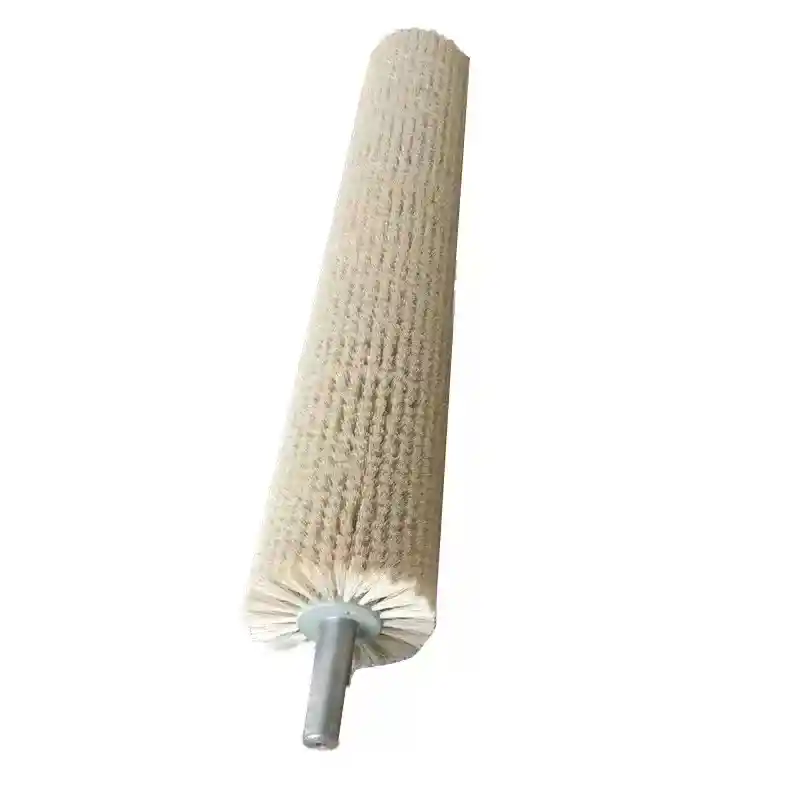

Multi-purpose industrial cleaning brushes simplify factory floor maintenance by handling multiple cleaning tasks with one tool. But a brush that consistently performs across different surfaces—removing debris without scratching painted surfaces, sweeping fine dust without clogging—rarely comes out of a catalog box. After more than fifteen years of engineering custom brush solutions for global manufacturers, I’ve seen firsthand that a truly versatile brush depends on careful filament choice, correct density, and a core design matched to your specific facility. This article walks through the decisions that separate a reliable multi-purpose brush from one that creates more problems than it solves.
The Essentials of a Multi-Purpose Industrial Cleaning Brush
A multi-purpose industrial cleaning brush is not simply a brush with a broad label. It is a tool engineered to handle varied debris types, surface materials, and cleaning conditions—often within the same production shift. This might include sweeping light metal chips from a conveyor surface, wiping oily residues from machine housings, or dusting sensitive electronic panels. Achieving this flexibility requires a brush structure that balances filament stiffness, surface contact area, and resilience against wear.
What tasks can a multi-purpose brush handle?
The range depends on the filament blend and brush design. In practice, a well-specified multi-purpose brush can sweep dry particulates, scrub wet residues, and even handle light deburring of edges. However, the same brush used on a polished stainless-steel housing cannot aggressively remove heavy scale without risking surface damage. Defining the exact cleaning tasks up front is the first step toward a successful specification.
Matching Filament Materials to Cleaning Demands
Filament material is the primary decision that determines whether a brush can serve multiple functions. Nylon filaments offer good abrasion resistance and flexibility, making them suitable for general sweeping and light wet cleaning. Polypropylene adds chemical resistance and stiffness, useful for harsher environments. For light scrubbing, a blend of abrasive nylon with standard nylon can provide gentle cleaning action without scratching. Wire filaments, like stainless steel or brass, can handle heavier debris but must be used with care on delicate surfaces. The table below summarizes common filament choices.
| Filament | Key Properties | Best Suited Cleaning Tasks | Surface Sensitivity |
|---|---|---|---|
| Nylon | Flexibility, good abrasion resistance, moisture resistant (hygroscopic) | Dry sweeping, dust removal, light wet cleaning | Gentle on most surfaces |
| Polypropylene | Chemical resistance, stiffness, low moisture absorption | Wet environments, chemical exposure, debris removal | Moderate |
| Abrasive Nylon | Contains silicon carbide or alumina grains | Deburring, light surface finishing, paint preparation | Can scratch if not matched |
| Stainless Steel Wire | High stiffness, durability, rust resistant | Heavy rust removal, weld slag, thick debris | Aggressive, risk of surface marking |
| Brass Wire | Softer than steel, non-sparking | Delicate metal cleaning, static-safe environments | Safe for most metals, but leaves trace |
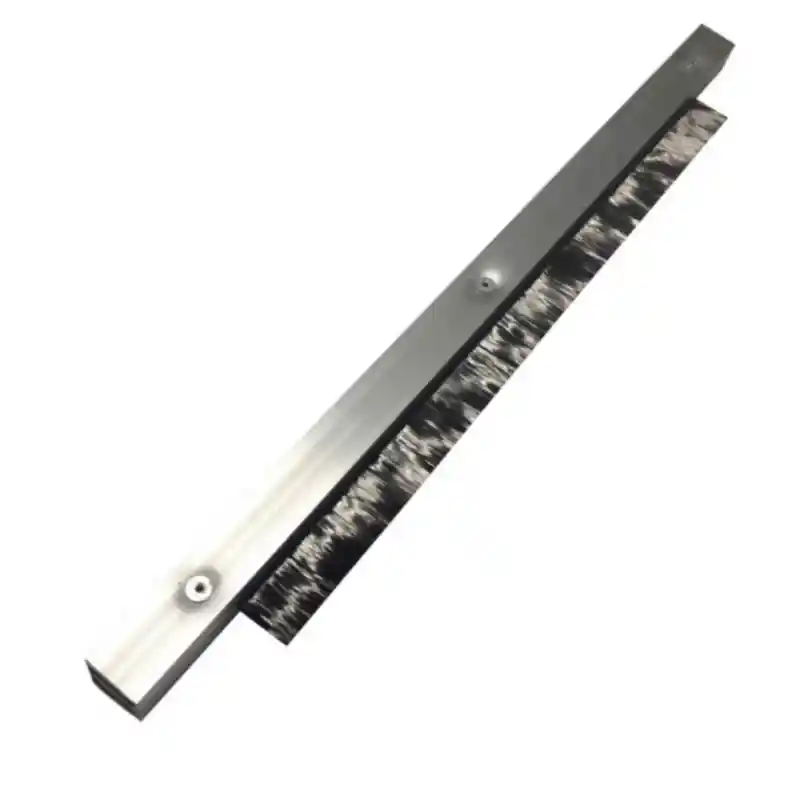
Can one filament work for both dry and wet cleaning?
Yes, but with limitations. Nylon and polypropylene can handle both conditions, though nylon may absorb some moisture over time, altering stiffness. For facilities that alternate between dry sweeping and wet scrubbing, a blended filament or a polypropylene brush with a sealed core is often the better choice. Specifying moisture-resistant core materials, like stainless steel or plastic, is equally important to prevent corrosion.
Customization for True Multi-Purpose Performance
Stock brushes are built to a generic specification—average density, standard trim length, a common core diameter. In my experience working with factory maintenance teams, that one-size-fits-most approach rarely holds up under real production conditions. A brush that cleans debris from a conveyor belt might need a narrow face width and high-density fill to reach tight spaces, while a brush for a floor scrubbing machine requires a wider face and longer trim. Customization lets you adjust filament density, trim length, overall width, and core type to match the exact tooling and cleaning tasks in your facility.
If your program involves cleaning a mix of oily residues and fine dust with a single tool, confirming the right filament combination before finalizing your spec can save you from reordering—reach out at [email protected].
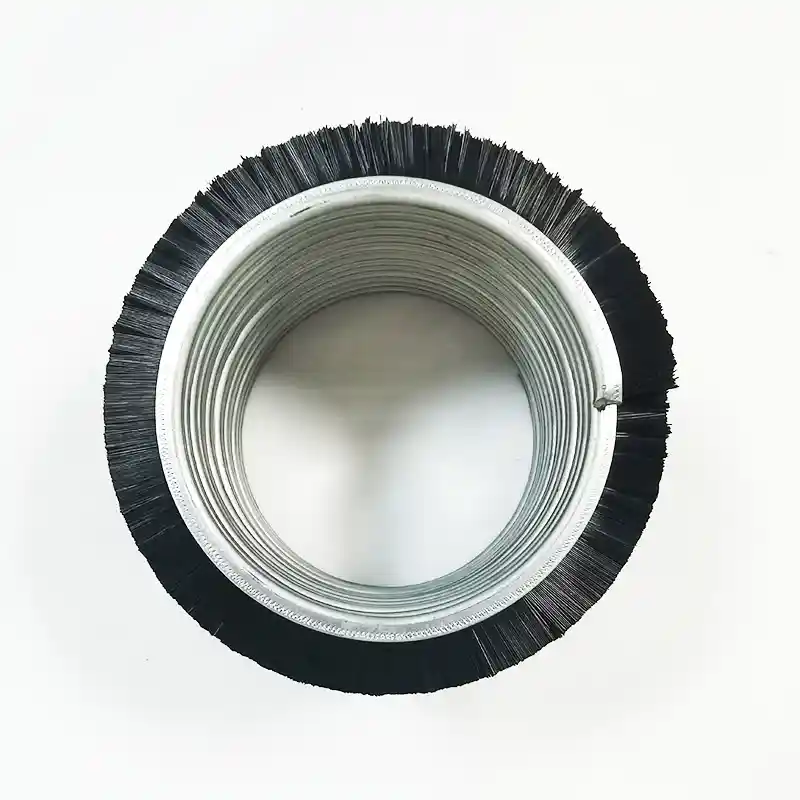
What customization options have the biggest impact?
Three parameters produce the most noticeable difference: filament density (higher density provides more contact points for aggressive cleaning, lower density prevents clogging), trim length (longer trim flexes more, covering uneven surfaces; shorter trim provides scrubbing power), and core material (metal cores for strength, plastic cores for lightweight applications, or special alloys for corrosion resistance). At Huixi Brush, we routinely work with clients to prototype these variables, ensuring the brush performs reliably across all intended applications before committing to a production run.
Balancing Aggressive Cleaning and Surface Protection
A multi-purpose brush must clean effectively without damaging the surfaces it touches. This is the central engineering challenge. Too dense a fill or too stiff a filament, and you risk leaving scratches on a painted machine panel. Too soft, and you may find the brush merely pushes debris around. The solution lies in the combination: a stiff core filament (like wire or thick nylon) surrounded by softer outer filaments can provide scrubbing power with a protective buffer. I’ve seen this dual-action approach work well in factories that need to clean both bare metal and coated surfaces without switching tools.
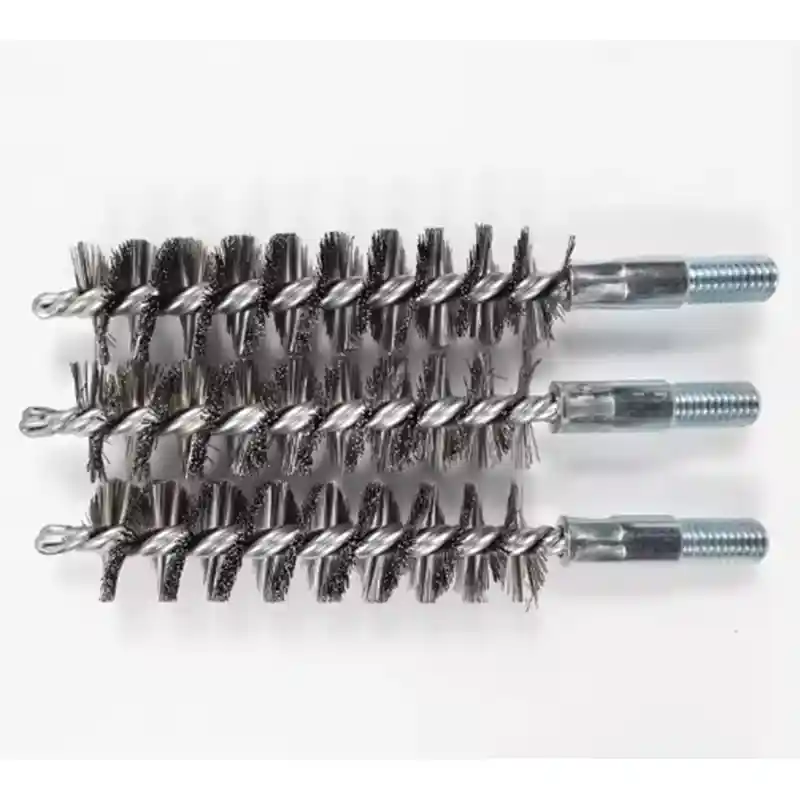
How can I prevent brush damage to equipment surfaces?
Start by testing on a sample area. Even with a well-designed brush, factors like operating speed and pressure matter. Run the brush at the lowest effective RPM and apply consistent, moderate contact. Also, check for filament breakage: if broken filaments embed themselves in crevices, they can cause secondary damage. If you are unsure about compatibility, request a sample run with your specific surface material. A reliable brush manufacturer will support that trial.
Questions to Ask a Brush Supplier
Not every supplier that labels a brush “multi-purpose” has the engineering capability to verify it. When evaluating a source, ask about their customization process: can they adjust filament density and trim? Do they have experience with your industry? What is the minimum order quantity, and do they provide free samples for testing? How they handle after-sales support and lead times on repeat orders?
At Huixi Brush, our 16 years of production experience allow us to guide clients through these questions quickly. We typically offer free samples with low MOQ and support from technical staff who understand the application details—not just sales reps.
Getting a Brush That Works Across Your Factory
Factory cleaning tools should reduce maintenance time, not add to it. When a brush fails to perform across different surfaces, operators improvise or keep multiple brushes on hand, defeating the purpose. A well-designed multi-purpose brush, built with the right filament blend and customization support, pays for itself in reduced labor and fewer replacement purchases.
If your facility needs a brush that can shift between sweeping, scrubbing, and light deburring without compromise, send your cleaning requirements, machine specs, and sample part photos to [email protected] or call +86 1580 0932 713. I work directly with the engineering team to propose a configuration tailored to your tasks, and we will ship a test sample for your evaluation.
Frequently Asked Multi-Purpose Brush Questions
What if my cleaning tasks are extremely varied—can one brush really handle everything?
One brush can cover a broad range, but there are limits. If your tasks include heavy scale removal and also fine polishing on glass, no single brush will excel at both. In such cases, we often recommend a set of two brushes rather than a single compromise product. A filament-sparse, softer brush for delicate work and a denser, stiffer one for aggressive cleaning can be produced with matching mountings to speed changeovers. The goal is to minimize tool changes, not to enforce a single solution that underperforms.
How do I decide between a cylindrical brush and a disc brush for multi-purpose floor cleaning?
Cylindrical brushes cover larger surface area per rotation and work well on flat, continuous paths like conveyor belts or wide aisles. Disc brushes offer more concentrated contact pressure, better for corners or uneven surfaces. For multi-purpose factory cleaning, a cylindrical brush with a medium-density fill and a core compatible with your floor machine arbor is often the better all-rounder. The choice ultimately depends on your floor layout and debris type; providing photos to your supplier can clarify the recommendation quickly.
Do multi-purpose brushes wear out faster than task-specific brushes?
They can, if constantly used at the edge of their capability. For example, a nylon brush that regularly encounters metal shavings will wear faster than one dedicated solely to dust. However, a properly matched filament blend—such as nylon with a small percentage of abrasive filament—often lasts longer than a cheap task-specific brush because the blend shares the workload. We track brush life with clients and adjust filament composition in subsequent orders to optimize durability for their specific mix of tasks.
How long does it take to get a custom multi-purpose brush?
It depends on the complexity and whether tooling exists. For many standard brush styles (cylindrical, strip, disc), we can turn around a sample within 5–10 working days using existing core tooling and adjusting filament fill. Production orders typically ship within 2–4 weeks after sample approval. We recommend building in sample evaluation time to your planning to avoid surprises. If your timeline is tight, let us know, and we’ll work to meet it.
Is it worth getting a sample if I only need a small quantity?
Yes—even more so for small quantities. A sample confirms the brush will fit your machine arbor, clear surrounding equipment, and clean effectively under your operating conditions. At Huixi Brush, we support low MOQs and provide free samples because we want your first production order to succeed, not require rework. Share your part dimensions and cleaning objectives, and we’ll prepare a sample that represents what you will actually receive.
If you’re interested, check out these related articles:
honing brush a magic tool for flexible burr removal
main features and applications of hx nylon cylindrical brush
advantage of hx boiler tube brush