
Most sample orders never become supply lines. A buyer collects supplier names at a show, requests samples from each, tests them, and then the project fades. The real cost is not the sample freight. It is the missed chance to qualify a factory before a competitor locks in capacity.
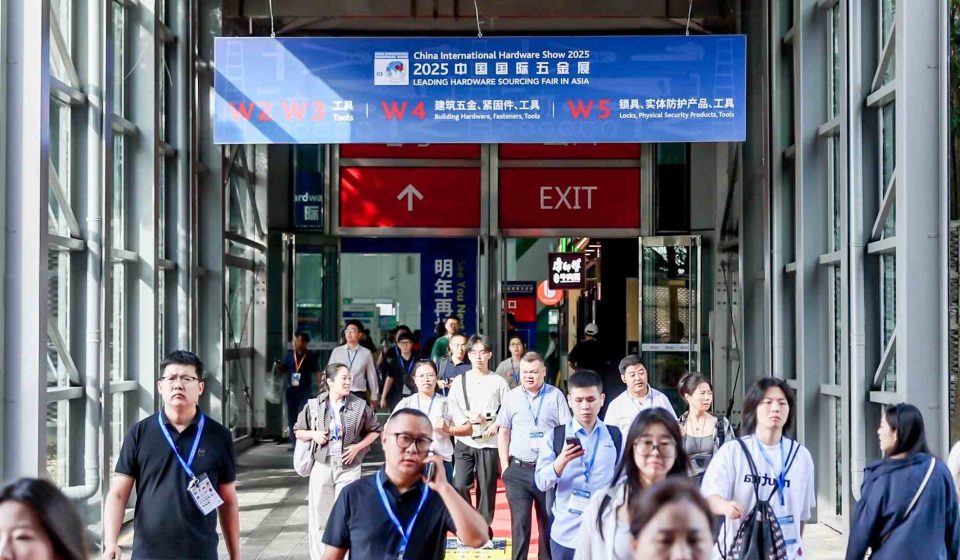
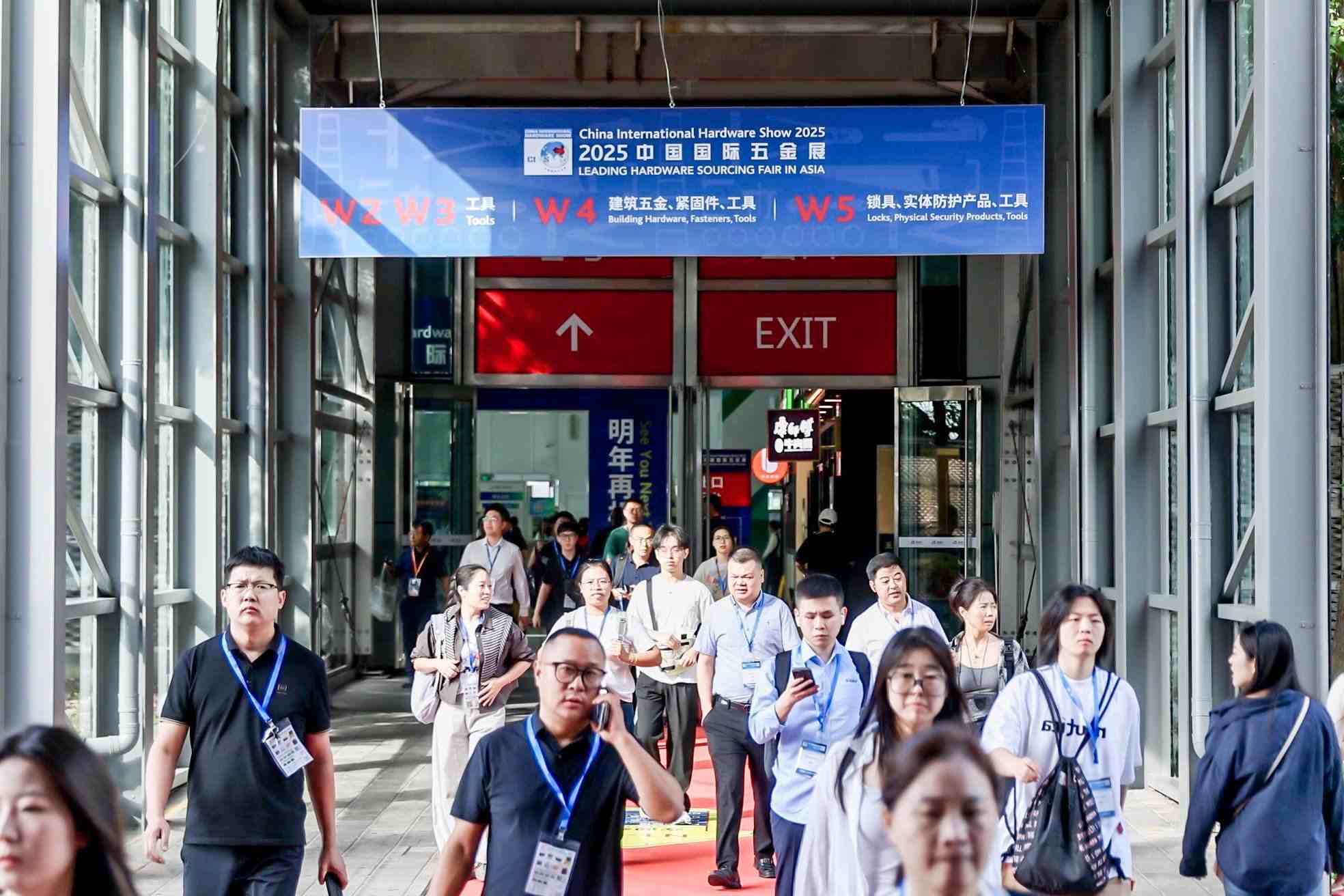
We see a different pattern among buyers sourcing at CIHS. They treat every sample order as the first move in a supplier-qualification sequence. The goal is not to test a product. The goal is to test the factory, the paperwork, and the communication loop behind that product. At CIHS 2025, 77,016 professional buyers from 123 countries and regions walked 120,000 square meters of exhibition space and met more than 3,000 exhibitors. Many of those buyers used the floor not to collect brochures, but to build the first link of a supply line.
The Sample-Order Filter: What You Are Actually Qualifying
Before requesting a sample, decide what you are qualifying. A sample order only tells you what the factory chose to put in the sample box. It does not yet tell you what the factory will produce on a Tuesday in June, under cost pressure, with a container deadline.
We recommend fixing the same elements you would fix for a production run:
- Technical specification: drawing, material, tolerance, surface treatment, and packaging.
- Certification evidence: the exact certificates for your market, not a general “we export to Europe.”
- Documentation trail: material certificates, inspection reports, and required test data.
- Repeatability: the supplier’s stated lead time and minimum order quantity (MOQ) for the sample product at scale.
For hardware, an acceptance quality limit (AQL) sampling plan under ISO 2859-1 [1] gives you a pass/fail structure before the samples arrive. If a sample arrives without the material certificate or inspection report, treat that as a documentation failure even if the physical part looks clean.
If you are not sure which specifications to lock down before sampling a category, the CIHS Buyer Services Team can match your requirements to the right exhibitor groups and required documentation. Email [email protected] or call +86 21 6390 6161-832.
When 200+ Sample Offers Become a Shortlist
Two hundred sample offers can look like progress. In practice, the number is not the advantage; the filter is. The useful question is which sample requests are likely to become a repeatable supply line, and which are simply a factory sending its best booth unit.
Grade each candidate on the same five signals:
| Signal | What to check | Pass threshold |
|---|---|---|
| Sample origin | Was the sample pulled from a current production batch or built as a one-off show piece? | Production batch or signed sample note |
| Documentation | Are material certificates, inspection reports, and certification copies complete? | No missing sheets |
| Communication | How quickly and clearly does the supplier answer MOQ, tooling, and packaging questions? | Written and consistent |
| Quality claim | Does the supplier state an AQL or defect limit? | Stated and testable |
| Capacity evidence | Equipment list, shift plan, or comparable clients | Evidence, not assertion |
This scorecard turns a pile of samples into the shortlist you can actually manage. The suppliers left on the list are the ones worth spending face-to-face time with at CIHS.
Sampling at CIHS Without Losing the Supplier
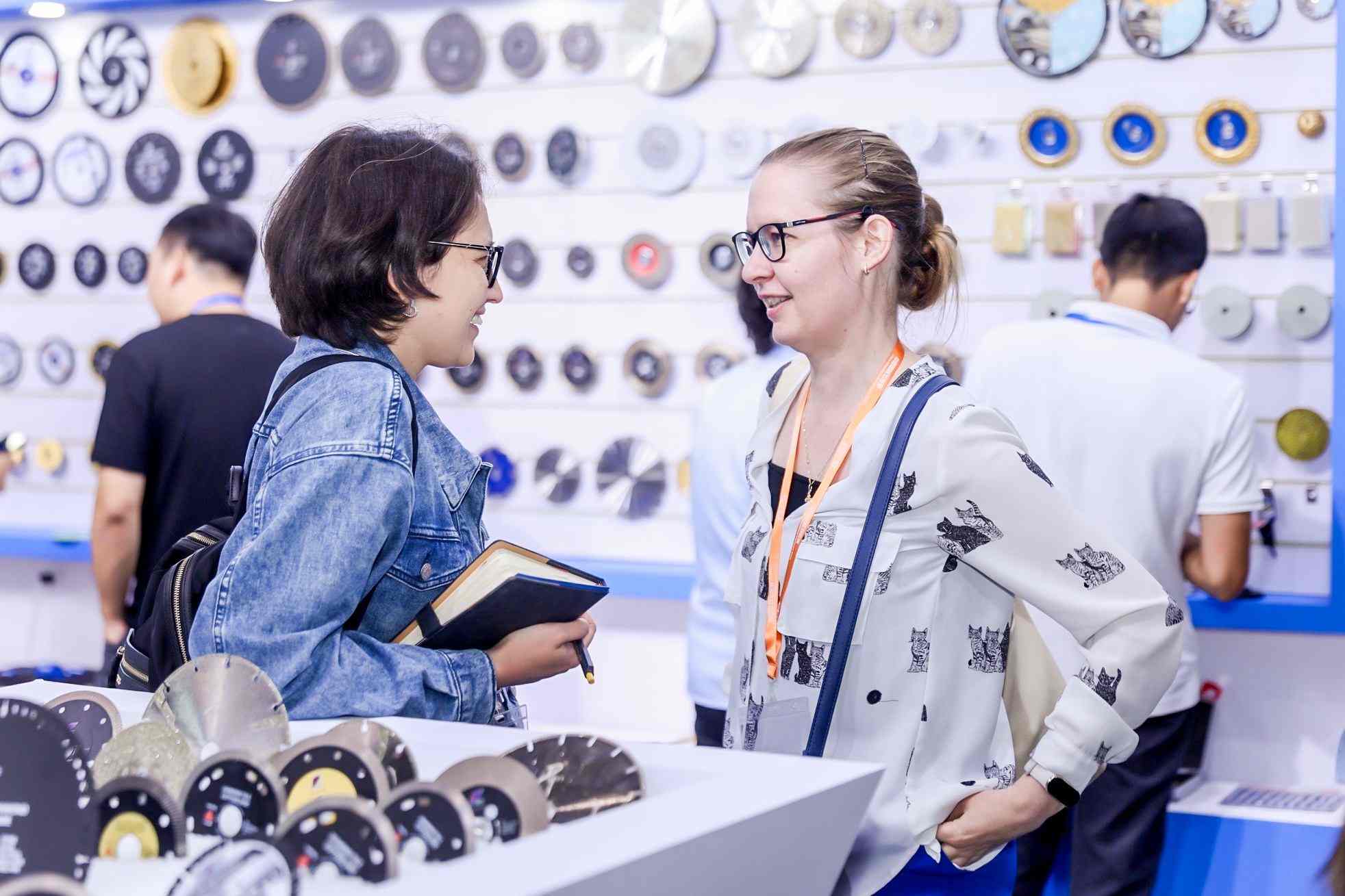
At the fair, sample requests fail for predictable reasons. The buyer asks for “a sample,” the supplier hands over the polished booth display, and no one writes down which version, batch, or packaging was shown. Three habits prevent that.
First, bring a one-page spec sheet. It should show the product type, target market, required certification, expected annual volume, packaging requirement, and delivery region. Suppliers take a written requirement more seriously than a verbal one.
Second, ask for a production sample, not the booth sample. A production sample pulled from a real batch is more likely to reflect normal output. Keep one signed reference sample — sometimes called a Golden Sample — that both sides agree is the standard for future orders.
Third, confirm the logistics terms before you leave the table. Ask the supplier to write down the FOB (Free on Board) or EXW (Ex Works) price, the pilot order lead time, and the ready date. Clear Incoterms at sample stage prevent a pricing surprise after the fair [2].
The friction here is real. Time zones, language gaps, and Chinese New Year shutdowns can stretch a small follow-up into a month of silence. That is why the written record matters. If a supplier will not confirm details in writing during the show, that hesitation is itself a signal.
Before you leave the show, make sure every strong sample candidate maps to a next action. If you are building a sample shortlist for 2026, the CIHS Buyer Services Team can help you move faster — contact [email protected] or call +86 21 6390 6161-832.
After Delivery: From Sample Box to Pilot Order
When the samples arrive, the real test starts. Inspect against the approved reference sample, not just against the product photo. A First Article Inspection (FAI) report helps here: it compares dimensions, material, marking, and packaging with the agreed specification.
Documentation matters as much as the part. Ask for the material certificate, the inspection report, and the certification copy you requested on the spec sheet. If the sample passes but the paperwork does not, do not skip ahead. At production scale, missing paperwork becomes a customs or liability problem, not a minor delay.
Only then move to a pilot order. A pilot order tests repeatability, logistics, and the supplier’s behavior when something goes wrong. Use Incoterms 2020 [2] to lock the point where risk and cost transfer. The pilot order is still a test, but it includes shipping, customs documents, and the supplier’s response time under real deadlines.

What Turns a Pilot Order into a Long-Term Supply Line
Long-term supply lines are built on process, not on a single good sample. Keep at least two qualified suppliers for critical categories, so a holiday shutdown or a compliance issue at one factory does not stop your inventory. Use an approved vendor list (AVL) and review it on a fixed schedule.
We also recommend scoring each supplier quarterly on four measures: quality, delivery, responsiveness, and cost stability. A supplier that fails early and communicates clearly is often more valuable than a supplier that ships a flawless first order but disappears when problems appear.
CIHS then becomes your annual audit point. The fair lets you re-check your supplier’s production range, meet the second and third people in the factory team, and qualify backup suppliers in person. That is the part online catalogues cannot replace.
Your next step is not to request another 200 samples. It is to pick the strongest supplier candidates and book time to qualify them at CIHS 2026. Register for a buyer badge, then contact the CIHS Buyer Services Team at [email protected] or call +86 21 6390 6161-832 to plan your shortlist before you travel.
Frequently Asked Questions
Do I need to request 200+ samples to find a reliable hardware supplier?
No. The filter matters more than the number. A structured shortlist of 20 sample requests with clear pass/fail criteria will usually outperform 200 unstructured requests.
What should I do if the sample passes but the documents do not?
Treat it as a fail. Ask for the missing certificates and inspection reports. If a supplier cannot provide documentation at sample stage, the risk increases at production scale.
How many suppliers should I keep for the same product?
Keep at least two approved suppliers for critical categories. Use one as primary and one as backup, and qualify both before you depend on either.
When is a pilot order ready to become a regular order?
After the pilot order passes incoming inspection, documentation review, and delivery timing, and after the supplier responds correctly to one or two issues. That response quality matters more than a flawless first shipment.
Do I need to visit the factory before ordering at volume?
For long-term lines, yes, especially for products with safety or certification exposure. The fair is the first meeting; a factory visit confirms machinery, real capacity, quality staff, and whether what you saw at CIHS matches the plant floor.
References
[1] International Organization for Standardization. ISO 2859-1:1999, Sampling procedures for inspection by attributes — Part 1: Sampling schemes indexed by acceptance quality limit (AQL) for lot-by-lot inspection.
[2] International Chamber of Commerce. Incoterms 2020.
