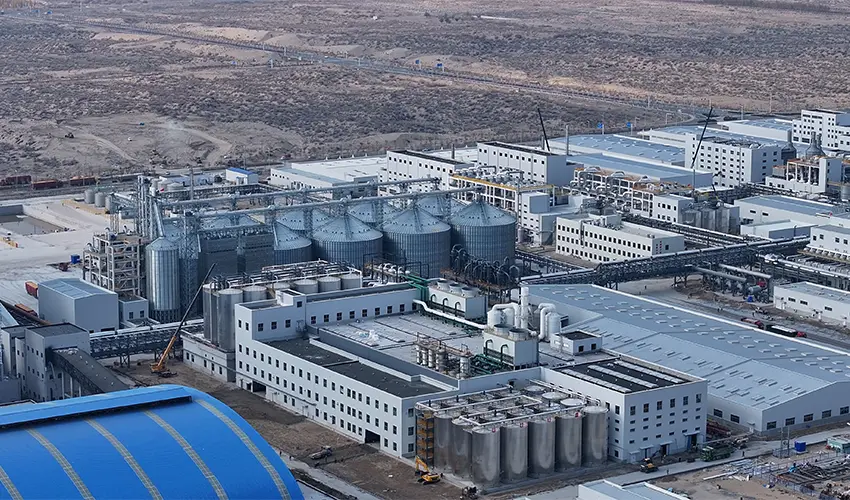

An ethanol rectification column is not a standalone filter; it is the control point where an alcohol plant earns or loses product quality and steam efficiency. Reaching 95%+ purity in industrial alcohol depends less on column diameter than on matching reflux ratio, operating pressure, and feed composition to the distiller’s downstream specification. We have seen two plants with nearly identical column internals deliver different overhead purities because of small differences in fusel oil draw points and steam balance. A column reaches 95%+ only when reflux, steam, and feed composition are balanced, and that balance is decided before commissioning.
The Job of an Ethanol Rectification Column
A rectification column receives crude ethanol vapor or beer from the stripper, then uses countercurrent contact between rising vapor and descending liquid to concentrate ethanol. The column’s height, tray design, and reflux flow decide how close the overhead product comes to 95%+ alcohol. In fuel ethanol plants, this column often follows a beer column; in beverage alcohol lines it also removes many aldehydes and higher alcohols. The overhead vapor condenses, part returns as reflux, and part is drawn as product.
After the condenser, a portion of condensate returns to the top tray. That return flow is the reflux ratio, and it is the main lever for overhead purity. Without enough reflux, water and intermediate fractions rise with the ethanol. With more reflux, the column produces a drier overhead fraction at the cost of additional steam.
Why 95% Is the Azeotropic Ceiling
At atmospheric pressure, ethanol and water form a minimum-boiling azeotrope near 95% ethanol by mass. No ordinary rectification column can cross that boundary, regardless of how many trays it has. The azeotropic mixture boils at a lower temperature than either component alone, so additional distillation stages concentrate the mixture to that ratio and then stop. Anhydrous alcohol requires a downstream step, usually molecular sieve adsorption or another dehydration route. This is why a column designed for industrial alcohol at 95%+ purity is often the final distillation unit before the dehydration train, not the entire water removal system.
Reflux Ratio and the 95% Purity Threshold
Reflux ratio controls separation sharpness inside an ethanol rectification column. At a fixed steam rate, raising reflux improves overhead alcohol content but reduces product draw rate. Conversely, cutting reflux saves steam while more water travels overhead. The 95% target only means something when reflux and steam flow stay stable. A column that reaches 95% at one operating point can drift below that target if the reflux control loop does not respond quickly to feed composition changes.
We have reviewed start-up data where overhead purity dropped by several percentage points after a steam flow change, even though the valve position and tray count stayed unchanged. The root cause was a slow reflux flow correction. Once the control loop was retuned, the column returned to 95%+ output within a few hours. That pattern repeats often enough that we treat reflux response as a commissioning priority.
Trays or Packing: Which Column Internals Fit?
The choice between trays and structured packing changes turndown, pressure drop, and fouling tolerance. For corn alcohol feeds with residual solids, valve trays usually hold up better. For clean neutral spirit, structured packing offers more theoretical stages in a shorter shell.
| Factor | Valve Tray Column | Structured Packed Column |
|---|---|---|
| Turndown range | Wide | Moderate |
| Pressure drop | Higher | Lower |
| Foaming tolerance | Better | More sensitive |
| Fouling tolerance | Better with solids | Narrower |
| Preferred feed | Fuel alcohol with residual solids | Clean neutral spirit |
Feedstock Composition and Fusel Oil Draw Points
In an ethanol rectification column, feedstock is not neutral. Corn ethanol feed carries proteins, oils, suspended fines, and fermentation byproducts that change how the column foams and where higher alcohols concentrate. Fusel oils, mostly amyl and isoamyl alcohols, build up in the middle to lower section of the column. If they are not drawn at the right point, they can contaminate the overhead product or drop into the stillage, both of which cut yield.
Where Fusel Oil Should Be Drawn
The fusel oil draw point usually sits in the lower rectifying section, below the ethanol product tray but above the water-rich stripping zone. A draw positioned too high sends fusel oils overhead with the product. A draw positioned too low leaves them in the bottom stream. In practice, the correct location moves slightly with feed strength and column loading. We have seen plants fix persistent off-spec odor by shifting the side draw two trays, not by adding column height.

If your feedstock includes high moisture corn or variable unmilled fines, it is worth confirming the reflux control response and fusel oil draw location before finalizing the BOM. Send your feedstock analysis and target product specification to [email protected].
Energy Integration in the Column Loop
The ethanol rectification column is one of the largest steam users in a grain alcohol plant. The way its overhead vapor is used around the plant often matters more than the column tray count. Overhead vapor can preheat feed, drive a reboiler, or feed an evaporation train. In an integrated alcohol line, the column is not an isolated unit; it is part of the plant’s heat cascade, biogas system, and wastewater treatment loop.
AGRIFAM’s alcohol line applies energy cascade utilization and biogas recovery downstream of distillation. The goal is to cut total steam demand without sacrificing the stable reflux that keeps overhead purity above 95%. When energy recovery reduces column steam, the reflux control system must compensate. Otherwise, purity shifts because the vapor flow to the trays drops before the operator sees the change.
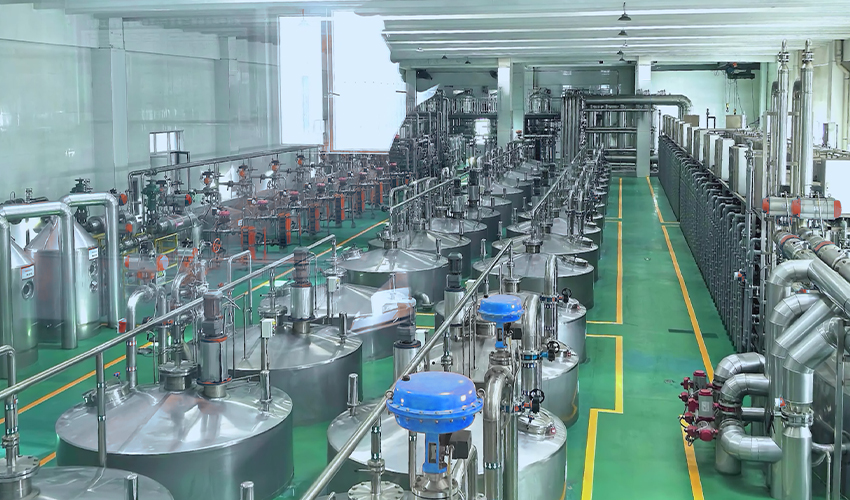
Selecting the Right Rectification Column for Your Plant
Before ordering, three sets of numbers need to match: feedstock composition, target product specification, and steam availability. A column sized only by nameplate capacity can fail if the corn feed varies in moisture or protein, or if the client wants both industrial and food grade alcohol. Ask the supplier for a heat and mass balance, a turndown curve, and a control narrative that covers start-up, normal operation, and upset recovery.
Buyers in grain alcohol projects often underweight plot space and control integration. A taller column with more trays may fit the mass balance on paper, but it can create layout, hydraulic, and commissioning problems if the rest of the plant was designed around a shorter unit. AGRIFAM builds complete grain alcohol and fuel ethanol plants, so column selection is made within the full process loop, not as a standalone equipment purchase.
If your current column cannot hold 95%+ purity at full load, the problem is usually a mismatch between reflux control, feed composition, and steam balance rather than a simple need for more trays. A credible supplier should deliver a mass balance and a stable control philosophy before you commit. Write to [email protected] with your feedstock, target capacity, and final purity specification, or call 010-8591 2286, and we will confirm the rectification column configuration and downstream dehydration route.
Common Questions About Ethanol Rectification Columns
How does an ethanol rectification column differ from a beer column?
A beer column and a rectification column make different cuts. The beer column strips ethanol from fermented mash and removes the bulk of water and solids. The rectification column refines that crude alcohol stream into a cleaner, higher proof overhead product. In a modern plant, the two columns operate in series. Confusing their roles leads to misplaced side draws and poor purity control, so a mass balance should show which column carries which duty.
Can one column produce both industrial and food grade alcohol?
It depends on the product specification and how much intermediate storage you can carry. A single rectification column can cut between industrial and food grade alcohol only if the plant has enough tank capacity for heads, hearts, and tails fractions, and if the piping allows separate draws. For simultaneous production of two grades, a single column is usually insufficient because the cut points differ. Most multi-grade plants use additional draw trays, intermediate receivers, or a second column. Confirm the required cut discipline before assuming one column can serve both markets.
Why is 95% purity the limit without dehydration?
The 95% ceiling is a physical property, not an equipment limitation. Ethanol and water form an azeotrope at that concentration under atmospheric pressure. Additional trays and higher reflux cannot cross it. Reaching anhydrous or fuel grade purity requires molecular sieve adsorption or another dehydration route after the rectification column. That is why a properly designed 95%+ column should be evaluated as the front end of a two-stage water removal system, not as the final drying unit.
What causes overhead purity to drop during operation?
In plants we have reviewed, purity drops usually trace back to a control loop or a fouled tray before they point to column design. A steam flow change can briefly overstrip or understrip the column if reflux correction lags. Fouled trays reduce contact efficiency, while a blocked fusel oil line sends higher alcohols into the overhead draw. The first response is to check reflux flow, steam balance, and side draw pressure before changing internals. Send your operating data and product specification to [email protected], and we will confirm the column configuration and control response.
If you’re interested, check out these related articles:
Driving Global Food Conservation Through Technological Innovation