
Hotel scent diffuser systems fail less often because of the machine than because of how the zones were planned. A lobby, a corridor, and a guest floor all behave differently under the same HVAC airflow, and that difference determines whether a signature scent reads as consistent or disappears by the third floor. I approach specification from coverage and airflow first, then match fragrance chemistry to the physical space. In ten years of scent solution development, the projects that last are almost never the ones that start with a favorite fragrance. They start with a measured zone map and an honest read on existing air handling. This article explains how to get that sequence right.
The Core Components of Hotel Scent Diffuser Systems
The core components of hotel scent diffuser systems are simple, but the failure points are not where most people look first. A commercial unit consists of a pump or atomizer, a fragrance cartridge or bottle, an onboard controller, and the fan or HVAC interface that moves scent into the air. The atomizer matters more than the housing. Cold air systems use a pump and a high-pressure nozzle to break fragrance oil into a dry mist. That mist stays airborne long enough to travel through a lobby or corridor. Nebulizing systems draw oil directly into a high-velocity air stream. Both are waterless, which is what a hotel should generally prefer. Water-based ultrasonic units can work in a small meeting room, but they struggle to keep concentration stable in high-ceiling lobbies and leave residue on surfaces when the dose is too high.
| Component | Function in a hotel install | What we check |
|---|---|---|
| Pump or atomizer | Turns fragrance oil into a dry mist | Long-life, serviceable, waterless |
| Bottle or cartridge | Holds the oil | Aluminum or HDPE, 500ml to 1L |
| Controller | Runs schedules and dose levels | Bluetooth or WiFi, zone grouping |
| Fan or HVAC stack | Carries mist into airflow | Static pressure tolerance, placement |
We also look at the bottle material before recommending any model. Fragrance oils contain esters and aroma compounds that react with some plastics. For lobbies and long-run installs, aluminum or HDPE bottles in 500ml to 1L sizes reduce permeability and keep the scent profile stable for months. The pump should be a long-life type rated for continuous operation. A low-duty pump that works on a retail shelf will not survive a hotel corridor running every day.
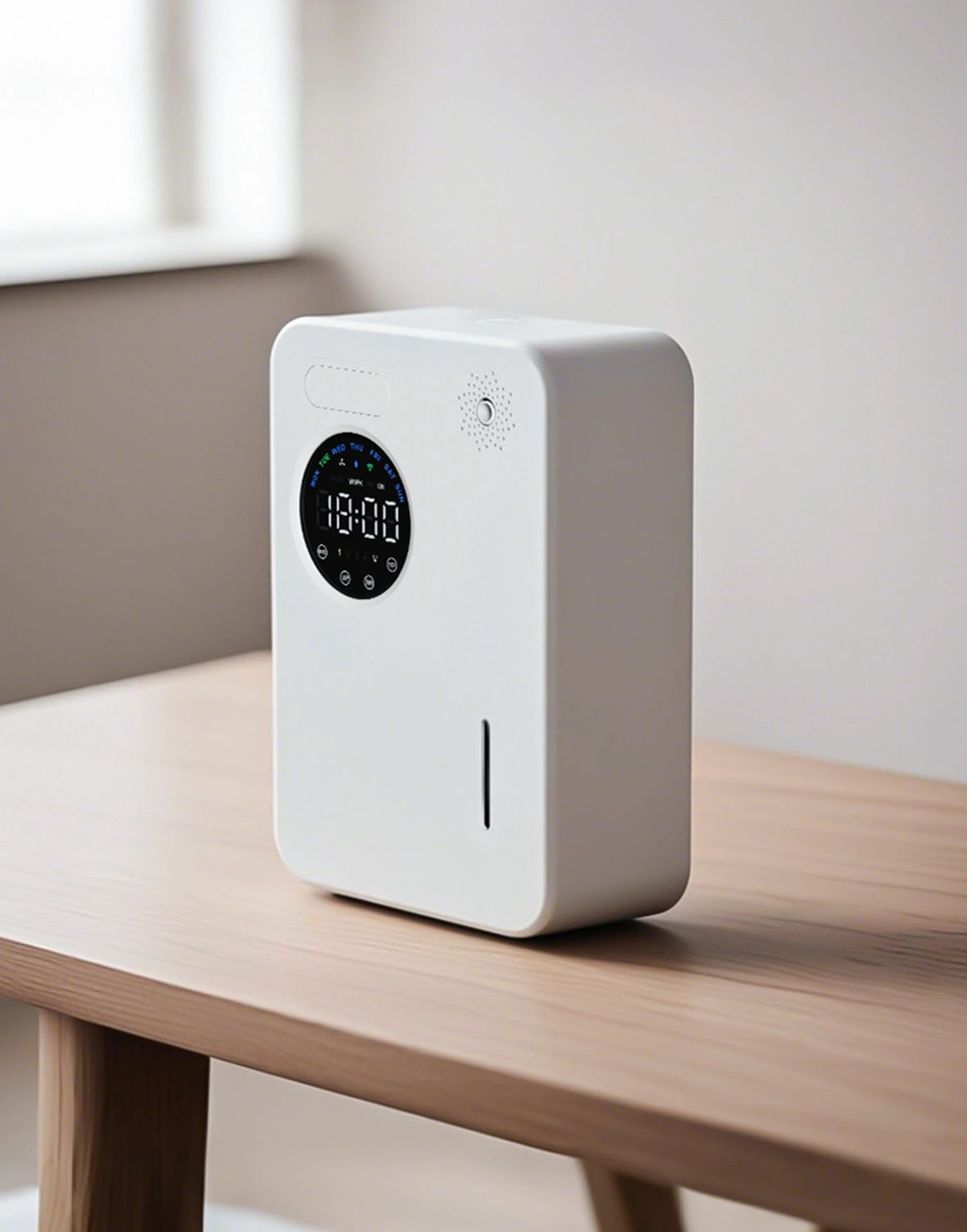 Modern controllers on commercial units include Bluetooth or WiFi scheduling and zone grouping. A hotel should not need a technician on site to change scent intensity. If the property has a building automation platform, ask whether the diffuser can accept dry-contact or app-level commands. Operations teams abandon scent programs when the only way to adjust a lobby unit is to open a cover and press buttons.
Matching Diffuser Coverage to Hotel Zones
Hotel zones do not all need the same diffuser size or density. A lobby with a 7-meter ceiling and double doors behaves nothing like a corridor with a low ceiling and closed air returns. I start every layout with a zone map, not a product list. The three zones that matter most are arrival spaces, circulation routes, and guest floor landings. Arrival spaces need strong first impression but not saturation. Circulation routes need consistent low-level scent so the guest carries the memory through the building. Guest floor landings need a lighter touch because scent trapped near room doors will leak into rooms and cause complaints.
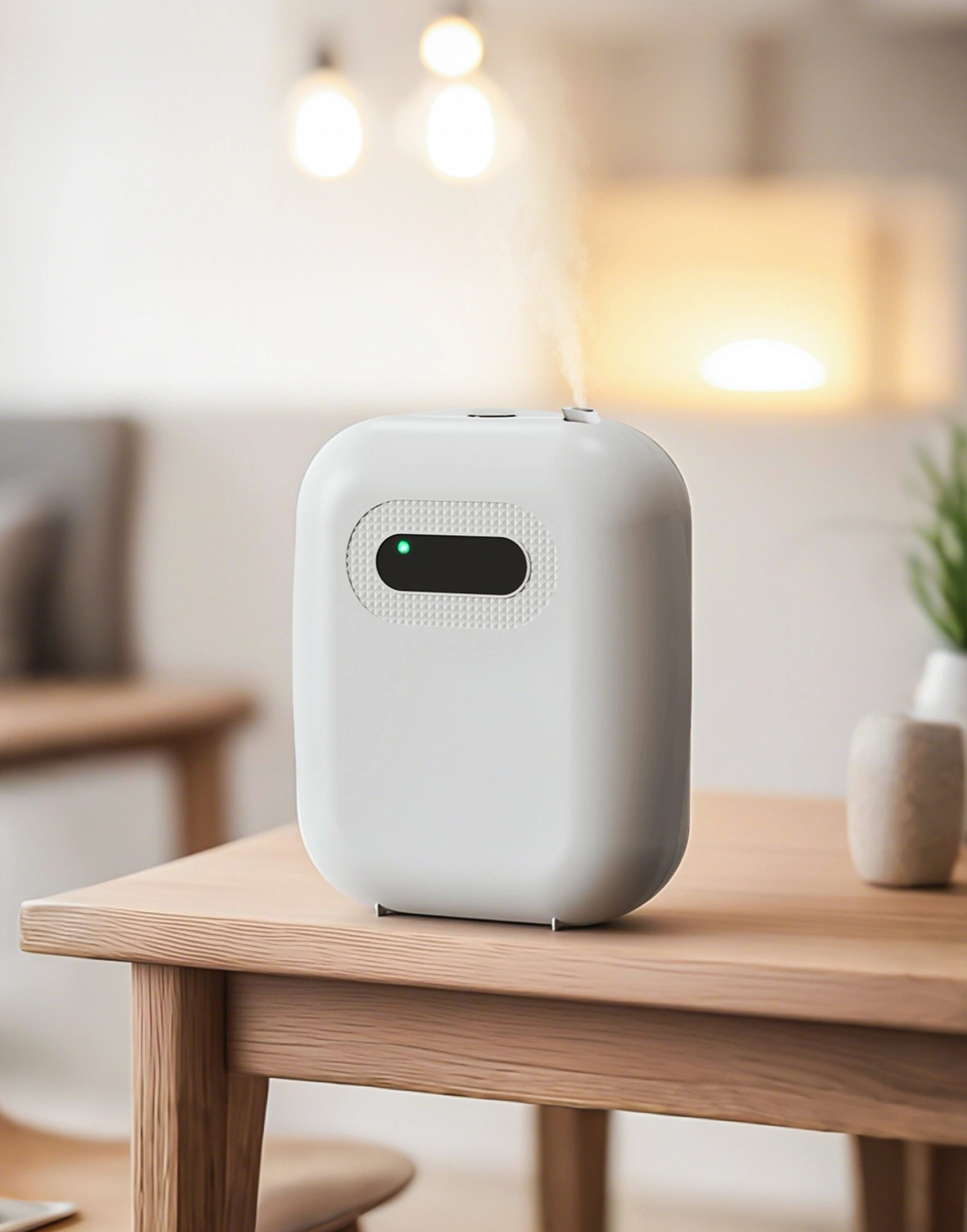
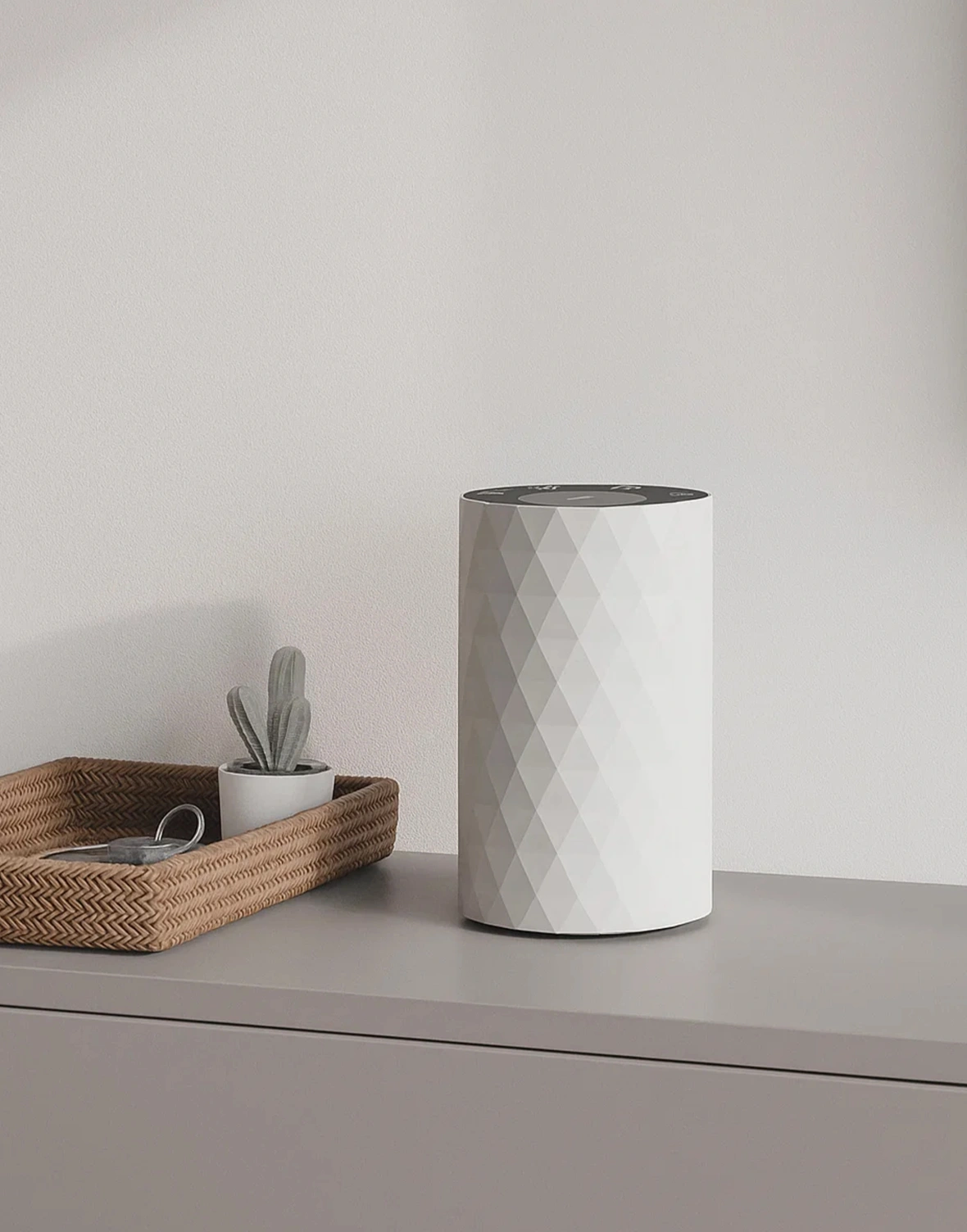
A common mistake is placing one large unit near the entrance and expecting it to cover the entire main level. Scent follows airflow, not square footage. If returns pull air away from the lobby, the mist will collect near the front desk and leave the seating area untouched. Our tower unit covers 3,000m³ (11,000 sq ft), which suits a lobby or atrium. For full-building HVAC distribution, the multi-liter systems cover 5,000 to 15,000m³ with dual pump and dual atomizer architecture. That is a different installation class, not a larger version of the same device.
HVAC and Standalone Diffuser Selection Criteria
HVAC installation is usually the right choice when the building already has a central air handler and the goal is whole-floor consistency. The diffuser taps into supply or return ductwork and doses fragrance into moving air. This extends coverage to 8,000m³ or more and removes visible hardware from guest areas. The tradeoff is control. Any change in air handler runtime, filter loading, or damper position changes scent output, so the initial setup must be verified under full load and part load conditions.
Standalone systems are weaker for whole-building coverage but easier to maintain. A tower unit placed behind the front desk covers 3,000m³ and can be moved when the lobby is reconfigured. Wall-mounted and ceiling-mounted units in the 200 to 600m³ range work for meeting rooms, business centers, and elevator lobbies. We often specify a hybrid: one HVAC unit for the main public floors and small standalone devices for enclosed rooms where the central system would be overkill.
 If your building runs variable air volume boxes or has strong negative pressure in guest corridors, it is worth confirming fan speed and nozzle placement before finalizing the specification. Send your floor plan and air handler location to [email protected] and we will confirm which architecture fits.
Fragrance Oil Selection for Guest Experience
Fragrance selection for a hotel is not a subjective afterthought. It is the part guests remember. The mistake I see most often is choosing a scent in a small sample vial and then discovering it behaves differently at working concentration in a 6-meter lobby. Fragrance oils are formulated with top, middle, and base notes. Top notes are the first impression, but they evaporate quickly. Base notes create the lasting recognition. For commercial use, the oil must be stable under continuous diffusion and compatible with cold air or nebulizing equipment.
Hotels should also require documentation for IFRA compliance and safety data sheets. A supplier that cannot show an SDS or confirm the fragrance is formulated for commercial diffusion is the wrong supplier for a public space. Scent-Share carries over 300 fragrance types in its scent library, which means the decision should start with guest profile and brand tone, not with whatever happens to be in stock.
For a city business hotel, I tend toward white tea, sandalwood, or fresh aquatic notes because they read as clean without competing with restaurant odors. For a resort, warmer amber and bergamot profiles reinforce leisure. For a boutique property, a more distinctive oud or chypre can become the signature. The point is not that one family is better. The scent must survive the return air path and still be recognizable at the guest room threshold.
Sourcing Hotel Scent Diffuser Systems and Fragrance Oils
Most sourcing delays in hotel scent projects come from two gaps: unclear zone coverage and missing fragrance documentation. Scent-Share supplies waterless diffusers from 200m³ wall units to 8,000m³ HVAC systems and maintains over 300 commercial fragrance oils, with support across 68 countries. Send your floor plan, zone areas, and preferred scent direction to [email protected] or call +86 185 6557 5758 or +86 134 2048 5758. We will confirm coverage, hardware, and fragrance compatibility before you order a single unit.
Common Questions About Hotel Scent Diffuser Systems
How much fragrance oil does a hotel diffuser use?
It depends on the zone and system type, but a typical commercial system uses far less oil than most hotels expect. In a 200m³ meeting room, a small wall unit may consume under 30ml per month at moderate intensity. A 3,000m³ lobby tower may use 150 to 500ml per month depending on ceiling height and airflow. Guest floor corridors with lower ceilings need less because the scent has less volume to fill. The real variable is not the machine, it is how often the fan cycle and dose level run.
Can hotel scent diffuser systems run 24/7?
Yes, if the unit is rated for continuous operation and the dose is set for the space. Commercial cold air and nebulizing systems are designed to run without off cycles, but running every minute at a high dose will eventually saturate the return air and narrow the perceived scent. We usually program public zones for daytime continuity and reduce intensity overnight when air handlers slow down. The schedule protects the guest experience and keeps staff from turning the system off out of fatigue.
Do HVAC scent diffusers affect air quality?
A lot of operations teams assume any added scent reduces air quality, but a properly specified waterless diffuser adds only dry mist and a controlled dose of commercial fragrance oil. It does not introduce moisture into ductwork, so it avoids the mold and bacterial growth risk that comes with water-based systems. The larger question is source and documentation. A hotel should only use oils with an SDS and IFRA alignment, especially in spaces with recycled air.
How many zones can one diffuser cover?
Coverage is the wrong first question because published square meters assume unobstructed airflow. One HVAC system can carry scent across 8,000m³ when the duct path is clean and balanced, while the same device may underdeliver in a property with closed dampers and heavy return air. We start with a floor plan and count the physical air paths, then assign devices accordingly. Share your floor plan and guest traffic pattern and we will confirm the right zone count before ordering.
If you’re interested, check out these related articles:
