Hematopoietic stem cells (HSCs) keep blood formation going, renewing every lineage across a lifetime. At Jiangsu East-Mab Biomedical Technology Co., Ltd., we focus on developing high-quality recombinant protein raw materials that support HSC research and therapeutic use. Experience keeps pointing to the same truth: real progress comes from understanding HSC biology and the methods used to isolate, culture, and direct these cells. Here we bring those threads together and show where our products fit into the work.
Fundamental Biology of Hematopoietic Stem Cells
Hematopoietic stem cells (HSCs) are defined by their extraordinary capacities for self-renewal and multipotent differentiation. These unique properties enable them to sustain lifelong hematopoiesis, the continuous production of all mature blood cell lineages. HSCs reside primarily within the bone marrow niche, a complex microenvironment that provides signals regulating their quiescence, proliferation, and differentiation. This niche includes various cell types, such as stromal cells, osteoblasts, and endothelial cells, along with extracellular matrix components and secreted factors. The intricate interplay within the bone marrow niche dictates whether an HSC will self-renew, generating more stem cells, or commit to differentiation pathways, producing various multipotent progenitors. These progenitors subsequently undergo further maturation into erythrocytes, leukocytes, and platelets. The precise mechanisms governing HSC fate decisions are under intense investigation, with researchers exploring signaling pathways involving cytokines and growth factors. Understanding these fundamental biological principles is paramount for effectively manipulating HSCs for therapeutic purposes. Dysregulation of HSC function can lead to severe hematological disorders. Factors like Recombinant Human IL-3 and Recombinant Human GM-CSF are important for studying these processes, promoting the proliferation and differentiation of early hematopoietic progenitors.
Advanced Methodologies for HSC Research and Expansion
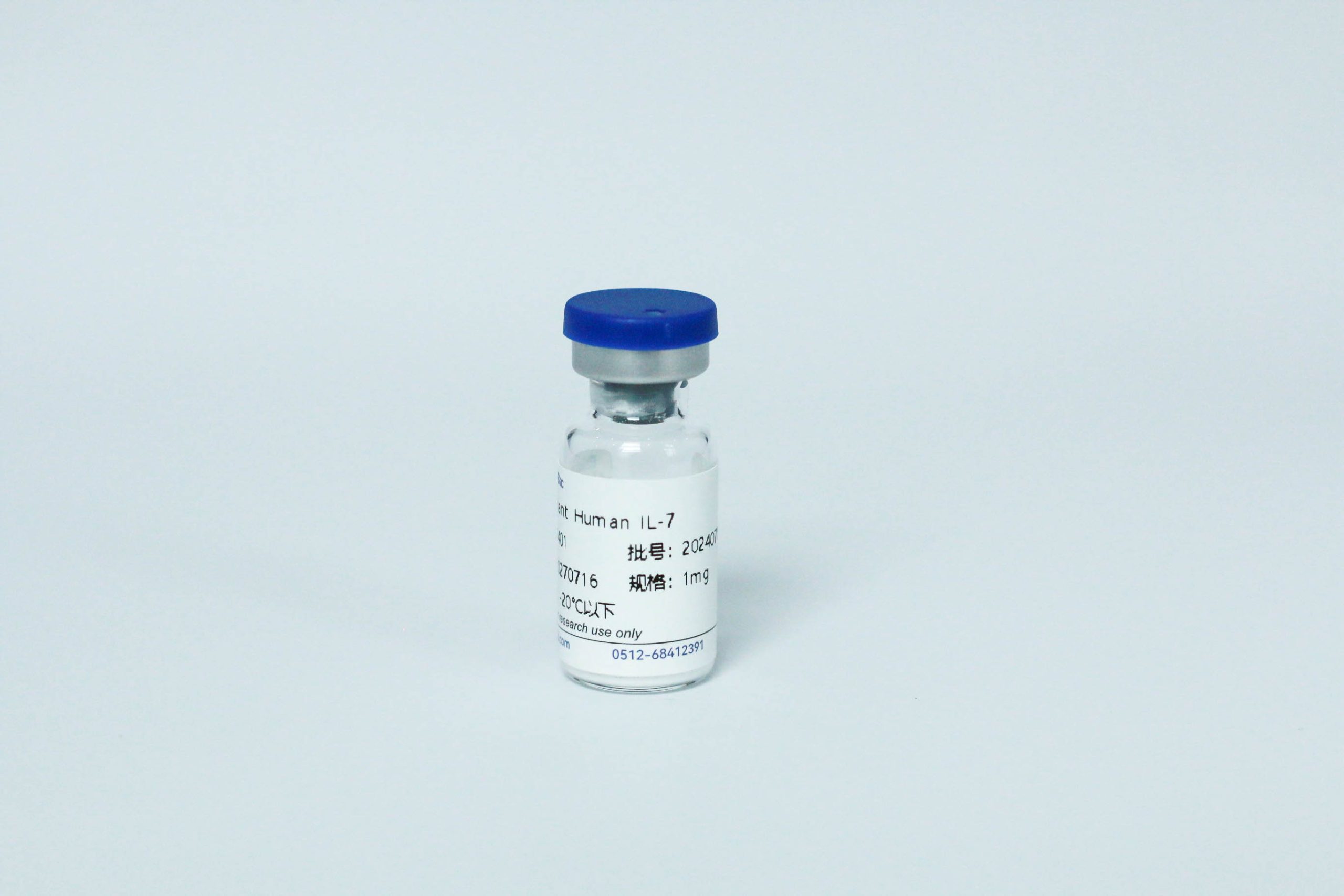
Effective research and clinical application of HSCs depend on robust methodologies for their isolation, culture, and expansion. HSC isolation techniques typically involve fluorescence-activated cell sorting (FACS) or magnetic-activated cell sorting (MACS), targeting specific surface markers such as CD34+. Once isolated, ex vivo expansion of HSCs is often necessary to obtain sufficient cell numbers for therapeutic interventions. This process requires carefully defined stem cell culture media components, including a precise cocktail of recombinant growth factors for HSCs and cytokine cocktails. These factors mimic the signals HSCs receive in their natural bone marrow niche. For instance, Recombinant Human IL-2, Recombinant Human IL-4, Recombinant Human IL-6, Recombinant Human IL-7, Recombinant Human IL-12, Recombinant Human IL-13, Recombinant Human IL-15, Recombinant Human IL-1β, Recombinant Human IL-1α, Recombinant Human IL-3, Recombinant Human IL-10, Recombinant Human IL-5, and Recombinant Human IL-11 are commonly used to support HSC viability, proliferation, and differentiation in vitro. The quality of these recombinant proteins is critical; GMP grade proteins ensure consistency and safety for clinical applications. Our portfolio includes several such recombinant proteins, ensuring high purity and biological activity. For example, Recombinant Human FGF-2/bFGF (Fibroblast Growth Factor) and Recombinant Human FGF-7/KGF (Keratinocyte Growth Factor) are important for maintaining specific cell populations.
| Recombinant Protein | Source | Molecular Weight (kDa) | Purity | Bioactivity / ED₅₀ | Application |
|---|---|---|---|---|---|
| Recombinant Human IL-2 | CHO | 15.4 | ≥95% | ≥1 x 10⁷ IU/mg | T-Cell Proliferation |
| Recombinant Human IL-4 | CHO | 15 | ≥95% | ≤ 0.2 ng/mL | B-Cell Stimulation |
| Recombinant Human IL-6 | CHO | 20.8 | ≥95% | 0.2-1 ng/mL | M-NFS-60 Cell Proliferation |
| Recombinant Human IL-7 | CHO | 17.3 | ≥95% | ≤30 ng/mL | NALM-6 Cell Proliferation |
| Recombinant Human IL-3 | E. coli | 15.1 | ≥95% | 0.02-0.1 ng/mL | TF-1 Cell Proliferation |
Therapeutic Applications of Hematopoietic Stem Cells
The therapeutic potential of HSCs is substantial, particularly in treating various hematological and immunological disorders. The most established application is HSC transplantation, often referred to as bone marrow transplantation. This procedure replaces diseased or damaged bone marrow with healthy HSCs, restoring normal blood cell production. It is a curative treatment for conditions like leukemia, lymphoma, and aplastic anemia. Beyond transplantation, HSCs are central to the development of gene therapy for blood disorders. Researchers modify HSCs ex vivo to correct genetic defects, then reintroduce them into the patient. This approach holds promise for diseases such as sickle cell anemia and thalassemia. Regenerative medicine with HSCs is an emerging field, exploring their use in repairing damaged tissues or organs, leveraging their differentiation capacity. HSCs also play a role in immunotherapy development, as they can reconstitute a patient’s immune system after myeloablative therapy, allowing for new immune responses against cancers. Cord blood banking has become a valuable resource, providing an accessible source of naive HSCs for future therapeutic use.
Future Directions in Hematopoietic Stem Cell Science
The field of hematopoietic stem cell science continues to evolve rapidly, driven by innovative research and technological advancements. CRISPR gene editing HSCs represents a significant breakthrough, offering unprecedented precision in correcting genetic mutations directly within the stem cells. This technology could revolutionize treatments for inherited blood disorders. Another promising area involves induced pluripotent stem cells (iPSCs), which can be reprogrammed from somatic cells and subsequently differentiated into HSC-like cells. This approach bypasses ethical concerns associated with embryonic stem cells and could provide patient-specific cells for therapy. Research into HSC niche engineering aims to create artificial microenvironments that better support HSC expansion and function ex vivo, potentially improving transplant outcomes. Advanced techniques like single cell sequencing HSCs provide detailed insights into the heterogeneity and dynamic states of individual HSCs, enhancing our understanding of their biology. Ultimately, these efforts are paving the way for personalized cell therapy, tailoring treatments to individual patient needs and genetic profiles. The development of high-quality FGFs and TGFs will be instrumental in these future advancements.
Frequently Asked Questions
What defines hematopoietic stem cells and their unique properties?
Hematopoietic stem cells (HSCs) are characterized by their capacity for self-renewal, meaning they can produce identical copies of themselves, and multipotency, allowing them to differentiate into all types of mature blood cells. These stem cell self renewal and multipotency capacities are central for maintaining the body’s blood and immune systems throughout life. They reside primarily in the bone marrow niche.
How do recombinant proteins enhance hematopoietic stem cell culture?
Recombinant proteins, such as growth factors stem cells and cytokines, are important for supporting HSC viability, proliferation, and differentiation in vitro. They mimic the natural signals HSCs receive in the bone marrow, guiding their behavior. For example, specific recombinant human ILs (Interleukins) help maintain HSC populations and direct their differentiation into various blood cell lineages, optimizing ex vivo expansion for therapeutic applications.
What are the main therapeutic uses of hematopoietic stem cells today?
The primary therapeutic use of HSCs is transplantation, commonly known as bone marrow transplantation, to treat blood cancers and other hematological disorders. Emerging applications include gene therapy for inherited blood disorders, where HSCs are genetically modified to correct defects, and regenerative medicine, exploring their potential to repair damaged tissues.
Partner with Jiangsu East-Mab for Your HSC Research Needs
Discover how Jiangsu East-Mab Biomedical Technology Co., Ltd. supports advanced hematopoietic stem cell research and therapy with our premium recombinant protein raw materials. Our commitment to quality, purity, and consistency helps ensure your breakthroughs rest on solid ground. Partner with us to accelerate your next-generation cell culture and therapeutic development. Contact us at +86-400-998-0106 or [email protected].