Healthcare scent marketing is not the same as hotel or retail fragrance design. A facility that treats it as a branding exercise often creates odor conflicts, staff complaints, and unnecessary patient discomfort. I have spent ten years developing fragrance programs for clinical spaces, and the programs that succeed start with a quieter question: what should this room smell like before anyone notices? This guide covers fragrance selection, diffuser placement, dosage control, and the compliance details that matter in hospitals and clinics.
Why Does Healthcare Scent Marketing Need a Different Approach?
Healthcare scent marketing starts from a different set of constraints. In a hotel, a fragrance can be expressive and memorable. In a clinic, the same blend may trigger nausea in a chemotherapy patient or a headache in a nurse working an eight-hour shift. I treat clinical spaces as sensory environments first and brand environments second. The first job is odor neutralization: waiting rooms, exam areas, restrooms, and corridors all carry smells that can undermine confidence in care. Only after that layer is stable does a light signature scent become useful.
Medical facilities also have strict indoor air quality expectations. Passive reed diffusers and scented candles are almost never appropriate for clinical use. The right tool is a programmable waterless diffuser that can be scheduled, zoned, and turned down centrally. This is why healthcare scent marketing is closer to facility engineering than to retail visual merchandising.
What Fragrances Work Best in Hospitals and Clinics?
Healthcare scent marketing works best when the fragrance shortlist is narrow. In a clinical space, one rule matters more than brand character: the scent should disappear when a patient stops noticing it. Heavy orientals, sweet gourmands, and strong florals work against clinical calm. I have seen facilities replace a well-regarded signature scent because staff reported fatigue within a few weeks. The blend was pleasant in a short evaluation but too persistent for a twelve-hour shift. In healthcare, I usually shortlist low-sensitivity families before anything else.
| Fragrance family | Character | Best healthcare placement |
|---|---|---|
| Light citrus | Bright, clean, low sweetness | Reception, waiting areas, staff lounges |
| White tea or green tea | Neutral, calming, low polarity | Patient lounges, consultation rooms |
| Soft woody | Warm, steady, low volatility | Lobbies, rehabilitation spaces |
| Clean cotton or ozone | Crisp, neutral, high freshness | Exam areas, restrooms, corridors |
A healthcare fragrance program also needs documentation. Every oil should be IFRA-compliant and have an SDS on file. If a supplier hesitates on either document, that is a sign to stop. We keep this paperwork for our entire healthcare shortlist, which is a much smaller set than our full 300 plus scent library.
Which Diffuser Systems Fit Healthcare Spaces?
Healthcare scent marketing depends on more than diffuser hardware. Healthcare spaces are not static. Occupancy changes by floor, time of day, and season. A battery diffuser on a reception desk may work in a small dental office, but a hospital needs centralized control, wide coverage, and predictable oil consumption. I look at HVAC integration first because it uses existing air movement instead of adding another device.
| System | Coverage | Bottle capacity | Typical healthcare application |
|---|---|---|---|
| Commercial HVAC Scent Diffuser Aroma Dispenser System | 8,000 m³ (30,000 sq ft) | 1L, 2.5L, or 5L | Whole-facility main air handling |
| Dual-System HVAC Scent Diffuser | 5,000 to 15,000 m³ | 1L/2.5L/5L x 2 systems | Multi-zone hospitals, separate wings |
| Wall Mount Aroma Diffuser HVAC System | 3,000 m³ (10,000 sq ft) | 750ml | Clinic floors, outpatient departments |
| Commercial Aroma Diffuser HVAC Scent System (Rectangular) | 3,000 to 4,000 m³ | 1000ml | Medium clinics, therapy centers |
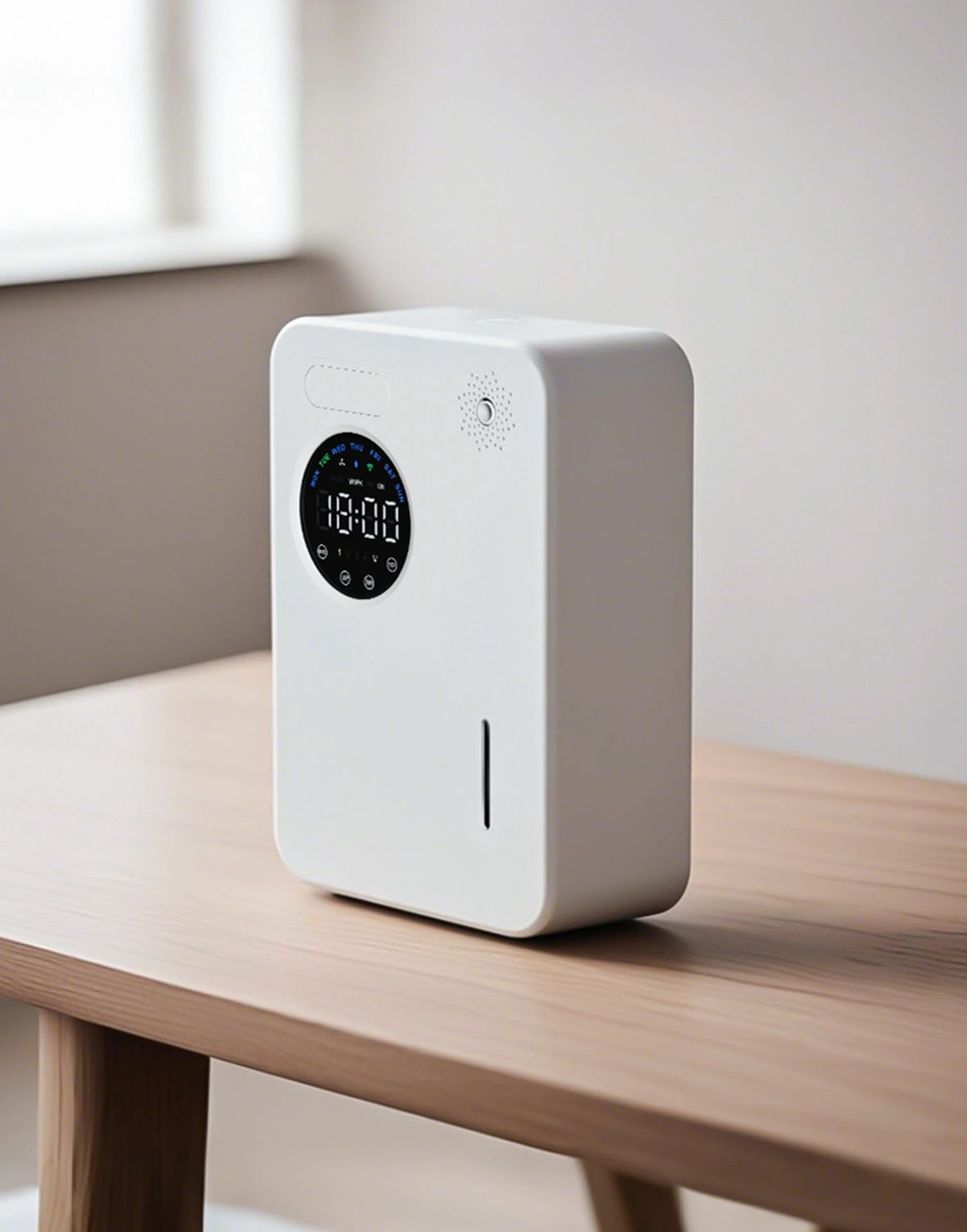 The key specification for healthcare is not raw output. It is scheduling control. A facility should look for Bluetooth app or WiFi management so the facility can reduce output during morning rounds, pause in specific zones, and schedule maintenance reminders. A wall mount or ceiling unit works for small clinics without central HVAC. Battery options can serve temporary spaces, but they are not a substitute for fixed infrastructure.
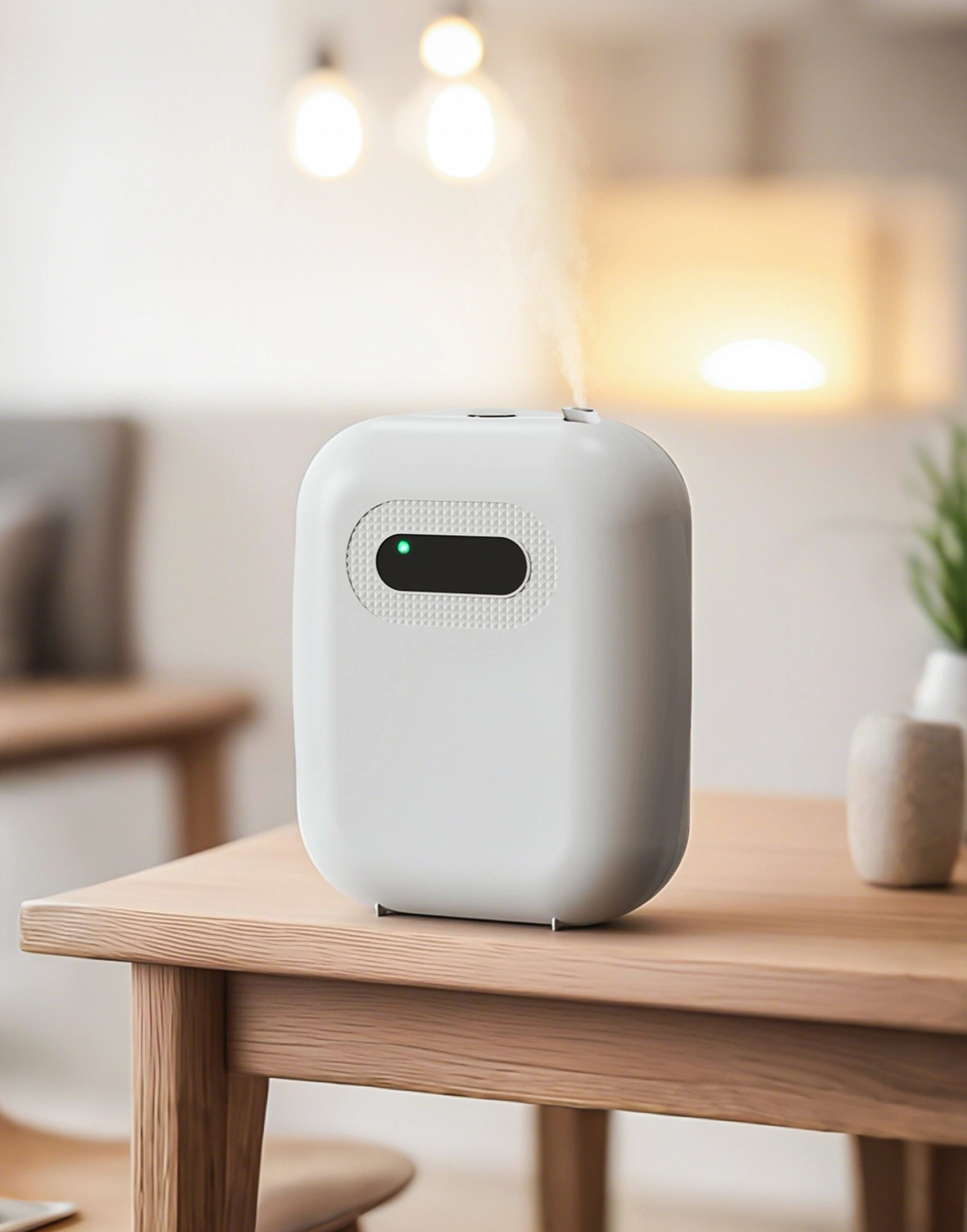
For small clinic offices or private consultation rooms, a compact unit such as the Home Essential Oil Diffuser Aroma Dispenser Machine can work, but it should be treated as a room-level tool rather than a building solution.
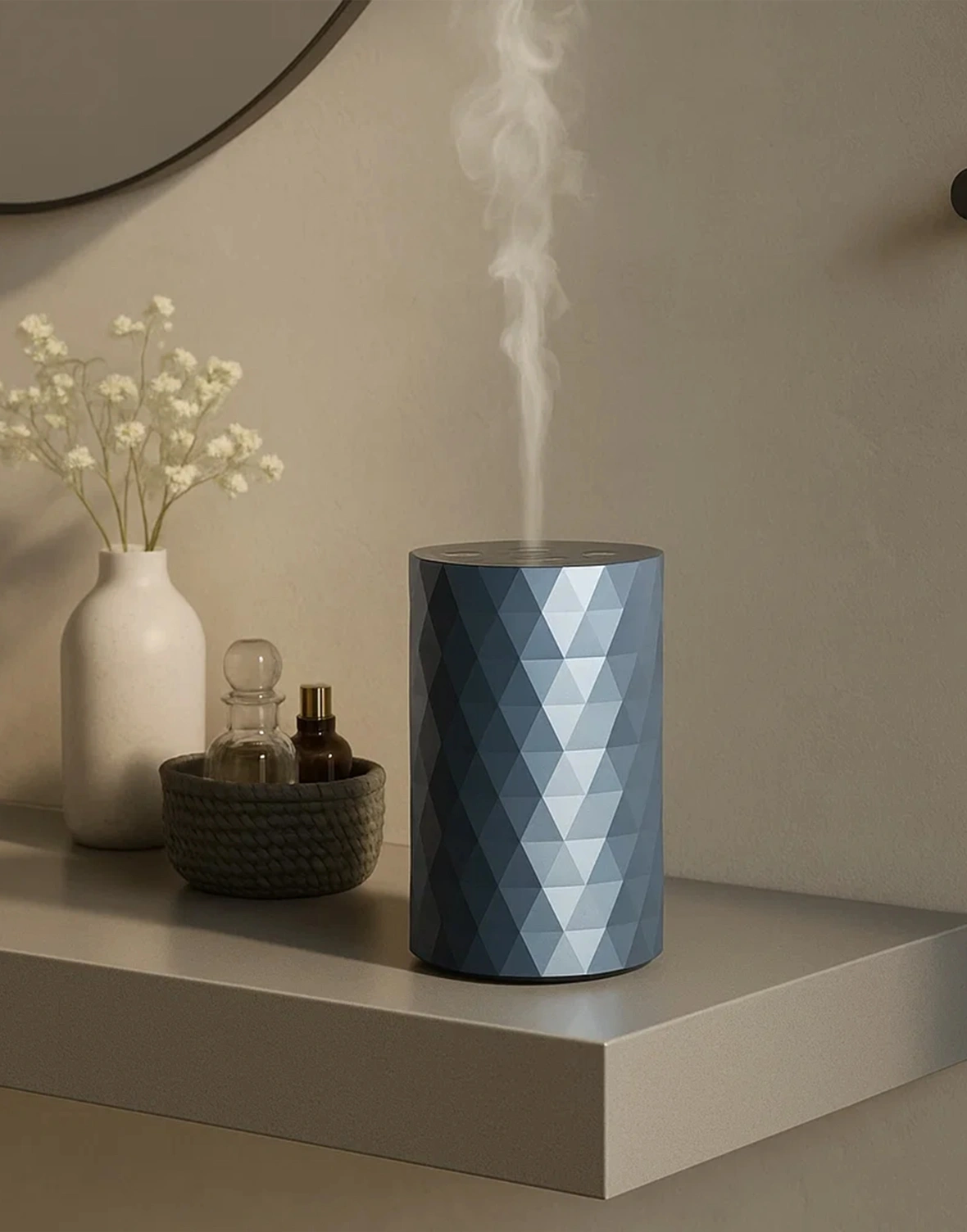
If your facility includes negative pressure rooms, operating theaters, or airborne infection isolation areas, confirm airflow and filtration compatibility before choosing a system. Share your HVAC layout and ceiling configuration with us at [email protected] and we will confirm whether centralized scenting is appropriate for each zone.
How Do You Design a Healthcare Scent Program Without Increasing Risk?
Most healthcare scent marketing mistakes come from treating intensity as a fixed setting. A hospital lobby may need one output level at 7:00 AM and a different level at 3:00 PM. Many facilities set the system once and then ignore it, which leads to fragrance fatigue among staff and overexposure in smaller rooms. The better approach is phased: start at the lowest effective dose, run a two-week trial, collect complaints before asking for positive feedback, and only then increase output if needed.
Zoning is the second design rule. Public corridors and waiting areas can carry a light scent, but patient rooms, recovery areas, oncology units, and pediatric wards may require no added fragrance at all. I have had good results with scenting only the transition spaces where patients spend a few minutes, rather than places where they sleep or receive treatment. This keeps the environmental benefit without forcing a scent on anyone for hours.
Maintenance matters more in healthcare than in retail. Diffusers need scheduled cleaning, oil level monitoring, and cartridge replacement. A clogged nozzle in a hallway produces uneven delivery, and the first sign is usually a staff complaint rather than a machine error. Programmable systems reduce this risk because maintenance is planned, not discovered.
How Do You Start a Healthcare Scent Program?
Healthcare scent marketing starts with a pilot, not a full rollout. We recommend choosing one waiting area or outpatient corridor, running the system for two to four weeks, and using that data to decide whether to expand. This avoids committing to a building-wide contract before staff and patients have experienced the scent in real conditions.
If you are planning a healthcare scent program, send us your floor plans, ceiling heights, and existing HVAC configuration. We will map coverage zones, estimate fragrance oil consumption, and recommend a system that fits your ventilation instead of fighting it. Contact Scent-Share at [email protected] or call +86 185 6557 5758 or +86 134 2048 5758. Our team has delivered fragrance programs across 68 countries and more than ten years of scent experience, including clinical environments where documentation and control matter as much as the scent itself.
What Else Should Healthcare Buyers Ask Before Scenting?
Will patients with allergies or asthma react to commercial fragrances?
A common assumption is that any fragrance will trigger respiratory issues, but the actual risk depends on dose, oil composition, and delivery method. Well-formulated healthcare scents use low-sensitivity materials and run at low output levels. Still, no scent program should cover every space. Patient rooms, oncology units, and any area with a known respiratory complaint should typically remain fragrance-free. Ask your supplier for IFRA documentation and an SDS before evaluation, and start with a small pilot that includes staff feedback.
Does healthcare scent marketing work in operating rooms?
It depends on the facility, but in most cases no. Operating rooms and procedure suites are controlled environments where introduced odorants can interfere with clinical protocols and may not be appropriate under infection control policies. We generally restrict scenting to corridors, lobbies, staff lounges, and transition spaces. If a hospital insists on a scent presence near surgical areas, check local infection control and ventilation requirements first, then keep output off in the actual theater.
How long before staff and patients notice a difference?
Most facilities notice a change within two to four weeks, but staff feedback often turns positive before patient surveys do. The first change is usually a reduction in negative odor comments rather than an increase in fragrance praise. That is the right early indicator. For waiting areas, we suggest a two-week baseline and a two-week trial at low intensity. If complaints stay flat and odor comments drop, the program is working even before patients can name the scent.
What information should I send to get an accurate quote?
In projects we assess, the most useful quote requests include three details: total square footage by zone, ceiling height, and whether the space has central HVAC or needs standalone units. Floor plans are more useful than photographs. We also ask for operating hours and the areas you want to keep fragrance-free. With those details, we can confirm coverage, estimate oil consumption, and identify the right diffuser model without a site visit in most cases. Send your requirements to [email protected] and we will confirm coverage and documentation availability.
If you’re interested, check out these related articles: