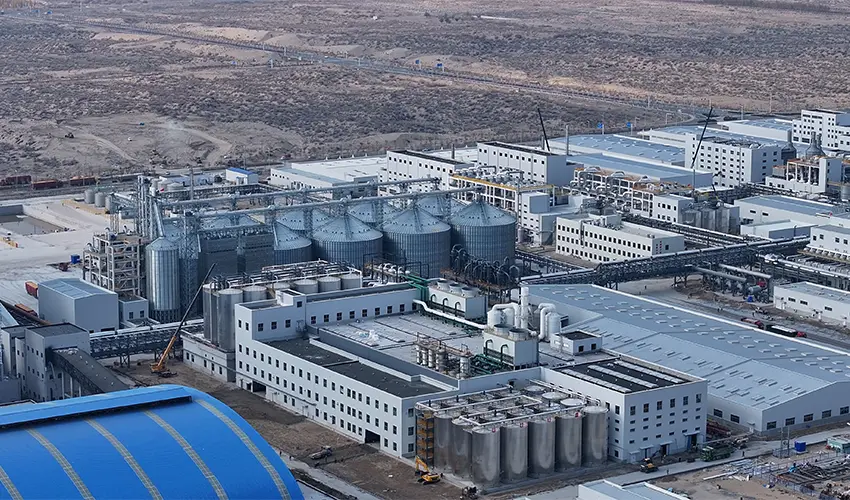

Fuel ethanol policy decides whether a corn-based project is bankable long before the first column arrives on site. Mandates, subsidies, and trade barriers in the United States, Brazil, the European Union, China, and India set blending obligations, but they also fix feedstock costs, by-product prices, and the process configuration that separates a profitable plant from a stranded asset. A project team that treats policy as a background condition designs the wrong plant for the wrong market. The practical question is how each national regime changes design and procurement decisions before the final investment decision.
Fuel Ethanol Policy as a Plant Design Input
Fuel ethanol policy is not a regulatory afterthought. The United States runs the Renewable Fuel Standard, which sets annual renewable volume obligations and creates RIN compliance value for obligated parties. Brazil operates RenovaBio, with decarbonization credits known as CBIOs tied to the carbon intensity of each producer. The European Union layers the Renewable Energy Directive over a cap on crop-based biofuels and detailed sustainability rules, while India pushes an E20 blending target and China manages provincial fuel ethanol programs against domestic grain priorities. Each mechanism reaches into the physical plant: whether a project needs additional dehydration, what feedstock tolerance is viable, and whether co-product recovery can offset compliance costs.
In our project work on grain-based alcohol and fuel ethanol, we review the policy mechanism before fixing the main equipment. A plant sized for a protected domestic blend mandate has different redundancy and storage logic than an export-oriented plant that must qualify under multiple sustainability certification regimes. The real design risk is that a policy tool can be adjusted each compliance period, while the plant cannot.

Why Policy Comes Before Process Selection
Blending targets look like demand certainty, but they do not define technology. A mandate that rewards carbon intensity reduction, such as Brazil’s CBIO system, pushes a project toward energy-efficiency choices and avoided emissions. A volume-only mandate pushes toward scale and feedstock cost control. Buying a standard fuel ethanol line before understanding which compliance value the market actually pays for is how plants end up with the wrong dehydration system.
| Market | Main mechanism | What it rewards | Design pressure |
|---|---|---|---|
| United States | Renewable Fuel Standard with RIN compliance | Volume blending and market flexibility | Corn sourcing and DDGS value |
| Brazil | RenovaBio with CBIO credits | Lower carbon intensity | Energy integration and by-product recovery |
| European Union | Renewable Energy Directive with crop cap | Verified sustainability and non-food pathways | Feedstock flexibility and certification |
| India | E20 blending target and import substitution | Volume growth and domestic feedstock use | Multi-feedstock capability |
Mandate-Driven Feedstock and Product Standards
Mandates do not only determine how much ethanol is consumed. They set what can be produced and from what. The EU renewable energy framework restricts crop-based biofuels and requires greenhouse gas savings, which moves the viable feedstock mix toward advanced pathways or imported ethanol that can demonstrate compliance. The United States and Brazil remain corn and sugarcane based, but their blending standards differ. The US market operates across E10, E15, and E85 grades, while Brazil runs higher anhydrous blends and hydrous E100 at the pump. These product grades change storage, denaturant handling, and certification before a single tonne of grain is milled.
Fuel-Grade Ethanol Is Not One Specification
A plant making E85 feedstock and a plant supplying anhydrous ethanol for E10 blending are not the same facility. Denaturant rules, water content, and distribution blending differ. When a policy allows hydrous ethanol at the pump, dehydration capacity can shrink. When a policy requires only anhydrous, molecular sieve capacity becomes the bottleneck. We evaluate this early because a dehydration unit is one of the more expensive and difficult-to-retrofit sections of the plant.
Subsidy Effects on Project Economics
Subsidies and compliance credits often matter more than the headline blending percentage. The RFS creates RIN value that can rise and fall independent of ethanol price. Brazil’s CBIO market adds a carbon-linked revenue stream that rewards lower emissions. India’s interest subvention and administered pricing can make new capacity viable in some periods but not across the full cycle. The problem with treating subsidy value as permanent is that it is not. Long-term debt cannot be repaid with a revenue line that a government can adjust in one budget call. We model subsidy income as a sensitivity, not as the foundation of project returns.
If your fuel ethanol project involves a carbon-intensity credit system or a crop-based feedstock cap, it is worth confirming the energy integration and dehydration configuration before finalising the equipment list. Send your target market and feedstock type to [email protected] or call 010-8591 2286, and we will map the policy exposure onto the process design.
Trade Barrier Impacts on Feedstock and Off-Take
Trade barriers reshape project logic even when a plant never exports a liter. A tariff on imported ethanol can shelter a domestic market and make local production more valuable, but it also raises feedstock and equipment costs if the project relies on foreign components or grain. Anti-dumping duties and sustainability documentation requirements in the European Union and elsewhere can block cargoes that fail technical certification. For a project developer, trade policy acts as a second set of design specifications: documentation, traceability, and certification become part of the operating system, not an afterthought.
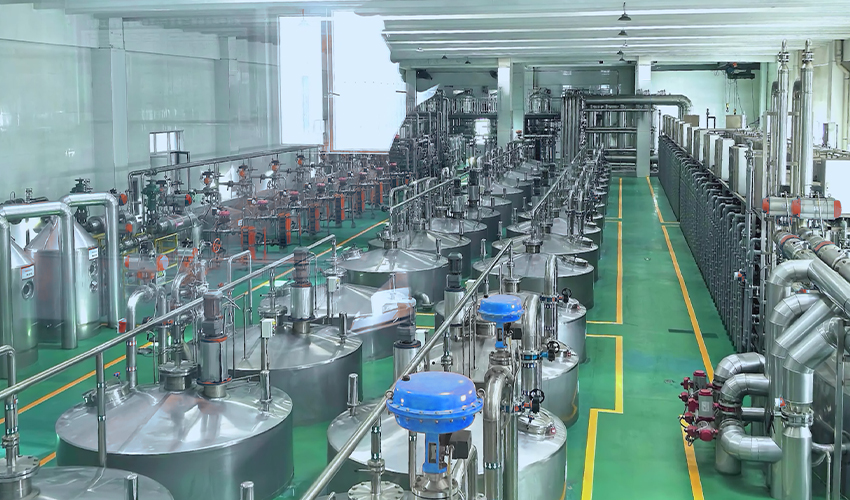
A site that can switch part of its alcohol output between fuel, industrial, and food grades has a commercial buffer that a single-market fuel plant does not. When trade barriers close one off-take route, the plant can shift into another without replacing the core fermentation and distillation train. That optionality has real capital value because it changes how procurement teams think about overcapacity.
Policy Risk Management Through Integrated Value Chains
Policy risk cannot be eliminated, but it can be priced and reduced through process design. A plant built around the corn-food-energy-feed model keeps multiple revenue paths open: fuel ethanol for blending markets, industrial alcohol for solvents and chemical applications, food or pharmaceutical grade alcohol where certification supports higher prices, DDGS for livestock feed, corn oil, and recovered CO2. When one policy environment tightens, the plant is not tied to a single blending obligation. We prefer this approach because most governments change blending rules faster than they change food security or livestock feed priorities.

In our work on grain-based alcohol and fuel ethanol projects, we have watched policy shifts strand plants that had no second product path. A single-market fuel plant in a protected blending regime can lose its entire margin when the mandate changes. An integrated grain processing complex can redirect coarse grain and starch streams into food, feed, or industrial alcohol while keeping the core asset running. That experience is why we treat by-product and multi-grade optionality as a policy hedge rather than a co-product afterthought.
Policy regimes change, often mid-project. A plant planned around a single blending mandate has no room to move when mixing rules, import tariffs, or credit values shift. An integrated grain processing platform reduces that exposure by keeping fuel, food, and feed pathways open. We review national blending rules, feedstock access, and by-product offtake together before equipment is fixed. Send your target country, expected corn availability, and proposed capacity to [email protected] or call 010-8591 2286. We will map the policy exposure onto a process configuration and by-product mix that gives the project more than one commercial path.
Common Questions About Fuel Ethanol Policy and Planning
Does fuel ethanol policy change the choice between dry milling and wet milling?
Yes, and the influence is strongest in markets with carbon-intensity credits. A dry mill plant is simpler and less capital intensive, but it leaves DDGS and corn oil as the main co-products. A wet mill front end costs more and adds process complexity, yet it separates starch, gluten, and fiber before fermentation. Where policy rewards lower carbon intensity, the process choice becomes an emissions decision, not only a cost decision. Where a blending mandate rewards volume, dry milling often wins on capital per liter. We compare both against the target market’s actual compliance mechanism before selecting the front end.
Which policy lever moves a project more: mandates, subsidies, or trade barriers?
The assumption is usually that blending mandates matter most, but that is not what we see in project economics. A mandate sets the demand ceiling, while a credit or subsidy often determines whether marginal production is profitable. Trade barriers can override both when they block imported feedstock or restrict off-take routes. An export-oriented plant may pass technical review but fail on tariff exposure. The larger, slower-moving force is subsidy and credit revenue, because it changes every compliance period and is hard to lock into long-term debt.
Should a project secure feedstock before the policy review is complete?
It depends on the feedstock and the market. In China, corn availability is tied to food security policy, so a long-term corn supply contract needs a clear view of grain stocks and blending rules before commitment. In Brazil, sugarcane or corn supply chains are more mature, but carbon-intensity certification can still change the preferred feedstock. We tell developers to run the policy review far enough to identify whether the feedstock will be capped, credited, or subject to import restrictions. After that, securing supply is the right move.
How can a developer plan around fuel ethanol policy uncertainty?
In our work on grain-based alcohol projects, we treat policy as a design variable rather than a fixed assumption. That means the plant is configured to shift part of its alcohol output between fuel, industrial, and food grades, with grain storage and co-product recovery sized for more than one market. The goal is not to predict every regulatory change. The goal is to build a process that keeps operating when the change arrives. If your project involves fuel ethanol policy exposure across several countries, share your target markets and proposed capacity with us at [email protected] or call 010-8591 2286. We will confirm which policy risks are manageable in the plant design before you commit to equipment.
If you’re interested, check out these related articles:
Driving Global Food Conservation Through Technological Innovation