Fragrance oil diffuser usage is less about a fixed number and more about three variables: atomization technology, target coverage area, and daily run schedule. A 10ml bottle in a home unit behaves very differently from a 500ml commercial supply feeding an HVAC system. In my work, I calculate consumption from the diffuser’s atomization rate and operating hours, not from bottle size alone. That number tells you how often to refill and how much stock to keep on hand. Get the calculation right and you avoid weak scent coverage, wasted oil, and last minute freight charges on small refill orders.
How Does Fragrance Oil Diffuser Usage Vary by Technology?
The largest mistake I see is comparing oil use across diffuser technologies as if they were the same. They are not. A water-based ultrasonic diffuser dilutes fragrance oil in water and disperses a light mist. It uses only a few drops per tank, but the scent throw is limited in a commercial space. A cold-air or waterless diffuser moves neat fragrance oil through an atomizer, so consumption is continuous and measured in milliliters per hour, not drops. That is the key difference for refill planning.
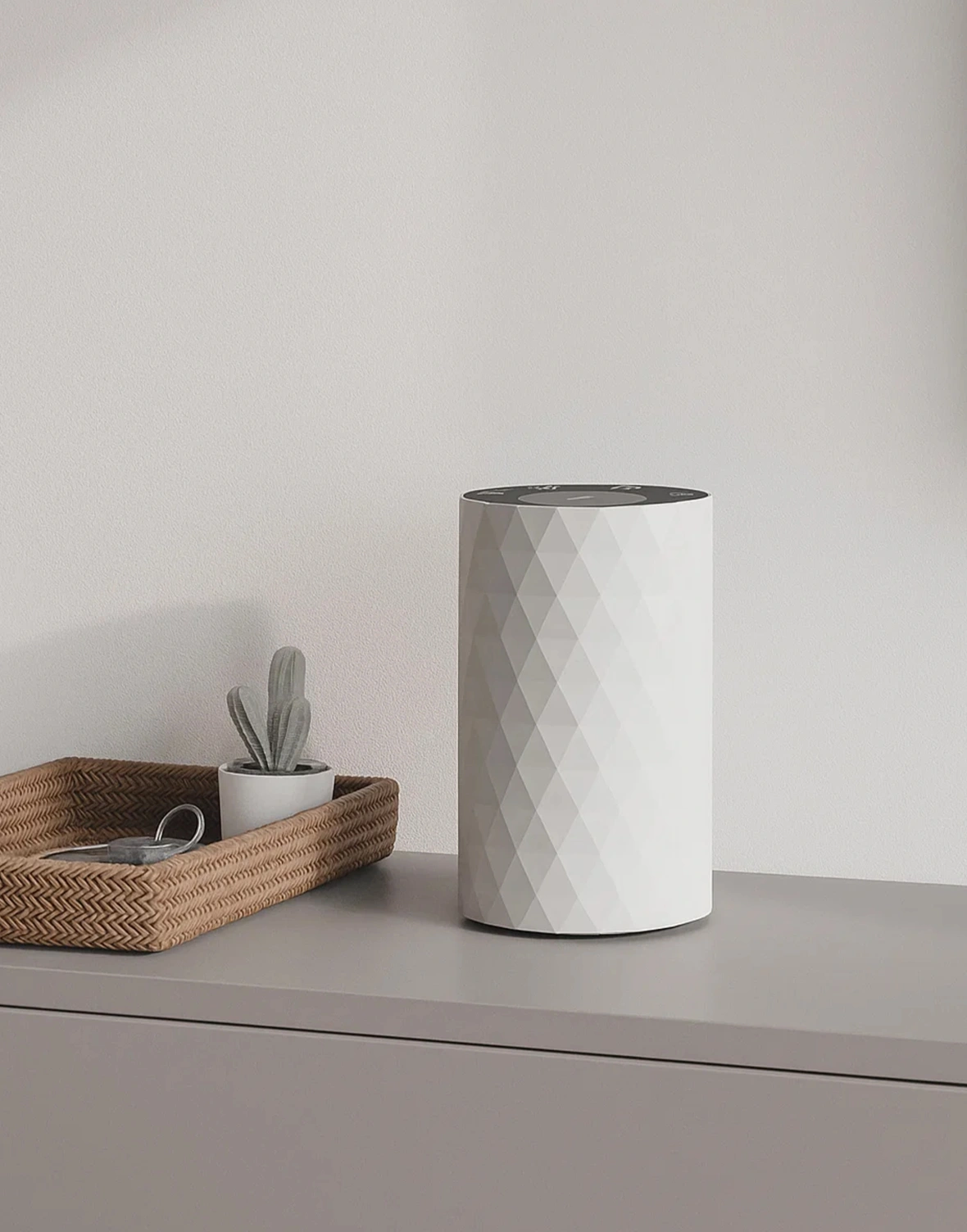 In our cold-air units, the pump cycle controls oil draw more than the bottle size does. A 150ml commercial unit can run around the clock, but the actual oil use depends on whether you set it to run every few minutes or only during business hours. For a hotel lobby, I often set a lower daytime intensity and a slightly higher evening intensity. That keeps the scent present without making the lobby feel saturated.
How Much Oil Do Different Diffuser Types Consume?
The table below uses Scent-Share product configurations to show why capacity, not just shape, should drive your refill plan.
| Diffuser configuration | Oil container | Coverage | Refill planning signal |
|---|---|---|---|
| Home oil diffuser, waterless | 10ml | 80m³ | Short sessions; keep one or two 10ml bottles per month |
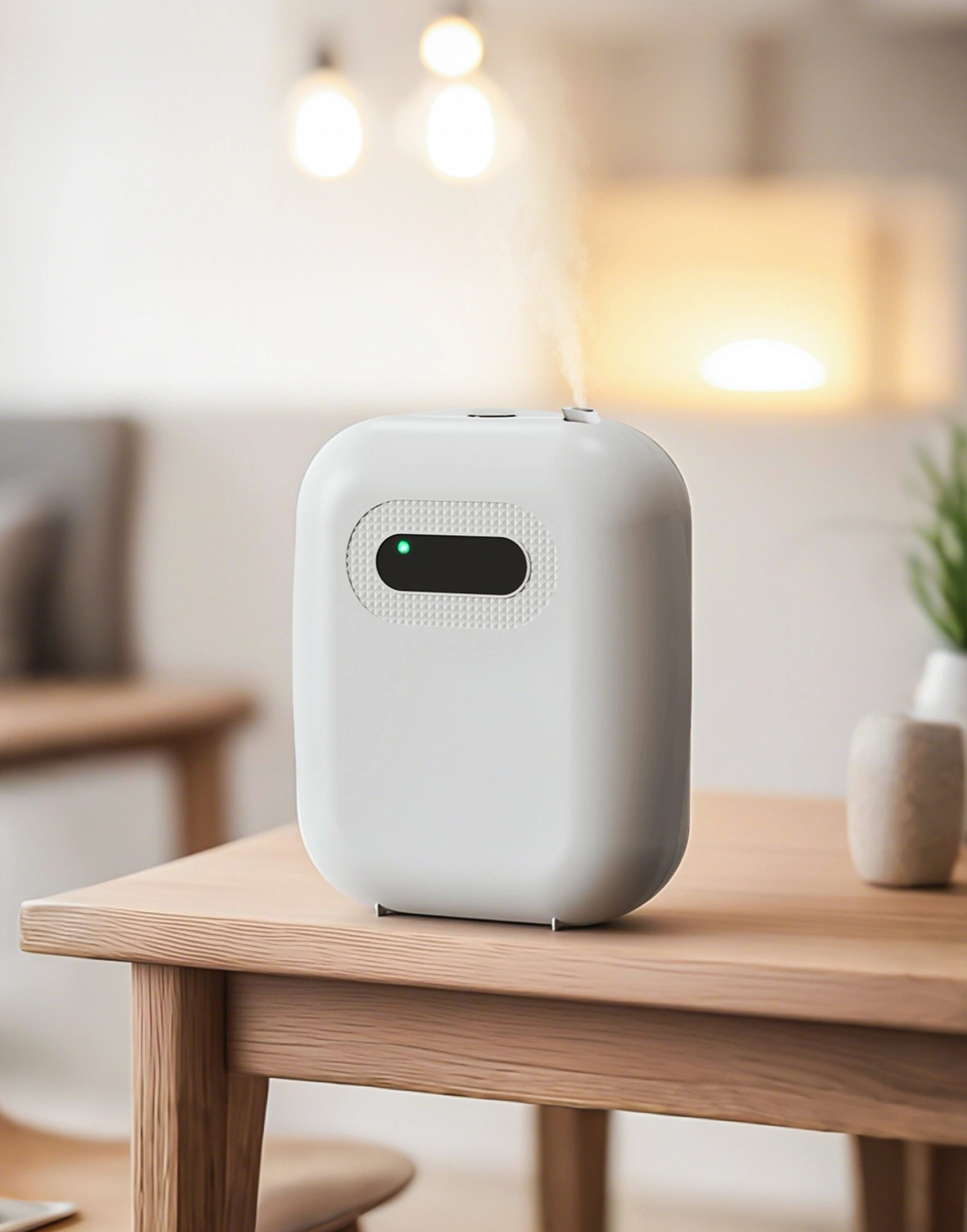
| Commercial Bluetooth diffuser | 150ml | 300m³ | 24/7 capable; monitor weekly until consumption is stable |
| Hotel scent tower | 500ml or 1L | 3,000m³ | Larger bottle reduces service visits in high traffic lobbies |
| Commercial HVAC system | 1L, 2.5L, or 5L | 8,000m³ | Match bottle size to multi-zone runtime and HVAC schedule |
| Dual system HVAC | 1L, 2.5L, or 5L ×2 | up to 15,000m³ | Plan separate oil lines if two scent zones run different fragrances |
| Ceiling track mount | 300ml | 500m³ | Balance access for refills against stable operation |
These numbers do not mean bigger always uses proportionally more oil. A dual system running at 30 percent duty may consume less than a desktop unit running continuously at full intensity. That is why the next calculation matters more than the model name.
How Do You Calculate Fragrance Oil for a Commercial Space?
- Confirm the coverage area and mounting position.
- Identify the atomization rate or intensity range for the diffuser.
- Set the daily operating hours and any daytime or nighttime changes.
- Multiply the hourly consumption by operating hours and monthly operating days.
- Add a small buffer for ramp-up periods, events, or seasonal changes in airflow.
As an example, if a 150ml diffuser is set to about 0.5ml per hour and runs 12 hours a day, it uses 6ml per day. A 150ml bottle lasts roughly 25 days. Ordering one bottle per month is the safer plan, with a second bottle held locally if the space has higher seasonal traffic.
If your program involves multiple floors, HVAC integration, or event schedules that change week to week, it is worth confirming the atomization rate and bottle configuration before you finalize a refill order. Send your floor plan and operating hours to [email protected] and we will return a consumption estimate matched to your space.
What Bottle Size and Runtime Planning Works Best?
Larger bottles reduce the number of service visits, but they are not always the right answer. Fragrance oils have a shelf life, and a 5L HVAC bottle can sit too long in a low-occupancy space unless the oil is stored correctly. I prefer to match the bottle to a 30 to 60 day consumption window. That keeps the fragrance fresh and makes reordering predictable.
Home and desktop users rarely need large containers. A 10ml bottle in a portable unit can last for several short sessions, while an 80m³ office unit on a regular timer will go through the same bottle much faster. For commercial projects across 300m³ or more, 150ml to 1L is the practical range, with HVAC projects moving to 2.5L or 5L once the duty cycle is confirmed.
When Should You Confirm Your Diffuser Oil Plan Before Ordering?
I have watched too many buyers overstock small bottles because a quote sheet listed a tempting unit price, then store them longer than the oil’s best-use window. The opposite problem is underbuying: a hotel lobby runs out on a Friday evening with no replacement on site. Both failures come from skipping the calculation step.
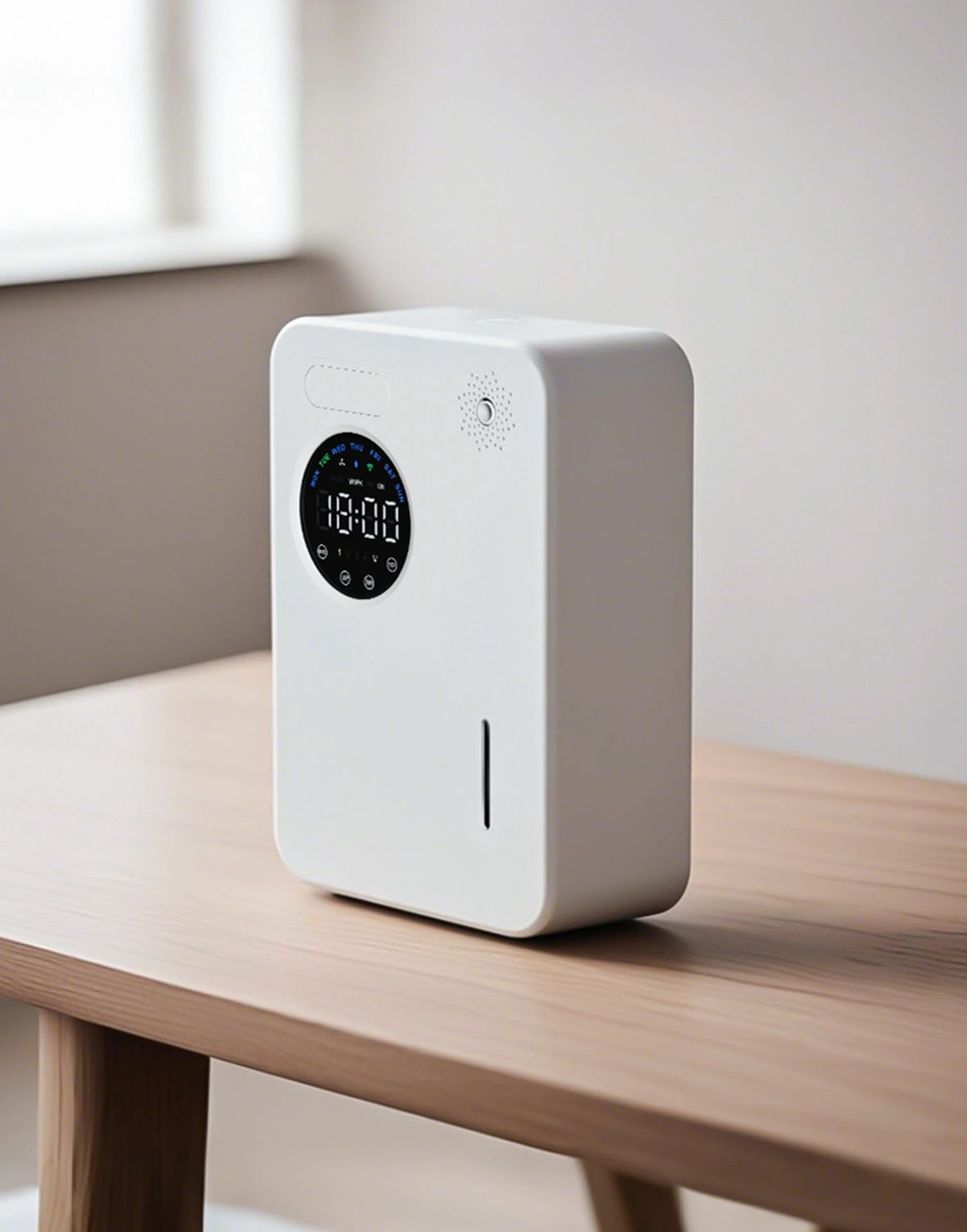
Before you commit to a refill order, confirm three things: the diffuser model, the daily operating schedule, and the target scent intensity for each zone. If those details are not settled, the bottle size is only a guess. Send us your floor plan, operating hours, and current bottle size at [email protected], or call +86 185 6557 5758 or +86 134 2048 5758. We will turn your space and schedule into a consumption estimate with a bottle configuration that keeps you stocked without overbuying.
What Questions Should You Ask About Fragrance Oil Diffuser Usage?
Does a larger diffuser always use more fragrance oil?
Not always. A large HVAC system can run at a low duty cycle and consume less oil than a small desktop unit at maximum intensity because consumption follows pump rate and run time, not machine size. Check the atomization rate and the programmed schedule before assuming the bigger unit costs more to keep filled.
How long does a 150ml fragrance oil bottle last?
It depends on your duty cycle and intensity. At a 0.5ml per hour setting running 12 hours a day, the calculation is simple: 6ml per day means a 150ml bottle lasts about 25 days. Set the machine to run 24 hours at a higher intensity and that same bottle may last under two weeks.
Can I use the same fragrance oil in any diffuser?
A common assumption is that any fragrance oil works in any machine, but that is not always safe. Water-based ultrasonic units need water-soluble formulations, while cold-air and HVAC systems run neat fragrance oil with different viscosity and purity requirements. Using the wrong oil can clog the pump or produce inconsistent scent output. Match the oil to the diffuser technology before filling the bottle.
Why does my diffuser consume oil faster than the spec sheet suggests?
In projects I have reviewed, the usual causes are higher fan speed, extended operating hours, or a pump cycle set more aggressively than the original plan. Door traffic also matters: an entrance lobby with constant air exchange loses scent faster, so technicians raise the output. Before assuming a hardware fault, check the schedule and intensity settings first.
What should I check before placing a refill order?
Narrow the question to three data points: current bottle size, daily operating hours, and the coverage area for each scent zone. With those numbers, a refill order becomes a calculation rather than a guess. Share your current bottle size, operating schedule, and floor plan with us at [email protected] and we will confirm the right refill volume for your program.
If you’re interested, check out these related articles: