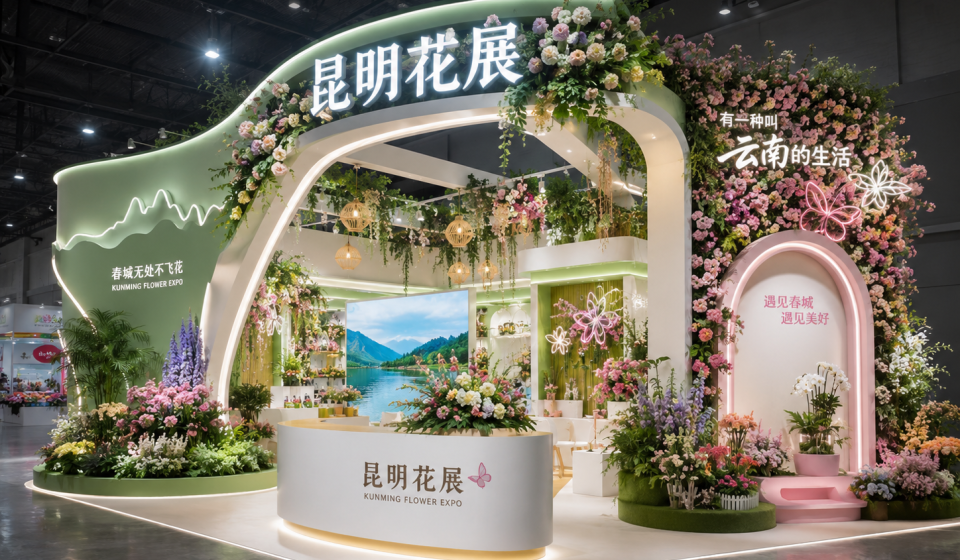

Securing a reliable supply of fresh-cut flowers from Yunnan depends on more than just finding the right grower at a trade fair. The contract you sign afterwards is what turns a promising meeting into a protected shipment, but too many agreements fall apart because the wording doesn’t survive the journey between languages. Most guides on flower sourcing contracts stop at vocabulary lists. What follows instead is a practitioner’s view of the key English-Chinese contract terms that actually determine whether your roses arrive on time, in grade, and without a payment dispute. I’ve watched buyers at IFEX Kunming spend days negotiating only to leave with a one-page order form that never mentions cold chain handover, quality tolerance, or what happens when a batch fails inspection. The terms covered here are the ones you should hear in a hotel lobby negotiation and see printed in the final document before you transfer a deposit.
The Real Cost of an Incomplete Flower Contract
A buyer I worked with a few seasons ago lost an entire container of lilies because the contract said “fresh flowers” but never specified the transport temperature range. The Chinese supplier used ambient-air freight under the general term, and the shipment bloomed prematurely in transit. Legally, both sides had signed a valid document; practically, the buyer had no recourse because the quality expectation wasn’t written down.
In Chinese flower procurement, what isn’t written does not exist. This isn’t a criticism of Chinese business culture—it’s the legal reality. When a contract dispute reaches arbitration or a Chinese court, the written terms carry almost all the weight. Verbal assurances about “best quality” or “fast delivery” collapse under scrutiny. I’ve found that buyers who treat contract drafting as a bureaucratic step rather than a negotiation tool routinely face late shipments, grade downgrades, and payment recovery battles that could have been prevented with half a dozen precise clauses.
The Core Contract Terms You Need in Both Languages
The following table sets out the terms I’ve seen create the most friction when only one language is used. Each one appears in every flower procurement contract I recommend, with the Chinese version matching what suppliers in Yunnan and across China expect to see in an enforceable document.
| English Term | Chinese Term | Practical Significance |
|---|---|---|
| Minimum Order Quantity (MOQ) | 最小起订量 | Locks quantity per variety or shipment; prevent supplier from reinterpreting after the fair. |
| Unit Price (per stem/bunch) | 单价(每支/每扎) | Must state currency, incoterms basis, and whether tax is included. |
| Delivery Date / Lead Time | 交货日期 / 交期 | Specify a calendar date range, not “as soon as possible” or “within 30 days of order”. |
| Quality Grade Standard | 质量等级标准 | Reference a published standard (e.g., Yunnan Flower Association grade) or attach a detailed specification sheet. |
| Packaging Specification | 包装规格 | Describes box type, stems per box, cushioning, and ventilation, which directly affects freight cost and flower arrival condition. |
| Cold Chain Integrity | 全程冷链 | Obligation to maintain a stated temperature range from farm packing to airport handover; missing this has ruined more flower orders than any other omission. |
| Force Majeure | 不可抗力 | Standard clause, but should list specific events common to flower regions—frost, road closures during Kunming rainy season, airport cargo strikes. |
| Breach Penalty / Liquidated Damages | 违约金 | Fixed amount or percentage for late delivery, grade mismatch, or failure to ship. Without this, chasing compensation is far harder. |
| Governing Law & Dispute Resolution | 管辖法律与争议解决 | State whether Chinese law applies and whether arbitration is through CIETAC or another body. Ambiguity here can add a year to a dispute timeline. |
I keep a version of this table on my phone during IFEX meetings. When a supplier says a certain clause “isn’t standard” or “isn’t necessary”, having the Chinese term ready keeps the conversation concrete. It also signals that you’re not a first-time buyer who will accept whatever purchase order they hand you.
Payment and Delivery Conditions Worth Fighting For
The three terms that most directly control your cash and timing are Incoterms, payment method, and the delivery schedule. I’ve negotiated enough deals on the floor of the Dianchi Expo Center to know that if you only push back on one thing, it should be Incoterms. The reason is simple: the moment a flower shipment leaves the grower’s cold storage, the party that bears risk under the chosen term becomes responsible for every warm minute, every cargo delay, and every customs hold.
- FOB Kunming Airport (昆明机场船上交货): The supplier delivers to Kunming Changshui Airport and clears export. Once the flowers are loaded on the plane, risk shifts to the buyer. This is the cleanest split I’ve found for cut flowers, because the grower controls the farm-to-airport cold chain they know best.
- CIF Destination Port (目的港到岸价): The supplier arranges freight and insurance to your port. This looks easier on paper but often means the grower selects the cheapest consolidator rather than the fastest. I’ve seen CIF shipments sit in Bangkok warehouses for two days waiting for consolidation while the clock ticks on vase life.
As for payment, a Letter of Credit (信用证) issued by a reliable bank is still the strongest protection. The Chinese supplier knows the funds exist, and you only release payment when the shipping documents match the contract. In practice, many smaller Yunnan growers dislike the paperwork cost of LCs, so a common compromise is 30% T/T (电汇预付款) upfront with 70% against scanned bill of lading after inspection at origin. I recommend this only when you’ve verified the supplier’s export track record and met their quality manager in person—something that’s far easier to do when you’re both standing at the same booth at IFEX.
Locking Quality into the Written Agreement
Nowhere is the gap between expectation and execution wider than in quality clauses. A contract that says “Grade A roses, stem length 60 cm” tells you nothing about acceptable bud opening stage, petal damage tolerance, or the treatment for botrytis prevention. The supplier in Tonghai might interpret “Grade A” differently from the buyer in Rotterdam.
I’ve seen a workable template work like this: attach a one-page Quality Specification Sheet as a contract appendix, written in both languages, with color photographs of acceptable and reject-grade blooms. The sheet should list:
– Bud openness range at packing (e.g., stage 2 to 3 on the Yunnan flower development scale);
– Maximum percentage of bent necks, broken stems, or bruised petals per box;
– Chemical residue limits if your market requires MRL compliance;
– Inspection procedure: whether you or a third-party inspector checks at the cold store before loading, and whether you pay for the rejected lot’s disposal.
This appendix doesn’t need a lawyer to draft, but it does need both signatures. When I’ve had disputes at destination, the fact that the supplier’s own quality manager had signed a photo-based specification removed the “we didn’t know what you expected” defense entirely.
Why Some Contract Clauses Work Differently in a Chinese Context
Three areas consistently trip up buyers who are accustomed to Western contract norms.
First, the concept of a verbal amendment. In many Chinese business relationships, a phone call after the contract is signed might vary the delivery date by a few days, especially around holidays like Spring Festival. From a purely legal standpoint, that oral modification is weak. I always insist that any change, even a one-day delay, be confirmed by a bilingual WeChat message that references the original contract number and the specific clause being adjusted. It takes thirty seconds and has saved multiple shipments during the February rush.
Second, the treatment of force majeure. Chinese suppliers typically interpret this clause broadly. A sudden price jump from their own bulb supplier is sometimes claimed as a force majeure event, which it isn’t. The fix is to write an exhaustive list in the contract—specific weather events, government export bans, airport closures—and explicitly exclude “cost increases of raw materials or logistics.” I learned this after a rose grower tried to cancel an order citing “market fluctuation” as a force majeure trigger. The Chinese clause now in my recommended template explicitly limits the term to events beyond reasonable control that directly prevent performance, not those that merely make it more expensive.
Third, dispute resolution. Arbitration at CIETAC (中国国际经济贸易仲裁委员会) is widely used and enforceable across borders, but the time and cost are real. I’ve found that adding a mandatory negotiation period—30 days of good-faith talks before either side can file for arbitration—works well in the flower trade because most disagreements involve specific shipments that both parties want resolved so the business can continue. The person who connects both sides at IFEX often becomes the mediator during that 30-day window.
What to Do After the Handshake at IFEX
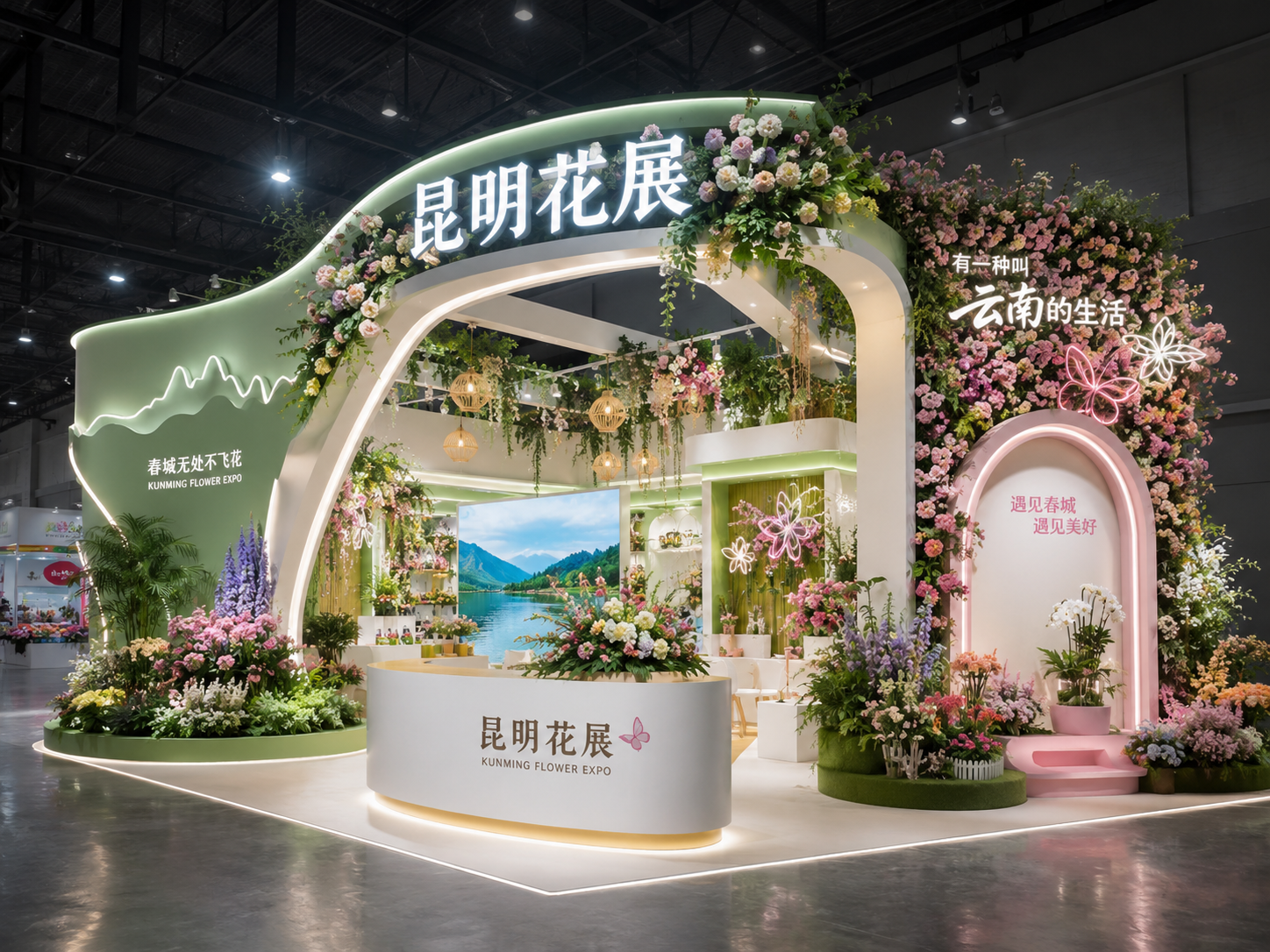
You’ve walked the halls of the Dianchi Expo Center, met five growers whose flower samples beat your expectations, and narrowed your choices to two. This is the moment where the contract terms outlined above stop being theoretical.
I recommend sitting down with the supplier’s export manager, not just the salesperson, and going through the key clauses in the order they affect your business: quality specification first, delivery schedule and cold chain second, payment terms third, dispute resolution last. If the supplier uses a standard form contract, ask for a bilingual version and check whether the Chinese wording matches the English. Discrepancies often hide in subordinate clauses—a Chinese version that says “delivery within 45 days” while the English says “within 30 days” can look like a translation error but bind you to the longer timeline if Chinese law governs.
Finally, send the signed contract digitally before you leave Kunming. The supplier’s chop (公司公章) should appear next to your signature, and you should both hold the final scanned version. I’ve watched buyers who got this right turn their IFEX meetings into long-running supply relationships without a single legal dispute. The ones who skipped the contract details spent the next season in their lawyers’ inboxes.
Questions International Buyers Ask About Flower Contracts
What is the one contract term most buyers overlook?
The cold chain allocation of responsibility. Many contracts state that the supplier will deliver “excellent quality flowers” but never specify who is responsible for maintaining the cold chain from farm to airport, and at what temperature range. I’ve seen shipments worth tens of thousands of dollars spoil at a transfer warehouse because no one owned the temperature risk for that specific leg.
Is a bilingual contract really necessary if we communicate well in English?
Yes, and for a reason that has nothing to do with language skills. If a dispute goes to a Chinese court, the Chinese-language version of the contract will be the authoritative text. If no Chinese version exists, the court will work from a translation that you didn’t control. Always insist on both languages with a clause stating that the Chinese version prevails for legal interpretation within China.
Can I use my own country’s standard flower contract with a Chinese supplier?
You can, but it’s rarely effective. The supplier’s legal team may not recognize the structure or the implied terms common in your market. A better approach is to start with a simple bilingual terms sheet that covers the items in the table above, then have both sides’ legal advisors expand it into a full agreement. I’ve seen this hybrid method close deals in half the time of a full-draft negotiation.
What happens if the flowers arrive damaged and the contract is silent on liability?
If the contract says nothing, you essentially rely on the goodwill of the supplier or the terms of your freight insurance. In practice, serious compensation is rare in these cases because the absence of a clause makes it impossible to prove breach. The lesson is that a contract without a quality-inspection clause and a breach penalty is only marginally better than no contract at all. For specific recommendations on wording that has worked for other IFEX buyers across different flower categories, share your product mix and target market at [email protected] or call +86 10 5933 9349. We can discuss which growers in the upcoming exhibition are most accustomed to contract terms that align with your import requirements.