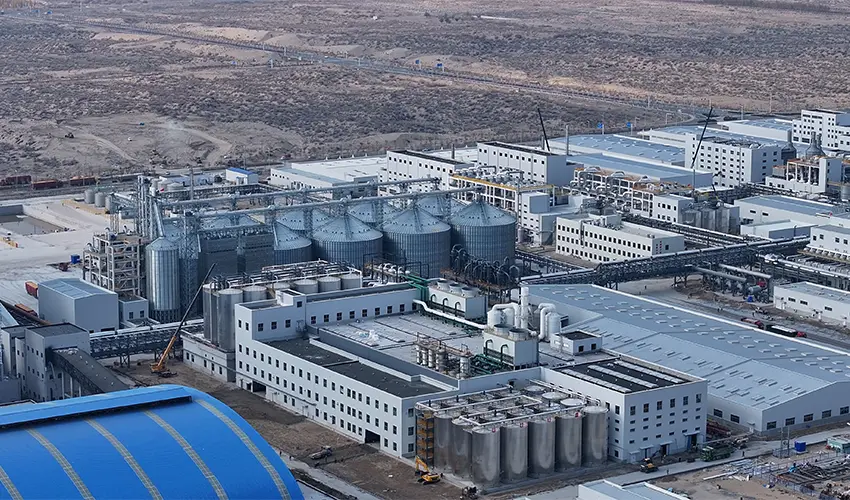

Ethanol plant commissioning is the critical bridge between construction and profitable operation, yet most projects stumble because they treat it as a linear checklist rather than an integrated system start-up. At AGRIFAM, we approach commissioning as the final stage of a cohesive EPC process that aligns every unit — from corn receiving and milling through fermentation, distillation, molecular sieve dehydration, and by-product recovery — around a single goal: reaching full production on time and within design specs. This article walks through the commissioning phases we have refined over projects worldwide, highlighting the practical decisions that determine whether an ethanol plant starts smoothly and keeps running profitably.
Pre-Commissioning Planning and System Integration
Long before the first pump is energized, the commissioning phase is defined by the engineering decisions made during design and installation. Most failures we observe are not equipment failures but integration failures: a distillation column that interfaces poorly with the molecular sieve dehydration unit because the heat balance was calculated in isolation, or a fermentation section that cannot transfer mash at the required rate because the piping layout did not account for actual viscosity. The most effective pre-commissioning activity is therefore a thorough system-level review of the process flow, checking every inter-unit transfer, every heat exchanger pinch point, and every control loop pairing against the integrated P&ID.
In a grain-based ethanol plant, the interdependencies are especially tight. The milling section must deliver consistent particle size to the liquefaction tanks. The jet cooker temperature profile influences enzyme performance, which in turn determines the sugar concentration entering fermentation. Fermentation yield affects distillation steam demand, and the distillation bottoms — the whole stillage — feed the DDGS dryer whose energy consumption is the single largest steam user in the plant. Commissioning one section without verifying its impact on the next is the fastest route to a prolonged start-up.
We therefore begin every commissioning project with a pre-startup safety review (PSSR) that examines these cross-functional links, not just the individual equipment condition. This review includes verification that the distributed control system (DCS) is correctly configured with all interlock logic, alarm setpoints, and cascade control loops. A digital management platform that already mirrors the plant’s full process architecture makes this significantly faster because it eliminates the manual reconciliation that custom PLC configurations require.
Cold Commissioning of Utilities and Unit Operations
Cold commissioning — running systems without process fluids — is where most installation errors surface, and where fixing them costs a fraction of what they would cost during hot commissioning. We sequence this phase by utility criticality: instrument air and nitrogen first, because every subsequent valve and transmitter depends on them; then steam, cooling water, and compressed air; then individual unit operations from upstream to downstream.
The following table outlines the key cold commissioning checks for major ethanol plant subsystems:
| System | Key Cold Commissioning Checks |
|---|---|
| Corn receiving and storage | Conveyor belt alignment, bucket elevator tracking, dust collection suction pressure, silo level sensor calibration |
| Milling and liquefaction | Hammer mill rotor balance, jet cooker steam control valve stroke, liquefaction tank agitator rotation direction, enzyme dosing pump calibration |
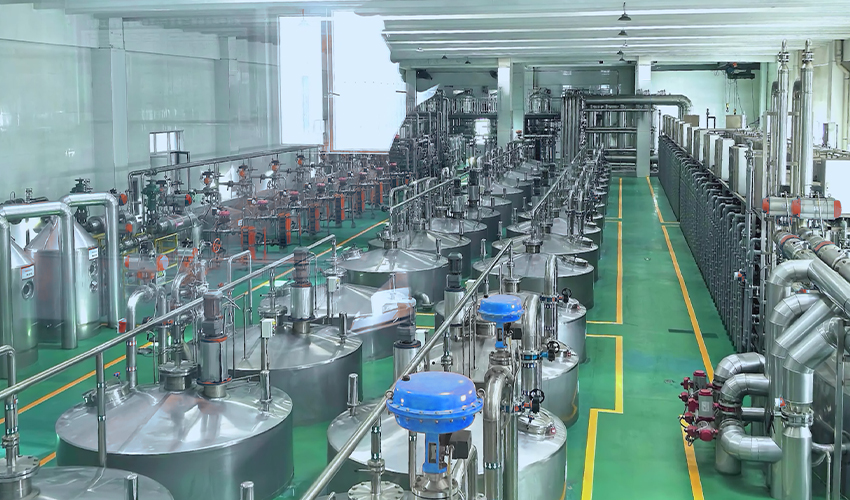
| Fermentation | Fermenter agitator seal integrity (dry run), cooling coil leak test, pH and temperature transmitter calibration, CIP spray ball coverage test |
| Distillation and dehydration | Column tray levelness (visual check), reboiler steam trap operation, molecular sieve vessel pressure test, reflux pump alignment |
| Utilities and by-product | Cooling tower fan pitch, biogas blower rotation, DDGS dryer burner ignition sequence, wastewater pump flow test |
A common mistake is rushing through cold commissioning because the schedule pressure is already building. The reality is that every hour spent correcting a misaligned pump coupling or a reversed thermocouple during cold commissioning saves several hours of troubleshooting when the plant is full of corn mash that is slowly souring. Our project teams budget at least two to three weeks of dedicated cold commissioning, with specialist vendor technicians on site for the molecular sieve unit, the DCS, and the centrifuge or decanter packages.
Hot Commissioning and Process Ramp-Up
Hot commissioning begins with water runs and then progresses to feedstock, typically at 30% of design capacity initially. The objective is not speed but process verification: confirming that each unit operation performs within its design envelope when handling real material. We start with the milling and liquefaction train, running corn at a reduced rate while monitoring hammer mill current draw, particle size distribution, and the jet cooker discharge temperature. The liquefied mash sampled at this stage should show a dextrose equivalent (DE) within 10% of the design target before any material is admitted to fermentation.
The fermentation section is next, and this is where many ethanol plants lose their first batches. A new fermenter is biologically raw; the yeast needs several propagation cycles to develop a healthy population that can tolerate the ethanol concentrations expected in continuous operation. We inoculate the first fermenter with a larger-than-normal yeast pitch and run it as a batch, then use that broth to seed the next vessel, gradually increasing the feed rate over five to seven days. During this period, the DCS trends for pH, temperature, and CO2 off-gas flow provide real-time insights into yeast activity that no manual sample schedule can match.
Once fermentation is delivering consistent ethanol concentrations above 10% v/v, distillation and dehydration can begin. The distillation column is particularly unforgiving of erratic feed: a sudden change in feed ethanol concentration or flow rate will disturb the temperature profile and push off-spec product into the overhead or bottoms. We bring the molecular sieve dehydration unit online only after the rectified spirit from the distillation column meets the required concentration (typically 95% v/v) and has been running stably for at least 24 hours. The molecular sieve vessels switch cycle must be tested under load; the adsorbent beads can fluidize or channel if the vapor upflow is not uniform, reducing the effective capacity and requiring an early regeneration.
If your plant design incorporates biogas recovery from wastewater, the anaerobic digester inoculation and ramp-up should proceed in parallel with hot commissioning, since the digester biomass requires several weeks to mature and will influence the overall energy balance.
Performance Testing and Project Handover
Performance testing is the contractual proving ground: the plant must demonstrate sustained capacity, product quality, and utility consumption at or better than the guaranteed figures for a continuous period, usually 72 hours. The key performance indicators are ethanol yield per bushel of corn, steam consumption per liter of anhydrous ethanol, electricity consumption, water usage, and by-product quality (DDGS protein content, CO2 purity if applicable).
The table below shows typical guaranteed performance parameters for a modern 200,000 ton per year corn ethanol plant:
| Performance Parameter | Test Method | Guarantee Value |
|---|---|---|
| Ethanol yield | Total product anhydrous divided by corn input (dry basis) over 72 hours | ≥ 405 liters per metric ton |
| Steam consumption | Measured at boiler header; includes all process steam | ≤ 2.2 kg per liter anhydrous ethanol |
| Electricity consumption | Main transformer meter reading | ≤ 0.18 kWh per liter |
| DDGS crude protein | Composite sample from dryer discharge, analyzed per AOAC | ≥ 28% (dry basis) |
Handover occurs only after these numbers are verified and the operations team has completed a formal training program covering normal operation, emergency shutdown procedures, and the DCS interface. We include a 30-day assisted operation period after handover during which our commissioning engineers remain on site to support the plant team through the first shift of independent operation. This period is not a formality; it catches the real-world variables — variable corn moisture, cooling water temperature swings, operator shift changes — that no performance test can fully replicate.
Post-Commissioning Optimization and Circular Economy Validation
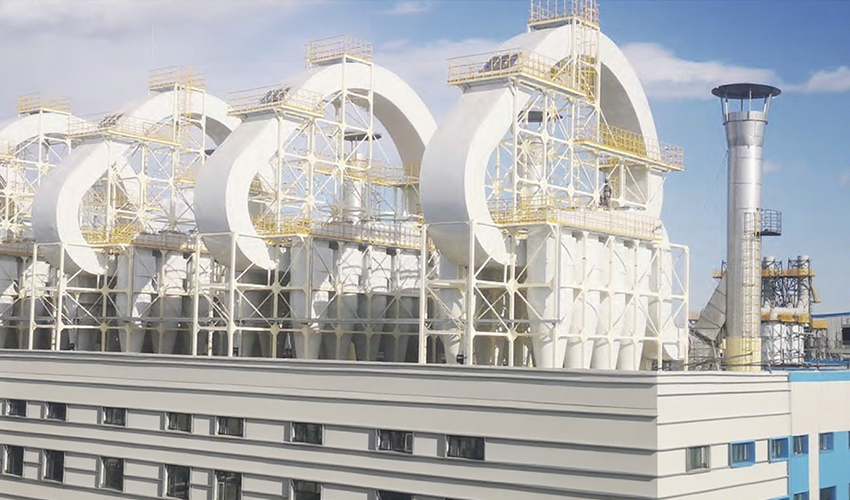
The weeks and months after handover are when an ethanol plant’s true economics emerge. The guaranteed numbers represent a baseline; plants designed with integrated circular economy features should exceed them. For example, the energy cascade design in our Alcohol solution routes waste heat from distillation to the DDGS dryer and biogas from anaerobic treatment to the boiler, reducing total steam consumption by up to 25% compared to a conventional layout. Commissioning that integration properly requires verifying the biogas methane content and flow rate under actual operating conditions, and confirming that the waste heat exchangers deliver the predicted temperature approach.
Similarly, the by-product streams — DDGS, food-grade CO2, and corn oil if a front-end fractionation is installed — each contribute revenue that can shift the project’s payback period. DDGS quality depends on the dryer temperature profile, which in turn depends on the stillage solids concentration leaving the decanter. This entire chain must be fine-tuned after the main process is stable, using online moisture sensors and periodic lab analysis. We see projects where DDGS protein is 2–3 percentage points below design for the first month simply because the dryer control loop was never optimized after the distillation column reached full throughput.
When these optimizations are done systematically, the plant achieves not just nameplate capacity but the full economic model that justified the investment. That outcome — a plant that performs as a complete agricultural-industrial ecosystem rather than a collection of unit operations — is the real deliverable of a properly commissioned ethanol facility.
What You Should Verify Before Accepting Commissioning Completion
The moment of handover is not when performance numbers are first met; it is when the plant team can sustain them. We recommend a structured acceptance walkdown with the following questions:
- Is the DCS historian recording all critical process variables, and can the operations team retrieve and trend them without vendor assistance?
- Are all by-product discharge streams — wet cake, DDGS, CO2 — meeting contractual quality specifications under sustained operation, not just during a peak sample?
- Has the plant run unattended through a full night shift with no engineering intervention, demonstrating that the automation and alarm systems function as designed?
- Are all utility consumption meters calibrated and integrated into the energy management report, so the plant can track energy per liter from day one?
Answering those questions honestly before the signing ceremony can prevent months of underperformance that quietly erodes the project’s return.
Common Questions About Ethanol Plant Commissioning
What is the realistic total duration from cold commissioning to full production?
For a 200,000-ton corn ethanol plant, we plan on 12 to 16 weeks from the start of cold commissioning to sustained full-load operation. The cold phase takes 3–4 weeks, hot commissioning with water and then corn feedstock 5–6 weeks, performance testing 2 weeks, and assisted operation another 3–4 weeks. Schedules compress when the plant is a near-replicate of an existing design with an experienced operations team. They extend when the feedstock is a novel grain or the site conditions impose utility constraints that require creative commissioning sequencing.
Can commissioning uncover design flaws that require equipment changes?
Yes, and that is not a failure of the engineering — it is the purpose of commissioning. A distillation column flooding at 85% of design throughput because the actual tray pressure drop is higher than the correlation predicted is a problem that no amount of simulation would catch. The question is how the EPC contractor handles it: a turnkey partner with in-house process engineering can re-evaluate the hydraulic model and, if necessary, modify internals or adjust operating pressure without a prolonged contractual dispute. In our projects, we treat these discoveries as expected events and maintain an on-site engineering buffer during commissioning specifically for this reason.
How important is operator training before commissioning starts?
Training before commissioning is not a checkbox; it is the single factor that most differentiates a fast ramp-up from a stalled one. Operators who have been trained on a high-fidelity DCS simulator before the plant starts up will recognize abnormal trends hours before they become trips. We recommend a minimum of two weeks of simulator training for the shift team, ideally with the actual DCS configuration they will use, covering at least ten failure scenarios. This training pays for itself in avoided lost batches during the first month of operation.
Does the commissioning sequence differ for plants producing multiple alcohol grades?
Yes. A plant producing both fuel ethanol and food-grade alcohol must commission the product purification and handling systems with a higher standard of cleanliness from the start. The distillation column and storage tanks require a documented chemical cleaning and passivation before the water run, and the product transfer piping must be flushed and swab-tested for contaminants. The commissioning schedule should include an extra week for this cleaning validation phase. We also recommend isolating the food-grade storage and loading systems from the fuel-grade side with dedicated pumps and filters, and verifying that segregation during commissioning rather than relying on operational discipline later.
Should the by-product systems be commissioned in parallel with the main process or only after?
We commission the DDGS and CO2 systems in parallel with the main process because they receive live streams from distillation as soon as the column is producing. The DDGS dryer cannot wait; stillage accumulates quickly. The CO2 recovery and liquefaction plant can be delayed slightly if only venting is acceptable, but we prefer to start CO2 capture as soon as the fermentation gas composition stabilizes, so that the food-grade certification sampling can begin immediately. For biogas, the digester must be seeded and ramped up weeks before the plant reaches full organic load, so it must be started early in hot commissioning. Committing to a parallel commissioning approach for all by-product systems is more demanding during the start-up period, but it accelerates the plant’s path to full revenue generation. For a commissioning plan tailored to your specific feedstock and capacity, share your process requirements with us at [email protected] or +86 10 8591 2286.
If you’re interested, check out these related articles:
Driving Global Food Conservation Through Technological Innovation