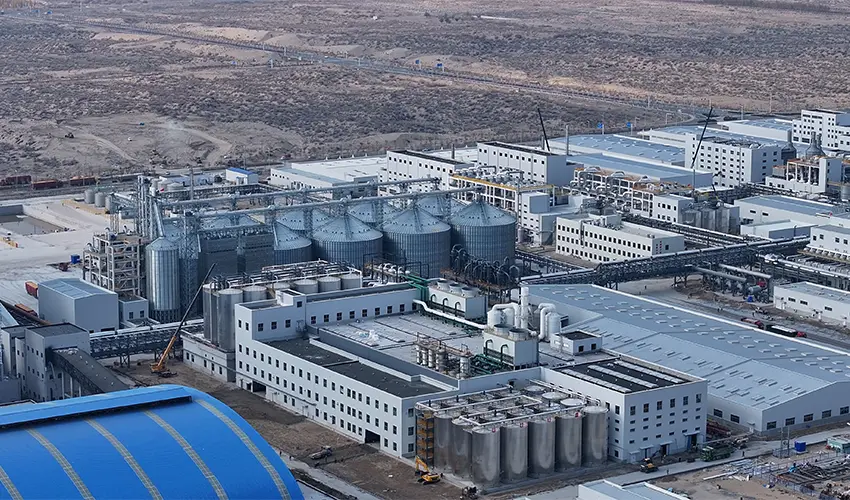

An ethanol plant CIP system that enters the design conversation after vessels are specified will create recurring downtime. In corn ethanol processing, sugars, yeast, organic acids, and fusel oils deposit inside fermentation tanks, columns, reboilers, and product lines. If a cleaning circuit cannot reach every dead leg and drain fully after the final rinse, microbial contamination returns sooner and fuel grade quality drifts. I treat clean-in-place design as a core process utility, not a sanitation accessory. The system must clean fixed equipment without disassembly, return it to service quickly, and recover water, heat, and chemicals where the site economics justify recovery. That is the line between a hygiene obligation and an operational asset.
Why Ethanol Plant CIP Systems Fail Without a Dedicated Circuit Plan
Cleaning an ethanol plant is not one cleaning task. Fermentation vessels leave behind sugars, proteins, yeast cells, and organic acids. Distillation columns accumulate scale and fusel oils. Molecular sieve dehydration systems shed fine adsorbent dust. Product storage and loading lines build biofilm when warm, moist conditions persist. Each soil type responds to a different chemistry, contact time, and removal mechanism.
| CIP circuit | Primary soil | Typical cleaning sequence | Key control parameter |
|---|---|---|---|
| Fermentation vessels | Sugars, yeast, organic acids | Hot caustic circulation, intermediate rinse, acid wash, final rinse | Spray coverage and caustic temperature from 70 to 80 C |
| Distillation columns and reboilers | Scale, fusel oils, cooked organic residue | Hot caustic circulation, rinse, periodic acid descale | Recirculation flow and contact time |
| Molecular sieve dehydration units | Adsorbent dust, trace organic carryover | Hot water flush, specialty clean when fouled | Flow rate and differential pressure |
| Product storage and loading lines | Microbial biofilm, residual ethanol | Hot water wash, sanitizing rinse, final rinse | Sanitizer contact time and drainability |
Plants that run one alkaline wash for every circuit leave proteins and mineral deposits in place. A better approach is a circuit plan that groups equipment by soil chemistry, material, and drain geometry, then assigns each group a defined sequence and acceptance limit.
Clean-in-Place Design Parameters That Protect Ethanol Quality
CIP effectiveness is not achieved by chemical strength alone. The four operating variables are temperature, chemical concentration, flow, and time. When any one is reduced, another must rise to maintain the same removal result. In ethanol service, the practical risk is that operators compensate for short cycles by increasing caustic concentration, which raises corrosion risk and chemical cost without removing the source of contamination.
Flow and Impingement Coverage
Tank cleaning depends on impingement, not simply flooding. A spray device must reach every internal surface, including agitator blades, baffles, nozzles, and the underside of vessel heads. Low flow may still fill the vessel without creating the mechanical action needed to lift a yeast film. For pipe circuits, the target is turbulent flow. A laminar flow path leaves a static boundary layer where microbial deposits survive.
Drainage and Residue Removal
A cleaning circuit that cannot drain completely cannot be validated. Low points, dead legs, and unvalved bypasses hold rinse water and chemical residue. We design CIP circuits with fall toward drain and no undrained pockets, because residual cleaning chemicals after the final rinse contaminate the next batch as directly as process soil.

Water, Chemical, and Energy Recovery in Ethanol Plant CIP Operations
CIP is a major water and steam user, but it also creates recovery opportunities. Final rinses can be captured for use as pre-rinse water, and hot caustic solutions can be circulated back to a storage tank rather than sent to drain. Recovery decisions should follow the plant’s overall energy and water balance, not CIP in isolation.
Where Recovery Makes Economic Sense
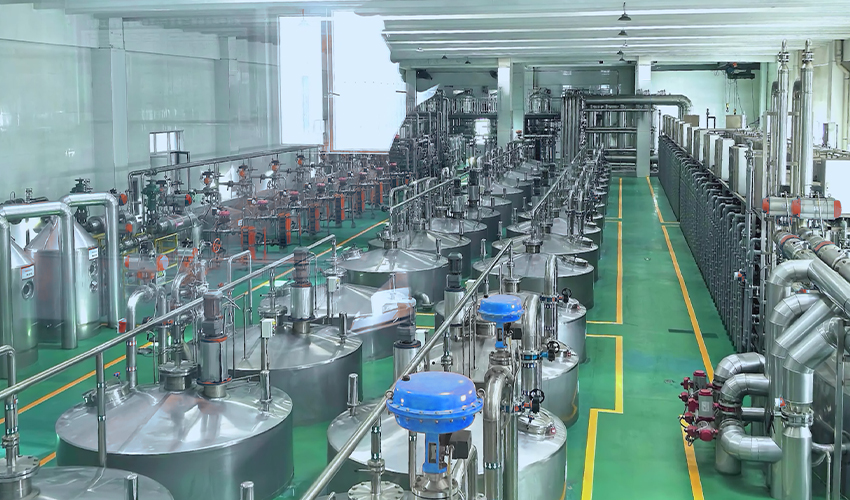
Recovery works best in multi-circuit plants where the same chemical type is used across several vessels and where a recovered-water tank already exists. The final rinse from one circuit becomes the first rinse for another. The main constraint is segregation: recovered water used in fermentation cleaning should not be introduced into product contact lines unless the plant’s microbial and conductivity limits can accept it. We evaluate this within the total process water balance during design.
If your plant has more than four fermentation vessels or a molecular sieve dehydration step, it is worth confirming whether rinse recovery can be designed into the piping before utilities are locked. Send your process flow diagram and circuit list to [email protected].
Integrating CIP Sequencing Into Ethanol Plant Automation
A CIP skid should not be a standalone timer box. We tie cleaning sequences to the plant control system so that valve positions, pump status, temperature, and conductivity are recorded in the same historian as process data. This matters after a contamination event: operators can review the cleaning record and confirm whether every step met its setpoint.
At AGRIFAM, we place CIP requirements in the same early design scope as distillation energy integration and wastewater treatment. Cleaning loads drive steam demand, effluent volume, and production downtime, so the cleaning system cannot be designed separately from utilities.
What to Confirm With an Ethanol Plant CIP System Supplier
Choosing a CIP skid from a spreadsheet leaves several specification gaps unresolved. The equipment list should state how many circuits the plant will need, the soil type for each, materials of construction, chemical storage volumes, recovery tanks, and whether cleaning sequences will run from the plant DCS or a local PLC. These decisions affect piping, drainage, steam connections, and startup timing.
AGRIFAM’s alcohol EPC scope brings CIP into the same integrated planning process as fermentation, distillation, and utilities. That avoids late design conflicts between cleaning returns and process drains.
For a specific project, send your process capacity, circuit list, and target clean-in-place hygiene standard to [email protected] or call 010-8591 2286. We will confirm which CIP configuration fits your fermentation and distillation layout before you finalize utilities.
Common Questions About Ethanol Plant CIP System Design
How many CIP circuits does an ethanol plant need?
Most corn ethanol plants need at least three circuits: one for fermentation and yeast handling, one for distillation and dehydration equipment, and one for product storage and loading. Plants with large fermentation counts may split fermentation into multiple circuits to avoid cross-contamination between vessels. The exact number follows from the soil type, materials, and whether the plant produces fuel grade, food grade, or medical grade ethanol. Piping dead legs increase circuit count because they cannot be cleaned by a shared supply without dedicated drop points.
Can one skid clean both vessels and pipelines?
A common assumption is that one skid can clean tanks and transfer lines with the same pump and manifold. That works only when the circuits have similar volume, flow, and chemical requirements. Vessel cleaning needs lower pressure and high flow through a spray device; pipeline cleaning needs higher velocity through smaller cross sections. If the skid serves both without separate flow control, the pipeline circuit often receives far less turbulence than required. Specify separate supply lines or a flow split that maintains the required velocity in every branch.
What is the biggest cause of CIP failure in ethanol plants?
In plants we plan, the most common cause is not chemical selection but drainability. Low points, dead legs, and unvalved bypasses retain rinse water after the final rinse. That residue dilutes the next batch or gives microbes a place to grow between cleaning cycles. A system can deliver the correct temperature, concentration, and time and still fail if the circuit cannot drain completely. Before adding more chemical stages, we check the piping isometric for undrained pockets and confirm every low point has a drain valve or is eliminated.
When should CIP be specified during an ethanol plant project?
The useful question is not when to buy the skid; it is when to lock in cleaning returns, steam, chemical storage, and drain routing. These items affect structural and utility design. If CIP scope is confirmed after piping isometrics are issued, late changes usually move vessel nozzles and drain locations. We include CIP in the process design stage so that cleaning supply and return lines are part of the same P&IDs as process piping. That shortens commissioning and avoids cutting open finished pipe runs. Share your proposed circuit list and flow diagram with us at [email protected], and we will confirm drain and utility compatibility before detailed piping begins.
If you’re interested, check out these related articles:
Driving Global Food Conservation Through Technological Innovation