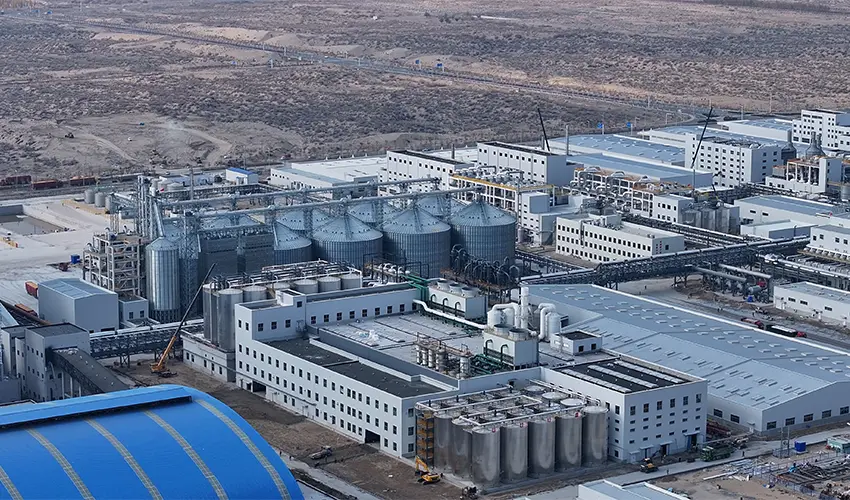

The decision between molecular sieve adsorption and azeotropic distillation for ethanol dehydration reverberates through the economics and energy profile of an entire corn-to-ethanol facility. Beyond producing anhydrous ethanol, the dehydration unit design shapes the plant’s ability to recover waste heat, preserve DDGS quality, and integrate biogas and CO₂ recovery into a coherent circular system. Having planned and built grain processing projects across multiple continents, I have seen dehydration technology selection either unlock or constrain these interconnected opportunities.
How Molecular Sieve Dehydration Removes Water from Ethanol
Molecular sieve dehydration uses pressure swing adsorption (PSA) with synthetic zeolite adsorbents to separate water from ethanol at the molecular level. Hydrous ethanol vapor from the rectification column, typically containing 5 to 8 percent water, passes through a bed of 3A zeolite with uniform pores sized at approximately 3 angstroms. Water molecules, being smaller, diffuse into the zeolite cavities and are trapped, while ethanol molecules pass through to produce anhydrous ethanol exceeding 99.5 percent purity.
The system operates in a continuous cycle of adsorption and regeneration. Once a bed approaches saturation, the feed switches to a parallel bed while the first undergoes depressurization and hot dry ethanol vapor purge to desorb the water. Modern units combine vacuum conditions with elevated temperature to reduce regeneration energy demand. The gentle physical adsorption process avoids the thermal degradation of ethanol that can occur in alternative methods.
This technology scales well from 30,000 to over 300,000 tons of anhydrous ethanol per year. Because the separation is physical, the product quality remains stable regardless of feedstock variations, a consistent advantage when processing corn from different harvests.
How Azeotropic Distillation Purifies Ethanol
Azeotropic distillation introduces a third component, typically cyclohexane, to break the ethanol-water azeotrope that prevents further separation by ordinary distillation. Cyclohexane forms a ternary minimum-boiling azeotrope with ethanol and water at about 62 °C, which is distilled off as overhead vapor while anhydrous ethanol is drawn from the column base.
The overhead vapor condenses and phase-separates into a cyclohexane-rich organic layer and a water-rich aqueous layer. The organic layer returns to the column as reflux, and the aqueous stream proceeds to a stripper column to recover residual cyclohexane and ethanol. This continuous recirculation of entrainer and the need for multiple distillation columns raise both steam consumption and capital expenditure compared to a molecular sieve unit of equivalent capacity.
Cyclohexane handling introduces additional safety and environmental requirements. The compound is flammable and carries exposure limits that mandate vapor recovery systems, leak detection, and operator training. In some jurisdictions, solvent emission regulations add ongoing compliance costs to azeotropic operations.
Energy and Cost Comparison for Dehydration Technologies
The energy intensity gap between the two methods is measurable. A modern molecular sieve dehydration unit consumes 1.0 to 1.3 kilograms of steam per liter of anhydrous ethanol produced, depending on regeneration optimization and heat integration. Azeotropic distillation systems, owing to multiple distillation steps and entrainer recovery, consume 2.5 to 3.5 kilograms of steam per liter. Electricity demand follows a similar pattern, with PSA systems requiring about 12 to 18 kilowatt-hours per ton of anhydrous ethanol, versus 25 to 35 kilowatt-hours for azeotropic.
The table below summarizes typical performance and cost indicators for a 100,000-ton-per-year anhydrous ethanol plant.
| Parameter | Molecular Sieve PSA | Azeotropic Distillation |
|---|---|---|
| Steam consumption (kg/L) | 1.0–1.3 | 2.5–3.5 |
| Electricity (kWh/t) | 12–18 | 25–35 |
| Product purity (% v/v) | 99.5–99.9 | 99.5–99.9 |
| Capital investment (USD) | 2.5–3.5 million | 5.5–7.5 million |
| Annual entrainer cost (USD) | None | 150,000–250,000 |
| Maintenance labor (hours/month) | 60–80 | 100–140 |
Capital costs for molecular sieve units are roughly half those of azeotropic distillation because the PSA system includes only the adsorbent vessels, valves, and regeneration heater, whereas the azeotropic process requires multiple columns, condensers, decanters, and solvent storage. Operating expense differences compound over the plant lifetime, making the lifecycle cost advantage of molecular sieves substantial for fuel ethanol facilities.
The choice of dehydration technology shapes more than the utility bill. In a grain-to-ethanol plant, dehydration connects directly to the distillation heat recovery loop. A molecular sieve unit that regenerates with low-pressure steam or vacuum can accept waste heat from upstream distillation, lowering overall energy consumption. Azeotropic distillation typically demands fresh medium-pressure steam and returns condensate at temperatures that complicate heat recovery, reducing the effectiveness of an energy cascade design.
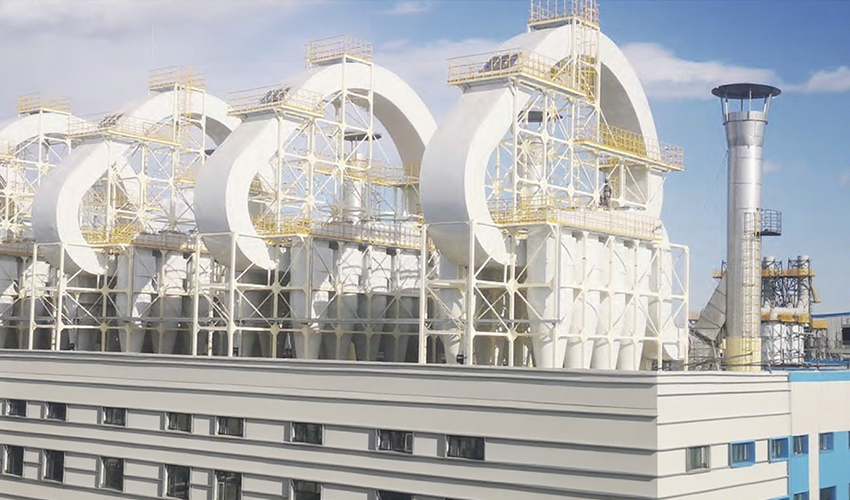
Dehydration selection also influences DDGS protein quality. Azeotropic distillation operates with higher temperature gradients and trace cyclohexane exposure that can affect the spent grains. In our projects, we have observed that plants using molecular sieve dehydration deliver DDGS with more consistent protein content and lower solvent residues, meeting tighter feed market specifications. For operators who market DDGS as a revenue stream, this difference translates directly to per-ton pricing.
Biogas and CO₂ recovery systems benefit from the steadier thermal load of a PSA dehydration train. The regeneration cycle creates a predictable heat sink that improves the efficiency of anaerobic digestion and CO₂ liquefaction, whereas the variable steam draw of an azeotropic column disrupts heat distribution across the plant. Integrating dehydration into the circular economy model, where corn produces ethanol, DDGS, CO₂, and biogas, works best when dehydration energy flows are steady and recoverable.
Which Dehydration Technology Delivers More Reliable Operation?
Molecular sieve units have fewer moving parts and chemical inventories than azeotropic distillation, which reduces the potential failure modes that interrupt production. Zeolite adsorbent life spans 5 to 8 years under normal conditions, with gradual capacity decline that can be monitored through online moisture analyzers. Regeneration cycles can be adjusted to compensate for aging, providing predictable scheduling for bed replacement.
Azeotropic distillation reliability depends on maintaining entrainer purity and phase equilibrium. Contaminants in the recycle streams can accumulate and shift the azeotropic composition, requiring periodic solvent replacement and column cleaning. Mechanical wear on multiple pumps, reboilers, and condensers increases maintenance hours and creates more opportunities for unplanned downtime. In regions without a reliable supply chain for cyclohexane, any solvent shortage halts the entire dehydration section.
Operating experience weighs in favor of molecular sieve trains for continuous fuel-grade production. Many of the corn alcohol facilities we have supported over the past decade have transitioned from azeotropic to PSA during capacity upgrades, citing not only energy savings but also simpler staffing requirements and lower fire safety risk.
What Plant Developers Ask About Ethanol Dehydration
What purity can I achieve with molecular sieve vs azeotropic?
Both technologies reach anhydrous ethanol purities of 99.5 to 99.9 percent by volume when properly designed. Molecular sieve systems maintain this purity across a wider range of feed conditions because the zeolite pore size excludes water regardless of ethanol concentration in the feed. Azeotropic distillation purity can drift with changes in reflux ratio or entrainer quality, demanding closer operator attention.
Does molecular sieve dehydration work for beverage-grade alcohol?
Yes, provided the adsorbent manufacturer certifies the zeolite for food-grade contact. The adsorption process does not introduce any solvents into the product stream, which simplifies compliance for pharmaceutical and food applications. Azeotropic distillation, by contrast, requires exhaustive solvent stripping verification, adding analytical cost and regulatory complexity for edible alcohol producers.
How long does commissioning take for each technology?
Molecular sieve dehydration units typically commission within two to three weeks, including adsorbent loading, pressure testing, and performance verification. Azeotropic distillation commissioning can take six to eight weeks because of the need to establish stable entrainer circulation, resolve phase equilibrium, and pass solvent emission compliance testing.
Does molecular sieve have a higher upfront cost for automation?
No. Modern PSA systems include programmable logic controllers and remote monitoring as standard, with costs embedded in equipment supply. The control logic for bed switching and regeneration is well established, and the instrumentation package costs less than the multiple column measurement systems required for azeotropic distillation.
Which technology fits a circular economy design better?
Molecular sieve dehydration integrates more naturally into a closed-loop industrial chain because it creates no chemical waste stream, operates with predictable energy loads, and supports by-product quality goals for DDGS and CO₂. If your program targets 100 percent by-product utilization and waste heat recovery, a PSA dehydration train simplifies the energy and material balance. Share your capacity target and site conditions, and we can evaluate how molecular sieve technology fits within a full corn-to-ethanol integrated system. Reach our engineering team at [email protected] or call 010-8591 2286.
If you’re interested, check out these related articles:
Driving Global Food Conservation Through Technological Innovation