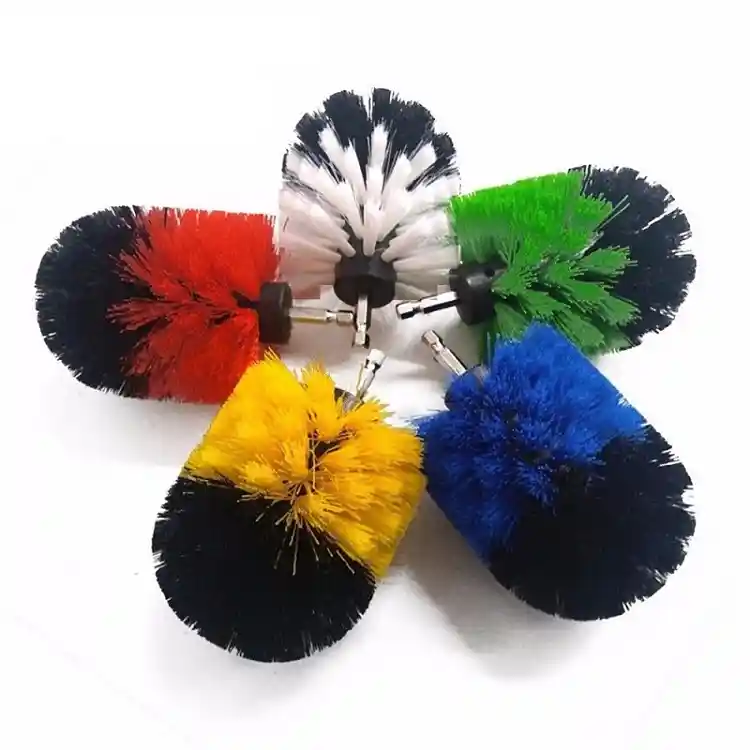

A drill brush kit that comes in multiple sizes seems straightforward, but the difference between a set that lasts through dozens of cleaning jobs and one that sheds bristles after the first concrete deck lies in the materials and shank design. As an industrial brush engineer with over fifteen years of experience, I have seen too many kits fail because the bristle was too aggressive for a painted surface or the shank spun loose inside the drill chuck. This article explains what makes a multi-size drill brush kit genuinely effective across automotive, workshop, and construction cleaning tasks, focusing on the specifications that determine surface safety and durability rather than just item count.
What a Multi-Size Drill Brush Kit Includes and Why It Matters
A typical kit includes several brush shapes and diameters: a small cup brush or end brush for tight corners, a wheel brush for edges and recessed areas, and a larger cup brush for open surfaces. Diameters often range from 1 inch to 4 inches, letting you move from detail work to broad area cleaning without switching tools. The bristle materials can include nylon, abrasive nylon, stainless steel wire, or a mix of each, and the shank ends are either 1/4‑inch hex or round.
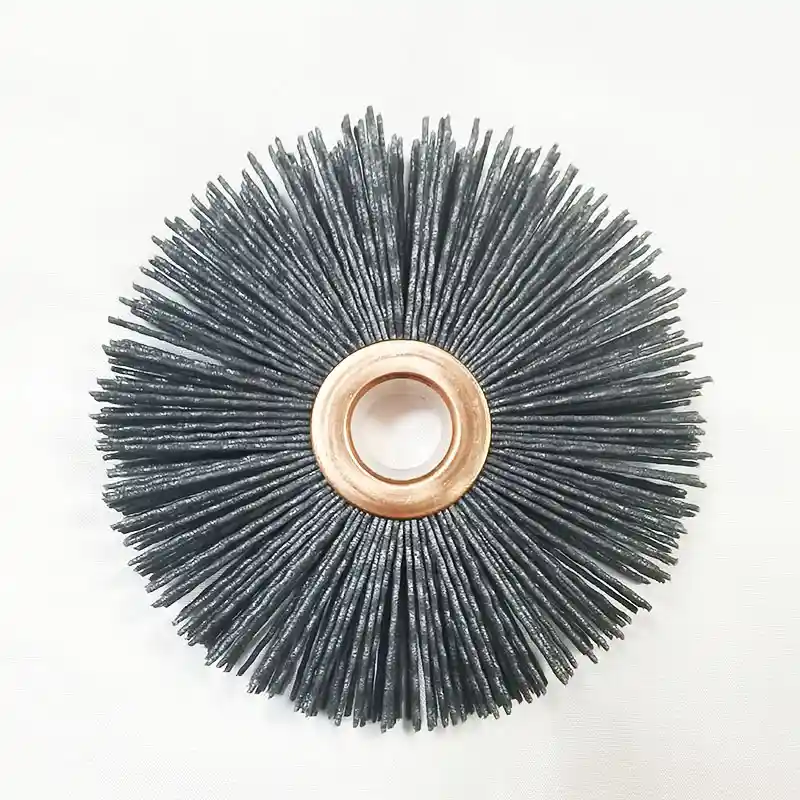
The real value of a multi-size set is not the number of pieces. It is having a shape and surface compatibility for each task on one vehicle, machine, or building element. I have worked with distribution clients who initially ordered kits based on the lowest price per brush and later replaced them because the included sizes did not match their actual cleaning dimensions. A 3‑inch wire cup brush will strip rust from a chassis beam in minutes, but that same brush will gouge a polished wheel rim beyond repair. A kit that only supplies one bristle type forces you to compromise on either cleaning speed or surface finish. Check that the sizes cover both your largest flat areas and your narrowest joints, and confirm that at least two bristle compounds are present before standardizing on a set for your shop or site.
Matching Bristle Material to Auto, Workshop, and Construction Surfaces
Bristle material is the strongest factor governing both cleaning performance and the risk of surface damage. I have seen customers stick with a single material because it is what came in their first kit, then blame the tool when paint scratches or when concrete residue does not budge.
| Brush Material | Best For | Surfaces to Avoid |
|---|---|---|
| Soft Nylon | Auto paint, polished metal, chrome | Heavy rust, dried concrete |
| Abrasive Nylon (medium grit) | Engine bays, alloy wheels, grout, tile | Delicate clear coats, anodized trims |
| Stainless Steel Wire | Rusted steel, cast iron, concrete, weld slag | Painted surfaces, aluminum body panels, plastic |
| Brass Wire | Chrome, brass fittings, delicate metals | Steel, hardened deposits |
Automotive tasks demand bristles that lift brake dust and road film without hazing the clear coat. For wheels and engine components, abrasive nylon with a medium grit removes carbon buildup while leaving the substrate intact. In a workshop, the priority shifts to cutting through oil, grease, and light corrosion on untreated metal; stainless steel wire or coarse abrasive nylon is often the best compromise. Construction cleaning introduces the toughest challenges: dried mortar, concrete splatter, and heavy oxidation. Here a stainless steel wire cup brush driven at the correct speed makes quick work of surfaces that would wear down a nylon brush in one shift. If your operation jumps between these environments daily, a mixed‑material kit with clearly labeled brushes prevents the expensive mistake of grabbing a wire brush when you need nylon.
Shank Design and Drill Compatibility: What to Look For
Not all shanks are equal, and a loose brush inside the chuck can scar the workpiece or injure the operator. Most drill brush kits use either a 1/4‑inch round shank or a 1/4‑inch hex shank. Round shanks work in standard keyed or keyless chucks, but under the side load created by scrubbing, they can slip, gall the shank, and gradually lose concentricity. Hex shanks lock into a three‑jaw chuck more securely and are compatible with impact drivers and quick‑change holders, which is a significant advantage when you are swapping between sizes repeatedly.
I have specified hex shanks as the default for industrial‑grade cleaning kits because the positive drive eliminates slippage at high torque. If you are outfitting a crew that will use the brushes on cordless drills, the hex shank also saves time because nobody needs to chase an adapter across the bench. Before ordering, check that every brush in the kit uses the same shank type. Mixed shank kits force you to maintain two adapters or constantly retighten the chuck, and in a busy auto shop or construction site, that adds up to lost time. A consistent 1/4‑inch hex shank standard across the entire kit keeps the workflow clean and the brushes running true.
Durability Factors: How Construction Affects Kit Lifespan
The durability of a drill brush kit is set at the manufacturing stage, not by the number of cleaning passes. Two construction details make the difference: the core material and the filament retention method. Brushes with a steel hub or a glass‑filled nylon core hold their shape under heat and pressure far longer than those with plain plastic hubs, which soften when the drill speed climbs above 2,000 RPM. Filament retention is equally important. When bristles are mechanically crimped and secured with a secondary bonding compound, they resist pull‑out even in heavy construction debris. In cheaper alternatives, bristles are simply stapled or friction‑fitted, and they begin shedding after the first few aggressive jobs.
I have sent wire brush samples to a construction material testing lab where continuous operation on cured concrete showed that a brush with an epoxy‑reinforced steel hub lost less than five percent of its bristles after one hour, while a plastic‑hub version lost over twenty percent in the same period. That difference translates directly to replacement frequency and per‑job cost. For continuous use, pay attention to the maximum RPM rating printed on the brush. Exceeding that speed generates heat that softens nylon, weakens bonding agents, and shortens the working life, regardless of how well the brush is built. Selecting a kit that states a rated RPM above your drill’s free‑speed gives you a margin that extends brush life.
If your team uses drill brush kits across different surface materials, getting the bristle compound right is critical. A wire brush that speeds through rust on steel can ruin a freshly painted auto body if mistakenly used. For mixed‑material operations, contact us at [email protected] with your application details, and we can recommend a bristle combination that balances cleaning speed with surface protection.
Sourcing a Professional‑Grade Drill Brush Kit
The difference between a retail‑packaged brush kit and one sourced through a manufacturer with in‑house filament and core production is consistency. When you order from a catalog, you are buying whatever specifications the brand decided to hit that quarter. When you work directly with a brush manufacturer, you can specify the bristle compound, the grit level, the shank type, and the core material to match your actual workload. Huixi Brush, for example, produces drill brush kits in Anhui with 16 years of manufacturing experience, supporting OEM and ODM requirements from clients in Europe, North America, and the Middle East. That means you are not limited to a fixed set of sizes; you can submit a drawing or a sample and receive a custom kit that fits your drill model and your target surfaces exactly.
Instead of guessing whether a retail kit will hold up to daily construction use, working with a manufacturer that controls the filament and core assembly gives you consistent quality from batch to batch. Send your size range, bristle material, and quantity requirements to [email protected], or call +86 1580 0932 713 to discuss a custom drill brush kit for your operation.
Common Questions About Drill Brush Kits for Auto, Workshop & Construction
What bristle material is safest for cleaning car paint?
Soft nylon or low‑grit abrasive nylon is the safest choice for clear‑coated automotive surfaces. These filaments are stiff enough to remove dirt and oxidation but will not score the clear coat when used with moderate pressure. I have tested nylon brushes side by side with brass and stainless steel wire on painted test panels, and the nylon left no measurable change in gloss units while wire brushes created visible scratches in under five seconds. For light swirl removal, an abrasive nylon brush with a fine grit around 320 or higher works, but always test on an inconspicuous area first.
Can a cordless drill provide enough power for a drill brush kit?
Many people assume that cordless drills lack the torque for heavy cleaning, but that is only true for the smallest 12V models. An 18V or 20V brushless cordless drill with a fully charged battery can drive a 2‑inch cup brush through rust and grout at 1,500 to 2,000 RPM without bogging down. The real limitation is runtime, not torque. On a construction site, a single 5Ah battery might give you about 20 minutes of continuous scrubbing before it needs a swap, so for all‑day use, having spare batteries is more important than upgrading to a corded drill.
How do I prevent the brush shank from slipping in the chuck?
The answer depends on the shank type. If you are using a round shank and it slips constantly, the shank is likely undersized or the chuck jaws are worn. Switch to a kit with a 1/4‑inch hex shank. The hex flats give the chuck three positive gripping surfaces, which eliminates rotational slip. When we supply hex‑shank brushes to industrial workshops, we hear far fewer complaints about loosening than with round‑shank versions. Tightening the chuck by hand and then giving each jaw area an additional half‑turn with the chuck key on keyed models secures the brush for the entire run.
Will abrasive nylon brushes handle dried concrete on a construction site?
In our experience supplying brushes for post‑construction cleaning crews, abrasive nylon can remove light concrete splatter and mortar haze from smooth surfaces, but if the concrete has fully hardened and built up in thick layers, a stainless steel wire cup brush will do the job in a fraction of the time. We typically recommend a two‑step approach: start with a wire brush to knock off the bulk, then follow with an abrasive nylon brush to clean the surface profile without deepening scratch marks. This combination protects the substrate while keeping the cleaning cycle efficient.
How long should a good quality drill brush last?
Longevity is driven by four variables: bristle material, core construction, applied pressure, and operating speed. A well‑made stainless steel wire brush with a steel hub running at its rated RPM can last several months of intermittent shop use before the bristles start to fatigue and break. Abrasive nylon brushes wear faster because the abrasive grains dull with use, though many industrial users replace them not because the brush fails but because the cutting speed drops. If you are putting a kit through daily use on a construction site, longevity expectations depend heavily on the bristle material and core bonding. Share your typical cleaning load and we can recommend a brush composition that maximizes runtime between replacements. Contact [email protected] with your usage data for a performance estimate.
If you’re interested, check out these related articles:
the differences between inward and outward spiral brush
honing brush treat burrs in barrel parts without affecting accuracy and scale