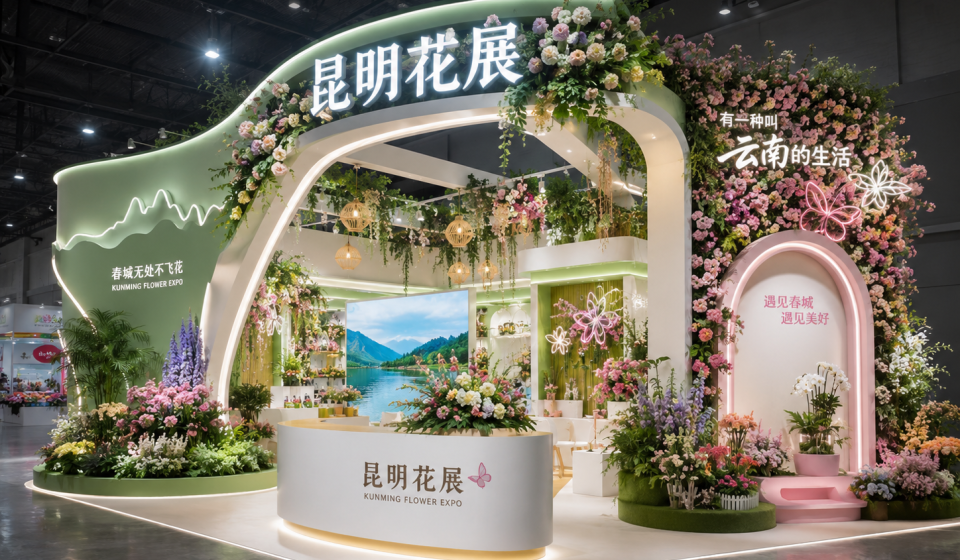

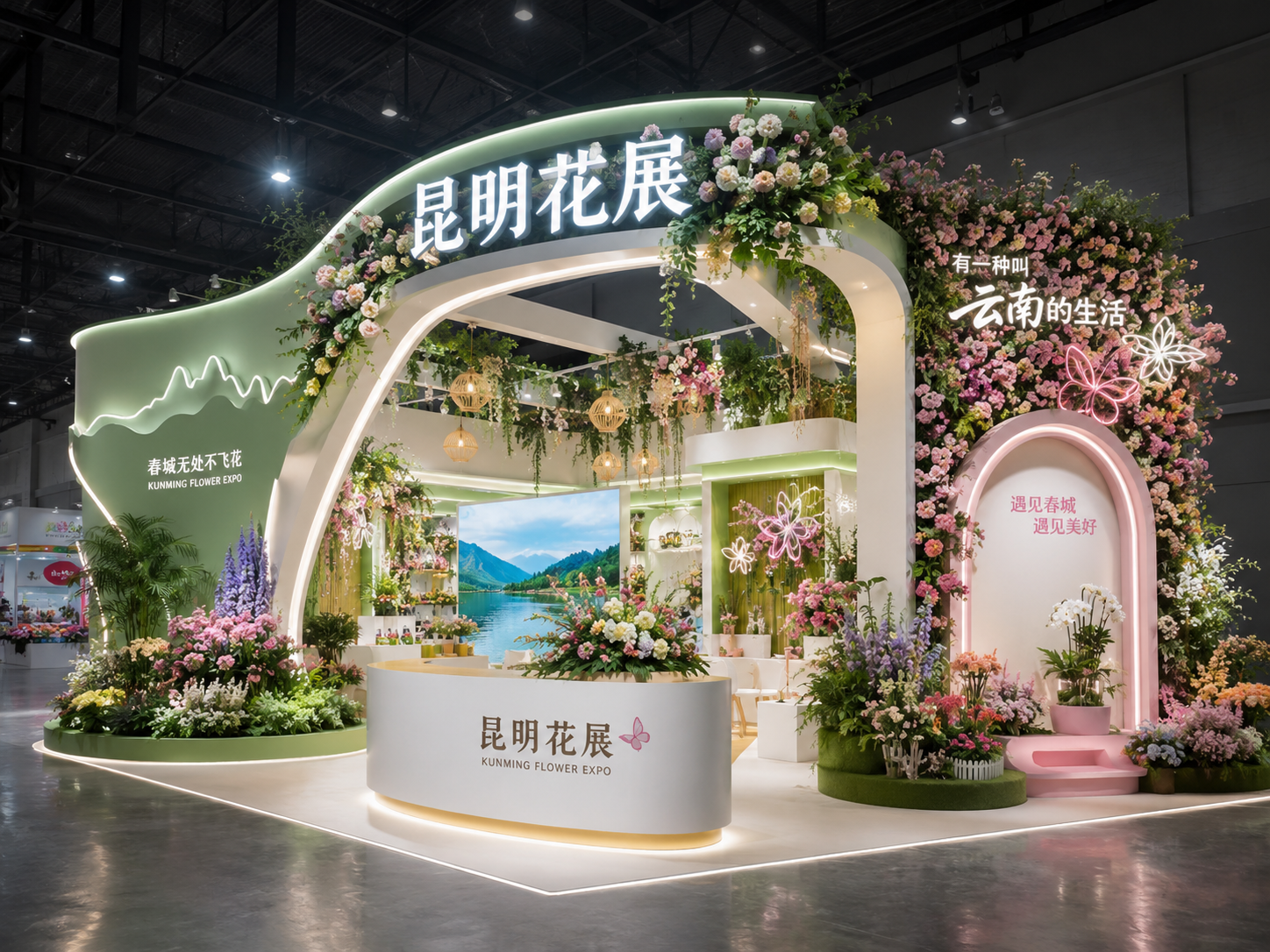
Navigating cut flower import regulations by country is one of the most critical steps in international sourcing. A shipment can be rejected or destroyed at the border for a missing phytosanitary certificate or an outdated treatment record—and fresh flowers have no time to wait. In fifteen years of working with global floriculture trade, I have seen how buyers who verify documentation at source fairs like IFEX Kunming avoid these costly delays. This guide provides a country-by-country overview of the customs and phytosanitary rules that affect cut flowers, and shows how to use a major trade exhibition to confirm supplier readiness before you place an order.
Why Import Regulations Are the Hidden Gatekeeper in Flower Sourcing
Every flower that crosses a border must satisfy two overlapping systems: the importing country’s plant health authority and its customs service. A phytosanitary certificate issued by the exporting country’s national plant protection organization is nearly universal, but the details that matter—allowed pests and diseases, treatment protocols, packaging standards—vary enormously by destination.
For cut flowers classified under HS code 0603, a few baseline documents appear in most markets: a valid phytosanitary certificate, a commercial invoice specifying botanical names, and a packing list. The trouble is not knowing these exist; it is knowing which additional declarations, import permits, or pre-shipment inspections each country demands—and getting the paperwork exactly right while the product is still cold chain fresh.
Buyers who treat regulatory compliance as a back-office formality often learn the hard way that a single missing stamp can turn a profitable container into quarantine waste. The real gatekeeper is not the supplier’s price but their ability to produce destination-specific documentation that clears inspection.
How to Verify a Flower Supplier’s Export Compliance at IFEX
One of the underused strengths of a large trade fair like IFEX Kunming is that it turns documentation verification from a remote guessing game into a same-day exercise. When a grower or exporter tells you they ship regularly to the EU or the Middle East, you can ask to see the actual phytosanitary certificates they used for their last shipment, not just a generic statement of capability.
Look for certificates that match the species you intend to buy, the treatment data that aligns with your importing country’s quarantine pests, and the stamp of China’s General Administration of Customs. A supplier who can produce these on the spot—with dates, consignment book references, and importing agent details—has already invested in the compliance infrastructure you need.
Equally important, walk through the cold chain process. Ask where the flowers are packed, how temperature is monitored from farm to airport, and whether the facility is registered for export to your specific market. At IFEX, you can often meet the logistics partner alongside the grower, which gives you a full picture of the export chain in one meeting.
Essential Phytosanitary and Customs Documents for Cut Flowers
Across most major flower-importing markets, the core document stack includes:
- Phytosanitary certificate (issued by the exporting country)
- Commercial invoice with full botanical names
- Packing list with weight and volume
- Air waybill or bill of lading
- Import permit or pre-arrival notification (if required)
- Certificate of origin (for preferential tariff treatment)
For markets with strict quarantine rules—such as Australia, New Zealand, and South Korea—you will often need a fumigation certificate or cold treatment record documenting that the flowers were held at a specified temperature for a minimum duration to eliminate target pests. The European Union requires a phytosanitary certificate for all cut flowers from non-EU countries, and since 14 December 2019, under Regulation (EU) 2016/2031, importers must register as professional operators.
In the United States, USDA APHIS regulates cut flower imports through its Cut Flowers and Greenery Manual. Many species are allowed entry without an import permit, but certain flowers from specific origins—including chrysanthemums, gladiolus, and orchids from some countries—require additional declarations or import permits. Getting these details wrong is the most frequent cause of border rejections.
Country-Specific Import Rules: US, EU, Japan, and the Middle East
| Destination | Phytosanitary Certificate | Import Permit | Additional Requirements |
|---|---|---|---|
| United States | Yes, issued by exporting country NPPO | Not required for most cut flowers; required for restricted genera | Declaration of freedom from specific pests; wood packaging must meet ISPM 15 |
| European Union | Yes, for all non-EU cut flowers | Registration as a professional operator under EU 2016/2031 | Customs declaration via ICS2; compliance with plant health regulation Annex XI for high-risk plants |
| Japan | Yes | Advance notification to Plant Protection Station | Some flowers require in-transit cold treatment; fumigation may be requested |
| United Arab Emirates (GCC) | Yes | Import permit from Ministry of Climate Change and Environment | Certificate of origin; conformance mark for packaging; frequent inspection at port |
| Australia | Yes | Import permit required for all cut flowers | Mandatory offshore treatment (fumigation or cold disinfestation); strict biosecurity inspection on arrival |
The table above only scratches the surface. Within the EU, member states can still impose additional emergency measures if a pest risk emerges. Japan adjusts its pest-risk list annually, and a flower variety that cleared last year may need a different treatment this year. I have seen Japanese buyers at IFEX spend an entire morning with a single supplier walking through the current fumigation protocols for Yunnan roses, item by item. That kind of granular check is not possible through email.
If your sourcing program spans several countries with sharply different quarantine regimes, it is worth confirming each destination’s current requirements before finalizing your product list. Changing a phytosanitary treatment in mid-order can delay shipment by weeks. For advice on exhibitors who already export to your target markets, you can reach our team at [email protected].
Managing Cold Chain and Logistics to Meet Regulatory Timelines
Phytosanitary inspections and cold chain logistics are not separate functions; they are two sides of the same clock. The shelf life of a rose from cut date to florist is measured in days, not weeks. When an importing country mandates a 15-day cold treatment at 1.0°C for Mediterranean fruit fly disinfestation, that protocol must be completed while the flower still has enough vase life to be commercially viable.
The most reliable exporters build cold treatment into their pre-shipment schedule, using programmable reefer containers that log temperature data and generate compliance reports. At IFEX, you can ask to see a cold treatment data logger report from a recent shipment. If the supplier cannot produce one—or shows a handwritten note—you are looking at a compliance gap.
Air freight remains the default for cut flowers, but sea freight is growing for certain hardy species like chrysanthemums and carnations. Sea freight shipments often require modified-atmosphere packaging and careful transit-time planning, especially for destinations with strict quarantine that delay release at port. The supplier who integrates phytosanitary protocols with cold chain management is the supplier who ships without surprises.
Building a Multi-Country Sourcing Strategy from China
Most flower importers serve more than one market. A single order of Yunnan roses might need to meet the fumigation requirements of Japan, the residue limits of the EU, and the wood packaging standard of the United States—all from one production batch. The only way to manage this complexity without error is to work with suppliers who already export to your target countries and maintain destination-specific packing and treatment lines.
IFEX Kunming, as the largest cut flower trade platform in Asia, gives buyers a rare chance to cross-check multiple growers’ export credentials side by side. Over the course of a three-day visit, you can build a shortlist of farms that not only grow the varieties you want but also already hold the phytosanitary registrations and treatment certifications for your markets. That is the difference between sourcing from a catalog and sourcing from a proven supply chain.
Questions Flower Buyers Ask About Import Regulations
Do I need an import license to bring cut flowers into my country?
It depends on the destination. The United States does not require a specific import license for most cut flowers, but USDA APHIS may require a permit for restricted genera like chrysanthemums or orchids. The European Union requires importers to register as a professional operator, which is a simple online process through each member state’s plant health authority. Japan requires advance notification but not a standing license. For the GCC, an import permit from the national agriculture ministry is mandatory. Always check with your destination’s national plant protection organization, as the rules change when pest-risk assessments are updated.
How long is a phytosanitary certificate valid for cut flowers?
Generally, the certificate is valid for a single consignment and is not reusable. Most countries require that the phytosanitary certificate be issued no more than 14 days before dispatch, though some markets accept up to 30 days if the flowers are properly stored. The certificate itself must accompany the shipment and be presented to customs in its original form. Digital phytosanitary certificates are becoming more common through the ePhyto system, but many countries still require the paper version. At IFEX, you can verify with the supplier which format they use for your destination.
What happens if a shipment arrives with pests or missing paperwork?
When a cut flower shipment fails a phytosanitary inspection at the port of entry, the importing country has several options: treatment (fumigation or cold treatment), re-export, or destruction. The decision usually depends on the pest risk and the importer’s track record. Missing or incorrect paperwork often leads to a hold that can last days, during which the flowers degrade. In some cases, a customs broker can correct minor documentation errors, but if the phytosanitary certificate is entirely absent or invalid, destruction or re-export is almost certain. The costs fall on the importer. This is why verifying documentation before shipment—and ideally at the source fair—is not just good practice, it is the single most effective risk-control measure in fresh flower sourcing. To connect with IFEX exhibitors who have a documented compliance record for your specific target markets, send your requirements to [email protected].