Scent has a way of bypassing logic and landing straight in memory. A particular fragrance can transport someone back to a specific moment, a place, a feeling—all in an instant. For brands looking to create lasting impressions, this presents an opportunity that visual and auditory elements simply cannot match. Custom scent diffusers, developed through OEM partnerships, allow businesses to harness this emotional shortcut deliberately. The process involves more than selecting a pleasant aroma; it requires aligning technology, design, and fragrance chemistry with a brand’s core identity. Having worked with partners across dozens of markets, the patterns that separate forgettable scent implementations from genuinely impactful ones have become clear.
Why Custom Scent Diffusers Create Competitive Separation
Generic off-the-shelf diffusers serve a functional purpose, but they do little to distinguish one brand from another. When a hotel lobby smells identical to a retail store down the street, neither location benefits from scent as a differentiator. OEM scent solutions change this dynamic entirely.
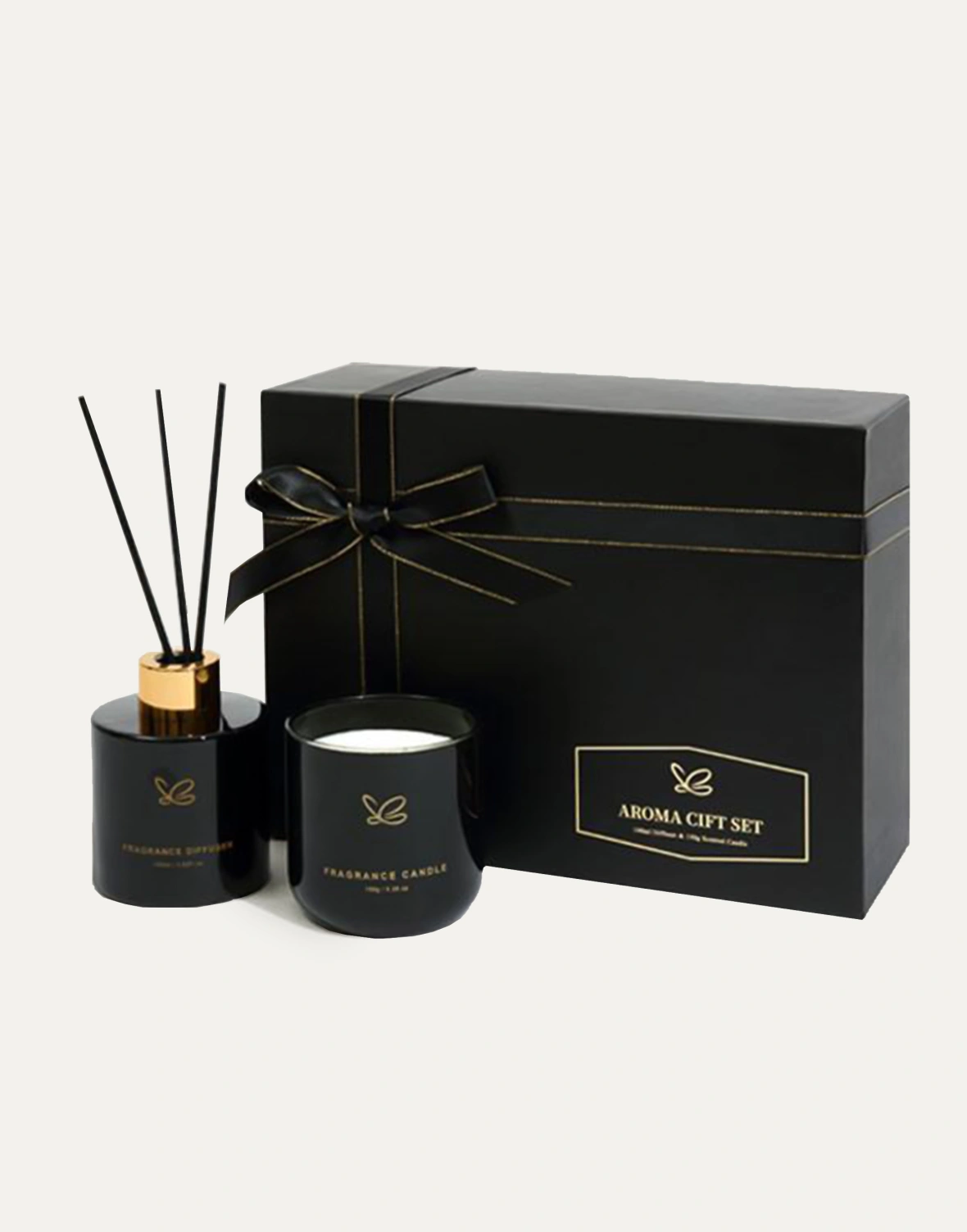
Custom scent diffusers allow brands to own their olfactory signature. This extends beyond fragrance selection to encompass the device itself—its form factor, materials, and operational characteristics. Private label diffusers can be designed to complement existing brand aesthetics, whether that means sleek minimalism for a tech company or warm organic textures for a wellness brand.
The practical impact shows up in customer behavior. Research consistently demonstrates that pleasant ambient scents increase dwell time in retail environments and improve perception of service quality in hospitality settings. Bespoke aroma devices take this further by creating scent associations that become uniquely linked to a specific brand. When customers encounter that fragrance elsewhere, it triggers recall.
Scent-Share maintains a diverse scent library developed over a decade of operation across 68 countries. This breadth matters because fragrance preferences vary significantly across cultures and industries. What works in a European luxury boutique may fall flat in an Asian wellness center. Custom branding diffusers need to account for these variations from the outset.
 ## How the OEM Development Process Actually Works
The path from initial concept to finished custom scent diffuser involves more steps than most brands anticipate. Understanding this journey helps set realistic expectations and identifies where potential bottlenecks can occur.
Initial consultations focus on understanding the brand’s objectives, target environments, and existing aesthetic language. This isn’t just about picking a scent—it’s about defining how the diffuser will function within specific spaces, what coverage requirements exist, and how the device will integrate with existing infrastructure.
Scent diffuser design services then translate these requirements into technical specifications. This phase addresses questions like: Should the device be wall-mounted or freestanding? Does it need to connect to HVAC systems? What level of user control is appropriate? The answers shape everything that follows.
Product development partnership enters the prototype development stage once specifications are locked. Physical samples allow brands to evaluate form factor, finish quality, and operational performance in real-world conditions. This iterative process typically requires multiple rounds of refinement.
Manufacturing scales the validated design. Quality control scent diffusers undergo testing at multiple checkpoints—component inspection, assembly verification, and final performance validation. Fragrance delivery systems receive particular attention since inconsistent scent output undermines the entire purpose of the device.
Diffuser material selection and packaging design services round out the process. Materials affect both aesthetics and durability, while packaging influences unboxing experience and shipping logistics.
Choosing the Right OEM Partner
Not all OEM relationships deliver equal results. Several factors separate capable partners from those who create headaches.
Manufacturing experience matters, but so does R&D capability. A partner who can only execute existing designs limits innovation potential. Scent-Share’s dedicated R&D focus enables development of genuinely novel solutions rather than minor variations on existing products.
Global service networks become critical when brands operate across multiple markets. Supply chain management and regulatory compliance vary significantly by region. A partner with established operations in 68 countries has already navigated these complexities.
Communication patterns reveal a lot during initial discussions. Partners who ask probing questions about brand objectives and usage scenarios tend to deliver better outcomes than those who immediately jump to product catalogs.
Technology That Makes Custom Scent Diffusers Effective
The sophistication of modern bespoke aroma devices extends well beyond simple evaporation. Advanced atomization technology and smart features determine whether a scent program succeeds or becomes an expensive disappointment.
Cold-air diffusion represents the current standard for professional applications. Unlike heat-based methods that can alter fragrance chemistry, cold-air systems preserve the integrity of scent compounds. The result is more consistent fragrance delivery and better fragrance oil compatibility across different formulations.
Connectivity options have expanded dramatically. IoT scent diffusers enable remote monitoring and control, which proves essential for brands managing multiple locations. Bluetooth APP integration allows on-site staff to make adjustments without specialized training. Data insights from connected devices help optimize scent schedules based on actual usage patterns.
Diffuser aesthetic design deserves equal consideration. A technologically superior device that clashes with interior design undermines brand experience. Air care product customization should address both performance and visual integration.
| Feature Type | Scent-Share Offering | Benefits |
|---|---|---|
| Atomization | Advanced cold-air diffusion | Fine mist, consistent scent, no heat |
| Connectivity | IoT scent diffusers, Bluetooth APP | Remote control, scheduling, data insights |
| Design | Custom materials, finishes | Brand alignment, aesthetic integration |
| Durability | Long-life pumps, robust construction | Extended product lifespan, reliability |
Specific applications require matched solutions. The Commercial Scent Oil Diffuser (Bluetooth APP) handles spaces up to 300m³ with its long-life pump and mobile app control. For desktop applications with automatic activation, the Home Aroma Oil Diffuser Desktop Sensor (Waterless) uses radar sensing and WiFi/Bluetooth connectivity for the same coverage area. Large commercial environments benefit from the Commercial HVAC Scent Diffuser Aroma Dispenser System, which integrates directly with building ventilation to cover up to 8,000m³.
Scent as Brand Strategy Rather Than Afterthought
The most effective scent implementations treat fragrance as a strategic element rather than a decorative addition. This distinction shapes how custom scent diffusers get deployed and measured.
Scent marketing technology works best when aligned with other brand touchpoints. A luxury retailer’s signature fragrance should complement their visual merchandising, staff interactions, and overall positioning. Disconnects between scent and other brand elements create confusion rather than reinforcement.
Customer journey optimization through scent requires thinking about spatial transitions. Entry points might feature welcoming notes, while product areas could emphasize different fragrance families that support purchasing decisions. Fitting rooms, checkout areas, and exits each present opportunities for deliberate scent choices.
Emotional connection through scent develops over repeated exposures. This argues for consistency in fragrance selection and device performance. Brands that frequently change their scent signature sacrifice the cumulative memory associations that make scent marketing powerful.
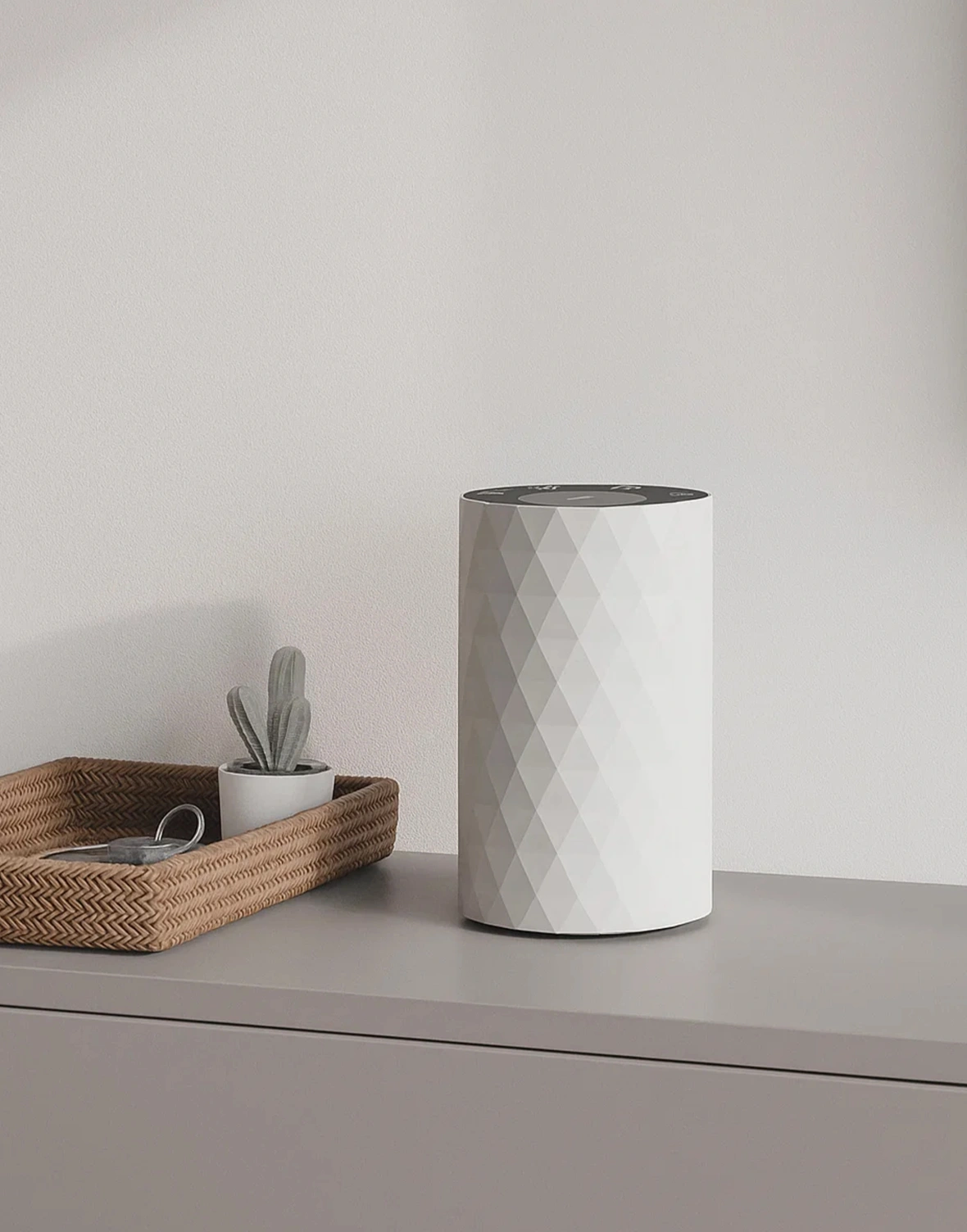
!Home Aroma Air Diffuser Scent Machine (Mini)
 )
)
Scaling Custom Scent Programs Internationally
Brands with global ambitions need OEM partners capable of supporting international expansion. This involves more than shipping products to different countries.
Global distribution support encompasses logistics, customs documentation, and regional compliance requirements. Electrical standards vary by market, as do safety certifications. A diffuser designed for North American outlets won’t function in European or Asian markets without modification.
Scalable production capabilities ensure that successful pilot programs can expand without supply constraints. Cost-effective OEM solutions must account for volume pricing, lead times, and inventory management across multiple regions.
Supply chain management becomes increasingly complex as the number of markets grows. OEM manufacturing partnerships need established relationships with component suppliers, freight forwarders, and regional distributors to maintain reliable delivery schedules.
Where Scent Technology Is Heading
The future of scent technology points toward greater personalization and integration. Several trends are reshaping what’s possible with custom scent diffusers.
Sensor integration allows devices to respond to environmental conditions and occupancy patterns. A meeting room might automatically adjust scent intensity based on the number of people present. Retail spaces could shift fragrance profiles based on time of day or customer demographics.
Sustainability concerns are driving innovation in aroma diffusers toward more efficient fragrance delivery and refillable cartridge systems. Brands increasingly want to communicate environmental responsibility through their scent programs.
Data analytics from connected devices provide insights that were previously impossible to obtain. Understanding which scent schedules correlate with desired customer behaviors enables continuous optimization.
R&D leadership in this space requires ongoing investment in both hardware and fragrance development. Market trends aroma diffusers suggest that brands will increasingly expect turnkey solutions that combine device technology with scent curation services. Long-term OEM collaboration positions partners to evolve together as capabilities expand.
Starting a Custom Scent Diffuser Partnership
Transforming a brand’s aromatic vision into reality begins with understanding current needs and future ambitions. Scent-Share Technology brings a decade of global experience to customizing scent diffuser models, backed by integrated R&D, production, and service capabilities.
The consultation process explores coverage requirements, aesthetic preferences, connectivity needs, and budget parameters. From there, the path forward becomes clear—whether that means adapting existing platforms or developing entirely new bespoke aroma devices.
Reach out at [email protected] or call +86 185 6557 5758 / +86 134 2048 5758 to begin the conversation.
Frequently Asked Questions About OEM Scent Diffuser Customization
What is the typical timeline and process for OEM scent diffuser development?
Development timelines depend heavily on customization complexity. A project using an existing platform with modified branding might complete in 8-12 weeks. Fully custom scent diffuser models requiring new tooling and unique engineering can extend to 16-24 weeks or longer.
The process moves through defined stages: initial consultation and requirements gathering, design conceptualization with technical specifications, prototype development with iterative refinement, manufacturing setup, production runs with quality checkpoints, and final delivery. Scent-Share’s integrated approach keeps these stages coordinated, avoiding the delays that occur when brands must manage separate design, engineering, and manufacturing vendors.
Can Scent-Share accommodate specific design and material requirements for custom diffusers?
Material and design customization represents a core capability rather than an exception. Options span housing materials (various plastics, metals, wood, ceramic), surface finishes (matte, gloss, textured, metallic), and form factors (wall-mounted, freestanding, portable, HVAC-integrated).
Technical customization extends to atomization mechanisms, reservoir capacities, coverage specifications, and connectivity features. The R&D team evaluates requests against manufacturing feasibility and performance requirements, then develops solutions that meet unique brand specifications while maintaining reliability standards.
What kind of post-sales support does Scent-Share offer for OEM scent solutions?
Post-sales support covers technical assistance, warranty service, and ongoing optimization consultation. Technical support addresses operational questions, troubleshooting, and maintenance guidance. Warranty terms vary by product category but typically cover manufacturing defects and component failures under normal use conditions.
Beyond reactive support, ongoing consultation helps brands refine their scent programs based on real-world performance data. This might involve adjusting fragrance formulations, modifying scent schedules, or planning capacity expansions as programs prove successful.