Commercial scent machine cost is rarely a single number. The right budget depends on coverage volume, installation method, equipment type, and how much fragrance oil the space consumes each month. In our project work, buyers who start with a fixed unit price almost always miss the recurring oil cost and the HVAC integration decision that changes everything. This article breaks the real cost structure so you can compare quotes without surprise line items later. I will show where the money actually goes, from 300 cubic meter standalone units to 8,000 cubic meter HVAC systems.
Commercial Scent Machine Cost Starts With Coverage and Installation
Machine cost follows the same pattern in nearly every quote: the larger the air volume, the more diffusion capacity you need. A 300 cubic meter standalone unit can serve a boutique or private office. A hotel lobby at 3,000 cubic meters needs a tower or HVAC system. The cost gap is not only the pump and fan. It is the need for a more durable motor, a larger fragrance bottle, and more precise air mixture control.
I have watched buyers compare only the listed device price, then discover that the smaller unit cannot reach the far side of the room. That drives a second purchase or an extra unit on the opposite wall. Wall mounting, ceiling track mounting, and HVAC integration all change installation labor and materials as well.
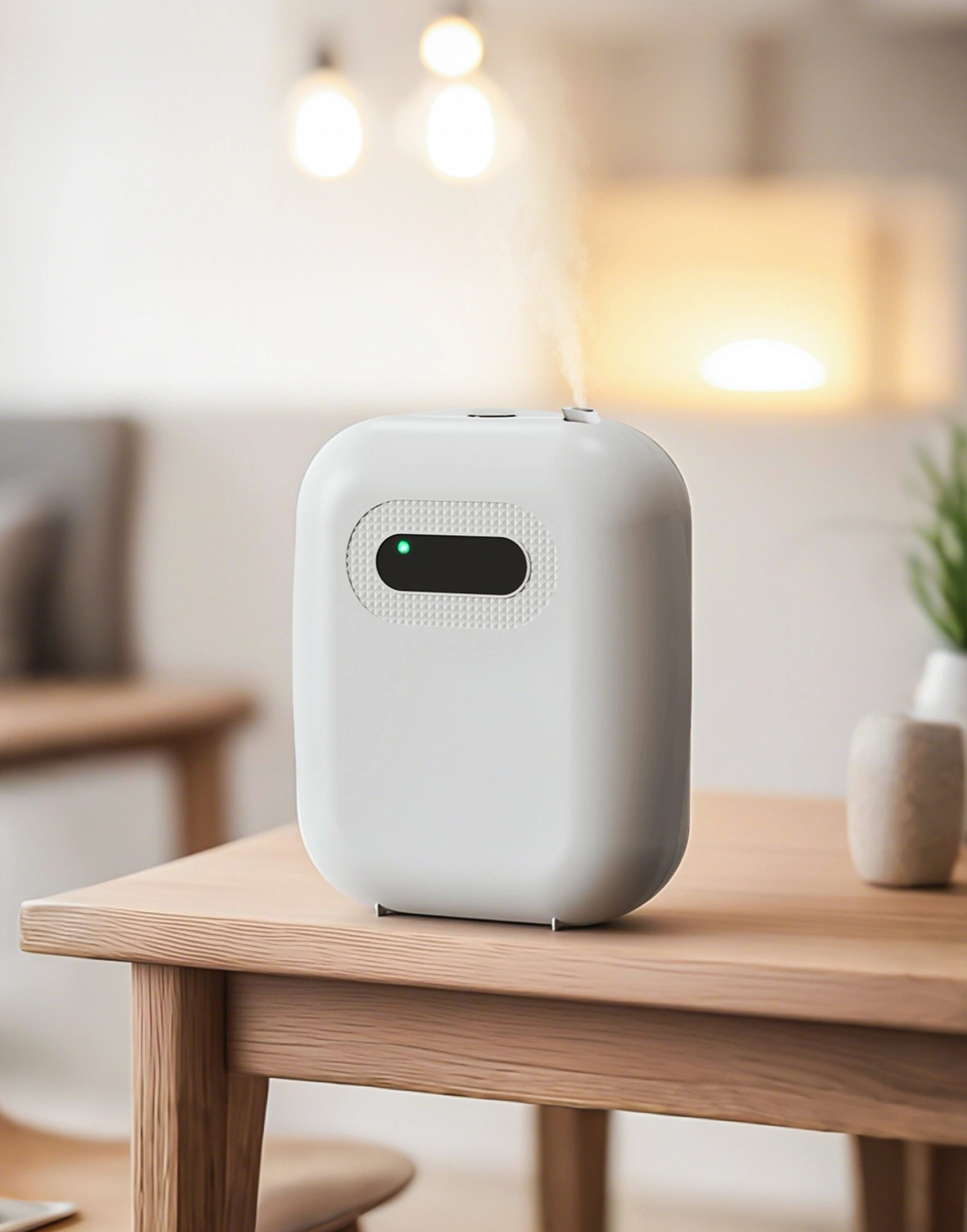
Equipment Type Sets the Largest Part of Your Budget
A machine that pushes scent into existing HVAC ducts costs more up front than a standalone device, but it covers more volume with one unit. The table below shows how equipment class changes the budget conversation.
| Equipment category | Typical coverage | What it does to cost |
|---|---|---|
| Standalone Bluetooth diffuser | 200 to 300 cubic meters | Lowest equipment cost, limited to one room |
| Ceiling or track mount diffuser | 500 to 600 cubic meters | Moderate cost, even distribution near the ceiling |
| Hotel tower or wall mount HVAC unit | 3,000 to 4,000 cubic meters | Higher equipment cost, strong lobby or large space coverage |
| HVAC integrated or dual system | 5,000 to 15,000 cubic meters | Highest capital cost, broadest coverage per device |
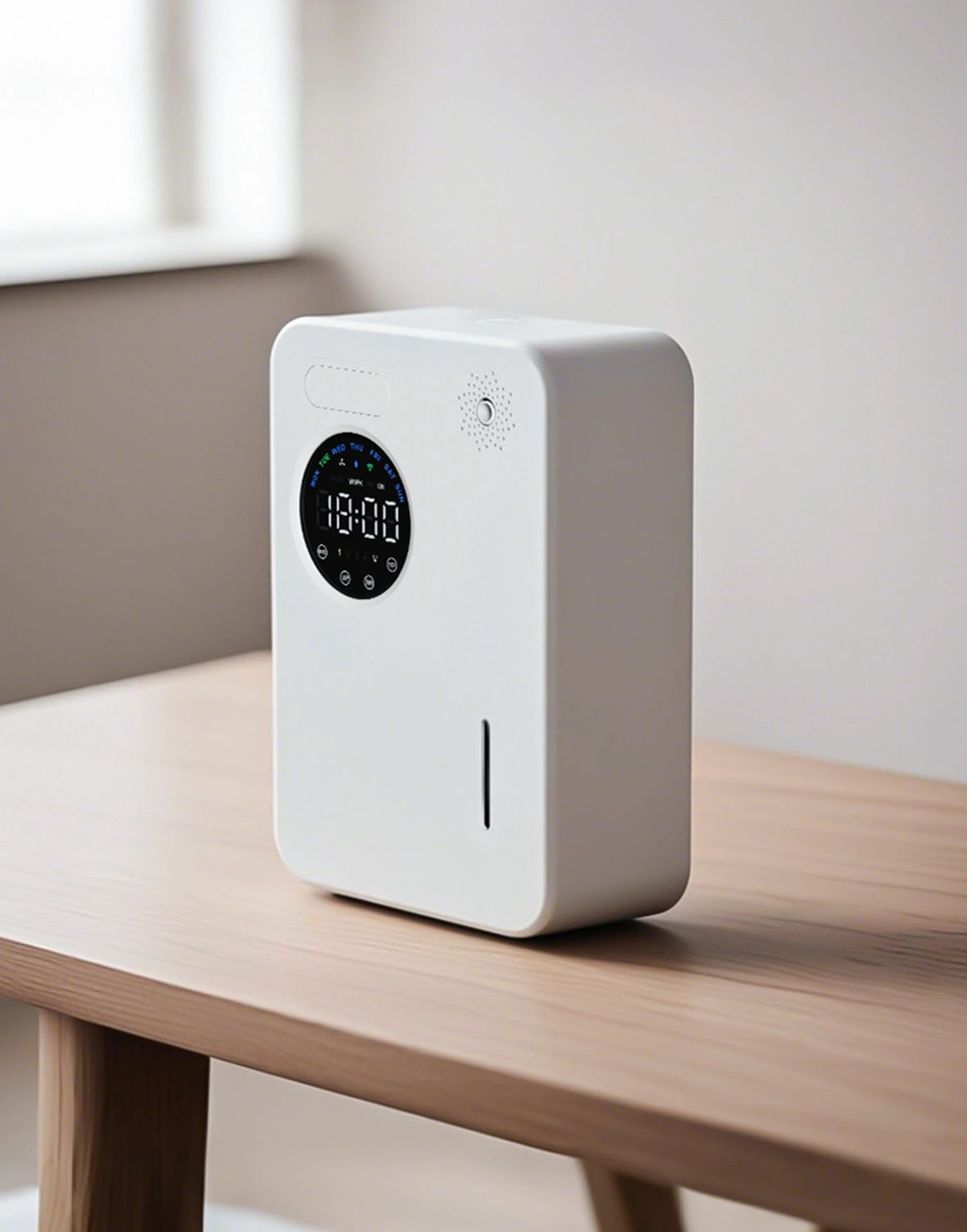 The equipment price is only the first decision. If your program sits at the edge of two equipment classes, ceiling height and HVAC access often determine the correct unit rather than floor area alone. I have seen ceiling heights above 5 meters change the diffusion rate enough to require a larger unit. Share your floor plan at [email protected] and we will confirm the correct equipment class before you commit.
Fragrance Oil Consumption Is the Recurring Cost Buyers Miss
Fragrance oil is the line item that makes a low equipment price misleading. A commercial unit running 24/7 at high intensity drains a bottle much faster than a unit running only during business hours. In projects I have supported, a boutique hotel lobby using a 500ml bottle may refill monthly, while a 150ml standalone unit in a small office can run for several weeks. The difference comes from pump frequency, fan speed, and scent throw setting.
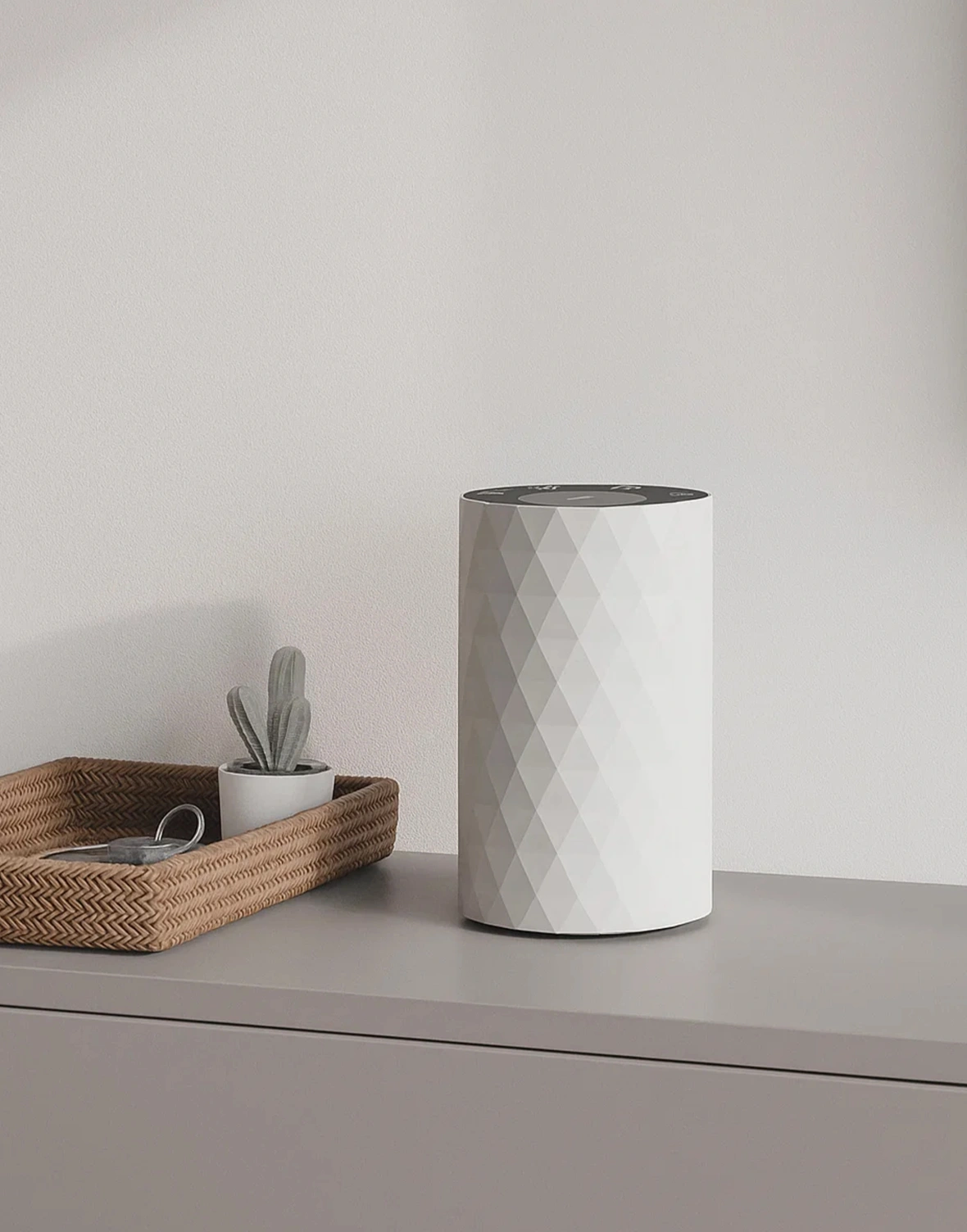 We estimate annual fragrance oil spend by asking three numbers: bottle size, days per week, and hours per day. Scent choice also matters. A heavy oriental or oud blend may need a lower intensity setting than a fresh citrus profile, and that changes consumption. The goal is not to reduce oil use to the point where the scent disappears. It is to match the diffusion schedule to the hours your customers are actually in the space.
A Site Survey Produces the Only Accurate Commercial Scent Machine Quote
Fixed price lists are misleading in commercial scenting because the same machine can cost differently to operate from one building to another. I ask four questions before returning a budget:
- Confirm the room volume in cubic meters, not just floor area.
- Identify the installation point, power supply, and whether HVAC duct access is available.
- Set the run schedule and scent intensity level.
- Define any fragrance brief, brand scent requirements, or compliance needs.
When those four points are clear, the quote can separate equipment, installation, and monthly oil consumption. Without them, a buyer is comparing two different scopes and calling it a price comparison.
Plan Your Commercial Scent Machine Budget Around One Clear Quote
Budget anxiety usually comes from getting an equipment price without the operating cost behind it. The solution is to request a scope that covers all three parts: the machine, the installation class, and the monthly fragrance consumption. Send your floor area, ceiling height, HVAC availability, target scent profile, and preferred run schedule to [email protected]. Include a photo of the space if you have one. We will return a line item budget that shows where each part of the cost sits. You can also call +86 185 6557 5758 or +86 134 2048 5758 for a faster review.
Buyers Ask These Questions About Commercial Scent Machine Costs
What does a commercial scent machine cost?
Commercial scent machine cost varies widely because coverage and installation drive the price. Standalone units for 200 to 300 cubic meters are the least expensive option for a single room. HVAC systems for 3,000 to 8,000 cubic meters cost more due to stronger pumps, larger bottles, and ductwork integration. The sticker price is only part of the budget. Fragrance oil and maintenance often become the larger long term expense, so a useful quote separates equipment, installation, and recurring oil.
Why do HVAC scent systems cost more than standalone diffusers?
Buyers often assume the price difference is branding. It is not. An HVAC system must deliver scent evenly through duct runs, so it requires a stronger pump, more precise control, and compatibility with the building air handler schedule. A standalone diffuser is simpler and less expensive, but it only covers the room where it is placed. The extra equipment cost is really a coverage and integration cost, not a markup for the product name.
How much fragrance oil does a commercial scent machine use per month?
It depends on intensity, run hours, and bottle size. A 150ml bottle in a small office may last several weeks at moderate settings, while a 500ml or 1L tower bottle in a busy lobby may need refilling every month or more often. Before estimating a monthly refill rate, I ask for the daily run schedule and intensity level. A 24/7 high intensity program consumes oil far faster than a daytime only program, so the same machine can have very different monthly costs.
Should I buy the machine and fragrance oil from the same supplier?
In programs I have supported, matching the oil to the pump, atomizer, and bottle feed prevents most performance problems. Some oils are too thick or too thin for certain machines, which appears as uneven scent or pump stress. Buying from the same supplier makes compatibility testing simpler because the oil formulation and equipment are tested together. Separate purchasing can work, but only after viscosity and fragrance concentration are confirmed for your specific unit. Share your requirements at [email protected] and we will confirm compatibility documentation and a refill schedule.
If you’re interested, check out these related articles: