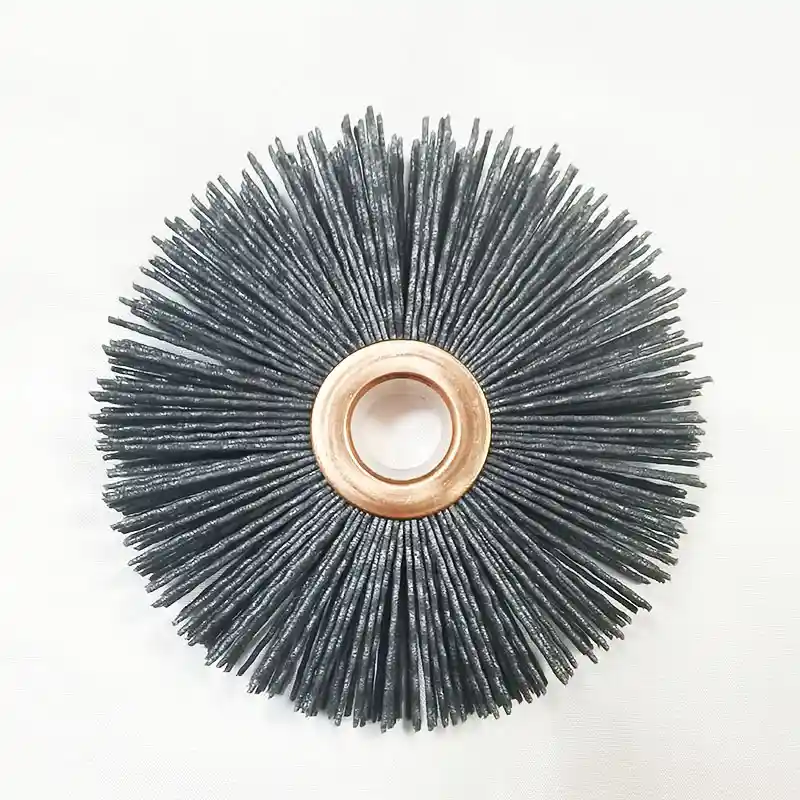

A chimney cleaning brush has one job: remove soot and creosote from flue walls before those deposits become a fire or airflow problem. NFPA 211, the U.S. standard for chimneys, fireplaces, and vents, calls for inspection and cleaning when creosote or soot buildup reaches a level that affects safe operation [1]. For maintenance teams, installers, and homeowners, the practical question is not whether to clean, but which brush design will clear the flue without damaging the liner or requiring multiple passes.
Key Design Features That Make a Chimney Brush Sturdy
Fill Material
Most chimney cleaning brushes use hardened steel wire, stainless steel wire, oil-tempered wire, or polypropylene fill. Hardened steel wire is common for masonry flues with heavy creosote. Stainless steel fill works well in factory-built chimneys and mixed-fuel applications because it resists corrosion. Poly fill is gentler and is often requested for stainless steel liners where scratch control matters.
Fill Density and Stem Construction
A sturdy chimney brush is not just about wire stiffness. Fill density, wire diameter, and the way the wire bundle is retained in the center stem all determine whether the brush holds its shape after repeated up-and-down passes. A loosely filled brush may flex away from the flue wall, leaving a thin soot layer behind. A dense fill with a well-anchored stem keeps the working diameter stable through the full cleaning stroke.
When soot has hardened into a glazed layer, a stiff wire fill cuts the deposit more effectively than a soft poly fill. <Wire wheel brush the right assistant for industrial cleaning and polishing> covers how wire-fill geometry affects cleaning aggressiveness.
Choosing Diameter, Shape, and Rod Flexibility
Round vs. Square Flues
The brush diameter should be selected relative to the flue liner size, not the outer chimney opening. If the brush is too small, it will not contact the flue walls. If the brush is too large, it can bind in the flue or require excessive force. For square and rectangular flues, a square brush head is generally more effective than a round brush because it reaches the corners that circular brushes tend to skip.
Rod Flexibility
Chimney rods must be stiff enough to drive the brush downward, but flexible enough to follow slight flue offsets without scraping the liner. Fiberglass rods are common because they resist bending collapse and do not conduct electricity. A loose rod connection can separate inside the flue, so threaded or locking rod fittings should be checked before each cleaning job.
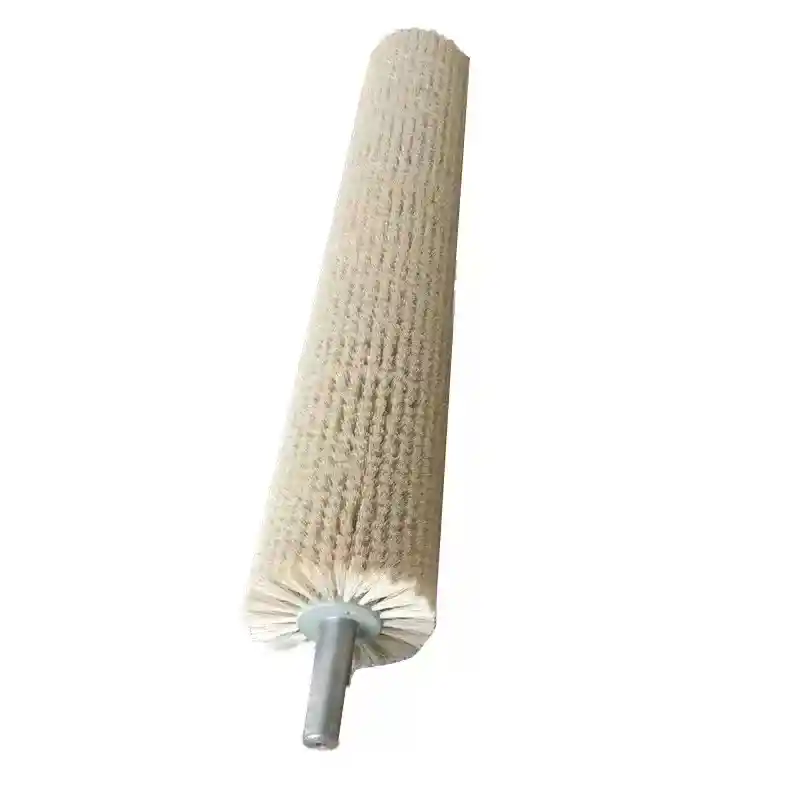
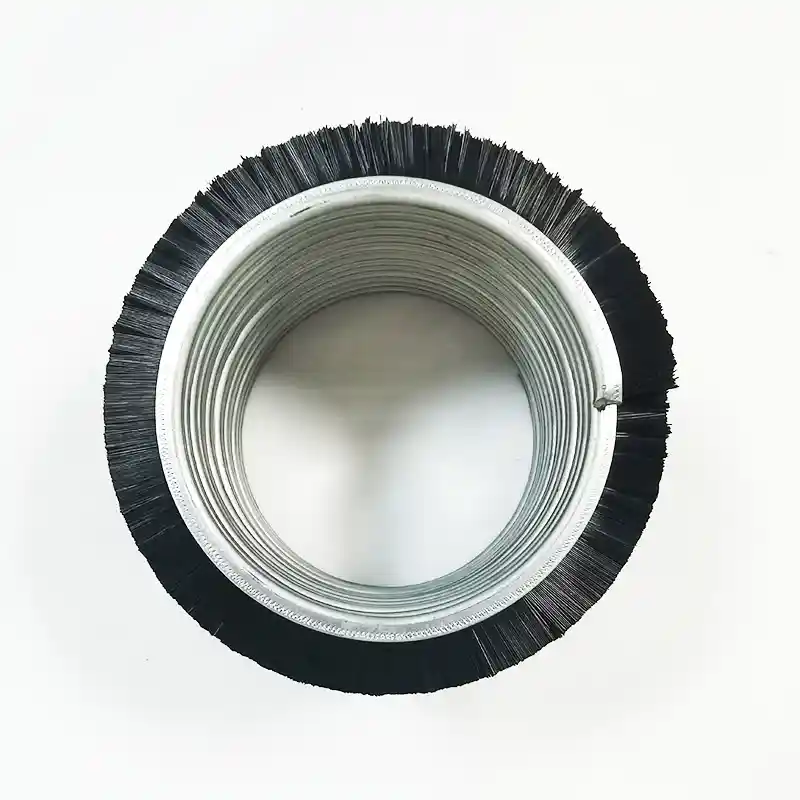
For flues with heavy scale or hardened residue, a twisted spiral brush maintains full inner-wall contact along the cleaning path. <Descaling spiral brush an innovative tool and generalist in the field of industrial cleaning> covers how spiral-wire fill removes scale and deposit buildup.
Wire Fill vs. Poly Fill: Matching Aggression to the Deposit
Choosing between wire and poly fill starts with the deposit type. Dry, flaky soot usually responds to a medium-stiff poly brush or a light-to-medium wire fill. Hardened glazed creosote generally requires stiffer wire and more passes. The same aggressive fill that removes glazed creosote may also roughen a stainless liner, so fill type should be matched to the liner material, not just the deposit.
The U.S. EPA advises burning dry, seasoned wood to reduce creosote formation at the source [3]. Even with good fuel, a chimney brush remains part of routine flue maintenance because some deposit formation is normal in solid-fuel venting systems.
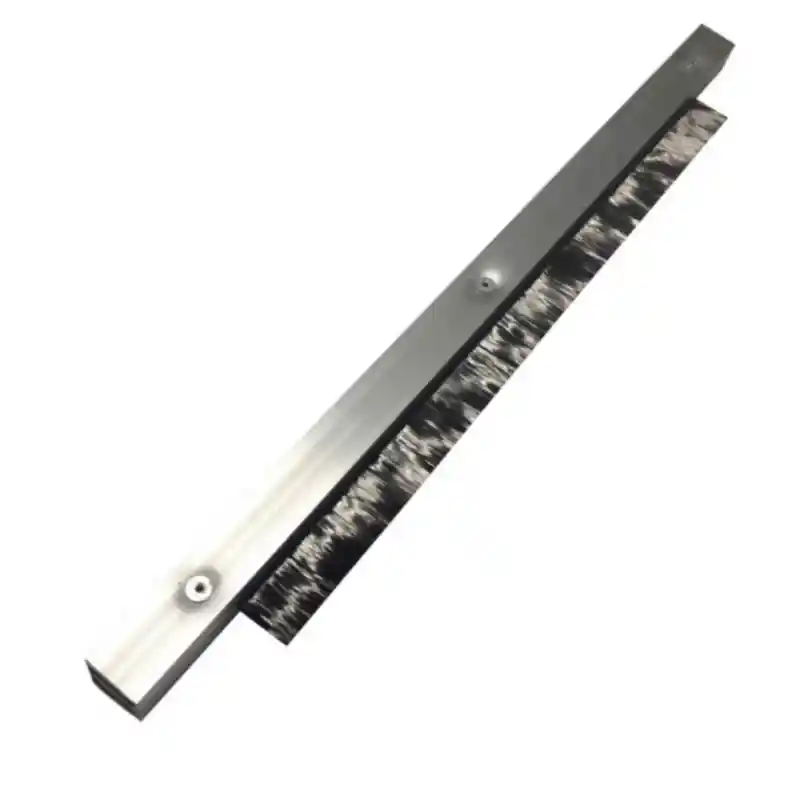
For wire brushes used on steel and metal surfaces, fill type and stiffness decide whether the tool cleans or starts to mark the base material. <Brushes for steel wire industries cleaning descaling derusting polishing> covers cleaning-grade selection across descaling, derusting, and polishing applications.
How to Use a Chimney Cleaning Brush Safely
Before the brush goes into the flue, inspect the liner for cracks, loose joints, or signs of water damage. The Chimney Safety Institute of America recommends controlling soot release during cleaning and using brushes sized for the liner [2]. In top-down cleaning, the brush is lowered from the roof through the flue and worked in controlled strokes. Bottom-up cleaning may be used when roof access is limited, but it generally requires sealing the fireplace opening to contain soot.
Work the brush through the full flue length rather than scrubbing one spot aggressively. Short, controlled strokes allow the fill to contact the walls while letting the loosened soot fall or collect below. After brushing, remove the loosened debris from the smoke chamber and firebox before the chimney is returned to service.
Request a Chimney Brush Matched to Your Flue
If the chimney has an unusual liner diameter, an offset, or a non-standard flue shape, standard off-the-shelf brushes may not be the right fit. Send the liner dimensions, flue shape, and fuel type to [email protected] for a technical recommendation. Huixi Brush can help match wire type, fill stiffness, brush diameter, and rod connection to the cleaning job.
Contact Huixi Brush for a Sturdy Chimney Cleaning Brush
Huixi Brush supplies industrial cleaning brushes for flue, tube, pipe, and surface maintenance programs. For a chimney cleaning brush built to your required diameter and fill specification, contact us at [email protected] or call +86 1580 0932 713.
Frequently Asked Questions
How do I know what size chimney cleaning brush to use?
Measure the inner diameter of the flue liner, not the outer masonry opening. Select a brush that fits the liner diameter closely enough to maintain wall contact without forcing the brush through the flue.
Can I use a wire chimney brush on a stainless steel liner?
It depends on the liner and fill specification. Stainless steel wire or poly fill is often preferred for stainless liners because it reduces the chance of scratching. Match the fill type to the liner material and the deposit condition.
How often should a chimney flue be cleaned?
Cleaning frequency depends on fuel type, burn habits, and the amount of creosote present. NFPA 211 supports cleaning when deposits reach a level that affects safe operation [1]. Wood-burning systems with frequent use generally need more frequent inspection than occasional-use chimneys.
What is the difference between a round and square chimney brush?
A round brush suits round flues, while a square brush reaches the corners of square and rectangular flues. Using the wrong shape can leave unbrushed areas at the flue corners or along the wall.
Can chimney rods be connected for deep flues?
Yes. Chimney rods can be connected section by section to reach the full flue length. Rod connections should be locking or threaded so they do not separate during cleaning.
References
[1] National Fire Protection Association. NFPA 211: Standard for Chimneys, Fireplaces, Vents, and Solid Fuel-Burning Appliances. 2019 ed. Quincy, MA: NFPA.
[2] Chimney Safety Institute of America. Chimney Cleaning: What to Expect. Plainfield, IN: CSIA. Accessed March 2026.
[3] U.S. Environmental Protection Agency. Burn Wise: Best Practices for Wood-Burning Appliances. Washington, DC: EPA.
If you’re interested, check out these related articles:
what you know about brass wire brush strip
advantage of hx cylindrical sanding brushes
honing brush a magic tool for flexible burr removal