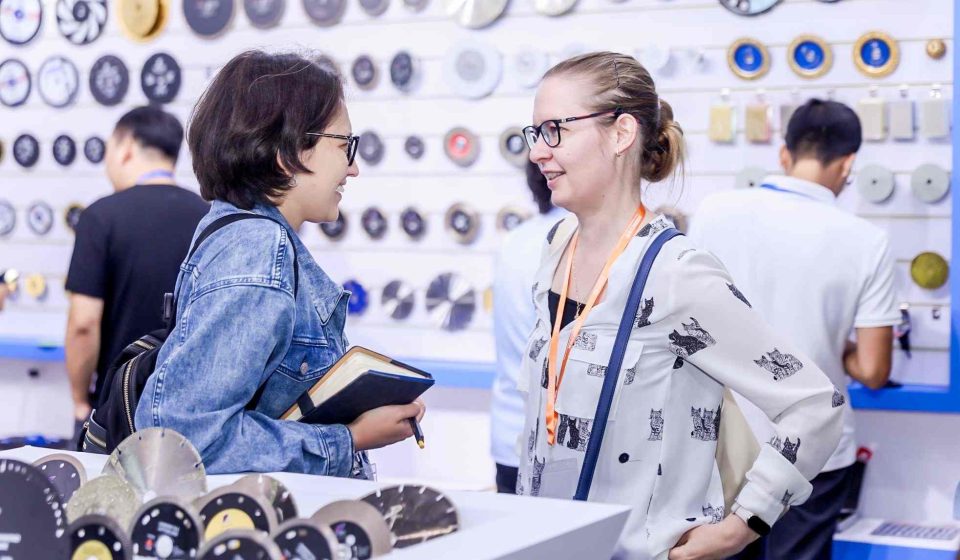
In Uzbekistan, business is personal before it is transactional. The first handshake, the first cup of tea, and ten minutes of small talk are not delays. They are how a buyer is read.
This matters for hardware sourcing. Distributors, project buyers, and retail chains in Central Asia usually decide who they trust before they decide what to buy. A buyer who skips that step may get polite answers, but rarely the first call when stock tightens or when a better tier of pricing opens.
The market is worth the patience. More than 750 large-scale construction projects are planned across Uzbekistan, and the country has targeted more than one million new homes by 2030 [1]. That pipeline is pulling demand from state construction into retail, DIY, and professional tool channels.
CAIHE 2026, the region’s first dedicated international hardware trade fair, runs 24–26 November 2026 at Uzexpocentre in Tashkent. The event is organized by Koelnmesse and Inter Dialog, with support from the Chinese Chamber of Commerce for Machinery and Electronics and the Chamber of Commerce and Industry of Uzbekistan. This guide explains how to meet, eat, and negotiate around that event.
Why Personal Trust Matters in a Construction-Led Market
Uzbekistan is not a market that rewards cold pricing. It is a market where a buyer’s question about your city, your family, or your journey is part of due diligence. The personal conversation builds the confidence needed for larger commitments.
Chamber of Commerce and Industry guidance for foreign business delegations emphasizes that hierarchy and personal relationships shape the flow of a meeting [2]. Titles are not decorative. Address a director or department head by title and family name until you are invited to switch.
Greet the most senior person first. If you meet a group, let the senior host open the formal discussion. Pushing a junior contact for a concession in front of a director may win a moment and lose the negotiation.
Keep your posture open, your hands out of your pockets, and your attention on the person speaking. In a mixed meeting, wait for a woman to offer her hand first if you are unsure. A standard handshake, eye contact, and a short spoken greeting are appropriate.
Meetings: Titles, Tea, and the First Conversation
Most meetings begin with tea, not the agenda. Accept the offer. Tea in Uzbekistan is a small act of welcome; refusing it can feel like refusing the relationship. Let the host move from personal questions to business before you introduce the price list.
Be punctual. Traffic in Tashkent can be unpredictable, so build in extra time. If the local side is a few minutes late, do not treat that as a signal. It is usually not intended as one.
Expect questions about your trip, your company’s home city, and your first impression of Tashkent. These are not intrusive. They help the buyer decide whether you are someone they can call when problems occur.
Use business cards as a small ritual. An English side plus a Russian or Uzbek side is helpful, but do not overinvest. Give and receive the card with the right hand or both hands. Read it for a moment before putting it away.
Bring a simple agenda. Do not rush through it. If the buyer steers the conversation toward logistics, payment security, or warranty, follow that line. It often means the sourcing discussion has already begun.
Language, Cards, and Business Gifts
Uzbek is the official language of Uzbekistan. Russian is still common in trade, logistics, and government-adjacent business, especially in Tashkent. English is growing among younger importers and internationally active distributors, but it is not universal.
At CAIHE, you will hear Uzbek, Russian, English, and Chinese. Many Chinese and international exhibitors use interpreters. If a payment or contract conversation becomes technical, use a professional interpreter or the fair’s official language support.
| Situation | Uzbek | Russian | English |
|---|---|---|---|
| Greeting | Assalomu alaykum | Zdravstvuyte | Hello / Good day |
| Thank you | Rahmat | Spasibo | Thank you |
| Yes / No | Ha / Yo‘q | Da / Net | Yes / No |
| Excuse me | Kechirasiz | Izvinite | Excuse me |
| Goodbye | Xayr | Do svidaniya | Goodbye |
A small gift is not required at a first meeting. If you bring one, choose something practical from your own company or region: a quality notebook, a desk tool, or packaged goods. Avoid alcohol and pork products unless you already know the host’s preferences.
Meals and Hospitality Extend the Meeting
Accept an invitation to eat. In Central Asian business culture, the shared meal is often where reliability, after-sales support, and supplier behavior are tested. A distributor who invites you away from the booth is usually extending the meeting.
Tashkent business meals may include plov, lagman, shashlik, salads, bread, and tea. Bread carries special respect. Do not throw it away or place it in an unusual spot. Tea is served throughout the meal.
Let the host lead on alcohol. Many business meals are alcohol-free. If toasts are made, keep them short and sincere. A toast to partnership is common and easy to return.
The host often pays. Offer once to contribute, but do not insist. If you want to host the next meal, arrange it in advance and handle payment before the guests can object.
Negotiation: Patience, Indirect No, and Follow-Up
Negotiation in Uzbekistan tends to be slower than in a purely transactional culture. The first meeting may establish the relationship and a broad direction. Price and terms usually come after trust exists.
An indirect no is common. Phrases such as “we will discuss internally,” “this needs more time,” or “the season is difficult” may mean no. Instead of pressing for an immediate answer, ask what information would help the buyer make a decision.
Decision-making is usually centralized. A junior purchasing contact may gather information and carry it upward. If you force a junior contact for a final price, you may create a position they cannot hold. It is better to ask when the decision maker can join.
Written follow-up matters. After a meeting, send a one-page summary: products reviewed, questions raised, next steps, and the date of the next contact. This gives the buyer something to circulate internally.
Silence is not hostility. A pause can mean the buyer is weighing your proposal. Let the local side have a moment before you fill the gap.
Planning a first trip to Tashkent? If you want guidance on product positioning for Uzbek, Kazakh, or Chinese distributors, or help understanding the 1-on-1 matchmaking format at CAIHE, contact the CAIHE team at [email protected] or call +86-21-6390 6161 ext. 828.
Trade Fair Etiquette at CAIHE 2026
At a trade fair, the pace rises, but the same sequence applies. Treat a booth visit as a compressed first meeting: greeting, context, interest, then product discussion. With more than 200 international exhibitors expected, the fair is a concentrated way to meet manufacturers, distributors, and regional buyers in one place.
Pre-book 1-on-1 meetings when the matchmaking platform opens. Walk into a booth with a clear question about the market or product category, not only “what is your price.” A booth team can spot the difference.
Dress smart and professional. Tashkent in late November can be cool, so plan a smart coat and polished shoes that work between pavilions. Heavy outdoor boots are fine for travel, but not for a first buyer meeting.
Bring a small notebook, your badge, business cards, and your certification questions. If you meet a factory and a trading company in the same hall, do not compare them aloud. Comparisons are better handled privately.
After the fair, follow up within 48 hours while the meeting is still fresh. The 48-hour rule signals that you took the conversation seriously.
Quick pre-trip checklist
| Area | What to do |
|---|---|
| Titles | Use title + family name until invited to switch. |
| Opening | Let the host begin business; accept tea or coffee. |
| Business cards | English plus Russian or Uzbek side; give and receive with right or both hands. |
| Small talk | Expect personal questions; answer briefly and return a question. |
| Negotiation | Read indirect no; avoid pressing juniors for final prices. |
| Meals | Accept invitations; let the host lead toasts; respect bread. |
| Follow-up | Send a one-page summary within 48 hours. |
| Visa | Check visa-free eligibility early and keep printed documents [3]. |
Next step for international buyers: Pre-register for CAIHE 2026 and lock in your badge for 24–26 November 2026 at Uzexpocentre, Tashkent. If you qualify, apply for the Hosted Buyer Programme before the deadline so matchmaking, on-site support, and local guidance are in place before you arrive.
FAQ
Do I need a visa to attend CAIHE 2026 in Uzbekistan?
More than 60 countries enjoy 30-day visa-free entry to Uzbekistan [3]. If your country is not on the list, check the e-visa route early and keep an invitation or registration confirmation ready. Border rules can change, so verify before booking.
Which language should I use in a first meeting?
Start with English if you do not speak Russian or Uzbek. Ask whether the buyer prefers Uzbek, Russian, or English. In Tashkent, Russian is widely understood in trade; English is common among younger international teams. At CAIHE, language support is available for Chinese and local exhibitors.
What should I bring to a first hardware meeting?
Bring product data, certification status, MOQ and lead time guidance, and at least one physical sample if it is easy to carry. For products sold in the Eurasian Economic Union, check EAC conformity assessment requirements in advance [4]. Do not lead with a price book; lead with market fit.
Is it acceptable to negotiate directly at the first meeting?
Some price discussion is normal, but aggressive bargaining at the first handshake weakens your position. Ask about the buyer’s market, channels, and warranty requirements first. Leave a written summary so the local team can discuss internally.
How long after CAIHE do deals usually close?
Central Asian deals often take longer than a single fair visit. First-order timing depends on certification, logistics, payment terms, and internal approval. Treat CAIHE as the first formal step in a relationship cycle, and follow up within 48 hours.
References
[1] Government of Uzbekistan. “Uzbekistan 2030 Strategy.” gov.uz/en. Accessed October 2026.
[2] Chamber of Commerce and Industry of the Republic of Uzbekistan. “Business Culture and Negotiation Guidance for Foreign Partners.” chamber.uz. Accessed October 2026.
[3] Ministry of Foreign Affairs of the Republic of Uzbekistan. “Visa-Free Travel to Uzbekistan.” mfa.uz/en. Accessed October 2026.
[4] Eurasian Economic Commission. “Technical Regulation and Conformity Assessment in the EAEU.” eec.eaeunion.org/en. Accessed October 2026.