

Brass rotary wire brushes have earned their place in workshops and production lines for a simple reason: they clean without destroying. I’ve watched operators switch from steel to brass mid-job when they realized the substrate couldn’t handle the aggression. That moment of recognition, when you understand that effective cleaning doesn’t require force, changes how you approach surface work entirely.
What Makes Brass Wire Different from Steel in Rotary Brushes
Brass rotary wire brushes use filaments made from a copper-zinc alloy, and this composition determines everything about how they perform. The softer nature of brass compared to steel means the wire yields slightly on contact rather than gouging into the surface. For anyone working with aluminum, soft metals, or finished components, this distinction matters enormously.
The non-sparking characteristic deserves particular attention. In facilities handling solvents, fuels, or fine combustible dust, a single spark from a steel brush can trigger catastrophic events. Brass eliminates this risk entirely because the alloy lacks the hardness needed to generate ignition-temperature particles on impact. Insurance requirements and OSHA regulations in certain industries essentially mandate non-sparking tools.
Shanghai Huixi Trading Co., Ltd. manufactures brass rotary wire brushes across multiple configurations, drawing on 16 years of production experience. The company’s Anhui factory produces brushes engineered for specific surface treatment requirements, recognizing that filament diameter, trim length, and fill density all influence final results.
| Feature | Brass Wire Brushes | Steel Wire Brushes |
|---|---|---|
| Material | Copper-zinc alloy | High-carbon steel |
| Hardness | Softer, less aggressive | Harder, more aggressive |
| Sparking Risk | Non-sparking, suitable for flammable environments | Can generate sparks, not ideal for flammable areas |
| Applications | Polishing, light cleaning, gentle deburring | Heavy rust removal, paint stripping, aggressive cleaning |
| Surface Impact | Minimizes scratching, preserves base material | May scratch or etch softer materials |
| Corrosion | Good corrosion resistance | Susceptible to rust if not stainless steel |
Matching Brass Brushes to Drills and Angle Grinders
Power tool compatibility involves more than just fitting the arbor into the chuck. The relationship between brush specifications and tool capabilities determines whether you get clean results or damaged workpieces.
Getting Drill Compatibility Right
Drill-mounted brass rotary wire brushes typically feature 1/4-inch shanks for standard chuck acceptance. Beyond this basic fit, brush diameter selection affects how much surface area contacts the workpiece per rotation. A 2-inch cup brush covers ground quickly on flat panels, while a 1/2-inch end brush reaches into recessed areas that larger formats cannot access.
Wire gauge influences the cleaning action more than most operators initially expect. Finer brass wire, around 0.005 inches, produces a polishing effect suitable for final finishing. Coarser wire at 0.012 inches or above removes light corrosion and surface contamination more aggressively. Huixi’s customization capabilities allow specification of exact wire diameters for particular applications.
Angle Grinder Performance Considerations
Angle grinders spin brass rotary wire brushes at significantly higher speeds than drills, typically 8,000 to 12,000 RPM depending on the model. This speed amplifies both cleaning effectiveness and the consequences of improper brush selection. Cup brushes mounted on angle grinders excel at preparing weld seams and cleaning large castings. Wheel-style brass brushes handle edge work and corner cleaning where cup designs cannot reach.
The RPM rating printed on every quality brush exists for serious reasons. Operating a 6,000 RPM-rated brush on a grinder spinning at 10,000 RPM creates centrifugal forces that can throw wire fragments at dangerous velocities. Always verify that brush ratings exceed your tool’s operating speed.
For those curious about brush construction methods, the article on 《the differences between inward and outward spiral brush》 explains how manufacturing approaches affect performance.
Where Brass Rotary Wire Brushes Prove Most Valuable
The applications for brass rotary wire brushes span industries precisely because they solve problems that aggressive abrasives create. Surface preparation that preserves dimensional accuracy requires tools that remove contamination without removing base material.
Cleaning operations benefit from brass wire’s ability to lift oxidation, grease films, and light corrosion without scratching underlying metal. This matters particularly on machined surfaces where scratch patterns would compromise fit or appearance. Mold cleaning in plastics manufacturing relies heavily on brass brushes because steel alternatives damage polished cavity surfaces.
Rust removal with brass rotary wire brushes works effectively on light to moderate corrosion. The wire penetrates oxide layers and lifts them away, though heavily scaled surfaces may require initial treatment with more aggressive methods. Paint stripping follows similar principles, with brass working well on thin coatings while thicker buildup needs preliminary removal.
Polishing applications use brass wire to create uniform surface textures before final buffing. The consistent scratch pattern left by brass filaments accepts polish compounds evenly, producing better final finishes than random scratch patterns from coarser abrasives. Deburring with brass brushes removes minor edge irregularities without rounding corners or altering critical dimensions.
Huixi manufactures brass rotary wire brushes for each of these applications, with wire specifications optimized for the intended use. The non-sparking property makes these brushes standard equipment in refineries, chemical plants, and grain handling facilities where ignition sources require elimination.
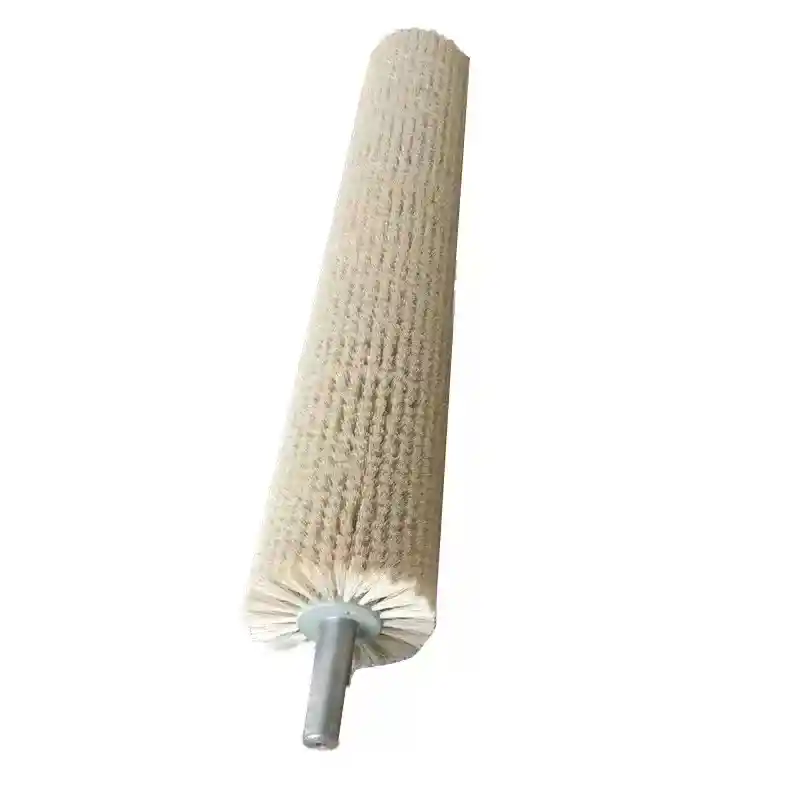
Keeping Brass Brushes Working and Workers Safe
Brass rotary wire brushes represent an investment that proper care extends significantly. The maintenance requirements are straightforward but often neglected until premature failure occurs.
Storage conditions affect brass wire longevity more than many users realize. Humidity accelerates tarnishing and can weaken wire at the crimp points where filaments attach to the hub. Dry storage in enclosed containers prevents this degradation. After each use, removing accumulated debris from between filaments maintains cleaning effectiveness and prevents imbalanced rotation.
Operating pressure deserves attention because excessive force accelerates wire fatigue without improving cleaning results. The wire tips do the work; pressing harder just bends filaments and shortens their useful life. Letting the brush speed and wire action do the cleaning produces better outcomes and longer brush service.
Inspection before each use catches problems before they become hazards. Look for missing filaments, cracks in the hub, and signs of wire fatigue near the mounting points. A brush that has lost significant wire mass will vibrate excessively and clean unevenly.
Safety protocols for brass rotary wire brushes mirror those for all rotating wire tools. Eye protection is non-negotiable because even brass wire can cause serious eye injuries if fragments release during operation. Gloves protect hands from wire contact, and hearing protection matters during extended use. Face shields add protection during overhead work where debris falls toward the operator.
Safety Checklist for Rotary Brush Operations
- Wear PPE: Always use safety glasses, gloves, and hearing protection.
- Check RPM: Never exceed the brush’s maximum RPM rating.
- Secure Mounting: Ensure the brush is tightly fastened to the tool.
- Inspect Brush: Check for damage or wear before each use.
- Proper Grip: Maintain a firm, balanced grip on the power tool.
- Ventilation: Work in a well-ventilated area.
Additional information about industrial brush selection appears in the article on 《wire wheel brush the right assistant for industrial cleaning and polishing》.
Working with Huixi on Custom Brass Brush Requirements
Shanghai Huixi Trading Co., Ltd. approaches brass rotary wire brush manufacturing as a technical partnership rather than simple product supply. The company’s 16 years of production experience inform recommendations about wire diameter, fill density, trim length, and hub configuration for specific applications.
Custom brush development follows a consultative process where application requirements drive design decisions. ODM and OEM services accommodate customers who need brushes built to their specifications or branded for their distribution channels. The Anhui manufacturing facility maintains quality control throughout production while the Shanghai trading operation handles international logistics.
Pricing structures reflect manufacturing efficiency rather than premium positioning. Low minimum order quantities and sample availability allow evaluation before volume commitment. Delivery timelines account for both standard products and custom configurations, with the supply chain optimized for international shipping requirements.
Common Questions About Brass Rotary Wire Brushes
Why choose brass rotary wire brushes instead of steel for surface work?
Brass rotary wire brushes make sense when the workpiece cannot tolerate aggressive abrasion or when sparking presents a hazard. The softer copper-zinc alloy cleans effectively while preserving surface integrity on aluminum, soft metals, and finished components. In environments with flammable vapors or combustible dust, the non-sparking property of brass eliminates ignition risks that steel brushes create. Huixi manufactures brass brushes specifically for these applications where gentle but effective cleaning matters.
How do I match a brass rotary wire brush to my power tool?
Start with the arbor or shank size that fits your drill chuck or angle grinder spindle. Then consider brush diameter based on the work area size and access requirements. Wire gauge selection depends on whether you need polishing action from fine wire or more aggressive cleaning from coarser filaments. Most critically, verify that the brush RPM rating exceeds your tool’s operating speed. Huixi provides technical guidance on these specifications to ensure proper matching for your brass rotary wire brush applications.
What safety measures apply when using brass rotary wire brushes?
Brass rotary wire brush operation requires consistent PPE use including safety glasses, work gloves, and hearing protection for extended sessions. Secure mounting prevents the brush from loosening during operation, and staying within RPM limits prevents wire release from centrifugal force. Maintain firm tool control without excessive pressure, and work in ventilated spaces when processing materials that generate dust. These precautions apply regardless of brush material, though brass does eliminate spark-related concerns in sensitive environments.
Connect with Huixi for Your Brass Brush Requirements
Quality brass rotary wire brushes support surface preparation and finishing operations across manufacturing sectors. Shanghai Huixi Trading Co., Ltd. combines manufacturing capability with technical expertise to deliver brushes matched to specific application requirements. Contact the team at [email protected] or +86 1580 0932 713 to discuss your brass rotary wire brush needs, request samples, or explore custom configurations.