Best scents for restaurants are rarely a simple list of lemon for seafood and vanilla for dessert. Most articles stop there, but operators know the real issue is odor control, layout, and air handling before fragrance selection. In the projects I support, the strongest dining room fragrance always starts with the kitchen exhaust and the air change rate, not the bottle. This article works through the scent families that fit different service models, where to place diffusers, and the specification details that keep a dining room from smelling like a candle shop while still giving guests the impression you intended.
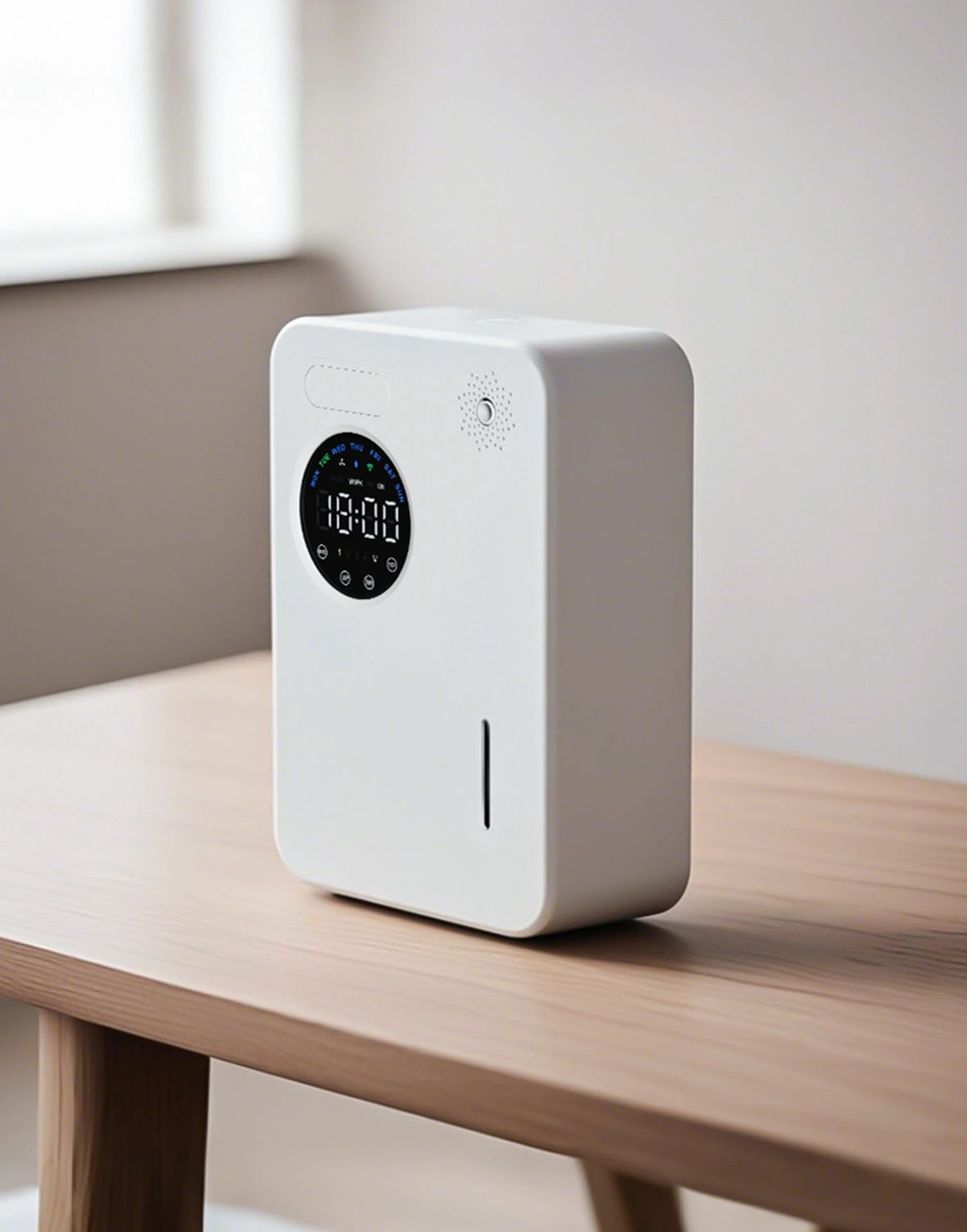
Restaurant Scent Design and Odor Control
Restaurant fragrance programs fail when they compete with an existing odor instead of shaping what guests notice first. A dining room that shares air with a busy grill line has a different starting point than a pastry counter with no hood exhaust. I look at the return air path before selecting any oil, because a diffuser placed too close to a kitchen transition often pulls grease notes into the seating area and turns even a good fragrance sharp.
The sequence matters more than the scent name. Address hood extraction, check whether trash and drain odors migrate into the guest path, and only then set a fragrance at the entrance and across the dining floor. This keeps the scent from acting as a mask and lets it work as a defined first impression. For spaces with strong cooking exhaust, a lower dose of a structured scent almost always performs better than a high dose of a soft floral trying to fight the room.
Best Restaurant Scents for Different Dining Concepts
The best scents for restaurants fall into service-driven families rather than a fixed ranking. Fast casual rooms need a quick, clean read. Evening service rooms can hold deeper notes without becoming heavy. Counter concepts benefit from scents that reinforce the product itself.
Citrus and Green Notes for Fast Casual and Cafe Service
Citrus, green tea, and cut grass notes suit bright rooms with hard surfaces and short table turns. They read clean at lower diffusion levels and do not compete with light food aromas. I avoid overly sweet citrus in this setting, because it drifts toward candy rather than freshness when air movement picks up.
Woody and Spice Notes for Fine Dining and Evening Service
Cedar, amber, cardamom, and soft spice hold better against wine, cooked protein, and fabric seating. These notes reward a slower air change rate and lower light levels. The risk is dosing them too high in small rooms, where they can settle into a smoky or musty impression by the second service block.
Gourmand and Bakery Notes for Counter and Bakery Concepts
Vanilla, roasted coffee, cocoa, and butter notes work where the product aroma is part of the purchase decision. They reinforce the counter display and shorten the distance between the queue and the order point. In a general dining room, these notes need tighter scheduling, otherwise they can convince guests the restaurant serves dessert before the first course arrives.
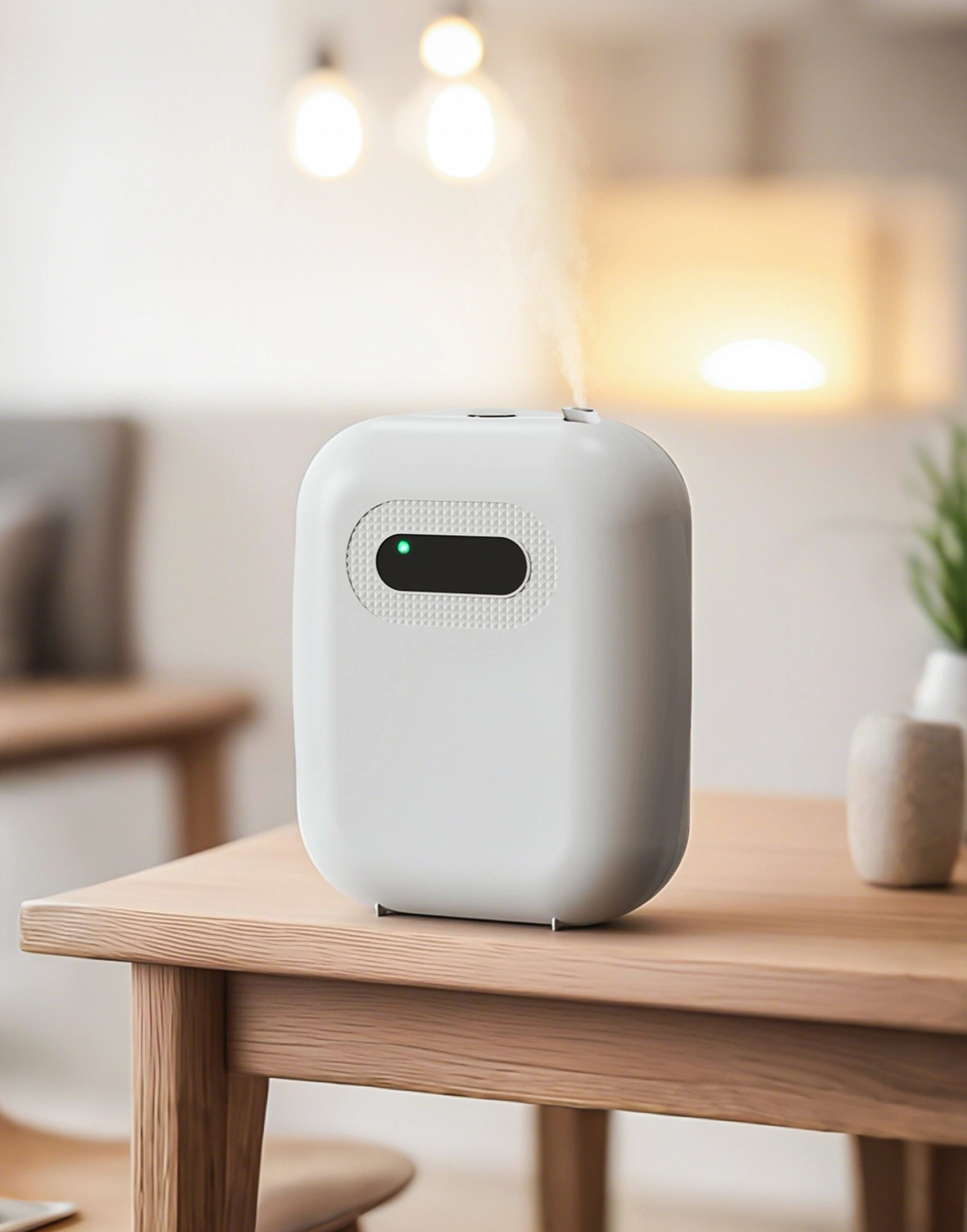
Diffuser Placement and Guest Perception
Placement changes the same fragrance more than many operators expect. The entrance should get the strongest signal, because that is where the booking decision begins and where first impressions form. The dining floor benefits from a lower, steadier background level. Restrooms and corridors need separate attention, since scent there can either support the route or pull attention away from the food.
I have seen identical oils produce different guest reactions when moved from a host station wall to a dining room ceiling. The earlier placement put the scent too close to a cold air return and spread it unevenly across neighboring tables. Moving the unit to the seating perimeter with a dedicated fan path made the scent stable without making it obvious. For most rooms, the first test should be one zone, one concentration, and one full service cycle before scaling.
If your dining room shares air with an open kitchen or a humid dishwashing corridor, it is worth confirming oil consumption against your ventilation rate before finalizing your layout. Share your floor plan and hood exhaust capacity at [email protected].
Restaurant Fragrance System Specifications
Coverage and control matter more than fragrance volume. The table below shows the diffuser options I reference most often for restaurant layouts, with coverage based on the units in our product line.
| Diffuser Type | Coverage | Power and Bottle | Best Placement |
|---|---|---|---|
| Commercial Scent Oil Diffuser (Bluetooth APP) | 300 m³ (1,000 sq ft) | DC12V 1A, 150 ml plastic bottle | Small dining rooms, private seating, bar zones |
| Desktop Scent Diffuser (Bluetooth APP) | 300 m³ (1,000 sq ft) | DC12V 1A, 150 ml bottle | Counter areas, host stations, compact cafes |
| Ceiling Diffuser Commercial Scent Machine | 600 m³ (2,000 sq ft) | DC12V 1A, 350 ml plastic bottle | Dining floor, corridors, track mounted ceilings |
| Hotel Scent Oil Diffuser Tower | 3,000 m³ (11,000 sq ft) | DC12V 2A, 500 ml to 1 L aluminum bottle | High ceilings, lobby dining, mezzanine |
| Commercial HVAC Scent Diffuser | 8,000 m³ (30,000 sq ft) | DC12V 3A, 1 L to 5 L aluminum bottle | Whole restaurant or rooftop HVAC integration |
Specifying a system begins with the ceiling arrangement and the kitchen air path, not with the bottle. A 300 cubic meter unit performs well in a closed dining room but cannot carry an adjacent corridor without help from return air. Larger open floors and connected bar areas usually need either a higher coverage unit or separate zones to keep the scent consistent.
A Clear Starting Point for Restaurant Scent Programs
Most operators wait until a complaint lands before addressing scenting. The difficulty is that by then the fragrance is added as a reaction rather than designed as part of the room. We work from the floor plan and air handling first, then match a fragrance to the service rhythm. With more than 300 scent options and diffusers sized from 300 cubic meters to full HVAC coverage, restaurant projects can begin with one measured zone before expanding. Send your floor plan, seating count, and kitchen exhaust details to [email protected] or call +86 185 6557 5758 to confirm a scent layout.
Common Questions About Restaurant Scents
Will a restaurant diffuser fully remove kitchen odors?
No, and a scent program fails when that is the goal. Diffusion does not remove cooking exhaust; it shapes what guests notice first. The practical sequence is to address hood extraction, verify that return air is not pulling grease toward the dining room, and then set fragrance at the entrance and dining floor. If the odor comes from trash or drains, fix that source before layering scent. In the projects I have supported, this order gives a more stable impression than raising oil output.
How do we choose between citrus and woody notes for a small dining room?
It depends on ceiling height and service style. In a bright, fast casual space with hard surfaces, green tea or bergamot reads clean without turning bitter at low diffusion levels. In an evening service room with fabric seating and lower light, cedar, amber, and soft spice hold better against wine and cooked protein. If the seating area is under 80 m³, a desktop or mini diffuser can cover it, but larger open floors need a commercial unit with Bluetooth scheduling to keep the dose consistent across service blocks.
When should we use a bakery or dessert scent instead of a neutral base?
The better question is how much surrounding odor the bakery note has to compete with. Vanilla and cocoa work at a counter where the product aroma is already part of the offer. In a broad dining room, those notes can become cloying by the second seating if the dose is not scheduled. I recommend a gourmand scent only when the concept sells baked goods, chocolate, or coffee as a visible part of the menu. Otherwise a neutral base with a light gourmand top note gives more flexibility.
Do we need a separate diffuser for the bar and the dining floor?
In multi-zone projects, yes. A bar produces different odor peaks and has different ceiling clearance than a seated dining room, so one small unit on a borrowed wall usually leaves one side underdosed and the other perceptible only near the machine. We specify separate circuits or a dual-system HVAC diffuser when the bar and dining room share air but need different intensities. The control split matters more than the scent choice, because it prevents the bar from overwhelming the dining floor during busy service.
What should we send to get a restaurant scent plan?
Send a floor plan, seating count, and a short note about the strongest odor sources, such as an open kitchen, trash corridor, or humid dishwashing area. The plan should also note the ceiling height and whether the dining room ties into a central HVAC system. Those details determine the first diffuser type and the initial dosage far more accurately than a fragrance sample alone. Share those details at [email protected] and we will confirm a scent plan that fits each zone.
If you’re interested, check out these related articles: