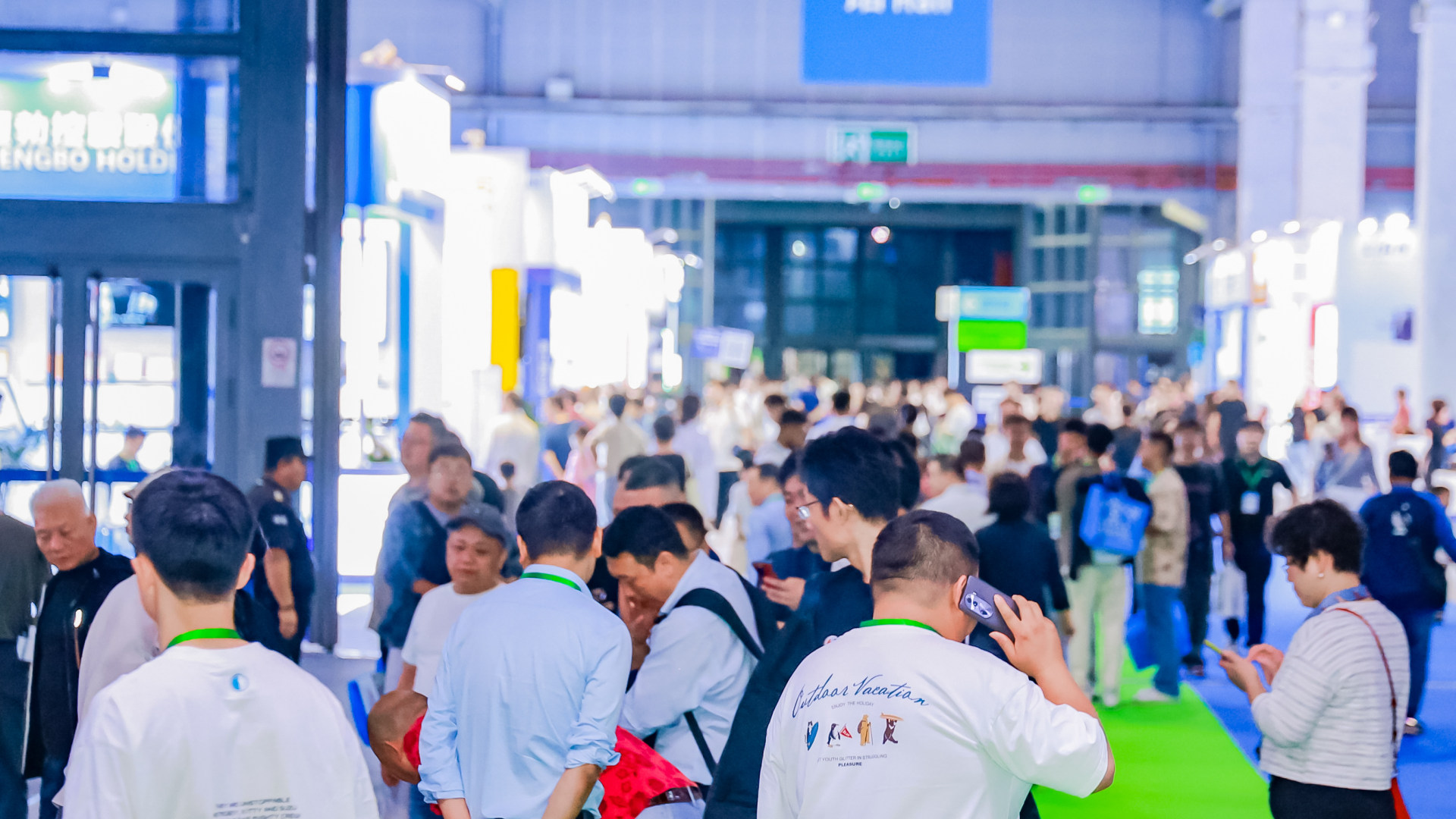

Every Alibaba search for an auto parts supplier returns hundreds of candidates, but the distance between a polished listing and a reliable factory remains large. An auto parts sourcing show compresses that distance into a physical meeting, where you can inspect a cylinder head, compare the finish on a brake caliper, and ask the engineer why one casting costs less than another. I have spent over ten years connecting manufacturers with global buyers through structured trade exhibitions. The choice between a sourcing show and Alibaba is not about which platform is more convenient. It is about which route lets you verify the three things that determine supply chain failure: material, process control, and factory ownership.
Why Do Buyers Compare an Auto Parts Sourcing Show with Alibaba?
For many buyers, the comparison begins with speed and cost, not with risk. Alibaba reduces the search cost of finding a supplier. You filter by geography, certificate, and product image in minutes. The trade-off is that the listing is a promise, not a proof point. A trading company can present factory photos, ISO certificates, and product lines that belong to someone else. An auto parts sourcing show puts the same search in a physical hall. You can walk from a Yuhuan chassis parts manufacturer to a Ruian brake parts booth and ask both how they control surface finish on the same part. The conversation reveals whether the person in the booth knows the production line or just the sales pitch.
| Criterion | Alibaba | Auto Parts Sourcing Show |
|---|---|---|
| Supplier discovery | Search based, broad | Curated, on site |
| Quality verification | Video and documents | Physical sample and line walk |
| Price negotiation | Message based, delayed | Face to face, immediate |
| Factory status | Claimed, must be audited | Visible through booth staff |
| Relationship building | Transactional | Direct, longer term |
What Can You Verify at an Auto Parts Sourcing Show That Alibaba Cannot?
Alibaba verifies through video calls, audit reports, and third party inspection offers. On a live floor, three checks happen in minutes. Material and surface is the first check. You can hold a water pump housing and see porosity, coating thickness, and edge finishing that a photo will not capture. Process control is the second check. An engineer who can explain the line sequence, the testing station, and the rework path knows the part. A booth that answers only with price does not. Factory identity is the third check. When the person in the booth cannot answer a technical question without calling the factory, you are likely speaking with a trader.
I have watched buyers lose half a day on Alibaba comparing two identical part photos and learning nothing. At a sourcing show floor, the same buyer can ask ten manufacturers the same tolerance question and leave with a clear idea of who actually controls quality. That is the qualification efficiency an online marketplace cannot match.
If your program involves a multi-material assembly or a part with a tight tolerance band, confirm the failure mode and rework protocol at the booth before committing. For supplier matching at APES Auto Parts Expo Shanghai, send your part number and target quantity to [email protected].
How Does Factory Direct Pricing Work on a Sourcing Show Floor?
Alibaba prices often include platform fees, trade service charges, and a trading company margin that is not always visible. On an auto parts sourcing show floor, many booths are run directly by manufacturers from industrial clusters such as Taizhou, Ruian, Qinghe, and Shiyan. Their pricing starts from the same location where the parts are made. The conversation moves quickly from unit price to tooling, packaging, delivery terms, and minimum order quantity. You can request a price breakdown in person and watch how the sales engineer responds. That response tells you more than a message board ever will.
A lower price at a show is not guaranteed just because the factory is present. Some manufacturers set exhibition pricing to fill spare capacity. Others quote high because they know a buyer is comparing. The useful difference is that the quote can be tied to a specific production line, a specific machine, and a real person who must deliver on it.
If you are comparing quotes across multiple booths, ask each manufacturer to write the price against the same drawing or sample number. That one step removes most of the confusion that comes from online inquiries.
How Do You Convert a Sourcing Show Visit into Reliable Orders?
Walking the floor is not the same as qualifying a supplier. Start with the part number and the drawing. Give the booth engineer a clear target: material, finish, tolerance, annual volume, and delivery schedule. If the booth cannot confirm those on site, ask which person can. The suppliers worth your time tend to ask about the application, the mating parts, and the failure history. A trader tends to ask about the order quantity first.
After the show, consolidate your supplier list the same week. Mark the booths that answered technical questions directly, the ones that showed process photos or test records, and the ones that quoted with conditions instead of promises. Then move only those forward to samples. A sourcing show does not replace due diligence. It lets you run due diligence faster because the evidence is standing in front of you.
Many buyers leave a sourcing show with a stack of catalogs and no clear next move. The better result is a short list of three or four manufacturers who have already seen your part and confirmed the rough cost. If you want that result at APES Auto Parts Expo Shanghai, send your part list, target volume, and delivery timeline to [email protected] or call +021-60280788. We will match the inquiry to exhibitors that fit the part and the order profile before you walk the floor.
What Do Buyers Ask Before Choosing an Auto Parts Sourcing Route?
Is an auto parts sourcing show cheaper than sourcing on Alibaba?
At the show, the price you negotiate is usually the price you ship, because you are talking to the manufacturer directly. Alibaba often adds platform and trade service costs, and some listings are run by trading companies with their own margin. The show price can be lower, but it can also be higher if the factory has strong demand or you request special packaging. The more reliable advantage is not automatically getting the lowest price. It is being able to attach the price to a specific line, a specific person, and a specific material standard before you order.
How do I know the exhibitor is a factory and not a trading company?
Many buyers assume every booth belongs to a factory, but that assumption can be costly. Ask the person in the booth to explain the production process for your part, the key equipment, and the testing step. A factory representative can usually answer these from the line. A trader will deflect to the catalog or say they need to check. You can also ask for the factory address and see whether it matches the exhibition system or the business license. Two or three targeted questions at the booth are more revealing than a page of certificates.
Can I place a small trial order at an auto parts sourcing show?
It depends on the part and the manufacturer’s current production schedule. Some manufacturers take trial orders below the normal minimum order quantity if the part is standard and the production line is already running. Others will only accept a higher volume because the setup cost is fixed. I usually recommend asking on the spot: what is the smallest quantity you can run on the existing line, and what setup charge applies? If the answer is immediate and specific, you are likely talking to the factory. If it is vague, ask again in writing before you leave.
What if I cannot attend the show in person?
In trade promotion programs we have coordinated, buyers who could not travel often asked us to route samples, collect supplier answers, and arrange follow-up calls with the same booths. A sourcing show can still work remotely if you prepare a clear part brief and a list of questions. Ask the exhibition team in advance which exhibitors match the part family, then have them collect data sheets and price ranges from those booths. You will miss the physical inspection, but you can still shorten the supplier list from a hundred names to a handful. Send your part list and target quantity to [email protected] and we will confirm which exhibitors match your requirements.
If you’re interested, check out these related articles:
APES 2026 to Redefine Global Sourcing Landscape as Automotive Industry Eyes Resilient Future
Tomorrow World: Innovation Achievement Exhibition and Industry Future Forum