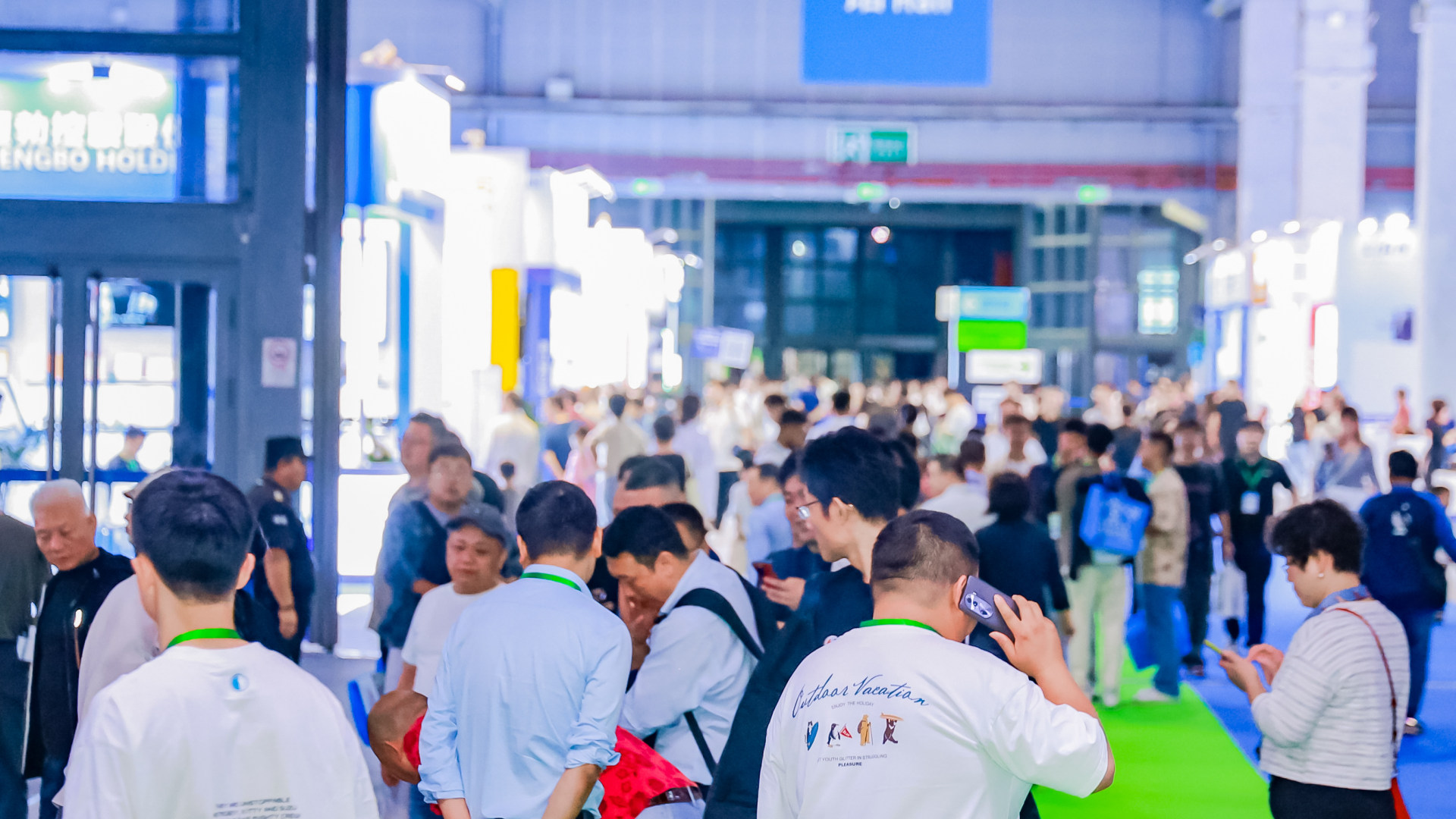

APES 2026 exhibitor registration opens the door to direct factory-to-buyer connections across 3,500 square meters of automotive aftermarket innovation. Securing a booth at the right product zone—engine, chassis, lighting, or NEV—isn’t just about logistics; it’s a strategic decision that determines which of the 35,000 expected global buyers stop at your stand. Over the past decade, I’ve guided hundreds of suppliers through this process, and the exhibitors who book early in the correct industrial cluster zone consistently secure the highest-value orders.
Why APES 2026 Matters for Global Sourcing
APES Auto Parts Expo Shanghai has evolved beyond a traditional trade show. Its strength lies in a structured industrial cluster system that mirrors China’s real manufacturing geography. Yuhuan’s chassis parts cluster, Ruian’s brake manufacturers, Changzhou’s lighting hub, and Qinghe’s filter production zone each have dedicated exhibition sections. This means buyers walking into a zone already know they are surrounded by specialized manufacturers, not generalists. For an exhibitor, placement in the correct cluster translates to qualified foot traffic without the noise of unrelated product categories.
I recall a steering knuckle manufacturer from Taizhou that initially booked a standard booth outside the chassis zone. After relocating to the dedicated chassis and suspension area the following year, their on-site orders tripled because buyers actively seeking suspension components no longer had to find them by accident. The cluster system shortens the path from inquiry to negotiation.
Booth Types and Regional Placement Options
Choosing between a shell scheme booth and raw space shapes both your budget and visitor perception. Shell scheme includes standard walls, carpet, fascia board, and basic lighting. Raw space lets you design a custom stand that reflects your brand but requires additional build-out investment.
| Booth Type | Typical Rate Range | Best For |
|---|---|---|
| Shell scheme (9 sqm minimum) | $350–$420 per sqm | First-time exhibitors, standardized products |
| Raw space (36 sqm minimum) | $280–$340 per sqm | Manufacturers with large components or custom displays |
| Premium corner or aisle positions | 15–25% surcharge | Exhibitors prioritizing walk-in traffic volume |
Shell scheme is not a lesser choice. For a brake pad manufacturer showcasing standardized part numbers, a well-lit shell booth in the brake cluster works better than a raw space hidden in a side aisle. The decision should follow your product type and target buyer profile, not just budget.
If your program requires live demonstrations of equipment like brake dynamometers or EV thermal management test rigs, raw space becomes necessary. Contact our team early to confirm floor load capacity and utility requirements—these details affect zone placement.
Step-by-Step APES 2026 Exhibitor Registration
The application flow is straightforward but benefits from early completion. Here is the sequence we recommend after managing hundreds of exhibitor onboardings.
- Submit the preliminary application form with your company profile, product categories, and preferred zone. This goes to [email protected] or through the official APES website.
- Receive a zone availability confirmation within three working days. APES allocates space by product category alignment, not by application order, so describing your products accurately is critical.
- Select your booth type and specific location from the available options in your confirmed zone. Corner booths and aisle positions fill quickly.
- Sign the participation contract and pay the deposit to lock your booth. Full payment terms are outlined in the contract, typically with a scheduled balance deadline.
- Submit your exhibitor badge list, logistics plan, and stand design at least 60 days before the show to ensure smooth setup.
The most common bottleneck I see is step two—manufacturers describe their products too broadly, get assigned to a general zone, and then wonder why the right buyers didn’t visit. If you produce CV joints and control arms, specify those exact part names, not “auto parts.” The registration form is your first sales pitch to the zone allocation team.
Strategic Zone Selection Aligned with Buyer Segments
APES 2026 is structured around buyer behavior, not just product taxonomy. Each zone attracts a distinct buyer segment with specific procurement expectations.
| Product Zone | Primary Buyer Interest | Industrial Clusters Represented |
|---|---|---|
| Engine & Powertrain | OEM engine parts, cylinder heads, crankshafts, fuel pumps | Taizhou, Shiyan, Chongqing |
| Chassis & Suspension | Control arms, shock absorbers, CV joints, steering knuckles | Yuhuan, Taizhou, Wenzhou |
| Brake Systems | Brake pads, discs, calipers, ABS sensors | Ruian, Taizhou |
| Automotive Lighting | Headlights, LED modules, fog lamps | Changzhou, Danyang |
| NEV Components | HV wiring harnesses, charging guns, battery structural parts | Zhejiang, Jiangsu, Guangdong |
| Filters & Sealing | Oil filters, air filters, rubber seals, gaskets | Qinghe, Xingtai, Ningbo |
A Changzhou LED manufacturer exhibiting in the Lighting zone meets buyers who arrive to compare headlight specifications. The same manufacturer placed in a generic hall competes with seat covers and floor mats for attention. Zone selection is as important as the product itself.
I have worked with a Wenzhou-based automotive switch supplier that initially hesitated to commit to the Auto Electronics zone because they also produced mechanical relays. After focusing purely on electronic control modules and positioning accordingly, they connected with three Tier-1 buyer delegations within the first day. The specificity of the zone signaled that they were a serious supplier, not a generalist.
Maximizing Order Conversion Once the Booth Is Booked
A booth secures your presence. The work that follows determines whether you leave with purchase orders.
Start buyer outreach 60 days before the show. APES provides a buyer matchmaking platform, but your own pre-show emails to importers and distributors in target markets—Southeast Asia, the Middle East, Eastern Europe—set appointments before the doors open. Include your booth number, zone name, and one product highlight that addresses a known market gap.
Prepare technical documentation in print and digital formats. Buyers making factory-direct decisions want to see spec sheets, testing certifications, and minimum order quantities immediately. If you hold IATF 16949 certification, display it at the booth; it remains the single most requested qualification among international procurement teams at China auto parts exhibitions.
During the show, collect buyer badges with notes on their specific interests. The exhibitors who follow up within 48 hours with a tailored email that references the face-to-face conversation convert at rates three to four times higher than those who send a generic catalog later. This isn’t a statistic from a report; it’s a pattern I’ve verified across multiple APES editions.
Common Questions About Exhibiting at APES 2026
Is APES a better fit for OEM parts than general automotive exhibitions?
Yes, and the reason is structural. APES organizes exhibitors by manufacturing cluster and product zone, which attracts buyers who arrive with specific sourcing lists. A general automotive show might deliver more total visitors, but APES delivers visitors pre-qualified by product category. For a crankshaft manufacturer targeting engine rebuilders, the difference is the gap between browsing and procurement.
Can I get factory-direct pricing as a buyer at the exhibition?
Yes, because the exhibitors are manufacturers, not trading companies. Booth fees are paid by the factory, and they exhibit to secure direct contracts with overseas distributors and OEM programs. Many offer show-only pricing that reflects the absence of intermediary markups. Bring your part numbers and volume requirements; the negotiation starts on the spot.
What are the visa and logistics requirements for international exhibitors?
APES issues an official invitation letter upon contract signing, which supports business visa applications. For booth materials, the official freight forwarder handles customs clearance and delivery to your booth. Start the visa process at least 45 days before the show because appointment availability varies by country. Our team can guide you on country-specific timelines.
How does the shell scheme booth compare to raw space for a first-time exhibitor?
A shell scheme booth reduces complexity. You arrive to a furnished stand with nameboard, lighting, and carpet. For a first exhibition, this lets you focus on buyer engagement rather than construction logistics. Raw space is the better choice when your products require floor-mounted displays, live operation, or you aim to make an architectural statement that matches your brand scale.
What happens if I need to change my product zone after registration?
Zone changes are possible before the floor plan is finalized, typically up to two months before the show. After that, we can only accommodate changes if a suitable booth opens in your desired zone. Communicating your product scope accurately at the application stage avoids the issue entirely. If you are uncertain which zone best matches your catalog, send your product list to [email protected] and we will confirm the optimal placement before you commit.
For any exhibitor looking to launch a new product line or expand into international markets, the APES platform offers a direct path to verified buyers without the layers of intermediaries that dilute margin and delay relationships. Share your product categories and preferred booth size with us at +021-60280788 or [email protected] to receive a zone recommendation and updated availability before the floor plan fills.
If you’re interested, check out these related articles:
APES 2026 to Redefine Global Sourcing Landscape as Automotive Industry Eyes Resilient Future
Tomorrow World: Innovation Achievement Exhibition and Industry Future Forum
