
Anhydrous ethanol uses span fuel blending, industrial solvents, laboratory reagents, and pharmaceutical processing, but the operative difference is not the label. It is water content. Anhydrous ethanol is ethanol with water reduced to the point required by the grade, and that residual water changes how the material burns, dissolves, stores, and stays within a purchase specification. Buyers who treat anhydrous ethanol as one interchangeable chemical can receive fuel-grade material for a pharmaceutical process that needs tighter purity. This article sorts the main applications by the risk that the remaining water and impurity profile create, so a buyer can match the grade to the actual use before requesting a quote.
What Is Anhydrous Ethanol and Why Does Water Content Matter?
Plain ethanol and water form an azeotrope near 95% to 96% ethanol, so regular distillation cannot push ethanol to anhydrous conditions by itself. Dehydration, usually by molecular sieve adsorption or another water removal step, strips the remaining water to meet the target grade. That remaining water is not just a quality note. In fuel blending, excess water can cause phase separation when ethanol and gasoline are mixed. In industrial reactions and extractions, water can suppress the intended activity or leave residue in the final product. In pharmaceutical applications, water limits affect microbial control, stability, and reproducibility. The grade name is shorthand for the water ceiling and the impurity profile behind it.
Where Does Anhydrous Ethanol Fit in Fuel and Renewable Fuel Blending?
Fuel ethanol is the largest volume application. It is blended into gasoline at set ratios to raise octane and improve combustion. The blend ratio changes the specification burden on the ethanol, not just the volume of alcohol. A low-level blend may tolerate some water, but a higher alcohol fraction raises the phase separation risk unless the ethanol arrives dry enough and stays dry through logistics. Fuel ethanol also carries a denaturant in many markets so the alcohol is not treated as beverage alcohol. In our ethanol project work, fuel-grade issues usually appear after the ethanol leaves the tank, when moisture enters from transport or poor storage sealing. The water content fixed at the plant does not survive careless handling.

What do fuel-grade specifications emphasize?
Fuel ethanol specifications focus on water content, ethanol content, and contaminants that affect engine or fuel system behavior, including sulfur, acidity, and certain metal ions. The exact limits depend on the national or regional standard and the blend target. A buyer looking at fuel grade should not compare only the ethanol percentage; the impurity ceiling matters just as much.
Why does water control matter more at higher blend ratios?
At higher ethanol fractions, more alcohol is available to hold water in the fuel, but winter temperature drops can force that water out of solution and create a separate water-alcohol layer. That layer causes misfueling, corrosion, and phase stability failures at the storage point. This is why fuel terminals handle anhydrous ethanol through water-tight equipment and check water content before blending.
Which Industrial and Solvent Applications Depend on Anhydrous Ethanol?
Anhydrous ethanol works as an industrial solvent, extraction agent, and chemical intermediate. It appears in coatings, inks, adhesives, personal care formulations, and certain cleaning products because it dissolves polar materials without leaving the same residue as water-based systems. The industrial grade does not need to meet pharmaceutical impurity limits, but it does need consistent water content and low residue after evaporation. When water is not controlled, the final film or extract can stay cloudy or carry mineral residue. That is why solvent users often set internal water and evaporation-residue limits beyond the standard certificate.
Anhydrous ethanol buyers often manage more than one grade. A company buying fuel ethanol for blending may also need industrial alcohol for cleaning or extraction. If your program covers multiple water limits, confirm the exact grade and packaging requirement before finalizing the purchase. Send your required grades to [email protected] or call 010-8591 2286.
What Do Pharmaceutical, Laboratory, and Food-Grade Applications Require?
Pharmaceutical and laboratory users buy anhydrous ethanol against a different standard. Water content is the visible limit, but the grade also regulates methanol, aldehydes, nonvolatile residue, and, in pharmaceutical use, microbiological quality. Food and beverage neutral alcohol carries its own purity expectations because trace congeners can change taste or product safety. The grades are not fungible. A fuel or general industrial alcohol may contain components that are acceptable for a solvent but unacceptable in a drug formulation or food extract. This is where the purchase specification has to be more specific than the word anhydrous.
| Grade focus | Typical application focus | Main specification concern |
| Fuel ethanol | Gasoline blending | Water, sulfur, acidity, corrosion |
| Industrial solvent | Coatings, extraction, cleaning | Residue, water tolerance |
| Laboratory reagent | Analysis and synthesis | Purity, low nonvolatile residue |
| Pharmaceutical grade | Drug and extraction | Water, methanol, aldehyde, microbial limits |
| Food and beverage neutral alcohol | Food extracts and spirits | Taste-carrying congeners, residue, purity |
Why is water content only part of the compliance picture?
Because water is easier to measure than trace impurity identity. A tight water result can still hide methanol, acetaldehyde, or residue that matters to the formulation. The buyer should ask for the full assay range and the relevant compendial or regulatory basis, not only the water certificate. In pharmaceutical applications, packaging and cleanliness of the supply chain matter as much as the tank sample.
How Should Buyers Specify, Handle, and Source Anhydrous Ethanol?
Sourcing starts with the application tolerance, not the generic grade name. A fuel terminal, a pharmaceutical producer, and an industrial formulator may all say anhydrous ethanol and mean three different water limits, impurity lists, and packaging requirements. The specification should state water content, denaturant or absence, purity range, acceptable residues, and packaging compatibility. Handling then follows from flammability and hygroscopic behavior. Anhydrous ethanol picks up atmospheric moisture if left open, which can move a material out of its grade. Closed transfer, dry inert gas blanketing, and moisture-tested storage keep the delivery from drifting.
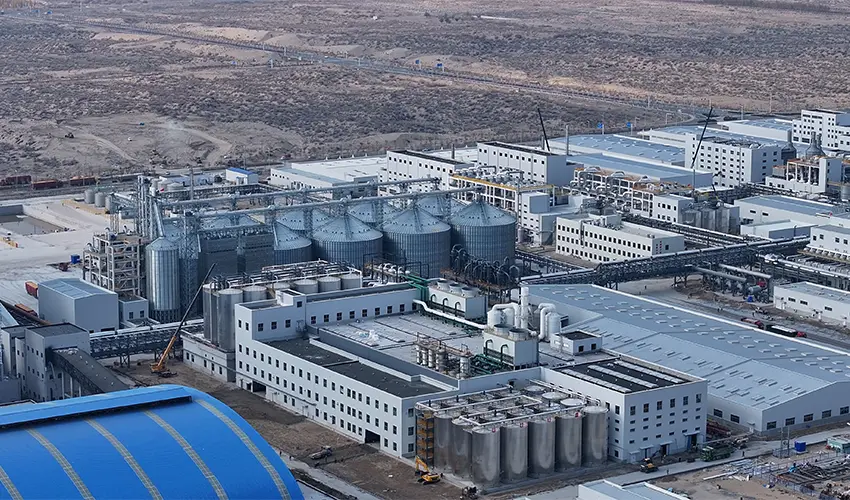
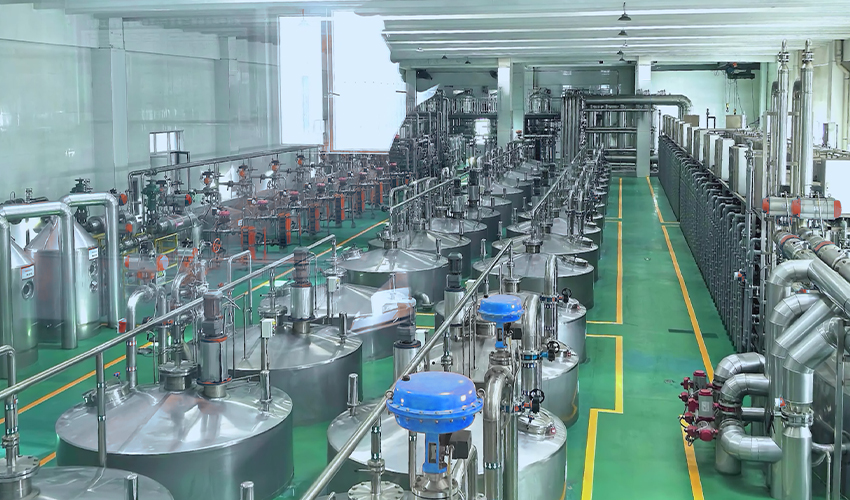
In our fuel ethanol plant work at AGRIFAM, the most common commissioning failure appears at the dehydration step. The column train delivered rectified spirit to the molecular sieve at a higher moisture load than the design case, so the adsorption cycle shortened and the product water content moved before the control system recorded a clear alarm. The correction required better upstream column control and regeneration scheduling, not a larger dryer. That type of grade drift is easier to prevent in the process design than to fix after the plant is running.
Anhydrous ethanol sourcing becomes more predictable when the specification is explicit. If you are comparing fuel, industrial, or pharmaceutical grades, send the target water limit, denaturant requirement, packaging, and annual volume to [email protected] or call 010-8591 2286. We can confirm the right grade and process fit before the purchase order is written.
Which Questions Do Procurement Teams Ask About Anhydrous Ethanol Uses?
Is anhydrous ethanol the same as absolute ethanol?
Absolute ethanol is the stricter label in many laboratory settings, so the two terms overlap but are not automatically identical. Anhydrous ethanol covers low-water grades across fuel, industrial, and pharmaceutical uses, while absolute ethanol usually signals water content at or below the practical dehydration floor. The purchase order is what matters: it should state the water ceiling, the purity range, and the relevant regulatory basis. If the certificate says anhydrous but the buyer needs absolute, the name is less useful than the actual water result and residue list.
Which grade is right for pharmaceutical processing?
A common misconception is that pharmaceutical use only requires a high ethanol percentage. In reality, water content is just the visible limit. Pharmaceutical and laboratory applications also restrict methanol, aldehyde content, nonvolatile residue, and microbial contamination. A general industrial alcohol can pass a water test and still be unfit for drug formulation or extraction. The buyer should specify USP or equivalent pharmacopeial grade and request the full impurity profile, not only the water certificate. Packaging cleanliness and supply chain handling matter because the product can be re-contaminated after it leaves the tank.
Can anhydrous ethanol be stored like a standard industrial solvent?
It depends on the grade and the packaging. Anhydrous ethanol is hygroscopic and flammable, so storage should use closed containers, proper grounding, and protection from moisture. For fuel or industrial volumes, fixed tanks with dry inert gas blanketing keep water from re-entering. For laboratory or pharmaceutical packaging, unopened containers in cool, ventilated storage are usually adequate, but once opened the container becomes the main moisture risk. The same product can stay within specification or drift out of it based entirely on how the site manages transfer and resealing.
What should a buyer include in the first inquiry to shorten sourcing?
From our project reviews, the inquiry that moves fastest is one that lists water limit, denaturant requirement, intended use, packaging, and annual volume. Those five fields let a supplier confirm which anhydrous ethanol grade is actually required without running a second round of questions. If you are still deciding between fuel, industrial, and pharmaceutical applications, send the draft specification to [email protected] and we will return the appropriate grade range before you commit.
If you’re interested, check out these related articles:
Driving Global Food Conservation Through Technological Innovation