Adipose-Derived Stem Cells (ADSCs) are at the heart of many regenerative and cell therapy programs, and in practice the quality of recombinant proteins shapes everything from isolation to differentiation. We rely on consistent, high-performance factors to keep cultures steady, reduce variability, and support applications spanning orthopedic repair, wound care, immunomodulation, aesthetics, and cardiovascular recovery. What follows brings together the core biology of ADSCs, standard isolation and characterization, therapeutic directions, translational challenges with quality and regulatory needs, and how East Mab Bio supplies rigorously tested proteins and works with teams pushing this field forward.
Understanding Adipose Derived Stem Cells
Defining ADSCs and their unique properties
Adipose-Derived Stem Cells (ADSCs) are multipotent mesenchymal stem cells (MSCs) found in adipose tissue. These cells show strong self-renewal and can differentiate into multiple lineages, including adipocytes, osteoblasts, chondrocytes, and myocytes. Their immunomodulatory capabilities and high proliferative potential make them highly attractive. We draw on their abundance and accessibility for numerous therapeutic applications.
Isolation and characterization methods
ADSCs are commonly obtained from liposuction aspirates or excised adipose tissue using enzymatic digestion, often with collagenase, to release cells from the tissue matrix. Centrifugation then separates the stromal vascular fraction (SVF), which contains the ADSCs. We culture these cells in specific media to allow adherence and expansion. Characterization focuses on positive surface markers such as CD73, CD90, and CD105, along with confirming the absence of hematopoietic markers.
Biological functions and mechanisms of action
ADSCs support tissue regeneration through several routes. They differentiate into required cell types, and they also secrete a broad set of trophic factors and cytokines that promote angiogenesis, reduce inflammation, and modulate immune responses. Their paracrine effects are a major driver of tissue repair and regeneration.
Therapeutic Applications of ADSCs
ADSCs in regenerative medicine
ADSCs offer strong potential in regenerative medicine due to their multipotent differentiation capabilities. Researchers investigate their use in orthopedic settings, including cartilage and bone repair. They are also studied for wound healing in chronic ulcers and burns. Their reach extends to cardiovascular diseases, supporting cardiac tissue repair after myocardial infarction.
Immunomodulatory effects and disease treatment
The immunomodulatory properties of ADSCs support treatment of diverse diseases. They can suppress immune cell proliferation and cytokine production, making them valuable for managing autoimmune disorders and reducing graft-versus-host disease. We leverage these effects to develop novel anti-inflammatory therapies.
Cosmetic and aesthetic uses of ADSCs
In cosmetic and aesthetic medicine, ADSCs are gaining momentum. They are used for soft tissue augmentation, facial rejuvenation, and scar revision. Their ability to promote collagen production and improve skin elasticity is particularly beneficial. These uses highlight their utility beyond traditional regenerative therapies.
Advances in ADSC Research and Development
Challenges in clinical translation
Moving ADSC research into widespread clinical use is not straightforward. Standardizing isolation and expansion protocols remains a key hurdle. Variability in cell potency and donor-to-donor differences affect consistency. Regulatory pathways for cell-based products are complex and continue to evolve. Long-term safety and efficacy must be demonstrated through rigorous clinical trials.
If you’re interested, check 《Recombinant Human 4-1BBL: Unlocking Immune Co-stimulation for Advanced Therapies》.
Future perspectives and emerging applications
Future directions for ADSC research are encouraging, with new applications under active exploration. We anticipate progress in gene-edited ADSCs aimed at enhanced therapeutic outcomes. Organoid development and cultivated meat production are emerging frontiers. Personalized approaches using autologous ADSCs will likely see broader use.
Quality control and regulatory considerations
Strong quality control is foundational for ADSC-based therapies. This includes stringent testing for cell viability, purity, and sterility. Regulatory bodies such as the FDA provide guidance for cell and gene therapy products. Compliance with Good Manufacturing Practice (GMP) standards is essential for clinical-grade ADSCs.
East Mab Bio’s Contribution to ADSC Research
Recombinant proteins for ADSC culture
East Mab Bio provides high-quality recombinant proteins important for optimal ADSC culture. Our products support the proliferation and differentiation of ADSCs in vitro. We offer a diverse range of growth factors and cytokines for serum-free and xeno-free media formulations. These components help deliver consistent and reproducible results in ADSC research.
Supporting ADSC-based therapies
We are committed to advancing ADSC-based therapies by supplying premium raw materials. Our recombinant proteins facilitate the development of safe and effective cell therapies. We understand the stringent requirements of clinical applications, so we ensure our products meet high purity and activity standards.
Partnerships and innovation in ADSC technology
East Mab Bio actively seeks partnerships to foster innovation in ADSC technology. We collaborate with researchers and biotechnology companies to develop next-generation solutions. Our goal is to contribute to the global advancement of IVD, cell culture media, and cell therapy. We believe in collective efforts to push scientific boundaries.
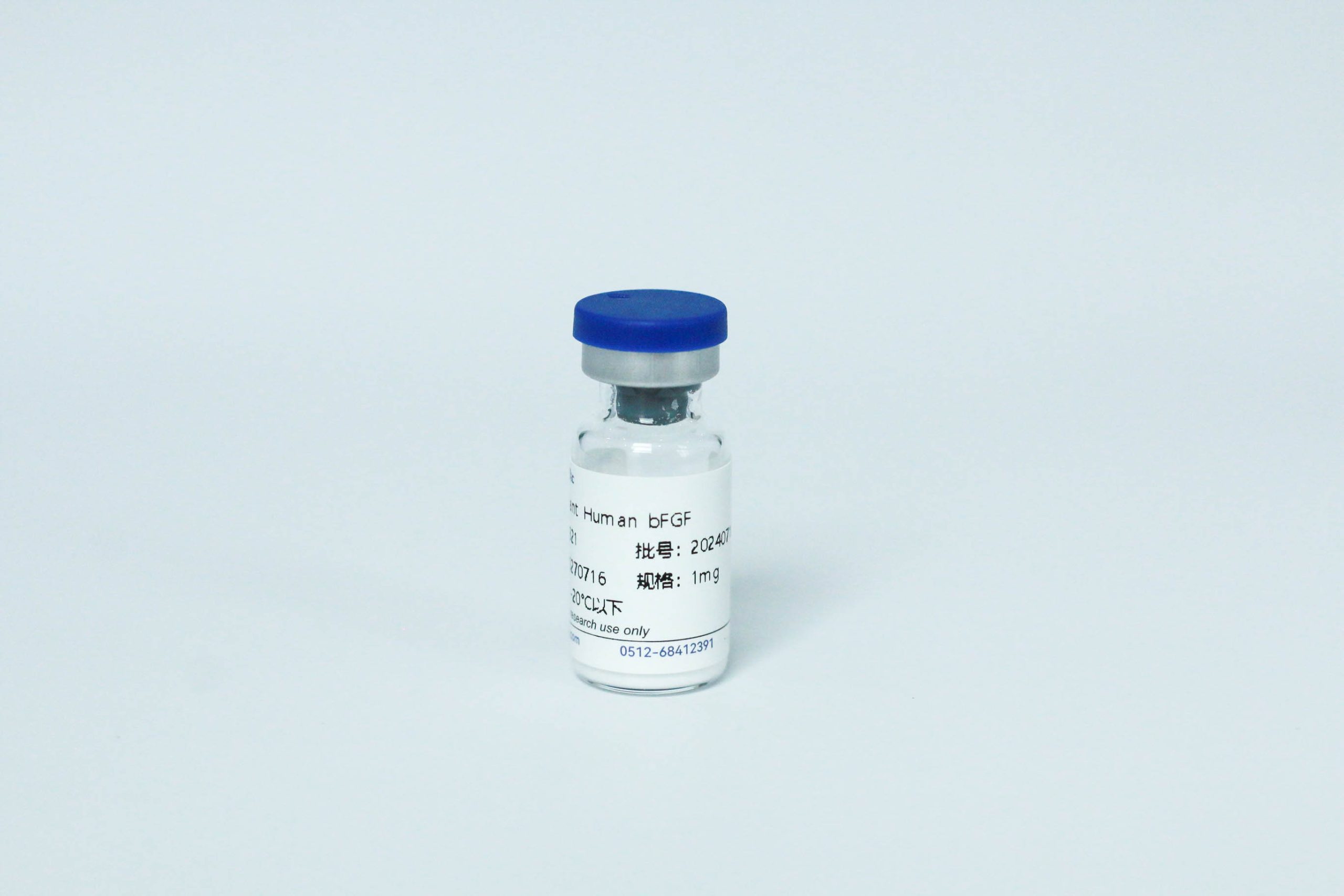
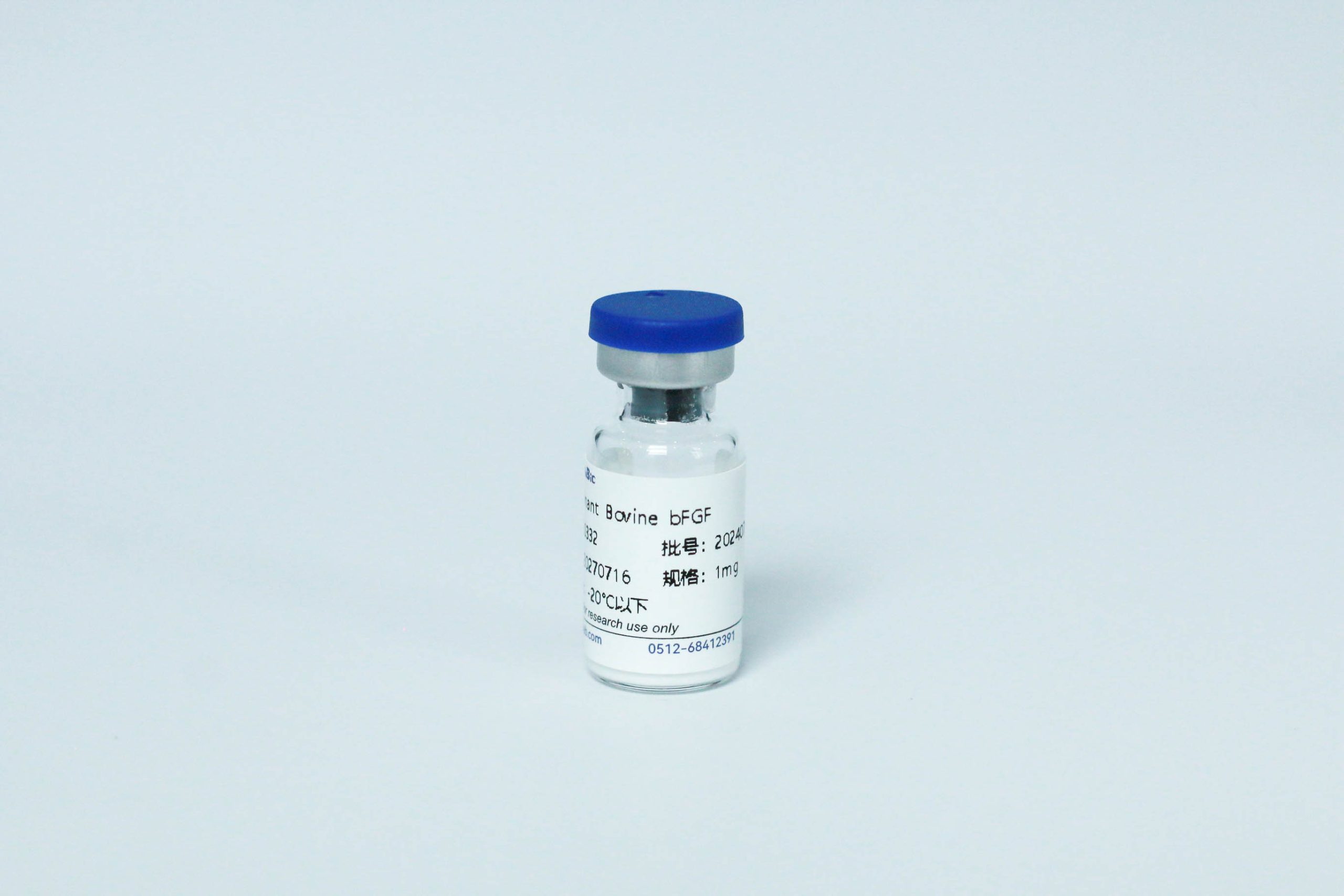
Here is a selection of our recombinant proteins relevant to ADSC research:
| Product Name | Expression System | Molecular Weight | Purity | Endotoxin Level | Bioactivity | Primary Application |
|---|---|---|---|---|---|---|
| Recombinant Human IL-2 | CHO | 15.4 kDa | ≥95% | ≤1 EU/mg | ≥1 x 10⁷ IU/mg | T-Cell Growth Factor |
| Recombinant Human IL-4 | CHO | 15 kDa | ≥95% | ≤10 EU/mg | ED₅₀ ≤ 0.2 ng/mL | B-Cell Stimulatory Factor |
| Recombinant Human IL-6 | CHO | 20.8 kDa | ≥95% | ≤10 EU/mg | ED₅₀ 0.2-1 ng/mL | Cytokine |
| Recombinant Human FGF-2/bFGF | E. coli | 16.5 kDa | ≥95% | ≤20 EU/mg | ED₅₀ ≤2.0 ng/mL | Fibroblast Growth Factor |
| Recombinant Bovine/Porcine Activin A | CHO | 12.9 kDa | ≥95% | ≤10 EU/mg | MPC-11 cell inhibition assays | Cell Inhibition |
Contact Us
Explore East Mab Bio’s broad range of high-quality recombinant protein raw materials designed to optimize your Adipose-Derived Stem Cell research and development. Contact us to discuss your specific project needs and learn how our advanced solutions can help accelerate progress in regenerative medicine. Reach us at +86-400-998-0106 or [email protected].
FAQs
What are Adipose Derived Stem Cells (ADSCs)?
ADSCs are multipotent mesenchymal stem cells isolated from adipose (fat) tissue. They possess self-renewal capabilities and can differentiate into various cell types, including adipocytes, osteocytes, chondrocytes, and myocytes. Their abundance, ease of access, and lower immunogenicity make them highly attractive for regenerative medicine applications.
How are ADSCs typically isolated and cultured for research?
ADSCs are commonly isolated from liposuction aspirates or excised adipose tissue through enzymatic digestion (e.g., using collagenase) followed by centrifugation to separate the stromal vascular fraction (SVF). The SVF is then cultured in specific media, allowing ADSCs to adhere and proliferate. High-quality recombinant proteins, such as FGFs and GFs, are important for optimal ADSC expansion and maintenance in vitro.
What are the main therapeutic areas where ADSCs are being investigated?
ADSCs are being investigated across a broad spectrum of therapeutic areas due to their regenerative, immunomodulatory, and anti-inflammatory properties. Key applications include orthopedic conditions (e.g., osteoarthritis, cartilage repair), wound healing, cardiovascular diseases, neurological disorders, autoimmune diseases, and aesthetic medicine. Research continues to expand into new indications.
What challenges exist in translating ADSC research into clinical therapies?
Despite promising preclinical results, several challenges hinder the widespread clinical translation of ADSC therapies. These include standardization of isolation and expansion protocols, variability in cell potency, regulatory hurdles for cell-based products, ensuring long-term safety and efficacy, and the high cost of manufacturing. Addressing these requires strong quality control and collaborative research efforts.
How does East Mab Bio support ADSC research and development?
East Mab Bio provides high-quality recombinant protein raw materials that are critical for the isolation, expansion, and differentiation of ADSCs in research and clinical settings. Our cell culture proteins, including various growth factors and cytokines, are key components of serum-free and xeno-free media formulations, helping ensure consistent and reliable ADSC culture. By offering premium raw materials, we help researchers reduce variability and achieve reproducible results, accelerating the development of ADSC-based therapies.