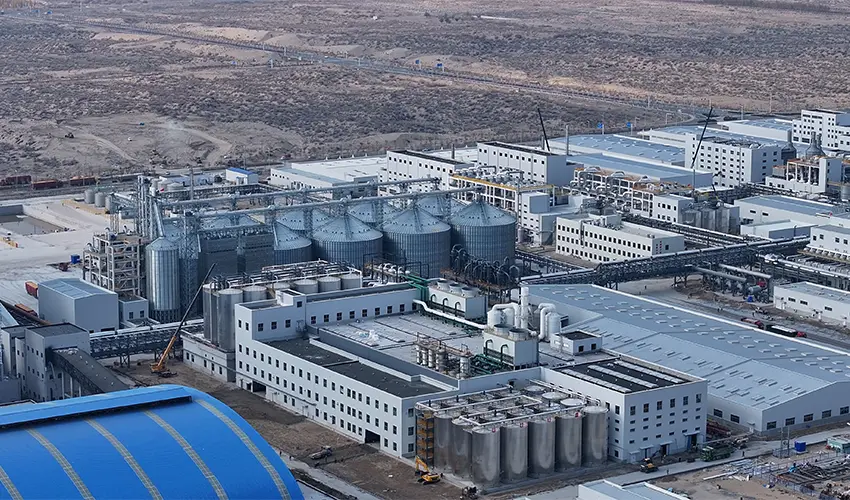

Corn-based alcohol production in China’s northeastern grain belt faces a specific challenge: how to build a plant that matches regional feedstock advantages with the energy and environmental standards expected in modern industrial projects. The Qiqihar alcohol plant in Heilongjiang province represents a deliberate engineering response to that challenge. Designed under an EPC model that integrates corn deep processing, energy cascade utilization, and full-value by-product recovery, the project demonstrates how a grain alcohol facility can achieve a 25% reduction in energy consumption while converting every input stream into a marketable output.
Project Scope and Engineering Requirements in Qiqihar
Heilongjiang’s position as a major corn production province creates a natural feedstock advantage. The Qiqihar plant was conceived to convert that geographic proximity into both cost efficiency and supply chain stability. The project brief called for a complete grain-based alcohol production line capable of processing local corn into fuel-grade ethanol, with the flexibility to produce industrial and edible alcohol grades as market conditions shift. AGRIFAM’s scope covered everything from grain receiving and storage through fermentation, distillation, dehydration, and auxiliary systems: wastewater treatment, biogas generation, and CO₂ recovery.
The core engineering requirement came down to system integration. A standalone distillery built to the lowest capital cost would have missed the opportunities that an integrated design captures: energy cascading between high-temperature and low-temperature process stages, biogas from anaerobic digestion replacing a portion of boiler fuel, and CO₂ purification for food-grade sales. The Qiqihar layout was configured around these material and energy flows from the beginning, not retrofitted after the fact.
Integrated Corn-to-Alcohol Process Design
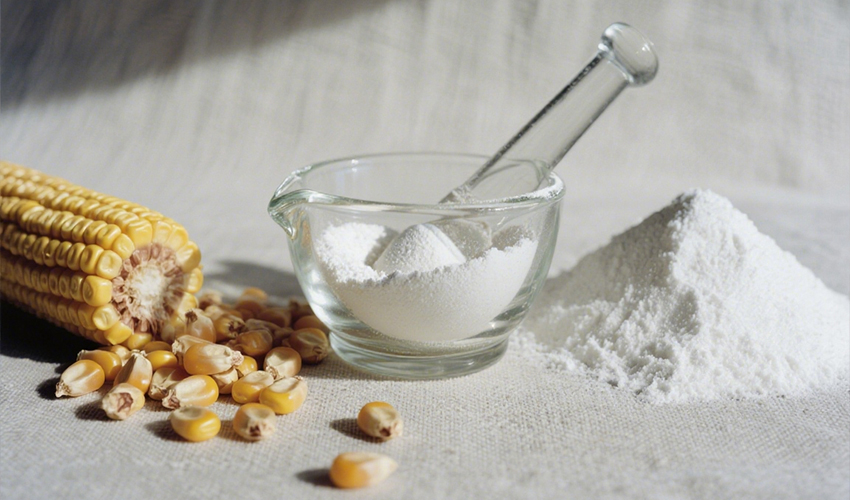
At the heart of the plant is the corn-to-ethanol conversion chain: grain purification, milling, starch liquefaction, saccharification, continuous fermentation, multi-column distillation, and molecular sieve dehydration. The process design draws on AGRIFAM’s experience across multiple grain deep processing projects, where each unit operation is specified to balance yield, energy input, and by-product quality. For example, the liquefaction and saccharification enzyme selection is tuned to the starch characteristics of Heilongjiang corn varieties rather than relying on generic parameters.
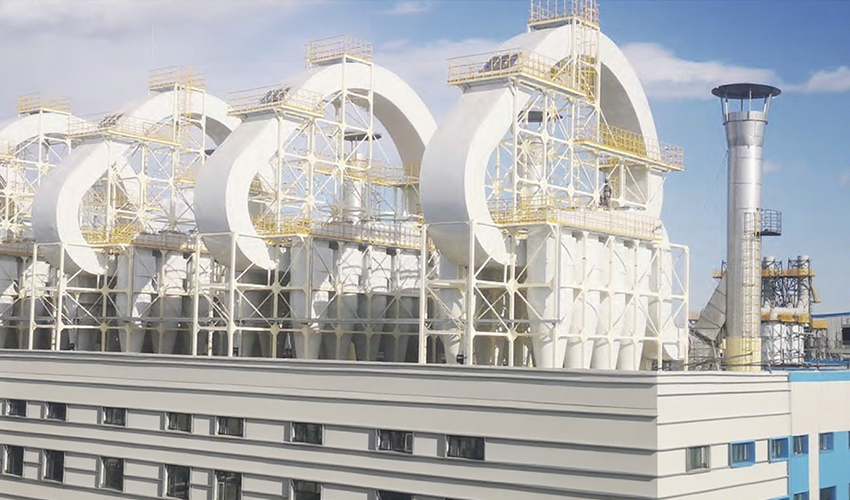
The distillation section uses a multi-column configuration with pressure-driven heat integration: overhead vapors from one column supply reboiler duty to another, reducing overall steam demand. The dehydration stage employs pressure swing adsorption on molecular sieves to reach anhydrous ethanol specification without the azeotropic distillation agents that complicate downstream wastewater treatment. Process water moves in a closed-loop system except for the final ethanol product stream, which keeps make-up water requirements low. The entire line operates under a DCS-based control architecture that monitors mass and energy balances in real time, giving operators the data they need to push conversion rates closer to theoretical maximum while keeping energy intensity within the design envelope.
Energy Cascade Utilization and Circular Economy Systems
The 25% energy consumption reduction targeted in this project does not come from a single piece of equipment. It results from layering energy recovery across every thermal process step and then connecting the fermentation by-product streams back into the plant’s energy budget. The largest share of steam goes to distillation and dehydration. In the Qiqihar design, waste heat from distillation column overheads is captured and re-purposed for upstream liquefaction heating and for regenerating molecular sieve beds. A pinch analysis was conducted during the engineering phase to identify the optimal heat exchanger network, matching hot and cold streams that a conventional design would either dump to cooling towers or reheat with fresh steam.
On the material side, the plant treats by-products as co-products. Stillage is separated into wet grains and thin stillage; the grains move to DDGS drying, producing a protein feed for the livestock sector. Thin stillage is processed through anaerobic digestion to generate biogas, which offsets natural gas consumption in the boiler. The CO₂ from fermentation is captured, purified, and compressed to food-grade specification for beverage and industrial gas markets. This closed-loop industrial chain, sometimes described as the corn–food–energy–feed model, means that virtually all input mass leaves the plant as revenue-generating product rather than waste. For a project in a region where environmental permitting is increasingly stringent, this approach also removes the largest compliance risks before they arise.
Project Implementation and Turnkey Delivery
Delivering a plant of this complexity in Qiqihar required an EPC framework that treats engineering design, procurement, construction, and commissioning as a single continuous workflow. The grain receiving and storage infrastructure was built using AGRIFAM’s assembled steel silo systems with thermal insulation, integrated with conveying equipment specified for high throughput and low grain breakage. The process building houses pre-treatment, fermentation, and distillation units in a layout that minimizes intermediate pumping and pipe runs, reducing both capital cost and heat loss.
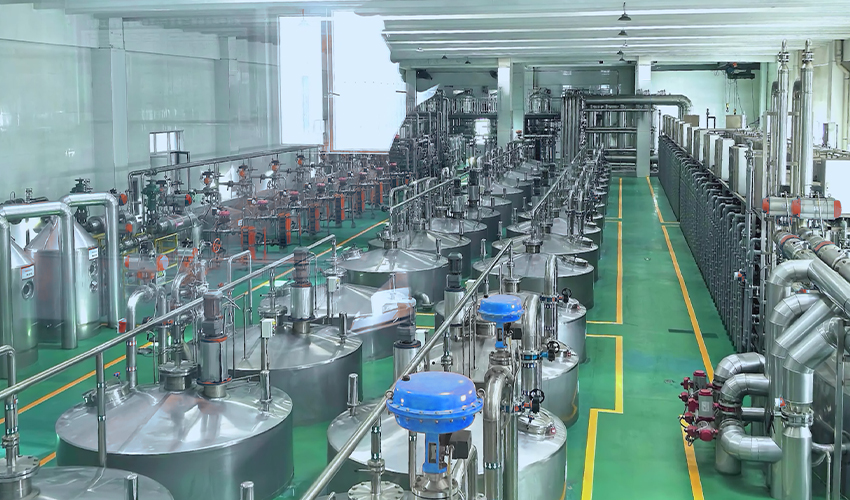
Commissioning followed a phased sequence: utilities and grain handling first, then fermentation and distillation, then dehydration and auxiliary systems, with CO₂ and biogas recovery coming online last. The control system allowed process teams to run water and steam trials before introducing corn, which shortened the debugging period. For an investor considering replication in another province or country, the Qiqihar experience offers a reference architecture that can be adapted to local feedstock, utility, and market conditions while preserving the energy and material integration logic. AGRIFAM’s project management approach embeds risk mitigation through early-stage feasibility studies, but the real value emerges when the plant is running and the energy invoices confirm the engineering assumptions.
Why the Qiqihar Model Matters for Future Alcohol Projects
The Qiqihar plant does more than produce ethanol. It resets expectations around what a corn alcohol facility should achieve on energy intensity, by-product revenue, and environmental footprint. Rising natural gas prices in many regions have made energy efficiency more than a sustainability talking point. They have turned it into the single largest variable in operating margin. A plant designed with energy cascade from day one incurs only modest additional engineering cost, which it recovers through lower fuel bills every year of operation.
This project also points toward a larger question for the alcohol and biofuel industry: whether future plants should be conceived as standalone distilleries or as integrated agricultural processing hubs. The answer, in Heilongjiang, tilts toward the latter. When grain handling, alcohol production, DDGS feed, CO₂ recovery, and biogas generation function as one connected system, the business becomes more resilient to commodity price shifts. AGRIFAM’s farm-to-table integration philosophy, rooted in decades of agricultural engineering across storage, feed, livestock, and processing, finds commercial weight in a plant whose financial performance is underwritten by multiple revenue channels.
For organizations evaluating a grain alcohol project, whether in Heilongjiang, another corn-producing region, or a different geography entirely, the Qiqihar reference offers a tested engineering baseline. Ongoing operational data continues to validate the energy and material balance assumptions, and the plant serves as a working demonstration of the closed-loop industrial model. Reach our project team at [email protected] or call 010-8591 2286. Share your feedstock profile and target product grades, and we can assess whether a similar integrated design fits your operational and financial objectives.
Common Questions About Grain Alcohol Plant Projects
What is the typical capacity range for a corn-based alcohol plant like Qiqihar?
The Qiqihar plant was sized to balance feedstock availability with market demand for ethanol and by-products. Corn alcohol plants can be economical from roughly 50,000 tons of ethanol per year upward, with larger capacities benefiting from scale in energy integration and logistics. The optimal capacity is determined by local corn supply radius, utility costs, and offtake agreements for DDGS and CO₂. AGRIFAM conducts a feedstock and market study as part of early-stage feasibility work to size the plant appropriately.
How does energy cascade utilization actually reduce consumption by 25%?
The 25% figure is an aggregate design target, not a single technology claim. It accrues from matching hot exhaust streams with incoming cold streams wherever a temperature driving force exists: distillation column vapors preheat liquefaction slurry, dryer exhaust air preheats combustion air, and biogas substitutes for natural gas. Each recovery loop contributes a few percentage points; together they reduce the plant’s external energy demand by roughly a quarter relative to a non-integrated design. The exact savings depend on local energy prices and process configuration, which is why engineering studies use pinch analysis to forecast site-specific performance.
What happens to the by-products from alcohol production?
All major by-products are commercialized. DDGS (distiller’s dried grains with solubles) is sold as high-protein animal feed, typically to cattle, dairy, or poultry operations. CO₂ from fermentation is purified to food-grade and sold to beverage, chemical, or agricultural customers. Biogas from anaerobic treatment of process wastewater replaces a portion of boiler fuel, reducing natural gas purchases. Ash from the boiler, if applicable, can be used as a soil amendment. This full-utilization model means the plant’s revenue stream includes ethanol plus three or more co-product lines.
How long does it take to build and commission a plant of this type?
From final investment decision to commercial production, a complete EPC timeline for a grain alcohol plant typically spans 24 to 36 months. Engineering and procurement occupy the first year, civil works and equipment installation the next 12–18 months, with commissioning and performance testing completing the schedule. Local permitting, weather windows for construction, and equipment lead times are the main variables. AGRIFAM’s phased commissioning approach, starting utilities and grain handling before moving to process units, reduces overall startup time and catches integration issues early.
Is the Qiqihar design applicable to locations outside China?
The process integration logic travels well. Corn alcohol production uses well-established unit operations, and the energy cascade and by-product recovery features are not tied to a specific geography. The key adaptation is to local corn varieties, climate conditions for grain storage, utility availability, and environmental regulations. AGRIFAM has applied its grain processing and alcohol engineering expertise across international projects, and the feasibility study phase identifies the site-specific adjustments needed. If your project involves different feedstock specifications, co-product markets, or local compliance requirements, share your project outline at [email protected] and we can map the Qiqihar principles to your conditions.
If you’re interested, check out these related articles:
Driving Global Food Conservation Through Technological Innovation