

Selecting a DDGS feed supplier involves more than comparing price per metric ton. I have seen across integrated livestock and ethanol projects that the nutritional consistency of distillers dried grains with solubles depends far more on upstream process control than on a certificate of analysis. Drying temperatures, fermentation parameters, and grain sourcing at the ethanol plant directly shape amino acid digestibility and mycotoxin risk in the finished feed ingredient. Procurement decisions should prioritize suppliers who can demonstrate traceable control over those production variables, not simply the lowest delivered cost.
What Determines DDGS Quality Beyond the Lab Report?
Crude protein alone is a poor proxy for feeding value. In practice, I have seen batches with near-identical protein percentages deliver noticeably different milk yield responses because lysine availability and acid detergent fiber levels diverged. Three groups of parameters drive real-world performance: amino acid balance and digestibility, fiber profile, and mycotoxin loads.
Why the Amino Acid Profile Deserves More Attention Than Crude Protein
DDGS protein includes a meaningful fraction of rumen undegradable protein, but heat damage during drying can bind lysine into indigestible complexes through the Maillard reaction. A light golden sample is not a guarantee: I have encountered batches that appeared ideal yet contained low digestible lysine because a short high-temperature spike was masked by subsequent blending. For monogastric rations, methionine and threonine also become limiting. A supplier who provides full amino acid analysis with each shipment gives the nutritionist a far stronger basis for formulation than one who reports only crude protein.
How Fiber and Fat Content Shift Energy Concentration
Neutral detergent fiber in DDGS can range from 25 to 40 percent of dry matter, and that spread changes the energy available for lactation or gain. Corn origin and the efficiency of starch conversion in the fermenter influence residual fiber. Fat content often varies between 8 and 12 percent, contributing substantially to net energy, yet that fat is susceptible to oxidation during storage when drying and cooling are poorly managed. When I evaluate a DDGS stream, I look for supplier data that tracks NDF and crude fat variability across production weeks rather than a single composite sample.
Mycotoxin Risks That Originate in the Field and Concentrate in the Stillage
Corn stored under warm, humid conditions before fermentation can carry aflatoxins, fumonisins, or deoxynivalenol. The ethanol fermentation process does not destroy all mycotoxins; in fact, the non-starch fraction that becomes DDGS can concentrate them threefold. A supplier who can document the geographic origin of each corn lot and provide lot-specific mycotoxin screens offers a layer of protection that commodity pricing alone cannot match.
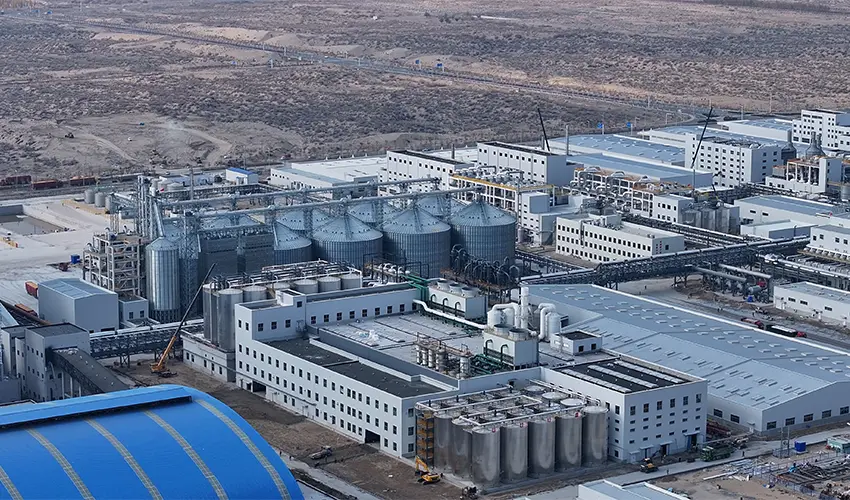
How Does the Ethanol Plant Affect DDGS Consistency?
DDGS is a co-product, not the primary output, so its consistency reflects how attentively the ethanol plant manages the stillage stream. In integrated operations where energy cascade and digital process control are applied, the by-product quality tends to be far more repeatable because drying temperature curves and residence times are tightly regulated rather than adjusted solely for throughput.
Drying Temperature and Amino Acid Digestibility
Direct-fired rotary dryers can expose the wet distillers grains to inlet temperatures exceeding 500°C at the flame front, while the bulk solids may remain below 100°C. That gradient creates a risk of localized overheating that damages lysine without visibly darkening the entire batch. Indirect dryers and drum dryers with tighter temperature control reduce this risk. When I audit an ethanol plant for a feed client, I ask for the temperature profile log of the dryer across the last thirty production cycles rather than relying on a single spot measurement.
Fermentation Efficiency and Residual Starch
Higher ethanol yield means less residual starch and more fiber and protein per ton of DDGS. A plant running at 2.9 gallons per bushel will produce a different nutrient profile than one achieving 2.7, even with the same corn supply. That difference can alter the net energy value by several percentage points, a detail that rarely appears on a standard supplier quote but matters in a tight ration.
What Should You Look for in a DDGS Supplier?
Three capabilities separate a reliable DDGS supplier from a bulk commodity broker. The supplier should be able to provide batch-level traceability from corn receipt through DDGS loadout, share process parameter logs including dryer temperature profiles and fermentation yields, and deliver third-party mycotoxin and amino acid analyses with each shipment. If your current supplier cannot provide process parameter logs from the ethanol plant, it may be time to broaden the evaluation. Our team at AGRIFAM works with feed operators to audit integrated supply chains — share your requirements at [email protected].
Documentation a Supplier Should Provide
Beyond a standard certificate of analysis, request lysine and methionine as a percentage of crude protein, acid detergent fiber, and a full mycotoxin panel. Ask for the average dryer exhaust temperature and the standard deviation across the production lot. That data tells you whether the nutrient numbers on the lab report reflect a stable process or a lucky composite.
Why a Circular Feed Strategy Matters for DDGS Supply
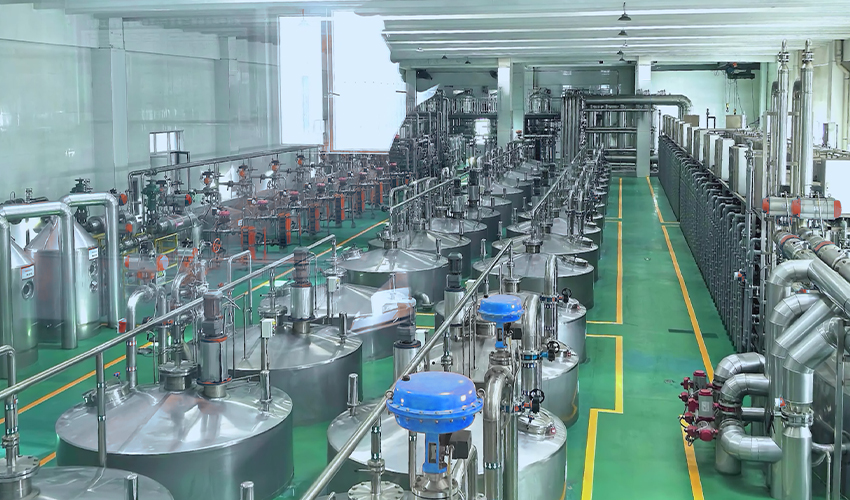
When a feed buyer treats DDGS as an isolated commodity, quality surprises are inevitable. When the ethanol plant and the feed operation are viewed as linked nodes in a corn-to-food-to-energy-to-feed system, the incentives shift toward consistency. AGRIFAM’s alcohol production solutions exemplify this approach: 100 percent of by-product streams are utilized, energy consumption is reduced by 25 percent through cascade design, and the DDGS output is managed as a co-product with its own quality specification rather than as waste. That integration makes the supplier accountable for the DDGS performance in the ration, not just for its weight on the truck. If your operation is considering an integrated ethanol and feed project, or if you want a supplier who treats DDGS quality as a co-product specification, reach out to AGRIFAM at [email protected] or call 010-8591 2286 to discuss a traceable supply program.
Common Questions About Sourcing DDGS Feed
What protein level should I target when buying DDGS for dairy rations?
Crude protein between 30 and 35 percent of dry matter is typical, but the real target is digestible lysine as a percentage of metabolizable protein. For high-producing cows, ask the supplier for the lysine content in grams per kilogram of crude protein and compare it to NRC guidelines. A batch with 30 percent crude protein and high lysine digestibility can outperform one with 34 percent crude protein that suffered heat damage.
How can I verify that a supplier actually delivers low-mycotoxin DDGS?
Request a third-party lab report for each shipment that includes a minimum panel for aflatoxin, fumonisin, and DON. Ask the supplier to identify the grain procurement region and whether the corn was screened or cleaned before fermentation. Consistent low results across multiple shipments over several seasons are more meaningful than a single clean test.
Is DDGS color a trustworthy quality indicator?
Color can flag severe overheating, but it is not reliable on its own. Golden to light brown is generally desirable, yet blending can mask a dark batch. The more dependable check is a lysine-to-crude-protein ratio below 3.0, which suggests Maillard damage, combined with a moisture content below 12 percent for shelf stability. If a supplier only offers color as a quality metric, press for the amino acid data.
What is the practical difference between wet and dry DDGS for a feedlot?
Wet distillers grains typically contain 65 to 70 percent moisture and offer higher net energy for gain because the drying step is avoided, preserving more digestible nutrients. However, WDGS must be used within a few days and works best when the feedlot is within 50 miles of the ethanol plant. Dry DDGS stores and transports easily over long distances. The choice depends on logistics and feed management capabilities. If you are evaluating co-location of a feedlot with an ethanol plant to capture wet DDGS value, AGRIFAM can help with integrated project planning — share your requirements with us.
If you’re interested, check out these related articles:
Driving Global Food Conservation Through Technological Innovation