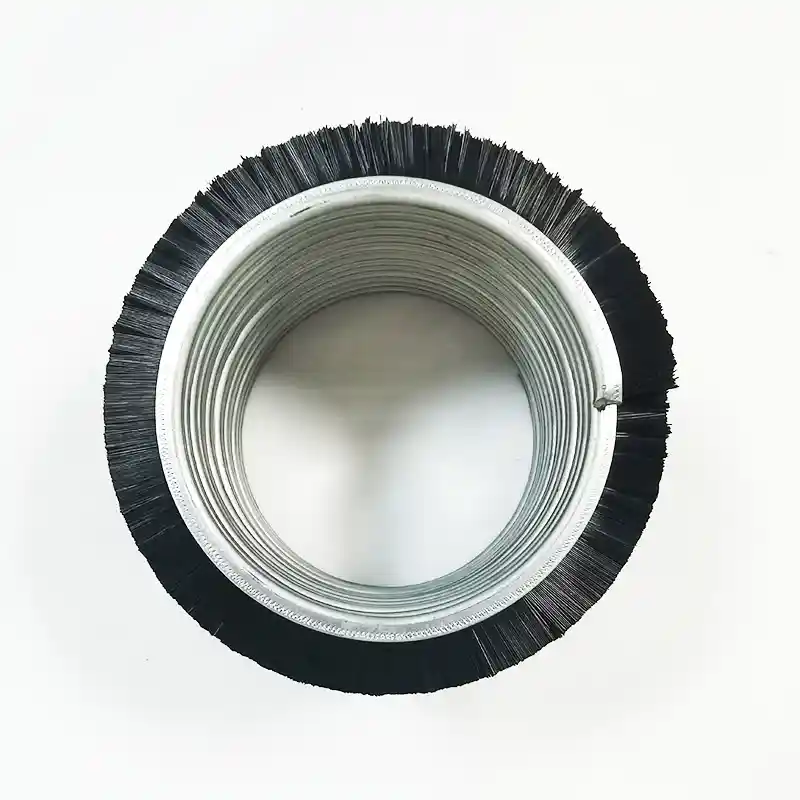

Choosing a chimney cleaning brush isn’t just about grabbing the first one you see on the shelf. The right brush makes a genuine difference in removing creosote buildup and protecting the flue liner, while the wrong size or bristle material can leave dangerous deposits behind or even damage the chimney. From bristle wire gauge and poly stiffness to brush diameter and rod compatibility, the details that matter most are often overlooked. In this article, I’ll share what I’ve learned from 15 years of manufacturing and engineering industrial brushes: how brush design directly affects cleaning effectiveness and long-term chimney safety.
Why Bristle Material Determines Cleaning Results and Chimney Liner Safety
I’ve seen brushes with overly stiff wire bristles score stainless steel liners, while flexible poly bristles wear down too quickly in masonry chimneys. The bristle material is not a minor detail; it determines how the brush interacts with both creosote deposits and the flue wall itself. For chimneys with clay tile or stainless steel liners, a polypropylene brush with medium stiffness removes soot and light creosote without abrasion. Poly bristles are non‑sparking and chemical‑resistant, making them safer in damp environments. For heavy, hardened creosote in unlined or masonry chimneys, a wire brush is more effective. However, wire material matters: oil‑tempered steel works well for general use, while stainless steel wire resists corrosion but must be used carefully to avoid scratching the liner. Nylon bristles, often used where sparks are a concern, clean gently but may not strip heavy deposits.
The shape and density of the bristle fill also influence performance. A spiral‑wound brush with dense bristle tufts provides more contact points per rotation, speeding up the job, while a sparser fill allows easier rod rotation in tight flues. I always recommend buyers specify the bristle material first, then consider fill density based on the type of buildup they typically face.
How Chimney Brush Diameter and Shape Affect Complete Creosote Removal
In my experience, the most common reason a chimney sweep leaves deposits behind is using a brush that’s the wrong diameter for the flue. A brush too small misses creosote on the walls; too large can jam, making it impossible to push through. The rule I give our OEM clients is simple: measure the flue’s interior dimensions accurately, then choose a brush diameter 1/4 to 1/2 inch larger than the flue for a tight, effective fit. For rectangular flues, you may need to consider the diagonal measurement, since a round brush must cover the corners by compression.
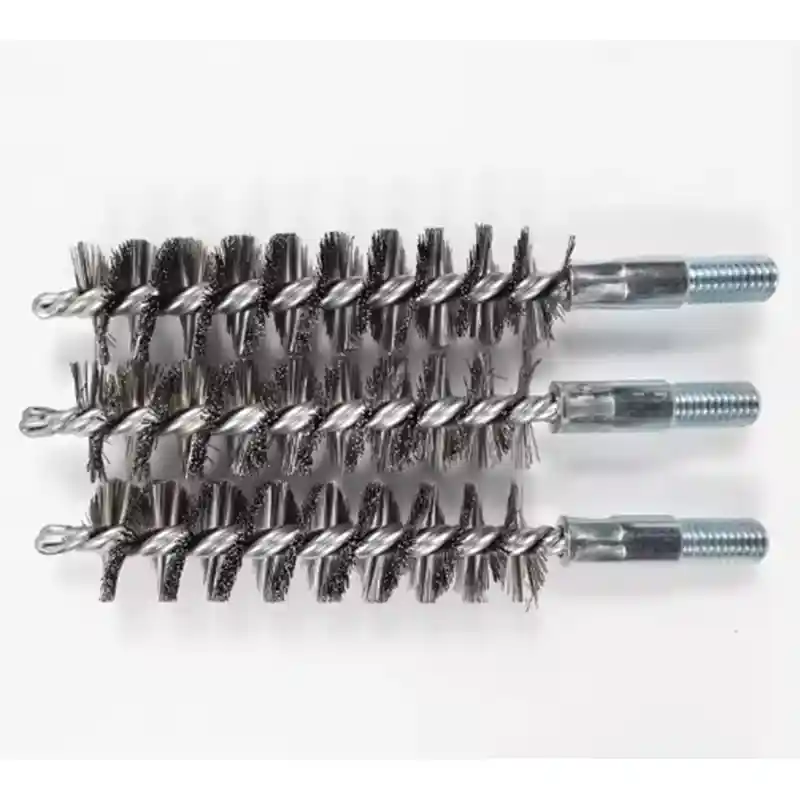
Shape matters, too. Round brushes suit standard round clay or metal flues, while square or rectangular brushes fit masonry flues with flat sides. For odd shapes, like oval or corbeled flues, a flexible spiral brush can conform to the contours. I’ve worked with professional chimney sweeps who keep several diameters and shapes on hand because one chimney rarely matches the next. Investing in the right size pays off in cleaning speed and thoroughness.
Wire Brushes and Poly Brushes: Matching Brush Type to Flue Liner Material
Not every chimney can handle a wire brush. Stainless steel liners, in particular, are susceptible to scratching from hard steel bristles. Scratches create rough surfaces where new creosote adheres faster, defeating the purpose of cleaning. For these chimneys, I recommend a poly brush with a medium‑stiffness nylon or polypropylene fill. Poly brushes are also lighter, reducing operator fatigue on tall flues. For heavy creosote or glazed deposits in unlined chimneys, a wire brush is often necessary. In these cases, using a crimped wire rather than a knotted wire can reduce the abrasiveness while still cutting through buildup. The table below compares the two most common chimney brush types.
| Feature | Wire Brush | Poly Brush |
|---|---|---|
| Best for | Heavy creosote, unlined flues | Light/medium buildup, stainless liners |
| Liner compatibility | Can scratch stainless; safe for masonry | Safe for all liners |
| Bristle stiffness | High | Medium |
| Corrosion resistance | Varies by steel grade | Excellent |
| Typical lifespan | 15–20 uses | 10–15 uses |
Poly brushes wear out slightly faster because the bristles deform over repeated high‑friction cycles. Wire brushes last longer but must be inspected for corrosion or bent bristles that could gouge liners.
Rod Flexibility and Connection Types for Consistent Cleaning Through Chimney Offsets
Even a perfect brush won’t clean effectively if the rods can’t navigate the flue. Chimneys with offsets, bends, or multiple stories require rods that flex without disconnecting. The two common connection types, quick‑connect and threaded, each have trade‑offs. Quick‑connect rods are faster to assemble but can separate under heavy torque if not locked properly. Threaded rods stay connected more reliably, but they take longer to assemble and can be harder to spin by hand in a tight flue.
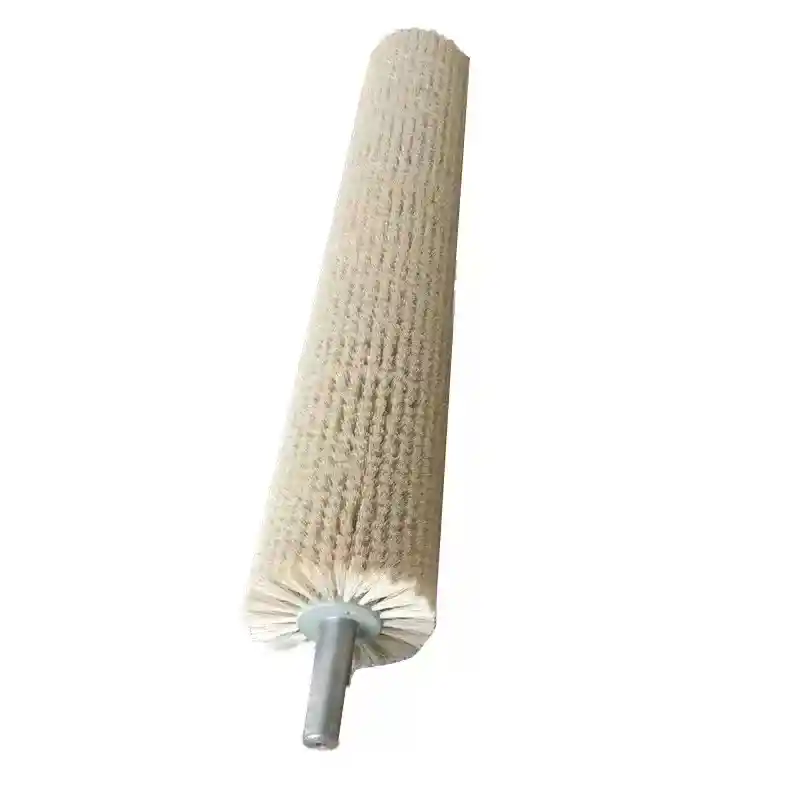
Rod material also affects performance. Fiberglass rods are lightweight and non‑conductive, ideal for long reaches, while polypropylene rods offer good flexibility at a lower cost. I’ve seen crews struggle with rods that were too rigid, causing the brush to bind in offsets. A flexible rod that maintains torsional stiffness lets the brush conform to the flue’s path while still transmitting rotation power. For chimneys with multiple bends, a combination of flexible rods for the offset sections and stiffer rods for the straight sections often gives the best balance.
If your cleaning program involves a mix of flue types and offsets, it is worth confirming the exact rod specifications and connection compatibility before finalizing your purchase, especially if you need to adapt to different diameter brushes on the same rod set. Our engineering team can help you select the right combination based on your flue layout and brush type. Reach out at [email protected] with your flue dimensions and typical offset details.
Brush Maintenance Habits That Extend Tool Life and Chimney Safety
I’ve noticed that many users treat a chimney brush as a disposable tool, but with proper care, a well‑made brush can last for years and perform consistently. After each use, I recommend hosing off the brush with water to remove acidic creosote residue, then letting it dry completely in a ventilated area. Acid residue that sits on the bristles corrodes wire and degrades polymer over time. Storing the brush upright or hanging prevents bristle deformation, which is especially important for poly brushes that can take a permanent set.
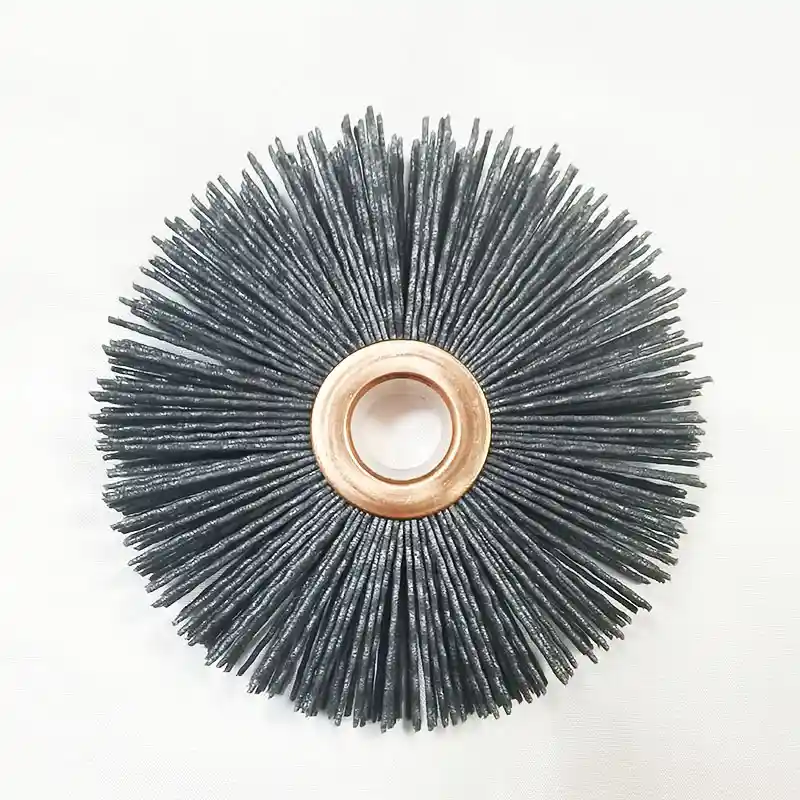
Inspect the brush before each use. Check for loose or missing bristle tufts, cracked hub materials, and bent wire bristles. A damaged brush head can break off inside the flue and create an obstruction that’s expensive to remove. At Huixi Brush, we supply replacement brush heads and rods, so you don’t have to discard the entire setup when one component wears out.
Even the best brush can’t compensate for neglected creosote buildup. But matching the brush design to your chimney’s materials and condition puts you in control of a safer, more efficient sweep. Whether you’re outfitting a professional chimney service or maintaining your own fireplace, the right brush isn’t a one‑size‑fits‑all purchase. I’ve spent 15 years helping customers solve surface‑cleaning challenges, and in chimney care, the small details — bristle material, diameter, rod flexibility — have a direct impact on safety and cost.
If you’re unsure which brush matches your chimney type, send the flue dimensions and liner material to [email protected] or call +86 1580 0932 713. We’ll help you identify a brush that fits correctly and removes deposits without damaging the liner.
Common Questions About Chimney Cleaning Brushes
Does brush stiffness really make a difference in creosote removal?
Yes, and it’s often misunderstood. Stiffer bristles do remove more material per pass, but they can also leave micro‑scratches that trap new creosote. In our testing with stainless liners, medium‑stiff poly brushes removed over 90% of light creosote in a single pass without liner damage. For heavy, glazed creosote, a crimped wire brush with moderate pressure is more effective than a stiffer knotted brush because the crimped shape provides scraping edges without gouging. The stiffness must match both the deposit hardness and the liner’s tolerance.
What happens if I use a brush that’s too small for my chimney?
Using an undersized brush means the bristles won’t make firm contact with the flue walls, so creosote is left behind. This residue can build up into a thick layer that increases fire risk. It also wastes time because you may need multiple passes. I always recommend measuring the flue at several points before ordering; chimneys often narrow slightly toward the top, and your brush must be large enough to clean the widest section effectively.
Can I use the same brush on a stainless liner and a clay tile flue?
It depends on the bristle material. A poly brush is safe on both, provided it’s the right diameter and stiffness for the deposit type. A wire brush, however, should be avoided on stainless liners to prevent scratching. If you have both types of chimneys to service, I’d suggest keeping a poly brush for stainless and a separate wire brush for clay or unlined flues. Labeling them clearly avoids mix‑ups on the job.
How do I know when a brush needs replacing?
Replace it when you see any of these: more than 20% of the bristle tufts are missing or flattened, the center hub shows cracks or corrosion, or the brush no longer fits snugly in the flue. For wire brushes, bent bristles that point outward can catch on liner seams and should be straightened or replaced. For poly brushes, permanent deformation where the bristles lean to one side indicates the filament has lost its memory. Waiting too long to replace a worn brush risks incomplete cleaning and, in worst cases, a brush head separating inside the chimney.
Does a spiral brush clean better than a straight brush?
A spiral brush provides a scrubbing action as it rotates because the bristles contact the flue at multiple angles, which helps dislodge creosote from uneven surfaces and mortar joints. Straight brushes are simpler and cost less, but they tend to slide over deposits rather than cut into them if the flue surface is irregular. For chimneys with mortar protrusions or corbeling, I always recommend a spiral design. The extra cost is small compared to the time saved on a thorough sweep.
If your flue has irregular surfaces or you’re dealing with stubborn glaze, share your cleaning challenges with us at [email protected] and we’ll recommend a brush configuration that won’t leave deposits in the corners.
If you’re interested, check out these related articles:
brushes for steel wire industries cleaning descaling derusting polishing
honing brush a magic tool for flexible burr removal
advantage of hx boiler tube brush
wire wheel brush the right assistant for industrial cleaning and polishing