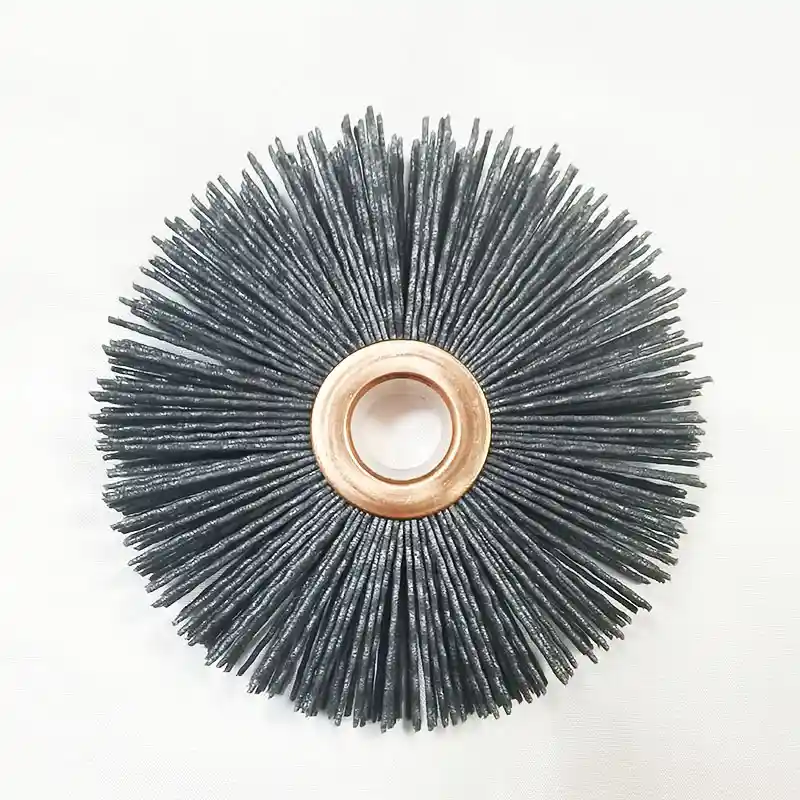

A bristle blaster brush can strip surface rust and heavy grime off steel in minutes, but not every brush does the job without chewing into the substrate. After evaluating dozens of wire types and configurations for industrial clients, I look at filament material and wire gauge before anything else. The right brush eliminates rust fast and leaves the base metal ready for coating. This article covers how to pick a bristle blaster brush configuration that matches your workpiece material and shape so you get aggressive cleaning without unwanted surface damage.
The Speed of Bristle Blaster Brushes on Rust
A bristle blaster brush removes rust through high-speed wire impact. The brush mounts on a power tool, typically an angle grinder or bench motor, spinning at 4,000 to 6,000 RPM. Each wire filament strikes the surface, breaking the rust bond and flinging off debris. Thinner wires, about 0.3 mm diameter, flex more and cover a larger area per pass, which clears light rust fast. Thicker wires, 0.5 mm and above, take more time but last longer on heavy scale.
In our production evaluations, a 0.3 mm crimped carbon steel wheel brush cleaned a mild steel test plate of light rust in under 40 seconds. For mill scale removal, the same brush needed roughly 90 seconds and lost some filaments near the edges where pressure was highest. The speed difference between crimped and knotted configurations becomes significant when the rust is thick or pitted. Knotted wire twists create a harder striking face that breaks dense rust faster but can leave a rougher finish.
Where workpiece condition matters most is in the planning stage. A lightly rusted surface that needs painting might benefit from a fast crimped brush. A structural beam with years of corrosion calls for a knotted brush and a slower feed rate to get into pits without overheating the wires.
Wire Filament Selection for Rust Removal
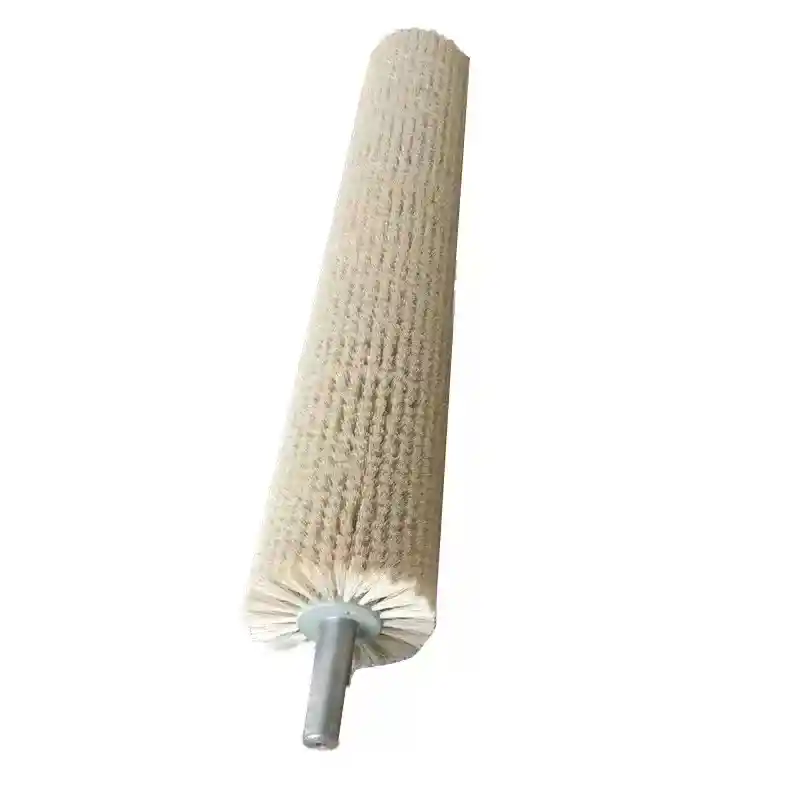
The wire material determines whether a bristle blaster brush works with the substrate or works against it. Carbon steel wire is the standard choice for ferrous metals because it removes rust efficiently and costs less. Stainless steel wire is necessary for stainless steel workpieces or any application where ferrous contamination cannot be tolerated, such as food equipment or marine components. Brass wire finds use in non-sparking environments, though its rust removal rate is slower.
Crimped and knotted constructions handle differently. Crimped filaments are wavy, so they spread the impact across the wire tip and the shaft. This gives a finer, more uniform finish and generates less heat. Knotted filaments are twisted into tight bundles that act like small hammers. They break heavy corrosion and weld slag fast but can leave shallow scratches. A paint shop might choose crimped wire to avoid extra sanding, while a fabrication yard might go with knotted wire for heavy duty descaling.
There is no single best wire; every shop needs to match the wire grade and knot style to the metal hardness and surface tolerance. The table below summarizes the common options.
| Wire Type | Configuration | Typical Use |
|---|---|---|
| Carbon Steel Crimped | 0.3 mm wavy | Light rust, paint prep |
| Carbon Steel Knotted | 0.5 mm twisted | Heavy scale, weld cleaning |
| Stainless Steel Crimped | 0.3 mm | Stainless surfaces, marine |
| Brass Crimped | 0.3 mm | Non-sparking areas |
If your program involves mixed metals or tight geometry, it is worth confirming the correct filament before setting up production. Reach out at [email protected].
Brush Shapes That Reach Corners and Irregular Surfaces
A wheel brush covers flat surfaces quickly, but real world parts have corners, fillets, and holes. Matching brush geometry to workpiece shape keeps cleaning time down and avoids missing rust in recesses. The common bristle blaster shapes we supply include several working profiles.
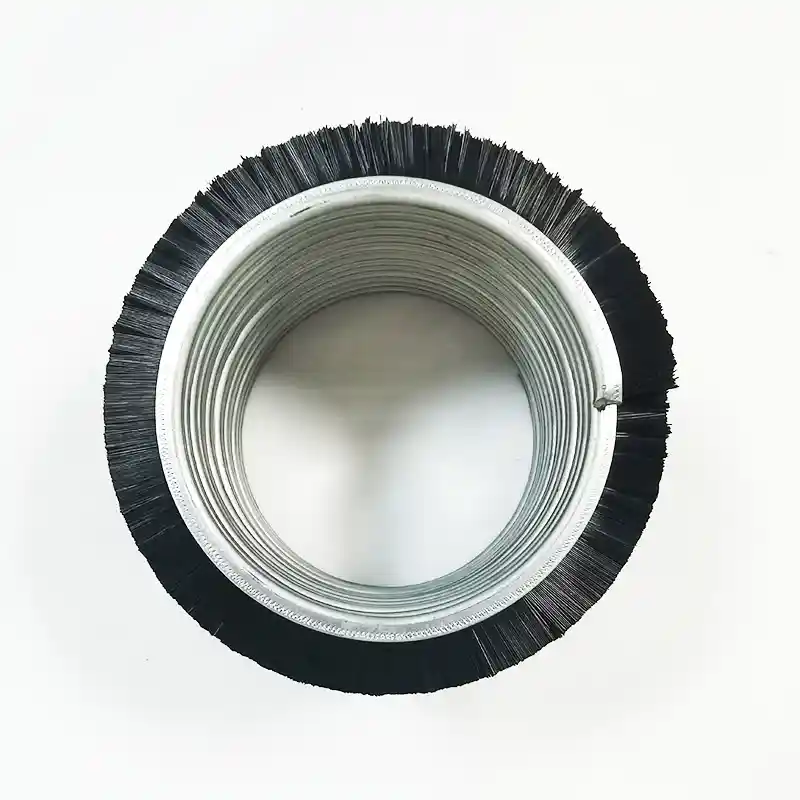
A cup brush has a wider face and cleans larger flat areas faster than a narrow wheel. End brushes, with their small diameter and compact bristle cluster, get inside pipe ends, threads, and drilled holes. A narrow wheel brush, about 6 mm width, can clean inside grooves and keyways that a full-width wheel would miss. For inside diameter cleaning, a cylindrical brush with spiral wound wire can run through tubes or bores, but that is a separate brush category; for end access, end brushes are the first choice.
Shape selection also affects control. A wide cup brush on an angle grinder can be harder to hold steady on a narrow edge, so we often recommend a wheel brush for thin plate edges. An end brush on a die grinder gives precise control for spot rust removal on machined shoulders.
Protecting the Substrate During Aggressive Cleaning
Rust removal with a bristle blaster is fast, but it is not gentle. The same wire impact that breaks rust can gouge soft metals, embed wire particles in the surface, or harden the top layer through peening. Aluminum and thin gauge sheet metal are the most common casualties. We have seen aluminum panels scarred within seconds when a carbon steel knotted brush was used at full RPM.
Hardness compatibility is the first check. Carbon steel wire is harder than aluminum, so it should be avoided on any non-ferrous substrate unless a softer abrasive brush, nylon with silicon carbide grit, is used instead. For steel workpieces, wire diameter and RPM matter. Running a 0.5 mm knotted brush at 10,000 RPM generates enough heat to temper the surface and create a hard skin that resists subsequent machining.
Control the pressure too. The brush should do the work. Pushing hard bends the filaments sideways and increases the chance of wire fatigue and breakage, which can leave embedded wires stuck in the surface. If you see wires breaking off frequently, reduce RPM or switch to a thicker filament. A bristle blaster brush works best with light to moderate contact, enough to flex the wires, not flatten them.
Making Your Bristle Blaster Last Through Tough Jobs
A bristle blaster brush is a consumable, but a few field practices extend its life noticeably. Filaments break from flexing stress, so keeping RPM within the manufacturer’s recommended range is the single biggest factor. Spinning a brush too fast overheats the wires and accelerates fatigue. For carbon steel wire, 4,500 to 6,500 RPM is typical.
Rotating the brush occasionally during a job evens out the wear pattern. If one side wears faster, reverse the tool rotation if possible. After use, cleaning the wires with a solvent or compressed air removes rust dust and moisture that can cause corrosion between filaments, weakening them before the next use. Storing brushes in a dry environment prevents humidity from dulling the wire tips.
No brush lasts forever, but a few minutes of care at the end of a shift can double the effective service life on a tough descaling job.
Getting the Right Bristle Blaster for Your Rust Removal Job
Rust removal at production speed requires matching the brush to the job, not the other way around. A crimped wire wheel works well for coating prep, while a knotted cup brush powers through mill scale. Getting the wrong combination can damage the part or slow the process. At Huixi Brush, we supply bristle blaster brushes in multiple wire types, diameters, and configurations, and we can customize the filament specification to your application. Let us know your workpiece material, rust condition, and target RPM, and we will recommend a brush that fits your line. Reach us at [email protected] or call +86 1580 0932 713.
Common Questions About Bristle Blaster Brush Use
What speed should I run a bristle blaster brush?
Most carbon steel bristle blaster brushes perform best between 4,500 and 6,500 RPM. Slower rotation reduces cleaning rate, and faster rotation overheats the wires, causing early breakage. Stainless steel wire can tolerate similar speeds but generates more heat, so a lower RPM helps avoid blueing of the workpiece surface.
Will a bristle blaster brush remove paint or just rust?
It removes both. A crimped wire wheel strips paint and surface rust in one pass if the coating is not too thick. For multiple layers of industrial paint, a knotted wire brush is faster but leaves a coarser profile. If you need to preserve the base metal for a smooth repaint, start with a crimped brush and test on a small area first.
Can I use a bristle blaster on stainless steel without contamination?
Yes, but only with a dedicated stainless steel wire brush. A carbon steel brush on stainless steel leaves tiny iron particles that can rust later, a condition called free iron contamination. We keep separate brushes for carbon and stainless steel jobs. After cleaning, passivation can further restore corrosion resistance.
How do I know when to replace the brush?
When filaments shorten by about 30 percent or the brush diameter is noticeably smaller, the cleaning rate drops and you start applying more pressure. That extra pressure accelerates wire breakage and can embed wires in the workpiece. Monitoring brush diameter weekly on production lines helps plan replacement before quality suffers.
Does the brush shape affect dust control?
To some extent. A cup brush tends to throw dust forward, while a wheel brush disperses it radially. In enclosed spaces, a cylindrical brush with a dust extraction shroud can help. For open bench work, good local ventilation and protective gear are the main controls. If your shop has specific dust containment needs, share the setup details with us and we can suggest a brush configuration that works with your extraction system.
If you’re interested, check out these related articles:
the differences between inward and outward spiral brush
advantage of hx cylindrical nylon brushes
honing brush a magic tool for flexible burr removal
where stainless wire spiral brush can be used